
Air Drying Flowers at Home: What to Keep and How to Hang It
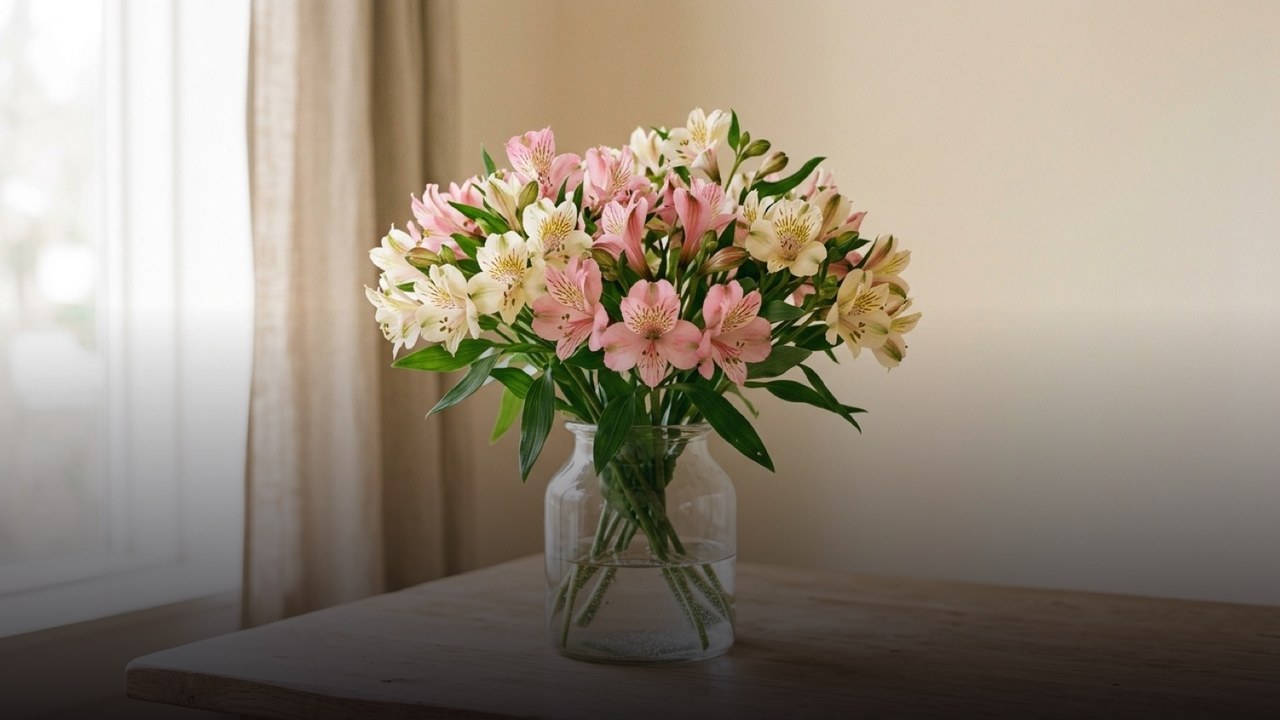
Air drying flowers means hanging prepared stems upside down in a dark, dry place with steady air circulation until the blooms and stems lose their moisture. Start before the flowers wilt, remove unwanted leaves and hang stems separately or in small, loose bundles. Many flowers take roughly two to four weeks, but thick flower heads and humid rooms can make the process longer.
Customers at Pyat Tsvetov (5 Flowers) often ask whether a bouquet can be kept after its vase life ends. In our Saint Petersburg shops, open since 2011, the useful distinction is between preserving healthy flowers early and trying to rescue flowers already deteriorating. Air drying changes colour, texture and sometimes shape, so choose it for a natural keepsake rather than an exact copy of the fresh bouquet.
Choose flowers that can hold their shape
Roses, statice, strawflowers and baby's breath are useful candidates because their structures generally remain recognisable as they dry. Statice has papery coloured calyces that make it particularly suitable for dried arrangements. Dense, fleshy flowers can be harder to dry evenly, while delicate petals may curl or fall. A mixed bouquet therefore needs sorting rather than hanging intact.
Choose flowers that have opened enough to show their shape but have not begun shedding petals. Very tight buds may stay closed, while fully mature blooms can become fragile before drying finishes. Reject stems with slime, fuzzy patches, a musty smell or softened tissue. Drying does not reverse decay, and keeping a damaged stem among sound flowers creates an avoidable problem.
Colour changes are part of the result: pale petals may become cream or brownish, while strong colours can deepen or fade. Leaves often curl, and flower heads usually shrink as moisture leaves them. For a meaningful bouquet, select a few sound stems that represent it instead of keeping every flower. Our statice guide explains more about this useful drying flower.
Prepare the bouquet before hanging
Begin while the flowers are still healthy, even if that means giving up a few days of fresh display. Lift the bouquet from its vase, remove the wrapping and separate the stems so you can inspect each one. Gently blot surface water from stems without rubbing the petals. If blooms are wet, let their surfaces dry with good airflow before gathering them together.
Remove all leaves that would overlap inside a bundle, together with any damaged foliage. You can retain a little healthy foliage for appearance, but a dense sleeve of leaves slows airflow around the stems. Trim away soft stem ends using clean scissors or secateurs. Leave enough stem length for tying and later arranging, since shortening a brittle dried stem can be awkward.
Group flowers by head size and stem thickness rather than by their original position in the bouquet. Hang large roses individually or in very small groups, and keep airy sprays loosely gathered. Use a small elastic band around the stems because they will narrow as they dry, then attach string for hanging. Keep the band below the flower heads and avoid compressing petals.
Bouquets we can deliver




Set up a dark, dry space with moving air
A shaded spare room or ventilated storage area can work if it stays dry and has space around the flowers. Darkness helps limit fading, but it does not compensate for damp, stagnant air. A closed cupboard that smells musty is a poor choice. Bathrooms, cooking areas and places where laundry dries can also expose the flowers to repeated moisture.
Suspend the stems upside down from a rail, hook or sturdy hanger, leaving gaps between flower heads. This position helps stems dry relatively straight and reduces drooping at the neck. Keep blooms clear of walls, shelves and neighbouring bundles so their outer petals are not flattened. Place a sheet of paper underneath if you want to catch fallen petals.
Choose a position away from direct sunlight, radiators and strong draughts. Gentle room ventilation is helpful, but a fan aimed directly at the blooms can damage delicate petals. Avoid tightly enclosing the flowers in plastic or covering them while they are still drying. Check that your hanging point is secure and somewhere the flowers will not be repeatedly brushed or moved.
Check progress without damaging the flowers
Treat two to four weeks as a planning estimate, not a deadline for every stem. Small, papery flowers may finish sooner, while thick heads can remain damp inside after the outer petals feel dry. Check periodically without squeezing the blooms. Keep notes on when you hung each group if you are drying several kinds of flowers at once.
Finished petals should feel dry and papery rather than cool and pliable, and the stems should feel dry and firm. Check the underside of a dense flower head as well as the visible petals. If you are uncertain, leave that stem hanging longer with space around it. Do not pack flowers away simply because they have reached the end of an estimated drying period.
If you notice fuzzy growth, a musty smell or soft, darkening tissue, remove the affected stem and discard it. Separate the remaining flowers and reassess the room's humidity and airflow. Some curling, darkening and petal loss are normal drying changes, but visible mould is a reason to stop keeping that material. Avoid shaking or brushing mouldy flowers indoors.
Arrange, display and store the finished flowers
Take down each bundle while supporting the flower heads, then remove its tie gently. Arrange dried flowers in a clean, completely dry vase without water. Work slowly, holding stems below the bloom rather than gripping petals. If you need shorter stems, cut them carefully with sharp secateurs instead of bending them until they snap.
Display the arrangement away from direct sun, damp windowsills and frequently used walkways. Dried flowers are brittle, and repeated touching causes more damage than quiet display. To remove dust, use a soft brush with very light strokes while supporting the stem. Hairspray is not essential; coatings can alter the appearance and do not correct incomplete drying.
For storage, place fully dried flowers in a rigid box with tissue supporting the heads and preventing movement. Avoid pressing heavy stems onto delicate blooms, and label the box so it is handled gently. There is no fixed lifespan: humidity, light, dust and handling all affect the result. For a keepsake with particular emotional value, see our guide to preserving a sentimental bouquet at home.
Send a bouquet to Russia with a keepsake in mind
If you are sending flowers to someone in Russia, let the recipient decide whether they want to dry any stems. A short message can suggest keeping a favourite bloom without turning the gift into an obligation. We deliver flowers across Russia, and you can begin with our bouquets catalogue. A card with your text is free, and delivery is anonymous by default: the courier does not name the sender.
For a birthday, anniversary or family occasion, match delivery timing to when the recipient can receive the flowers. Express delivery in large cities is available one to two hours after order confirmation; other options include an exact time within plus or minus 30 minutes, or the windows 09–12, 12–15, 15–18 and 18–21. Orders can also be placed one to 30 days ahead. In Saint Petersburg, delivery operates around the clock.
City delivery costs 500 RUB; for remote districts and suburbs, the operator confirms the price when confirming the order. The courier calls the recipient about 15 minutes before arrival, so use a contact number they can answer. Online checkout uses CloudPayments; check the options displayed there, as acceptance of every foreign card cannot be guaranteed. Read delivery and payment details, or call 8 (812) 507-67-05 with questions.
Frequently asked questions
How long does air drying flowers take?
Many flowers take roughly two to four weeks, depending on their size, structure and the room's humidity. Check that both the petals and stems are dry before arranging or storing them.
Can I air dry an entire bouquet together?
Separate it first so you can remove damaged stems and give each flower enough airflow. Dense bouquets dry unevenly, so hang large blooms individually and smaller stems in loose groups.
Why do you hang flowers upside down?
Hanging flowers upside down helps keep their stems relatively straight and limits drooping as they lose moisture. It cannot prevent every change in petal shape or colour.
Can I dry flowers after they have wilted?
Slightly tired but otherwise healthy flowers may still dry, although they will retain some of their wilted shape. Discard flowers with mould, slime, a musty smell or soft, decaying tissue.
Will air drying preserve the original colour?
Some colour change is normal, and the result depends on the flower and its condition when drying begins. A dark drying space and display away from direct sunlight help limit fading.
Ready to send a bouquet?
Pick a city, choose the flowers, and we will hand them over with a photo confirmation.
Choose a city →