
Can you cut flower stems short? How to trim a bouquet safely
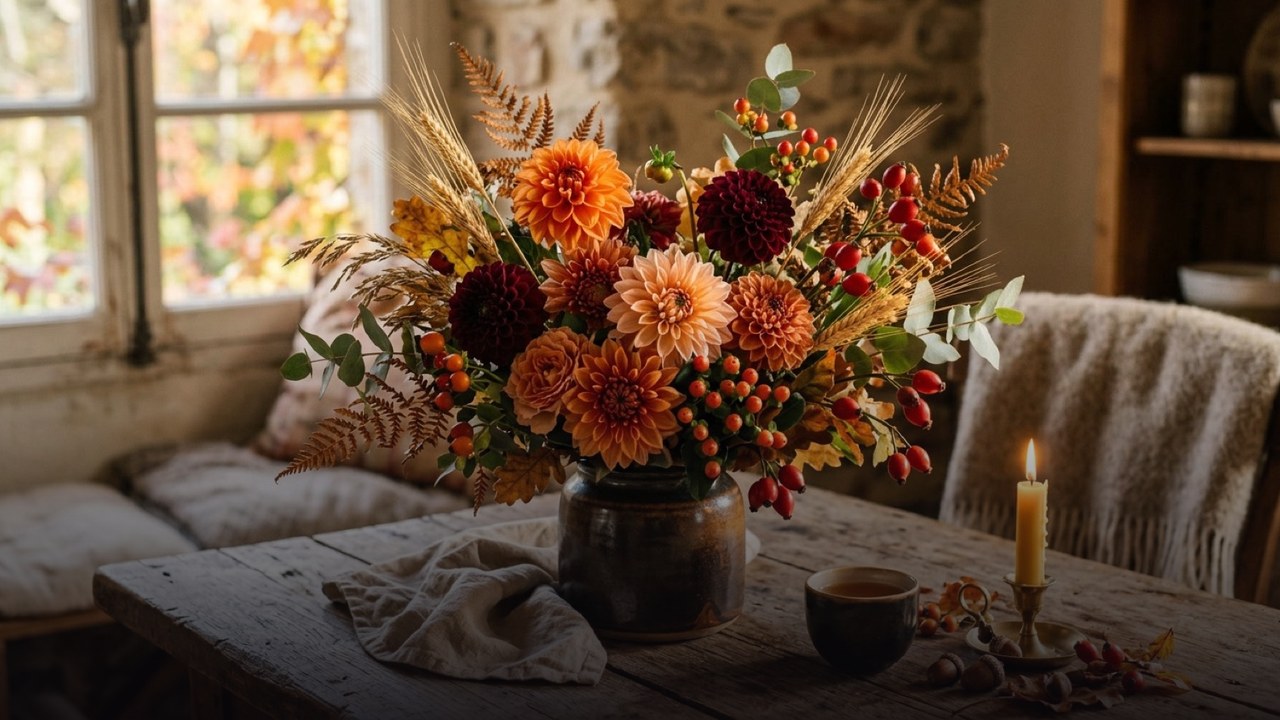
Yes, you can cut flower stems short to fit a smaller vase, provided enough stem remains in water and the vase supports the flowers. Shortening a stem does not automatically harm the bloom, but cutting too much is irreversible, so trim in stages rather than removing the whole length at once.
At Pyat Tsvetov (5 Flowers), a useful starting point for this familiar shop question is the vase the recipient actually has. A tall gift bouquet may need shortening for a dining table, bedside shelf or narrow windowsill. Our experience in Saint Petersburg since 2011 informs a practical approach: choose the vessel first, then adjust each flower to suit its shape and support.
Choose the vase before deciding how short to cut
There is no single minimum stem length that suits every cut flower. A heavy rose head, a branching chrysanthemum and a delicate tulip need different amounts of support above the vase rim. Set the empty vase beside the bouquet and compare their proportions before cutting, allowing room for the stem ends to sit comfortably below the waterline.
For a compact arrangement, position the lower flower heads near the rim without wedging their petals against it. If the heads lean sharply outwards or pull the vase off balance, shorten selected stems or choose a broader, steadier vessel. A narrow neck can support a few stems, but forcing an entire bouquet into it can bruise stems and make water changes difficult.
Start with one stem and remove less than you think you need. Place it in the vase, check the height from the side and use it as a guide for the others, leaving slight variations for a natural outline. Keep enough usable stem for a later fresh cut; cutting every flower down to the neck immediately leaves little room to adjust.
Make clean cuts without crushing the stems
Wash the vase and prepare fresh water before you begin, so trimmed flowers can go straight into it. Use a clean, sharp flower snip or secateurs suited to the stem thickness; blunt household scissors can flatten a stem instead of slicing through it. Clear a stable working area and keep fingers away from the blade as you make each cut.
Remove leaves that would sit below the waterline, while keeping healthy foliage that contributes to the arrangement above it. Cut each stem cleanly, usually at a slight angle, without scraping away its outer surface. There is no need to make an exaggerated diagonal cut, hammer the end or split it into several pieces as a routine treatment.
Return each trimmed stem to water promptly instead of leaving the whole bouquet on the counter until every stem is finished. Inspect the cut ends for crushing or ragged fibres and recut just above any damage with a suitable tool. Our guide to cutting flower stems at home explains the basic technique for a routine vase refresh.
Bouquets we can deliver




Adjust the length to the flowers in your bouquet
Roses and other flowers with substantial heads need support that matches their weight. A short rose can work well in a small vase, but a bloom left on a long section of unsupported stem may still tip sideways. Position the head above the rim with enough space to open, and avoid packing neighbouring flowers so tightly that their petals become compressed.
Tulips have soft stems and may continue to lengthen and curve after cutting, so a perfectly level outline can change. Leave space for that movement and choose a vase whose sides help support the stems. Gerberas also benefit from thoughtful support: trimming a bent stem shorter may improve the arrangement, but it will not repair tissue that has already creased.
Branching flowers need a different decision because one cut can remove several buds or side shoots. Before shortening chrysanthemums, spray carnations or similar stems, identify which branches you want to retain and cut below them. With lilies, allow room for unopened buds to develop, and keep exposed pollen away from fabrics as the flowers open.
Use shorter stems to reshape a bouquet or save usable flowers
A bouquet does not have to stay in its original outline once it reaches the recipient. You can divide it between two clean vases, group the heavier flowers in a low vessel or move a few shorter stems to a bedside arrangement. Lay the stems out briefly before cutting so you can see which flowers belong together and avoid stripping every stem to the same length.
If one stem has snapped, cut above the damaged section only if that leaves a sound stem attached to the flower head. A small bud vase can hold a flower that is now too short for the main arrangement. Keep the cut end submerged while allowing the bloom to stay clear of the water; petals resting in water deteriorate more readily.
A drooping flower is a reason to inspect the bouquet, rather than automatically cut every stem much shorter. Check the water level, look for crushed or decaying stem sections and make a fresh cut where appropriate. Our article on drooping stems covers possible causes, but flowers with badly damaged tissue or advanced deterioration may not recover.
Care for a short arrangement after trimming
Short arrangements often use small vessels, which may hold less water than their full appearance suggests. Check the level daily and replenish it before the cut ends become exposed, especially when several stems share a narrow container. Do not assume a low bouquet needs little water simply because much of the original stem length has been removed.
Replace cloudy water promptly, wash the vessel and remove fallen leaves or petals before returning the flowers. If flower food came with the bouquet, follow its packet instructions and measure it for the actual amount of water. Concentrating a full packet into a tiny vase is not a substitute for correct dosing, and improvised mixtures can introduce avoidable problems.
Keep the arrangement away from radiators, direct sunlight and ripening fruit, and choose a position where it will not be knocked over. Remove spent flowers as they fade so they do not remain pressed against healthy blooms. When refreshing the ends, take off only what is needed for a clean cut rather than shortening every stem substantially each time.
Ordering flowers for someone in Russia
When ordering from abroad, consider where the recipient is likely to display the flowers and whether they have a suitable vase. Browse our bouquets catalogue with that setting in mind; the recipient can adjust the stem length after delivery using the steps above. A short care note can be useful, and a card with your text is free.
We deliver flowers across Russia, with city delivery costing 500 RUB; for remote districts and suburbs, the operator confirms the price when confirming the order. In large cities, express delivery is available in 1–2 hours after confirmation, alongside an exact-time option with a ±30-minute allowance or windows of 09–12, 12–15, 15–18 and 18–21. Orders can also be placed 1–30 days ahead, and around-the-clock delivery is available in Saint Petersburg.
Delivery is anonymous by default, so include your name in the card text if you want the recipient to know who sent the bouquet. The courier calls about 15 minutes before arrival; if the recipient is absent, we agree a second delivery that day or handover to a neighbour or concierge with the sender's consent. See delivery and payment for ordering information: online checkout uses CloudPayments, and customers abroad should check the payment options displayed there. For questions, call 8 (812) 507-67-05.
Frequently asked questions
How short can I cut flower stems?
Leave enough sound stem for the cut end to remain submerged and for the vase to support the flower head. There is no universal minimum: the right length depends on the flower, its weight and the vessel.
Will cutting stems short make flowers die sooner?
Shortening alone does not necessarily shorten vase life. Clean cuts, adequate water and suitable support matter, while crushed stems and submerged foliage can cause problems.
Can I cut every stem in a mixed bouquet to the same length?
You can, but the result may be crowded or uneven because flower heads and branching patterns differ. Adjust individual stems in the vase so each bloom has space and support.
What can I do if I have already cut the stems too short?
Move the flowers to a smaller vase or divide them among several small vessels. Check that each cut end reaches the water and that the flower heads remain above it.
Should I shorten stems again when changing the water?
Inspect the ends and make a small fresh cut if they are damaged or deteriorating. You do not need to remove a large section at every water change, particularly when the stems are already short.
Ready to send a bouquet?
Pick a city, choose the flowers, and we will hand them over with a photo confirmation.
Choose a city →