
Client Retention with Flowers: Gifting Milestones That Matter
Most account managers send flowers once — on New Year's — and wonder why the gesture lands flat. The clients who remember you year-round are the ones whose account managers tracked three or four specific dates and sent something concrete and well-timed each time. This article is about building that habit: which milestones to mark, which bouquets hold up in a Moscow or Saint Petersburg office, and what to sort out before you place the first order.
Why Flowers Work in Russian B2B Relationships
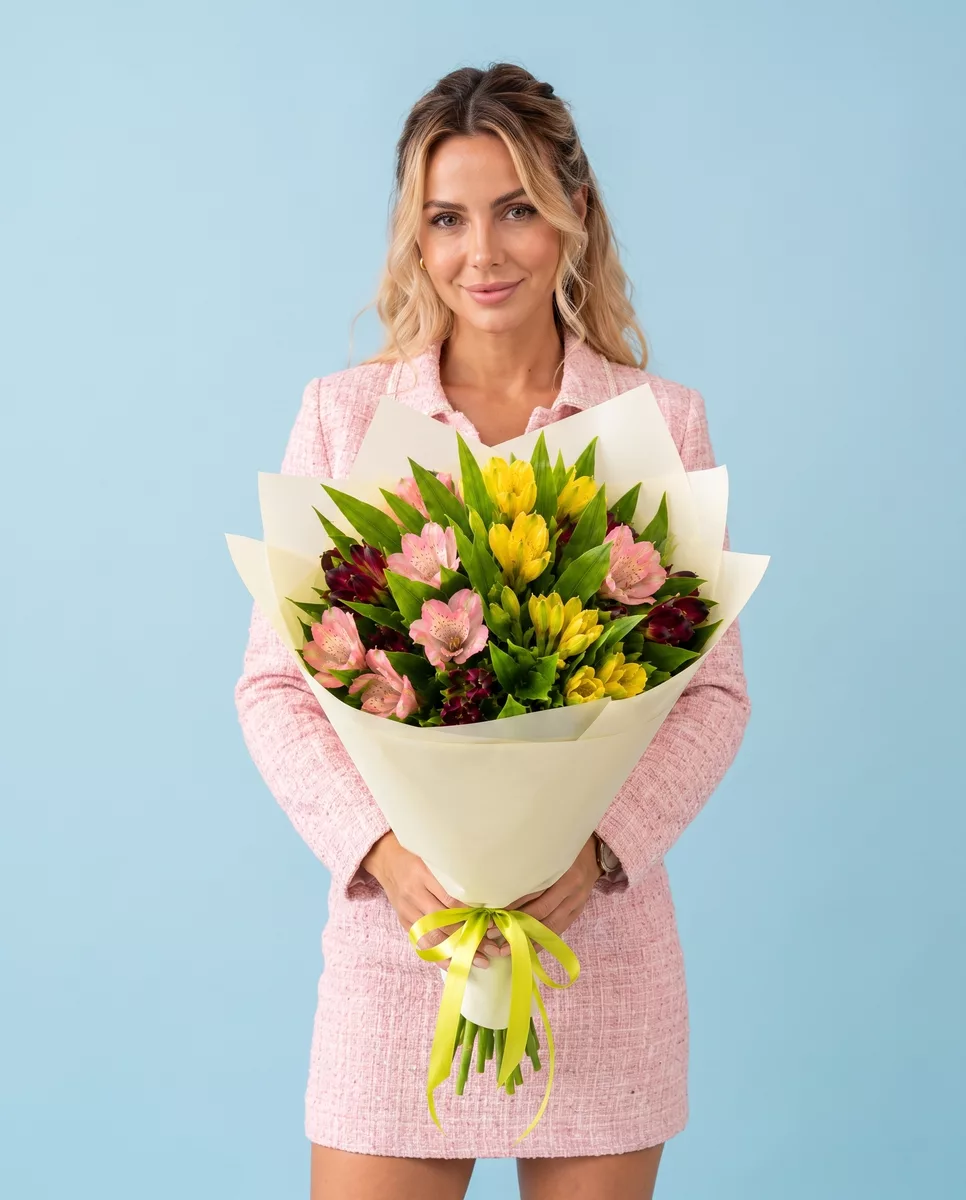
Russian business culture places real weight on personal gestures inside professional relationships. A signed contract is a legal document; a bouquet delivered the same afternoon signals that you noticed the moment and valued it beyond the paperwork. This is not sentiment for its own sake — procurement managers and CEOs in Russia regularly cite personal attention as a factor in renewal decisions, and a well-chosen arrangement is one of the clearest forms that attention can take. The key word is well-chosen. A cellophane-wrapped petrol-station bunch communicates carelessness faster than no gift at all. What works is something specific: a structured arrangement of roses or spray chrysanthemums in corporate colours, or a compact mono-bouquet of alstroemeria that sits neatly on a desk without shedding pollen on documents. Flowers also solve a practical problem that chocolates and branded merchandise do not — they are not consumed privately and they are not stored in a drawer. A fresh arrangement on the reception desk or in a meeting room is visible to the client's own team for four to seven days, which extends the goodwill well past the moment of delivery. For account managers handling ten or twenty accounts, the discipline is building a calendar of milestones so that the gesture is never an afterthought scrambled together the morning of. That calendar starts with three dates: the contract anniversary, the renewal window, and the deal-closing day itself.
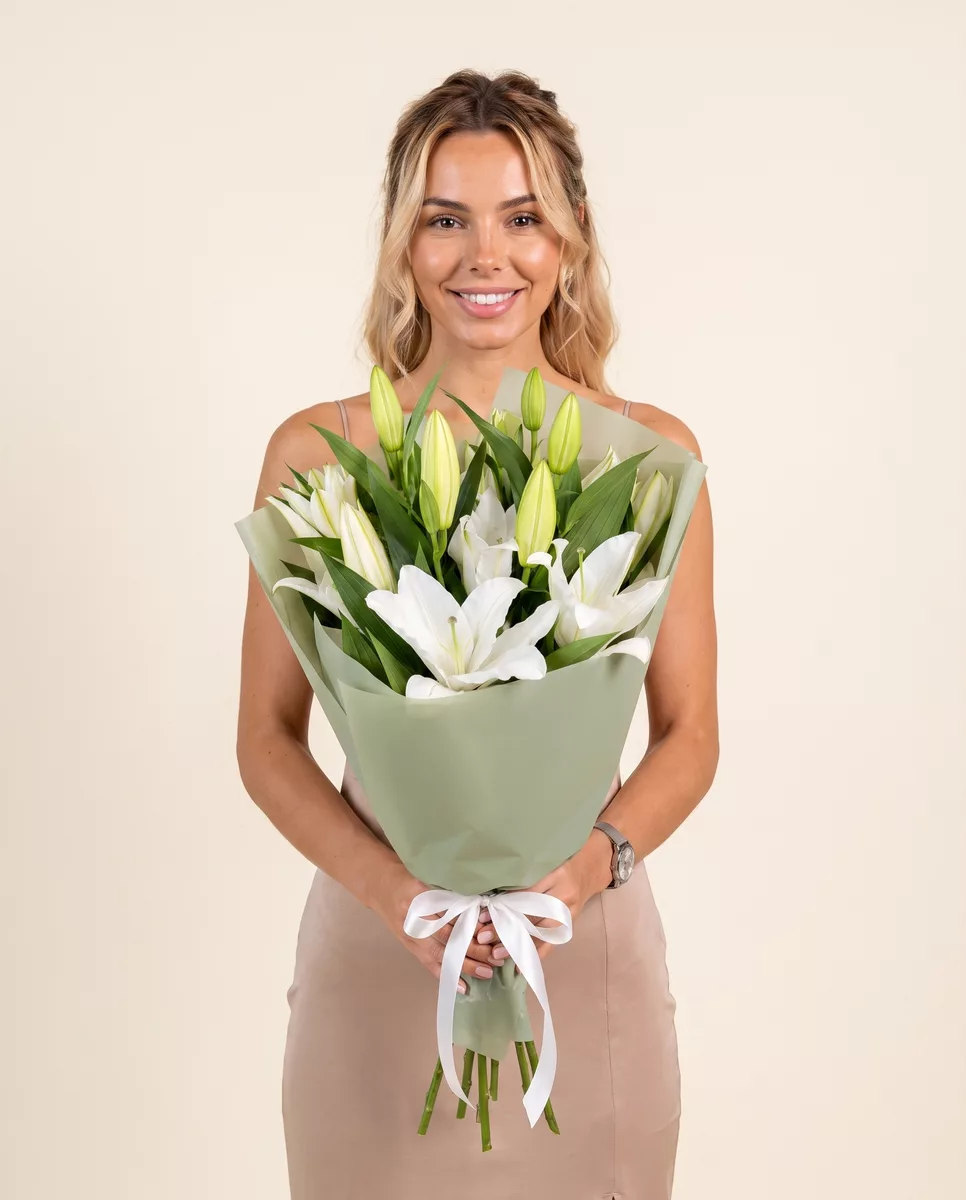
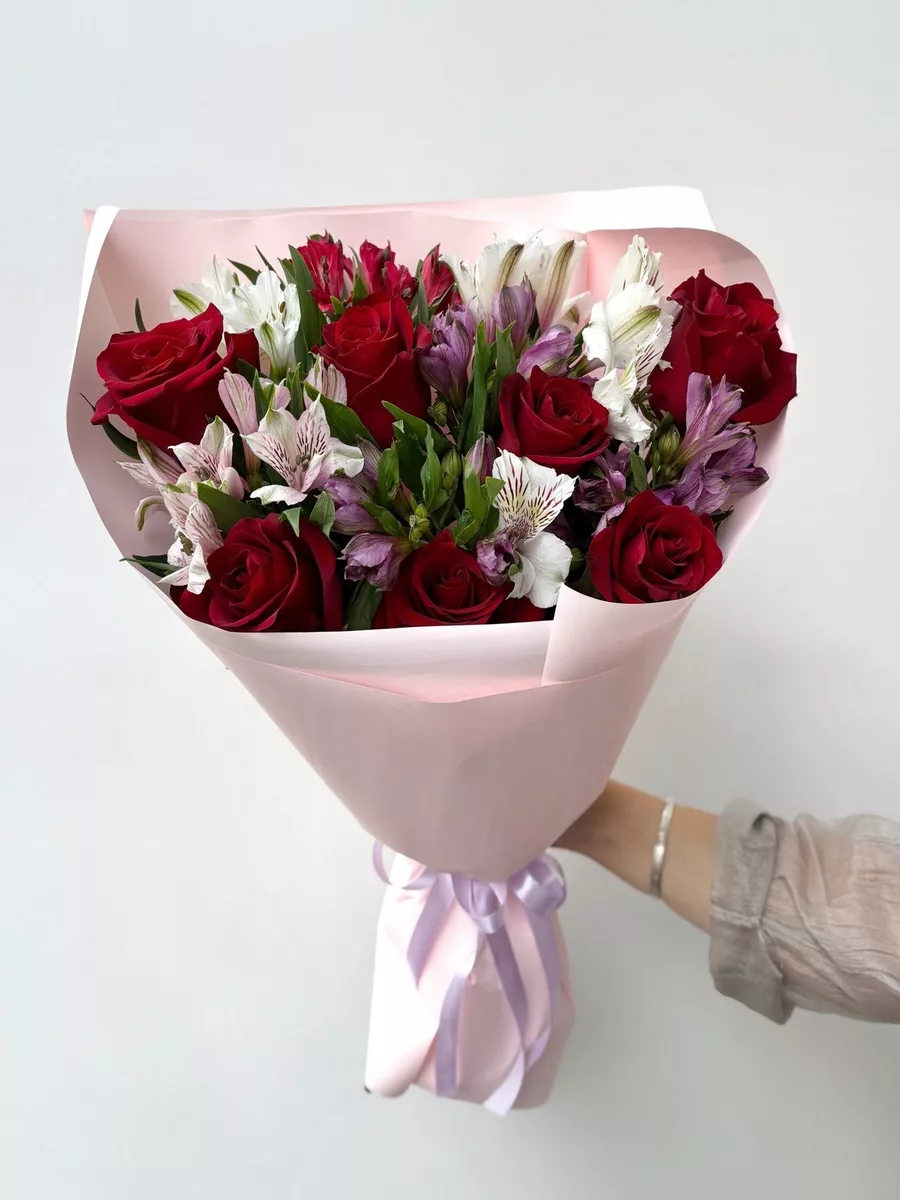
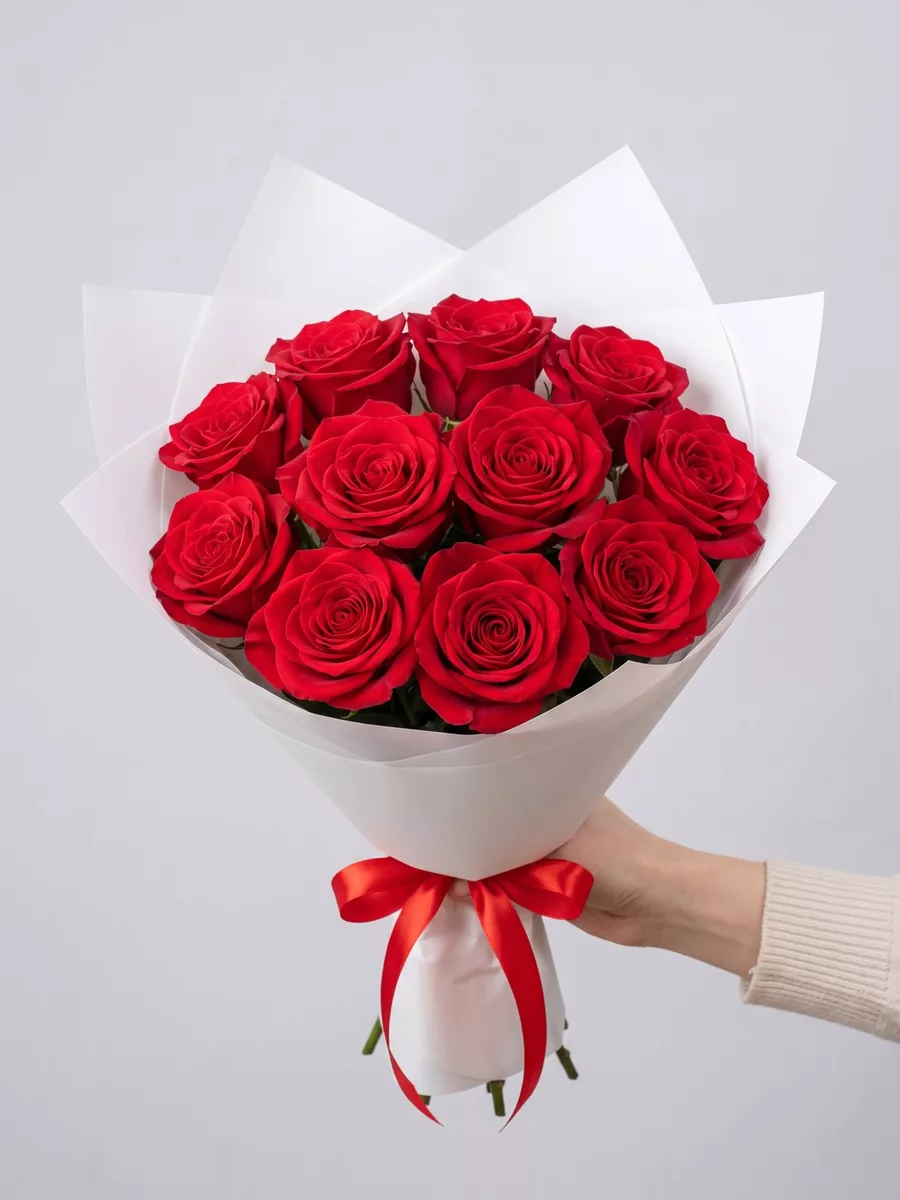
Bouquets we can deliver
Contract Anniversaries: The Most Overlooked Date on the Calendar
A contract anniversary is the date the agreement was first signed, and almost no supplier marks it. That is precisely why marking it works. When a bouquet arrives on the first or second anniversary of a partnership, the client's immediate reaction is surprise — they did not expect you to remember, and the fact that you did repositions the relationship. In Russian professional culture, loyalty is demonstrated through memory and consistency, not through one large gesture. Anniversaries reward both. For a first-year anniversary, a medium arrangement of garden roses — varieties like Avalanche or Cappuccino hold their shape well in centrally heated offices — combined with eucalyptus stems is appropriate and proportionate. It reads as generous without being excessive. For a third or fifth anniversary, you can move to a larger presentation: a box arrangement of peonies in season, or a mixed bouquet of ranunculus and lisianthus that signals the relationship has grown. Timing matters more than most account managers expect. An anniversary bouquet delivered at 9 a.m. on the exact date is a statement; the same bouquet delivered three days later with an apology is just flowers. Build the date into your CRM with a two-day lead reminder so you have time to place the order and specify the delivery window. Most corporate recipients prefer morning delivery — before 11 a.m. — so the arrangement is on display for the full working day. Confirm the office address at the point of ordering, because companies relocate and a bouquet delivered to an old address is a worse outcome than no bouquet at all.
Deal-Closing Gifts: Same-Day Delivery and What to Order
A deal closes and the instinct is to send a congratulatory email. Send flowers instead — or send both, but make the flowers arrive first. Same-day delivery within one to two hours is the standard that makes this work, because a bouquet that arrives the following morning is responding to yesterday's news. The emotional window for a closing gift is the afternoon of the signing or the morning after at the latest. For deal-closing arrangements, keep the composition confident and uncluttered. A mono-bouquet of large-headed roses in white or cream — Mondial and White Naomi are reliable varieties with long vase life — makes a clear statement without requiring the recipient to decode a complex mixed arrangement. If you know the client's office aesthetic, a compact arrangement of tropical stems like anthurium or bird-of-paradise can work for contemporary interiors, but roses remain the default because they are universally understood. One mistake account managers make is ordering too small because the deal was routine for them. From the client's side, every signed agreement represents effort and risk. A bouquet that feels proportionate to that effort — not a single stem, not a massive spray that blocks the entire reception desk — lands correctly. Fifteen to twenty stems in a structured hand-tied arrangement is a practical target for most closing gifts. When placing the order, specify the recipient's name and direct phone number, not just the company name. Corporate buildings in Saint Petersburg and Moscow often have multiple floors and reception points, and a driver with only a company name can spend twenty minutes in a lobby.
Renewal Windows: Flowers as a Retention Tool, Not Just a Thank-You
Contract renewals are not one moment — they are a window, typically thirty to ninety days before the agreement expires. Account managers who use flowers strategically place a bouquet at the start of that window, not after the renewal is signed. The logic is straightforward: the arrangement arrives when the client is actively evaluating whether to continue, and it shifts the emotional context of that evaluation. This is not manipulation; it is the same principle that makes a good restaurant bring a small complimentary dish before you order — it signals investment in the relationship before the outcome is certain. For renewal-window flowers, choose varieties with a longer vase life so the arrangement is still visible when the renewal conversation happens. Chrysanthemums, particularly spray varieties, last ten to fourteen days in a cool office. Alstroemeria holds for a similar period. A mixed arrangement combining one of these with a structural element — eucalyptus, ruscus, or pittosporum — stays presentable through the negotiation period. Avoid flowers that drop petals quickly, such as open garden roses in warm rooms, because a wilting arrangement at the moment of renewal discussion sends the wrong signal without you being present to explain it. If the renewal is for a large account, consider a second smaller arrangement at the point of signing — a bookend gesture that frames the process as cared-for from start to finish. Some account managers worry this looks excessive. In practice, clients in Russian business culture read repeated attention as seriousness, not as pressure. The key is spacing: one arrangement at the start of the window, one at signing, nothing in between.
Choosing Varieties for Office Environments Across Russia
Office conditions in Russia present specific challenges for cut flowers. Central heating runs from October through April and keeps indoor temperatures between 22 and 26 degrees Celsius in most commercial buildings — significantly warmer than the 18 to 20 degrees that most cut flowers prefer. This means vase life estimates on a florist's website, which are usually calculated at moderate room temperature, should be reduced by two to three days for a typical heated Russian office. Account managers who understand this choose accordingly. Roses in the Avalanche family, spray chrysanthemums, carnations, and alstroemeria are the most heat-tolerant common varieties. Peonies and ranunculus are beautiful but fragile in warm rooms — reserve them for spring deliveries when heating has eased, or for clients whose offices are known to be cooler. Tulips, despite being associated with Russian spring gifting, wilt quickly in heated rooms and are better suited to home deliveries. For clients in cities with significant seasonal temperature variation — which includes most of Russia outside the south — consider that a bouquet ordered in January will travel from the shop's refrigerated storage through sub-zero outdoor temperatures before entering a heated building. This rapid temperature change can shock some tropical varieties. Anthurium and bird-of-paradise handle cold transport poorly and can show blackening on the edges within hours. Stick to temperate varieties for winter deliveries in cities like Novosibirsk, Yekaterinburg, or Kazan, and save the tropical arrangements for warmer months or for clients in Moscow and Saint Petersburg where delivery distances are shorter.
Building an Automated Gifting Calendar Without Losing the Personal Touch
Automation is the word that makes some account managers uncomfortable, because it sounds like the opposite of personal attention. The distinction worth making is between automating the reminder and automating the gesture. A CRM alert that fires fourteen days before a contract anniversary is automation; the account manager who sees that alert, calls the florist, specifies the client's preferred colours and the recipient's name, and writes a handwritten card message is doing something personal. The technology handles the memory; the human handles the meaning. Setting this up takes one afternoon. Export your active contracts into a spreadsheet with three columns: contract start date, renewal date, and deal-close date. Add a fourth column for any notes about the client's office — floor, reception contact, any known preferences. Import those dates into your CRM or calendar tool with reminders set fourteen days and two days before each event. Fourteen days gives you time to think about what to order; two days is your final prompt to place the order and confirm the delivery address. For account managers handling more than fifteen clients, consider grouping orders placed on the same day to a single florist — not because it saves money, but because it builds a relationship with the shop so that staff know your requirements and can flag if a variety you rely on is temporarily unavailable. Five Flowers handles corporate accounts directly and can hold notes on client preferences across multiple orders, which removes the need to re-explain requirements each time. The card message is the one element that should never be templated. Two sentences written specifically for the client — referencing the project you completed together or the year that just passed — convert a professional gesture into a memorable one.
What to Check Before Every Corporate Flower Order
Account managers who have sent corporate flowers more than a few times accumulate a mental checklist through mistakes. The most common: the bouquet arrives at a company address that moved six months ago; the recipient is travelling and the flowers sit at reception until they wilt; the arrangement is too large to fit through a turnstile security gate; or the card message uses the wrong name because the account contact changed. None of these are florist errors — they are information gaps that the person placing the order needs to close before confirming. Before every order, verify the delivery address directly, not from your CRM record. A quick message to the recipient's assistant is enough: it also signals that something is coming, which means someone will be there to receive it. Confirm the recipient is in the office on the delivery date — this matters most for deal-closing and anniversary gifts where the timing is specific. For large corporate buildings with security desks, ask whether the florist's driver will need to be added to a visitor list; Five Flowers drivers carry identification and are experienced with corporate building protocols, but a pre-registered name moves the process faster. Check the arrangement size against the delivery context. A 60-centimetre tall arrangement is appropriate for a large reception desk; the same arrangement delivered to an individual's workstation in an open-plan office can feel awkward. Specify the intended placement when ordering and the florist can adjust proportions. Finally, the card. Write it yourself, keep it to two or three sentences, and include your name and company. A card that reads only 'Congratulations' with no sender identification is a missed opportunity — the client should know exactly who valued them enough to send it.
The account managers who retain clients year after year are not necessarily the ones with the lowest prices or the fastest response times — they are the ones whose clients feel consistently noticed. A flower delivery timed to a contract anniversary, a deal closing, or the start of a renewal window is not a soft gesture bolted onto a commercial relationship. It is evidence of attention, and in Russian business culture, attention is currency. The practical work is building the calendar, choosing varieties that survive the office environment, and writing a card message that names the specific thing you are marking. Five Flowers delivers across Russia within one to two hours, handles corporate accounts directly, and can hold client preferences on file so that each order builds on the last. We deliver bouquets across Russia in 1–2 hours.
Frequently asked questions
Can I schedule a corporate flower order weeks in advance for a specific delivery date and time?
Yes. Five Flowers accepts advance orders for specific dates and delivery windows. For corporate gifting, placing the order five to seven days ahead is recommended so we can confirm variety availability and note any building access requirements. You can specify a morning window — typically before 11 a.m. — which works best for office deliveries.
What flower varieties last longest in a heated Russian office during winter?
Spray chrysanthemums, alstroemeria, and carnations are the most durable in centrally heated offices where temperatures often reach 24 to 26 degrees Celsius. Standard roses in the Avalanche family also hold well. Avoid peonies, open garden roses, and tulips for winter office deliveries — they deteriorate quickly in warm, dry conditions.
Is it appropriate to send flowers to a male client or a male CEO in Russia?
Yes, and this surprises some account managers unfamiliar with Russian customs. Flowers are an accepted professional gift for men in Russia, particularly in a corporate context. A structured arrangement of roses or a plant-based composition is appropriate. The gesture reads as respect rather than as a personal or romantic signal when the occasion is clearly professional.
How do I handle delivery to a large corporate building with security restrictions?
Contact the recipient's assistant before ordering and ask whether the driver needs to be registered as a visitor. Provide Five Flowers with the floor number, the name of the person receiving the delivery, and a direct phone number for the recipient or their assistant. Our drivers carry identification and are used to corporate buildings, but pre-registration removes delays at the security desk.
What should the card message say for a contract anniversary gift?
Keep it to two or three sentences and make it specific. Reference the year or the project: 'Three years of working together on the logistics contract — we value this partnership and look forward to the next three.' Include your name and company. A generic congratulations with no context or sender name wastes the card entirely and makes the bouquet feel like an administrative task rather than a genuine acknowledgement.
Ready to send a bouquet?
Pick a city, choose the flowers, and we will hand them over with a photo confirmation.
Choose a city →