
Should You Put Cut Flowers in Cold Water?
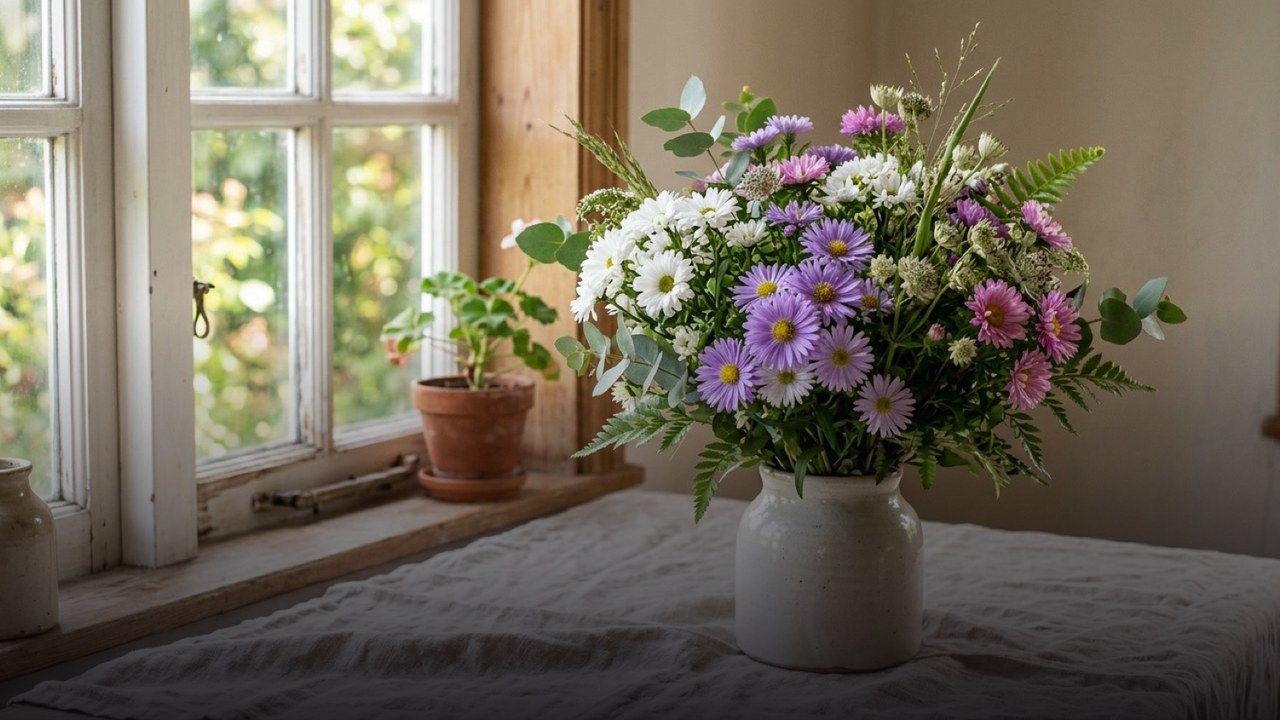
Yes, you can put most cut flowers in cool, clean water; there is usually no need to chill it or add ice. Water at a comfortable room temperature is also a sensible starting point for a mixed bouquet. A clean vase, freshly cut stems and leaves kept above the waterline matter more than making the water very cold.
At Pyat Tsvetov (5 Flowers), customers often ask about water temperature when they want to help a bouquet recover after its journey home. We have been serving customers in Saint Petersburg since 2011, and our practical starting point is to check the flowers, their wrapping and their container before filling a vase. A hand-tied bouquet needs different handling from an arrangement already secured in floral foam. The advice below is for cut stems placed directly in water.
Choose cool water without trying to make it icy
Use fresh drinking-quality tap water that feels cool or neutral to your hand. If the cold tap initially runs warm, let it run until the temperature settles before filling the vase. There is no need to measure an exact temperature for an ordinary mixed bouquet or refrigerate a jug in advance. Avoid hot water as a routine treatment: advice intended for a particular flower or professional conditioning method should not be applied to every stem.
Ice cubes are unnecessary for everyday vase care and make the starting temperature harder to judge. Keep the bouquet away from radiators, strong sunlight and warm appliances instead of repeatedly trying to cool its water. A vase on a sunny windowsill can warm up even when it was filled with cold water that morning. Our guide to water temperature for cut flowers explains when flower-specific advice is more useful than one rule for everything.
Adjust your care to tulips, roses and mixed bouquets
Cool water is a useful starting point for tulips, but it will not make every curved stem stand perfectly straight. Tulips can continue growing and bending in the vase, so give them support with a suitably tall container and leave room for their stems to move. Check the water daily rather than assuming a small amount will last. For a bouquet that is leaning heavily, see our guide to keeping tulips from drooping before attempting a corrective treatment.
For roses and most mixed bouquets, begin with clean, cool or room-temperature water and fresh stem cuts. Do not assume that a drooping rose needs hot water, or that colder water will open a tight bud more quickly. In a mixed arrangement, check that the shortest stems reach the water, since a generous-looking vase can still leave individual flowers dry. If the bouquet comes with care instructions for a particular variety, follow those when choosing water depth and any special treatment.
Bouquets we can deliver




Prepare the vase and stems before arranging
Wash the vase with washing-up liquid, rinse it thoroughly and check the inside for residue from the previous bouquet. A quick rinse is often insufficient when a slippery film remains on the glass. Fill the clean container before cutting the stems so you can place them into water promptly. Choose a vase that holds the bouquet securely without forcing the stems into a tight bundle or crushing delicate foliage against the rim.
Remove leaves that would sit below the waterline, then use a clean, sharp tool to make a fresh cut at the bottom of each stem. Take off enough to remove a dried or damaged end while keeping the length needed for your vase. Avoid smashing or splitting stems as a general remedy, because the extra damage can encourage deterioration. If cut-flower food is supplied, mix it with the amount of water stated on the packet; a stronger solution is not automatically more effective.
Keep the water clean and the level consistent
Check both the water level and its appearance every day, especially during the first day after arranging. Flowers may use water faster than expected, and the shortest stems are the first to lose contact with it as the level falls. Top up with fresh water as needed, using the correct dilution if you are adding flower food. Keep foliage out of the vase water rather than removing only the leaves that have already begun to soften.
Replace water that becomes cloudy or develops an unpleasant smell, and wash the vase before refilling it. Even clear water needs regular renewal; changing it every day or two is a practical household routine unless the supplied care instructions say otherwise. Remove fallen petals and any deteriorating stems so they do not remain among healthy flowers. Avoid adding sugar, bleach, coins or other household mixtures: use a formulated flower food according to its directions, or maintain clean water carefully.
Check the cause of wilting before changing the temperature
When flowers droop, first check whether their stem ends are actually underwater and whether the vase is clean. Lift the bouquet carefully, inspect the lower stems and remove any that have become soft or visibly decayed. Give sound stems a fresh cut and return them to clean water in a cooler part of the room, away from direct heat. Allow time to assess the result rather than repeatedly switching between hot and cold water.
Water temperature cannot reverse every kind of damage, and flowers that have dried out severely or reached the end of their vase life may not recover. Petal damage and a crushed stem also need a different assessment from a bouquet whose vase simply ran dry. If flowers arrive after a cold journey, keep them away from a radiator and avoid using hot water to warm them quickly. Follow any supplied unpacking guidance, and use the condition of the stems and petals to decide what care is appropriate.
Arrange delivery to Russia with care instructions in mind
If you are sending flowers from abroad, choose from our bouquets catalogue and plan for a time when the recipient can receive them and put them in water. We deliver across Russia; city delivery costs 500 RUB, while the operator confirms the price for remote districts and suburbs when confirming the order. In large cities, express delivery is available in 1–2 hours after order confirmation, alongside an exact-time option with a ±30-minute allowance or the windows 09–12, 12–15, 15–18 and 18–21. Orders can be placed 1–30 days ahead, and delivery in Saint Petersburg is available around the clock.
Delivery is anonymous by default, so include your name in the free card text if you want the recipient to know who sent the flowers. The courier calls about 15 minutes before arrival; if the recipient is absent, we agree a second delivery that day or a handover to a neighbour or concierge with the sender's consent. Check delivery and payment when ordering; online checkout uses CloudPayments, and customers paying from abroad should check the options displayed there. For questions about your order, call 8 (812) 507-67-05, and remind the recipient to prepare a clean vase before the bouquet arrives.
Frequently asked questions
Do I put flowers in cold water straight from the tap?
Fresh, cool tap water is a suitable starting point for most cut flowers if it is drinking-quality water. You do not need to chill it further; clean the vase and trim the stems before arranging.
Should I add ice cubes to a vase of flowers?
Ice cubes are unnecessary for routine care. Use cool water and position the vase away from sunlight, radiators and other heat sources.
Is cold water best for tulips?
Cool water is a practical choice for cut tulips, together with a supportive vase and daily water checks. Some bending is normal, so water temperature alone will not keep every stem straight.
Will warm water revive drooping roses?
Changing the temperature alone may not help. First check the water level, wash the vase and recut healthy stems; flowers with severe drying or damaged stems may not recover.
Should I replace cold vase water when it reaches room temperature?
You do not need to replace water simply because it reaches room temperature. Focus on its cleanliness and level, renewing it regularly and sooner if it becomes cloudy or smells unpleasant.
Ready to send a bouquet?
Pick a city, choose the flowers, and we will hand them over with a photo confirmation.
Choose a city →