
Does warm water help flowers bloom in a vase?
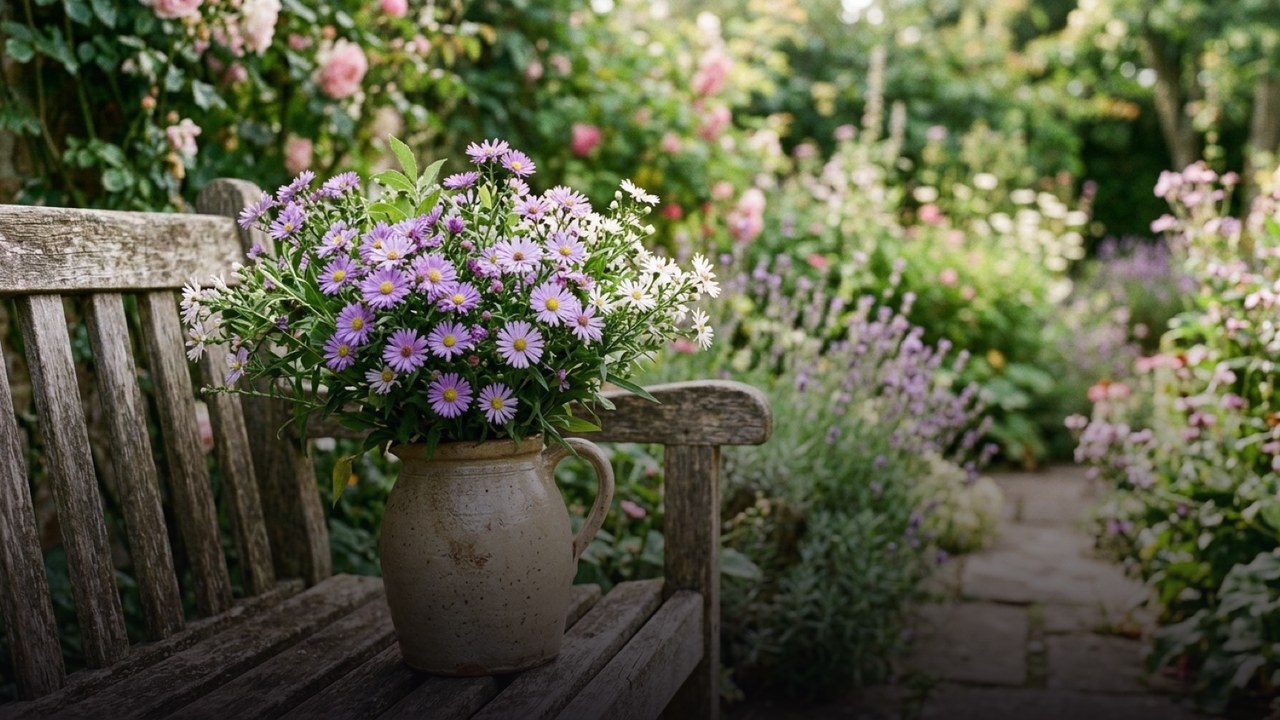
Warm water can help some cut flowers open by supporting hydration, but it cannot make every closed bud bloom. For suitable flowers, gently lukewarm water may help firm, mature buds unfold; hot water can damage stems, and a bud cut too early may never open.
Customers asking about warm water usually want a bouquet to look fuller before dinner, a birthday or a photograph. At Pyat Tsvetov (5 Flowers), with flower shops in Saint Petersburg since 2011, the useful starting point is the flower's condition: a firm closed bud needs different care from a drooping stem. Check hydration, maturity and flower type before trying to speed up opening.
What warm water can—and cannot—do
A cut flower still needs water to keep its tissues firm as its petals expand. Gently warm water may support initial hydration in some flowers, particularly when freshly cut stems have spent time out of water. That makes it a possible care step, rather than a reliable way to schedule flowering. Clean water and an unobstructed stem matter more than chasing a particular temperature.
Opening and reviving are different problems. An upright rose with a firm, loosening bud may simply need time, while a rose with a bent neck may be struggling to take up enough water. Adding warmer water without cleaning the vase or recutting the stem leaves those obstacles in place. Brown, translucent or collapsing petals are not signs that a flower needs more heat.
Warm water also cannot reverse the maturity of a harvested flower. Some buds continue developing well in a vase, but others fail to open if cut before they were ready. Even flowers from the same bouquet may unfold at different speeds. For the broader choice between temperatures, see our guide to warm or cold water for flowers.
How to try lukewarm water without overheating the bouquet
Start with a thoroughly washed vase and fresh water that feels gently lukewarm, never hot. You do not need steam, a kettle or water that feels uncomfortable on your skin. If you are uncertain about the flowers in a mixed bouquet, fresh room-temperature water is a sensible starting point. Keep the flower heads out of the water while preparing the stems.
Use a clean, sharp blade or secateurs to trim the stem ends, avoiding crushing them with blunt scissors. Remove leaves that would sit below the waterline, then place the stems in the vase promptly. Leave enough space for the stems rather than forcing them into a narrow neck. If flower food is supplied, follow its dilution instructions instead of estimating a stronger mixture.
Set the vase somewhere with indirect light, away from radiators, hot appliances and direct sun. Let the water cool naturally; repeatedly topping it up with hot water adds unnecessary stress. Check the water level as the flowers drink, and replace cloudy water after washing the vase. Give the buds time to respond before deciding that they need another intervention.
Bouquets we can deliver




Match the method to the flowers you have
Roses are a common reason people try lukewarm water because a partially opened rose can become noticeably fuller in a vase. Begin with a firm flower head and healthy petals, then recut and hydrate the stem. A tightly closed rose is not guaranteed to open overnight, whatever the water temperature. Our guide to helping roses open in a vase explains the practical steps.
Tulips call for a different approach: use cool, fresh water and keep them away from heat. Their stems can continue growing and bending in a vase, so a changing shape does not automatically mean they need revival. Lilies may open their mature buds gradually, without a warm-water treatment. As lily flowers open, keep their pollen-bearing anthers away from clothing and delicate surfaces.
For a mixed bouquet, choose care that suits the whole arrangement rather than treating every stem as a rose. Flowers already fully open gain little from attempts to accelerate development, while closed buds may need time. Do not pull petals apart to create a fuller outline; bruising can spoil the display. If you separate stems for individual care, use clean containers and return them gently.
Work out why the buds are staying closed
Check the water supply before changing its temperature. A vase can look adequately filled while some shorter stems sit above the surface, especially in a loosely arranged bouquet. Lift the arrangement carefully and check that every cut end reaches water. Recut any stem that has been left dry, remove submerged foliage and put it back into fresh water promptly.
Next, look at the buds themselves. Firm buds with petals beginning to separate have a different outlook from buds that are shrivelled, soft or visibly damaged. Water may improve hydration, but it will not repair injured petals or restore dead tissue. Remove deteriorating flowers so you can judge the condition of the remaining stems without confusing damage with slow opening.
Consider the vase's surroundings as well as the buds. A cool room can slow opening, but moving flowers onto a radiator or into strong sunshine can increase water loss and shorten their useful display. Keep bouquets away from ripening fruit, whose ethylene can hasten ageing in sensitive flowers. Change one care condition at a time so you can see whether hydration and placement are helping.
Plan the display around the occasion
For a meal or celebration, allow time between receiving the flowers and putting them on display. Unwrap them enough to arrange the stems comfortably, prepare the vase and assess which buds are already opening. There is no dependable warm-water timetable that works for every bouquet. If a full appearance matters at a particular hour, the flowers' starting stage matters more than a last-minute treatment.
A bouquet with both open flowers and developing buds can offer an immediate display while continuing to change in the vase. Avoid judging its condition solely by how many flowers are fully open on arrival. Look at firm stems, sound petals and the condition of the buds together. For a gift, a short care message is more useful than telling the recipient that every bud should open by morning.
If you are sending flowers to someone in Russia from abroad, explain the occasion in the free card using your own words. A birthday greeting, anniversary note or simple message of affection makes your intention clear without relying on flower symbolism alone. Delivery is anonymous by default: the courier does not name the sender. Sign the card if you want the recipient to know who sent the bouquet.
Ordering flowers to Russia and choosing the delivery time
You can choose flowers from our bouquets catalogue, and we deliver across Russia. City delivery costs 500 RUB; for remote districts and suburbs, the operator confirms the price when confirming the order. Online checkout uses CloudPayments, so check the payment options displayed there. Acceptance of a particular foreign card should not be assumed.
In large cities, express delivery is available within 1–2 hours after the order is confirmed. Other timing options include an exact time with a margin of plus or minus 30 minutes, or windows of 09–12, 12–15, 15–18 and 18–21. Orders can also be placed 1–30 days ahead, and delivery in Saint Petersburg operates around the clock. Choose a time that gives the recipient an opportunity to put the flowers into water before the occasion.
The courier calls the recipient about 15 minutes before arrival. If the recipient is absent, we agree a second delivery the same day or, with the sender's consent, hand the flowers to a neighbour or concierge. Check delivery and payment information when planning the order. For questions, call 8 (812) 507-67-05.
Frequently asked questions
Does warm water help all flowers bloom?
No. Gently lukewarm water may support hydration and opening in some cut flowers, but the result depends on flower type, maturity and condition. It cannot reliably open immature or damaged buds.
Should I put closed flowers in hot water?
Avoid hot water as a general home treatment because it can damage flower tissues. Begin with a clean vase, freshly trimmed stems and water appropriate to the flowers you have.
Will roses open overnight in warm water?
Some mature rose buds may open further overnight after proper hydration, but there is no guarantee. Their starting stage and condition matter, so avoid relying on warm water for a fixed display deadline.
Should I keep replacing the water to make it stay warm?
No; allow initially lukewarm water to reach room temperature naturally. Focus on maintaining the water level, cleaning the vase and replacing water when it becomes cloudy.
Can I send flowers to Russia with a message?
Yes, we deliver across Russia and include a card with your text for free. The courier does not name the sender, so include your name in the card if you want the recipient to recognise the gift.
Ready to send a bouquet?
Pick a city, choose the flowers, and we will hand them over with a photo confirmation.
Choose a city →