
Eustomos Geles: A Practical Guide to Eustoma Flowers
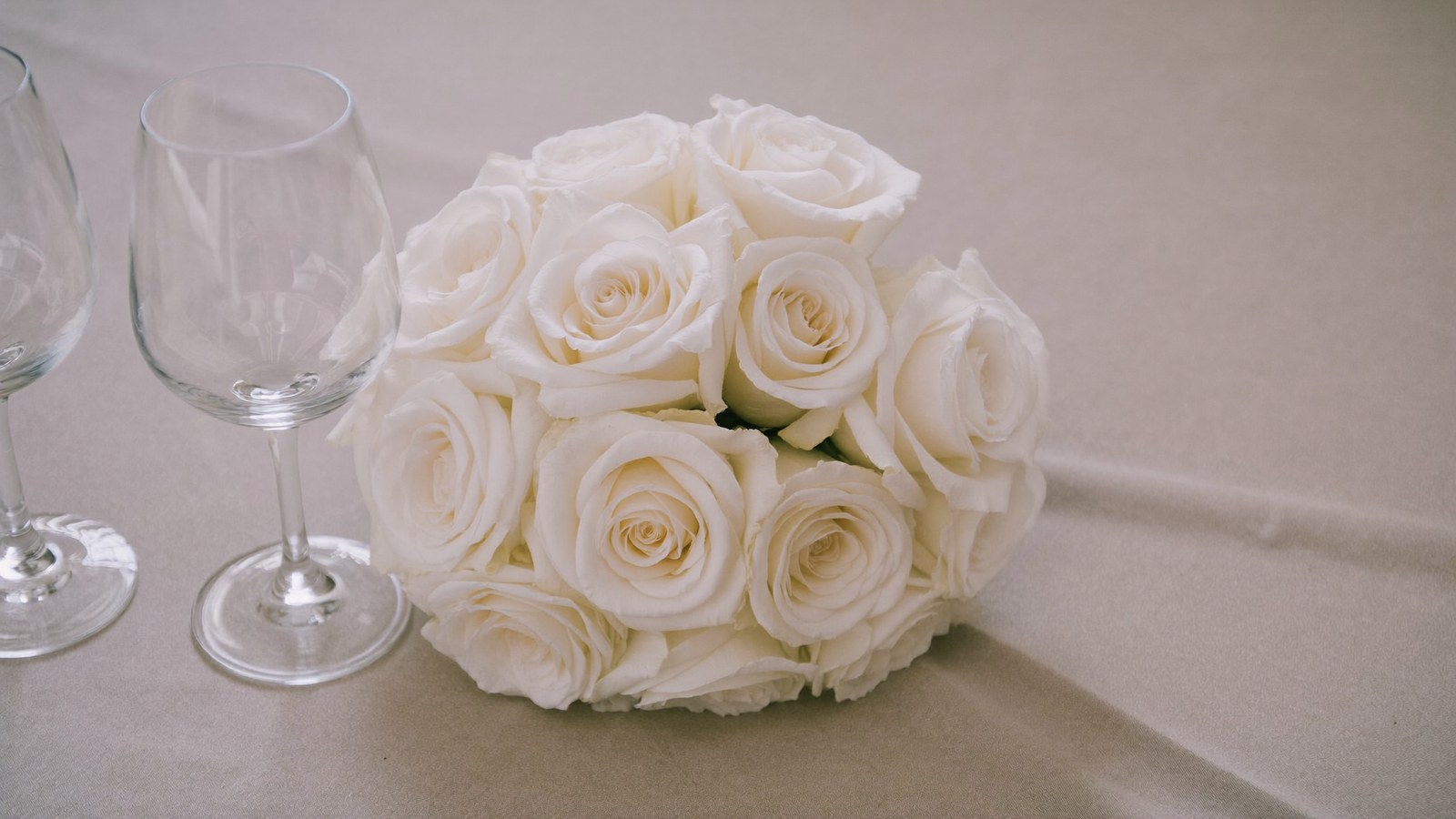
“Eustomos geles” is an unaccented form of the Lithuanian “eustomos gėlės”, meaning eustoma flowers; in English, these flowers are also commonly called lisianthus. They have soft, folded petals, branching stems and several flowers or buds on a stem, making them useful for both airy arrangements and fuller bouquets. If you are choosing flowers for someone in Russia, start with the recipient’s preferred colours, the occasion and where the bouquet will stand.
Customers choosing eustoma often want the softness of a rose-shaped flower with a lighter, less formal outline. At Pyat Tsvetov (5 Flowers), established in 2011 with three flower shops in Saint Petersburg, we approach that choice through practical details: the balance of open blooms and buds, the bouquet’s proportions and the message it should carry. This guide explains how to assess those details, care for cut stems and arrange a delivery to Russia when you are ordering from abroad.
Recognising eustoma and reading a bouquet description
Eustoma can have single flowers with a relatively open centre or double flowers with layers of ruffled petals. Double forms can resemble small roses, while the branching growth gives the whole stem a different silhouette. One stem may carry several flowers at different stages, so stem count alone is a poor way to judge visual fullness. When comparing arrangements, look at the visible open flowers, the overall dimensions and how much space is occupied by foliage or wrapping.
Colour also needs a careful look: white, pink, lilac and purple eustoma can create very different impressions even when the arrangement has the same outline. A photograph is useful for understanding the intended palette, but lighting and screen settings can affect how a shade appears. Read the description alongside the image, particularly if a specific colour matters to the recipient. Start with the bouquets catalogue and check the composition of the individual arrangement before choosing.
Choosing colours and a message without rigid flower symbolism
Eustoma is often associated with appreciation, tenderness and gratitude, but these are customary interpretations rather than a universal language. Pink can suit an affectionate birthday gift, white can feel restrained and elegant, and lilac can appeal to someone who prefers cooler colours. The recipient’s own taste is a stronger guide than a list of symbolic meanings. If they consistently choose bright interiors or clothing, a very pale bouquet may be less personal than a more colourful arrangement.
Consider the occasion as well as the relationship: a gift for a colleague usually benefits from a clear, courteous message, while flowers for a partner can carry a more intimate note. In Russia, an odd number is customary for a small, countable gift of flowers; even numbers are traditionally associated with mourning. Eustoma’s branching stems can make the visible flower count ambiguous, so distinguish stems from individual blooms when discussing a bouquet. A free card with your own words gives the recipient more reliable context than colour symbolism alone.
Bouquets we can deliver




Matching the bouquet to the recipient’s space
A bouquet should work in the place where it will be enjoyed, not just in a photograph. For a desk, bedside table or small dining table, a moderate height and manageable spread can be more useful than a wide arrangement that obstructs the space. Think about whether the recipient has a suitable vase and room for branching stems. Eustoma’s individual flowers look delicate, but the practical requirement is enough space to arrange the stems without crushing the blooms against one another.
An arrangement centred on eustoma draws attention to its petals and buds, while a mixed bouquet can introduce contrasting shapes and a stronger colour accent. Judge the balance rather than assuming that more flower varieties make a better gift. If eustoma is the reason for your choice, it should remain visually noticeable instead of disappearing among larger blooms. Our pink eustoma guide explores one colour family in more detail if you are deciding between a soft pink focus and a broader palette.
Preparing cut eustoma and keeping the vase clean
Begin with a thoroughly washed vase and fresh water, then remove any leaves that would sit below the waterline. Use a clean, sharp blade or secateurs to trim the stem ends before arranging them; avoid crushing the stems with a blunt tool. If cut-flower food is supplied, follow its dilution instructions instead of estimating the amount. Leave enough room between stems for the flowers to sit naturally, and handle the lower stems rather than gripping the petals while adjusting their position.
Check the water level every day and replenish it as needed, since a full-looking vase can still lose water surprisingly quickly. Replace cloudy water promptly, wash the vase and recut the stem ends with a clean tool before returning the flowers. Remove fading blooms and fallen plant material so they do not decay in the arrangement. Keep the bouquet away from direct sun, radiators and ripening fruit; those conditions can shorten its useful display even when the water is maintained carefully.
Understanding buds, fading blooms and realistic expectations
A mixture of open flowers and developing buds is part of eustoma’s appearance, but every bud should not be treated as a promised future bloom. Some may develop in the vase, while very immature buds may remain closed or fade. Open flowers give the immediate decorative effect, so a bouquet intended for a particular celebration should not depend entirely on tight buds for its appearance. Assess what is already open as well as the shape and colour that the buds contribute.
There is no single vase-life figure that can accurately describe every eustoma bouquet in every home. The flowers’ condition on arrival, room conditions and subsequent care all affect how they develop, so a fixed number of days would be misleading. Inspect stems and leaves as well as petals when troubleshooting: submerged foliage and dirty water need attention even if some flowers still look fresh. For plant-growing advice rather than cut-flower care, use our separate eustoma plant guide.
Ordering eustoma flowers for someone in Russia
We deliver flowers across Russia, with city delivery costing 500 RUB; for remote districts and suburbs, the operator confirms the delivery price when confirming the order. Express delivery in large cities is available in 1–2 hours after order confirmation, so count from confirmation rather than from opening the checkout page. Other options are an exact time with a tolerance of ±30 minutes, windows of 09–12, 12–15, 15–18 or 18–21, or pre-ordering 1–30 days ahead. Delivery in Saint Petersburg is available around the clock; check the delivery and payment information when planning.
Prepare the recipient’s address and telephone number, choose a suitable delivery option and add your free card text before completing the order. If you are abroad, make sure the intended date and time refer to the recipient’s city, and check the payment options displayed at checkout, which uses CloudPayments. Delivery is anonymous by default: the courier does not name the sender, and calls the recipient about 15 minutes before arrival. If the recipient is absent, we agree a second delivery that day or handover to a neighbour or concierge with the sender’s consent; questions can be discussed by phone on 8 (812) 507-67-05.
Frequently asked questions
What does “eustomos geles” mean in English?
It is an unaccented version of the Lithuanian “eustomos gėlės”, meaning eustoma flowers. In English, eustoma is also commonly called lisianthus.
Are eustoma and roses the same flower?
No, they are different plants, although double eustoma flowers can resemble small roses. Eustoma commonly carries several flowers and buds on branching stems, which gives bouquets a different shape.
Will all the buds in an eustoma bouquet open?
Not necessarily: some buds may develop after cutting, while immature ones may remain closed. Choose a bouquet with enough open flowers for the effect you want on the day it is given.
Can I order flowers to Russia using a foreign bank card?
Online checkout uses CloudPayments; check the payment options shown there for your order. Acceptance of every foreign-issued card cannot be guaranteed.
Will the recipient know who sent the flowers?
The courier does not name the sender, because delivery is anonymous by default. If you want the recipient to recognise the gift, include your name in the free card text.
Ready to send a bouquet?
Pick a city, choose the flowers, and we will hand them over with a photo confirmation.
Choose a city →