
Flower Delivery in Neryungri: Zones, Timing and What to Expect
Neryungri sits in southern Yakutia at roughly 56 degrees north, and winter temperatures regularly drop below minus 35 Celsius. That single fact changes almost everything about how flowers travel here — which varieties survive the journey, how packaging works, and why timing your order correctly matters more than it does in Moscow or Saint Petersburg. We get calls from Neryungri customers who ordered roses for a birthday and received frozen stems, not because the florist was careless, but because nobody explained the cold-chain rules upfront. This article covers the practical side: which districts we deliver to, realistic delivery windows, which flowers hold up in Yakutian conditions, and the three or four things you should confirm before you place any order.
Which Parts of Neryungri We Deliver To
Neryungri is a compact city by Russian standards, but its residential geography is uneven. The central district around Lenin Square and the main commercial streets is the easiest zone — couriers reach most addresses there within the standard delivery window without complications. The Chulman microdistrict, the northern residential blocks near the railway depot, and the newer housing estates on the city's eastern edge are all within our delivery area, though addresses on the outer edges of these zones may add time to the estimate you receive at checkout. The Chulman settlement, which sits several kilometres from central Neryungri and functions almost as a separate town, is covered but requires a longer travel window, so orders there should be placed with extra lead time. Industrial addresses — offices inside the coal-industry facilities or logistics yards — are handled on a case-by-case basis; if you are ordering to a workplace in one of those areas, note the full gate address and any pass requirements in the comment field when ordering, because a courier who cannot clear a security checkpoint cannot complete a delivery. Residential addresses in the private housing sector on the city outskirts need a precise street number and, ideally, a landmark, since some streets in that zone are not fully mapped in standard navigation apps. Always double-check the address field before confirming: a wrong building number in Neryungri costs far more time than it would in a city with dense courier coverage.
Bouquets we can deliver
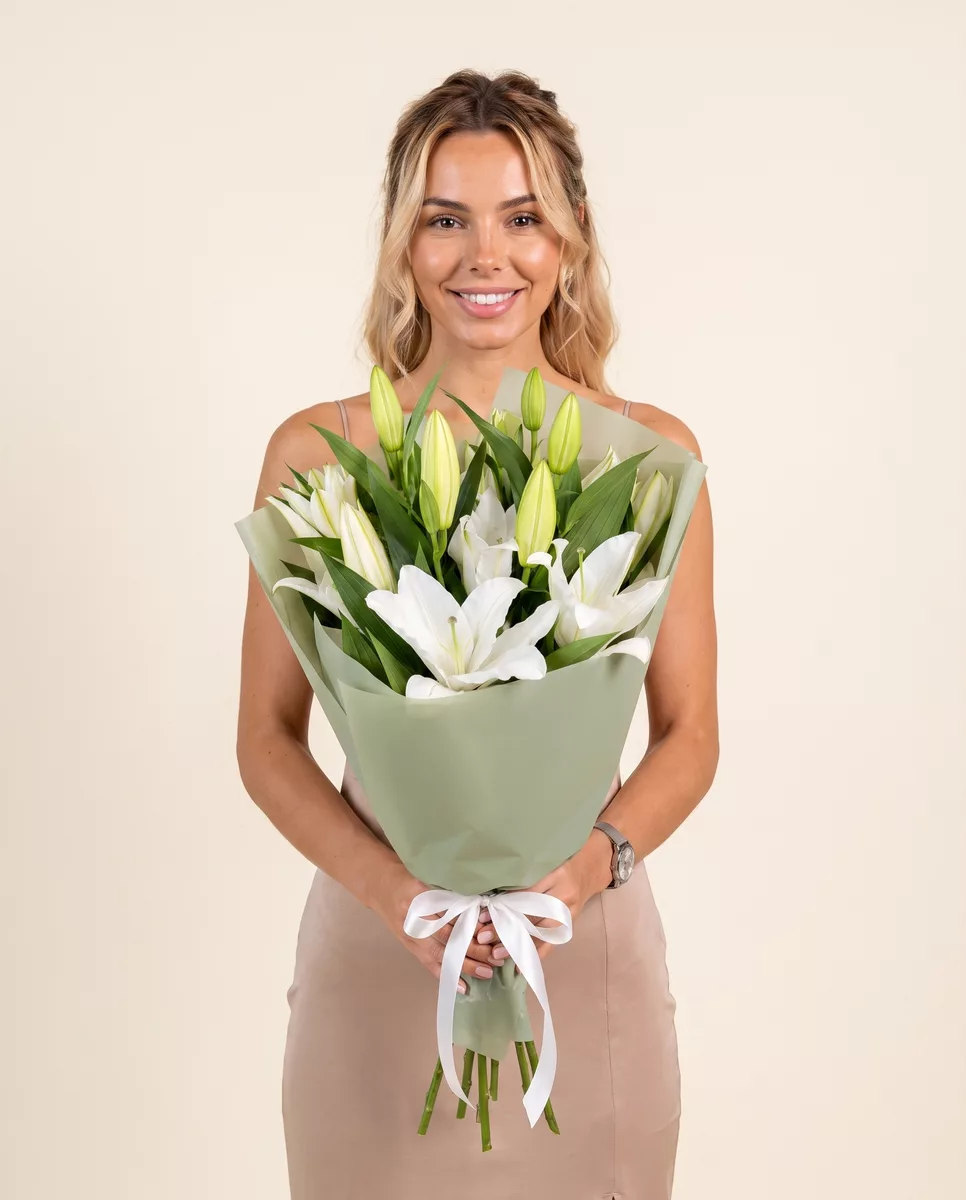
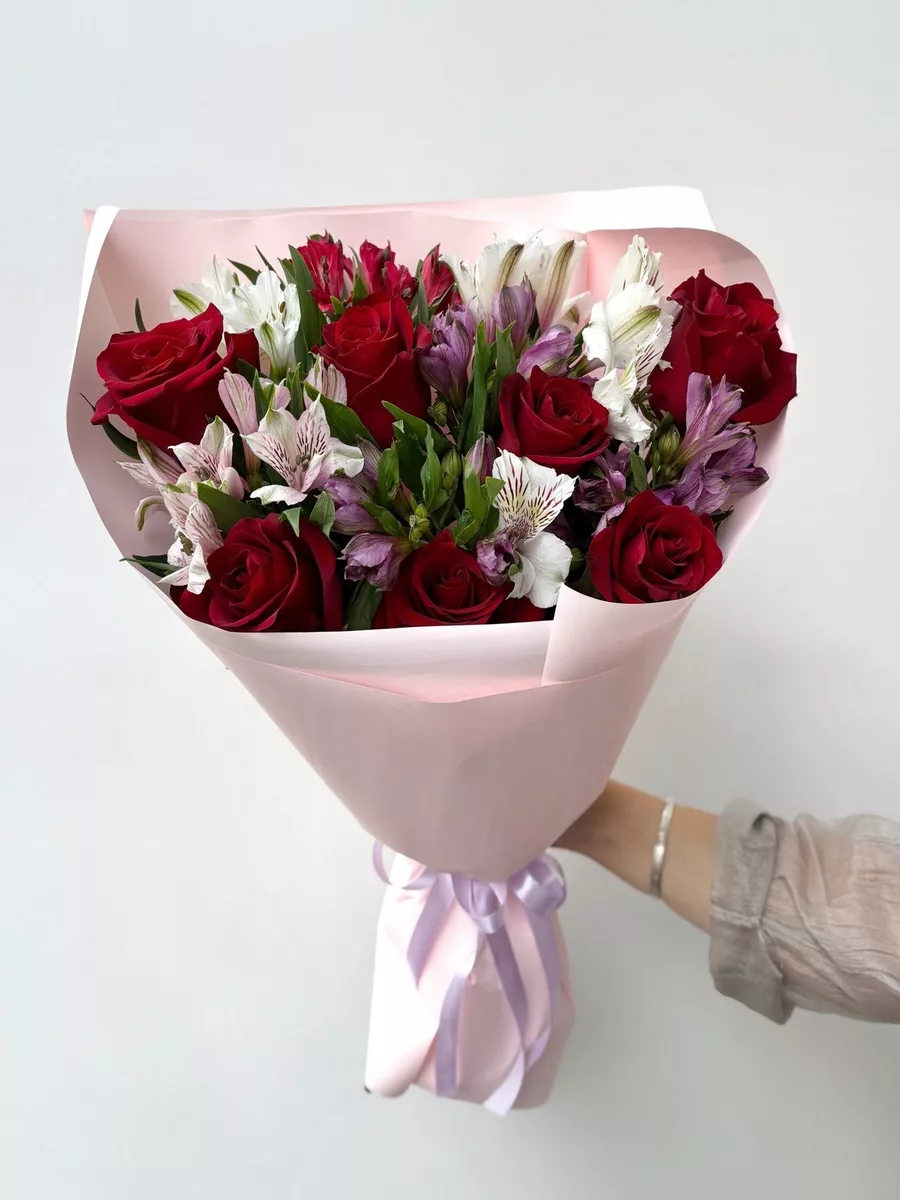
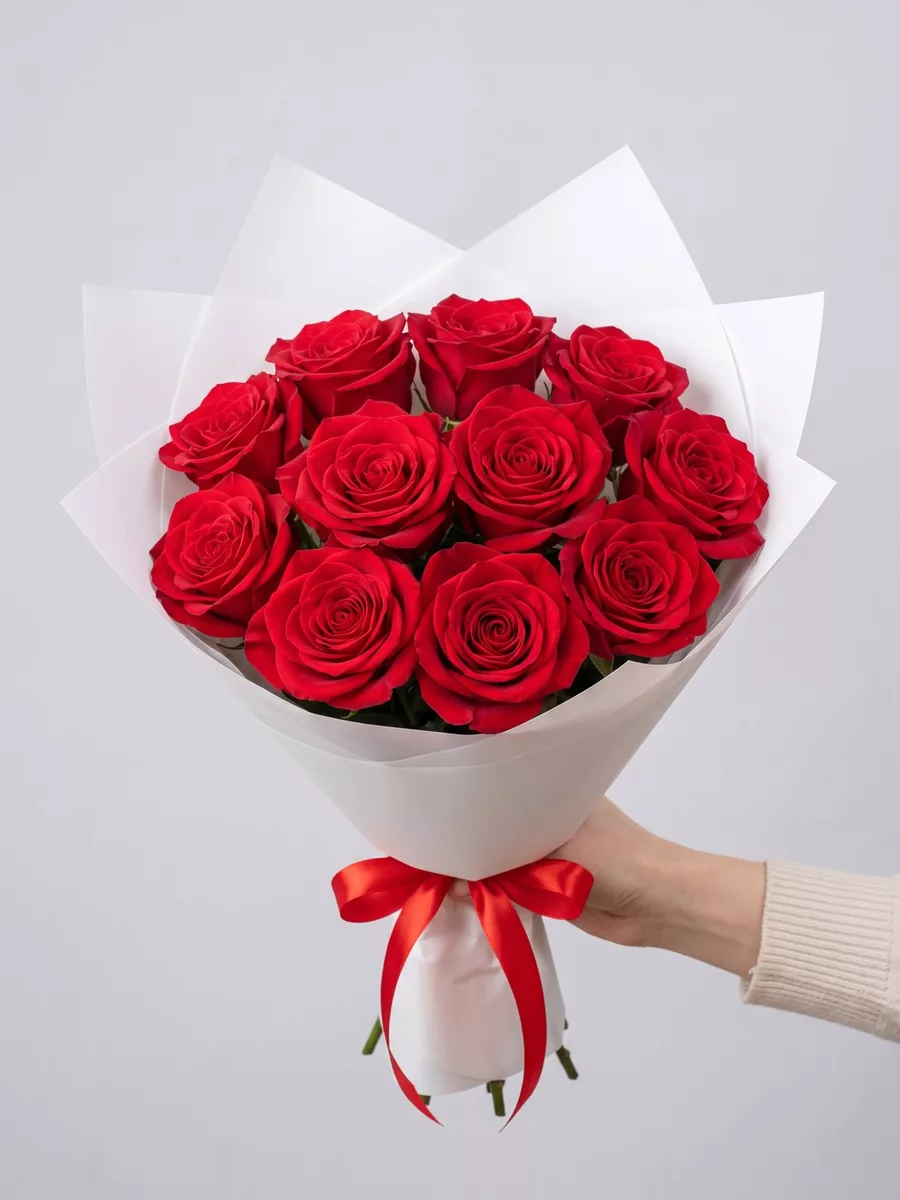

Delivery Timing: What the Windows Actually Mean
Five Flowers advertises a one-to-two-hour delivery window, and in Saint Petersburg that window is largely reliable across most of the day. Neryungri operates on a different rhythm. Because the city is served from a regional fulfilment point rather than a street-corner shop, the practical window for most Neryungri addresses is two to four hours from order confirmation during standard daytime hours. Peak periods — the morning before International Women's Day on March 8, Valentine's Day on February 14, and the days around graduation season in late May and June — stretch those windows further, sometimes to five or six hours, and that is not a failure of the service but a function of order volume across the whole region. The safest approach is to order the evening before for a morning delivery, or at least four hours ahead for same-day. If you need a bouquet to arrive at a specific hour — say, at the start of a birthday dinner at seven in the evening — state that time explicitly in the order comments and call the contact number to confirm it was registered. Do not assume the system default window covers a precise hour. Time zones also catch people out: Neryungri runs on UTC plus nine, which is six hours ahead of Moscow. When you use the website and see Moscow time displayed, add six hours to understand what that means locally. A noon Moscow cutoff for same-day delivery is six in the evening Neryungri time — well past the useful delivery window for most daytime occasions.
Cold Weather and Flowers: The Varieties That Actually Survive
At minus 30 Celsius, an unprotected rose stem freezes solid in under three minutes of outdoor exposure. This is not an exaggeration, and it is the reason variety selection for Neryungri orders matters more than it does for deliveries in warmer cities. Chrysanthemums — both the large-headed santini types and the standard spray varieties — tolerate cold transport better than almost any other cut flower, because their cell structure is denser and they lose moisture more slowly when chilled. Alstroemeria is another reliable choice: the stems are sturdy, the flowers are tightly budded when cut, and they continue opening at room temperature over several days after delivery, which means even a slightly extended journey does not ruin them. Carnations, particularly the standard large-headed varieties, are similarly resilient and hold colour well after cold exposure. Roses can be delivered to Neryungri, but they require full thermal packaging — an insulated box with a heat pack, not just kraft paper wrapping — and the order should specify that you are aware of the cold conditions and want the appropriate packing confirmed. Tulips are the most fragile option in deep winter: they freeze quickly and bruise on thaw. If you are ordering tulips for a Neryungri address between November and March, be explicit about this with customer service and ask whether the current outdoor temperature makes tulip delivery advisable on that specific day. Seasonal flowers that arrive in tight bud — peonies in late spring, sunflowers in summer — travel better than fully open blooms, because the petals have not yet extended and are less vulnerable to mechanical damage during transport.
Packaging for Yakutian Conditions
Standard bouquet packaging — kraft paper, a ribbon, a cellophane sleeve — is designed for temperatures between roughly zero and plus twenty Celsius. Below minus fifteen, kraft paper offers almost no thermal protection, and cellophane becomes brittle and can crack against frozen stems. For Neryungri deliveries in winter, the correct packaging is a rigid insulated box, the kind used for pharmaceutical cold-chain logistics, with a food-safe heat pack placed inside to maintain the interior above zero during the journey from vehicle to door. This adds cost and it adds a few minutes of preparation time, but it is not optional if you want the flowers to arrive in usable condition. When you place an order for a Neryungri address between roughly October and April, confirm in the order comments that you want cold-weather packaging, and verify with customer service that it has been applied to your order before the courier departs. The outer vehicle is heated, so the main risk is the final few minutes of outdoor exposure — from the vehicle to the building entrance, and then from the entrance to the apartment door if the recipient lives in a building with an unheated stairwell, which is common in older Soviet-era housing stock in Neryungri. Ask the recipient to come down to the entrance to meet the courier rather than having the courier climb to the floor, especially in buildings without a working elevator. That small coordination step reduces outdoor exposure time for the bouquet from several minutes to under sixty seconds, which is genuinely the difference between flowers that arrive intact and flowers that do not.
Bouquet Choices That Make Sense for Neryungri
Given the cold-transport constraints, the most practical bouquets for Neryungri are built around the varieties mentioned earlier — chrysanthemums, alstroemeria, carnations — supplemented with greenery that also travels well, such as ruscus, eucalyptus branches, and salal leaves. These are not second-choice flowers; they are the backbone of professional event floristry across Russia and Europe, and a well-composed bouquet of spray chrysanthemums in two or three colours with eucalyptus is a genuinely attractive arrangement that lasts ten to fourteen days in a vase with regular water changes. Mono-bouquets of a single variety tend to travel better than mixed arrangements, because the stems are uniform in length and the packaging can be optimised for one flower type rather than compromised across several. A mono-bouquet of nineteen white chrysanthemums, or twenty-five peach alstroemeria, or fifteen burgundy carnations is a confident, clean gift that holds up in transit. If you want roses specifically — and many customers do, because roses carry clear cultural weight in Russia as a gift for women — order them in tight bud, specify thermal packaging, and choose a delivery window in the middle of the day when outdoor temperatures are at their daily peak rather than first thing in the morning when the cold is most severe. Hat-box arrangements and flower boxes with a foam base travel better than hand-tied bouquets in cold conditions, because the rigid container protects the heads from contact damage during loading and unloading. Ask about box arrangements when you call to confirm your order.
What to Check Before You Confirm the Order
There are four things that cause the majority of delivery problems in Neryungri, and all four are checkable before you click confirm. First, the address: include the street, building number, apartment number, entrance number, and floor. In Neryungri's multi-entrance apartment blocks, the wrong entrance number means the courier is standing at the wrong door while the recipient waits on the other side of the building. Second, the recipient's phone number: the courier needs to call ahead, both to navigate and to ensure someone is home. If the delivery is a surprise, give a number for a family member or colleague who can quietly coordinate without spoiling it. Third, the delivery time window in local Neryungri time, not Moscow time — write it out explicitly in the comments field to avoid any ambiguity from time zone conversion. Fourth, cold-weather packaging confirmation: do not assume it is automatic. Ask customer service to confirm in writing — even a chat message — that insulated packaging with a heat pack has been applied to your specific order. Beyond these four, check whether the building has an entry code or intercom that the courier will need. Many Neryungri apartment buildings have coded entrance doors, and a courier who cannot enter the building cannot deliver the bouquet. Leave the code in the order comments. If anything changes after you place the order — the recipient's location, the delivery time, a phone number — call immediately rather than waiting, because once a courier is dispatched, rerouting takes time that the flowers may not have in cold conditions.
Caring for Flowers After Delivery in Neryungri
The indoor climate in Neryungri homes and offices in winter is relevant to how long flowers last after delivery. Central heating in Russian apartment buildings, particularly in Siberian cities, runs at high intensity from October through April, and indoor air is often very dry — relative humidity of thirty percent or lower is common. Dry air shortens vase life significantly for most cut flowers. When the bouquet arrives, trim the stems at a forty-five-degree angle under running water, removing the bottom two centimetres, and place them immediately in a clean vase with cool water. Do not use warm water, even though the apartment is warm — cool water slows bacterial growth in the stem. Keep the vase away from radiators, which are the primary heat source in most rooms and will desiccate the petals within a day. Change the water every two days and re-trim the stems each time. Chrysanthemums and alstroemeria, the varieties most commonly delivered to Neryungri in winter, will last eight to twelve days under these conditions if the water is changed regularly. Carnations last similarly. If the bouquet came in a foam-based box rather than as a hand-tied bunch, add water to the foam daily — foam dries out faster in low-humidity indoor air than it does in more temperate climates. Flowers that arrive slightly chilled from the journey should be allowed to warm gradually at room temperature; do not place them near a radiator to speed up the process, as the rapid temperature change damages cell walls and causes premature wilting. A windowsill away from direct heat is the best spot for the first two hours after delivery.
Neryungri is one of the more demanding delivery destinations in Russia, not because the city is remote in spirit but because the climate makes every step of the cold chain matter. Order with enough lead time, confirm the packaging, write the full address including the entrance code, and choose varieties that are honest about what Yakutian winter requires of them — and the flowers will arrive in the condition they left the workshop. The occasion, whether a birthday, an anniversary, a professional thank-you, or simply a gesture for someone who lives far from where flowers are easy to find, is worth doing correctly. We deliver bouquets across Russia in 1–2 hours.
Frequently asked questions
Can you deliver flowers to Neryungri in winter when it is minus 30 outside?
Yes, but only with insulated packaging and a heat pack inside the box. The vehicle is heated throughout the journey; the risk is the final minutes of outdoor exposure. Specify cold-weather packaging in your order comments and confirm it with customer service before the courier leaves. Choose chrysanthemums, alstroemeria or carnations rather than tulips or open roses for winter orders.
How far in advance should I order flowers for delivery in Neryungri?
For a specific time slot, order at least four hours ahead during normal days. For peak dates — March 8, February 14, graduation days in late May — order the evening before or even two days ahead. Neryungri is six hours ahead of Moscow time, so check that any cutoff times shown on the website are converted correctly to your local time before you confirm.
Does the Chulman settlement get the same delivery service as central Neryungri?
Chulman is within our delivery area, but it sits several kilometres from the city centre and requires a longer travel window than central addresses. Add extra lead time when ordering to Chulman — treat it as needing at least one additional hour beyond the standard estimate. Include a precise street address and a working phone number for the recipient, as navigation in that area can be less precise.
What happens if the recipient is not home when the courier arrives in Neryungri?
The courier will call the recipient's number before arriving. If there is no answer and no one comes to the door, the flowers cannot be left unattended in winter — they would freeze within minutes. The courier will contact you to arrange a second delivery attempt. To avoid this, give a backup contact number in the order comments, or ask the recipient to confirm they will be available during the delivery window.
Are roses available for delivery in Neryungri, or only cold-tolerant varieties?
Roses are available year-round, but in winter they require full thermal packaging and should be ordered in tight bud rather than open bloom. Request insulated box packaging explicitly when ordering. Schedule delivery for midday when outdoor temperatures are at their daily highest. If you are unsure whether conditions on a specific day make rose delivery advisable, call customer service before placing the order.
Ready to send a bouquet?
Pick a city, choose the flowers, and we will hand them over with a photo confirmation.
Choose a city →