
Flower Delivery in Novokuznetsk: Zones, Timing and What to Expect
People ordering flowers to Novokuznetsk for the first time usually ask the same two questions: how long will it actually take, and will the bouquet still look fresh when it arrives? Both questions have straightforward answers, but getting there requires understanding how delivery in a large Siberian industrial city works in practice — the distances between districts, the seasonal temperature swings, and the specific varieties that hold up reliably on the road. Here is what we know from filling those orders every week.
How Novokuznetsk Is Divided for Delivery Purposes
Novokuznetsk stretches along the Tom River and is split into several distinct administrative districts: Tsentralny, Kuznetsky, Ordzhonikidzevsky, Novokuznetsky, Kuznetsky and the Zavodskoy area, among others. The city is not compact — the distance from the historical centre near Kuznetskaya Krepost to the far reaches of the Novokuznetsky district can exceed 25 kilometres. That geography directly affects how we plan each run. Addresses in Tsentralny and the adjacent Kuznetsky district are the fastest to reach, typically landing within the first hour of the delivery window. Ordzhonikidzevsky and Zavodskoy sit further out and add time, so orders headed there should be placed with a slightly earlier lead time than the standard window. When you fill in the address at checkout, the system reads the district and adjusts the estimated arrival accordingly. If the street name sounds unfamiliar to you — common for people sending flowers from another city — just write the full postal address including the district name in the comments field. Our couriers know Novokuznetsk well, but a complete address removes any ambiguity and prevents the kind of delay that happens when a building number exists in two different districts under the same street name, which does occur in older parts of the city.
Bouquets we can deliver
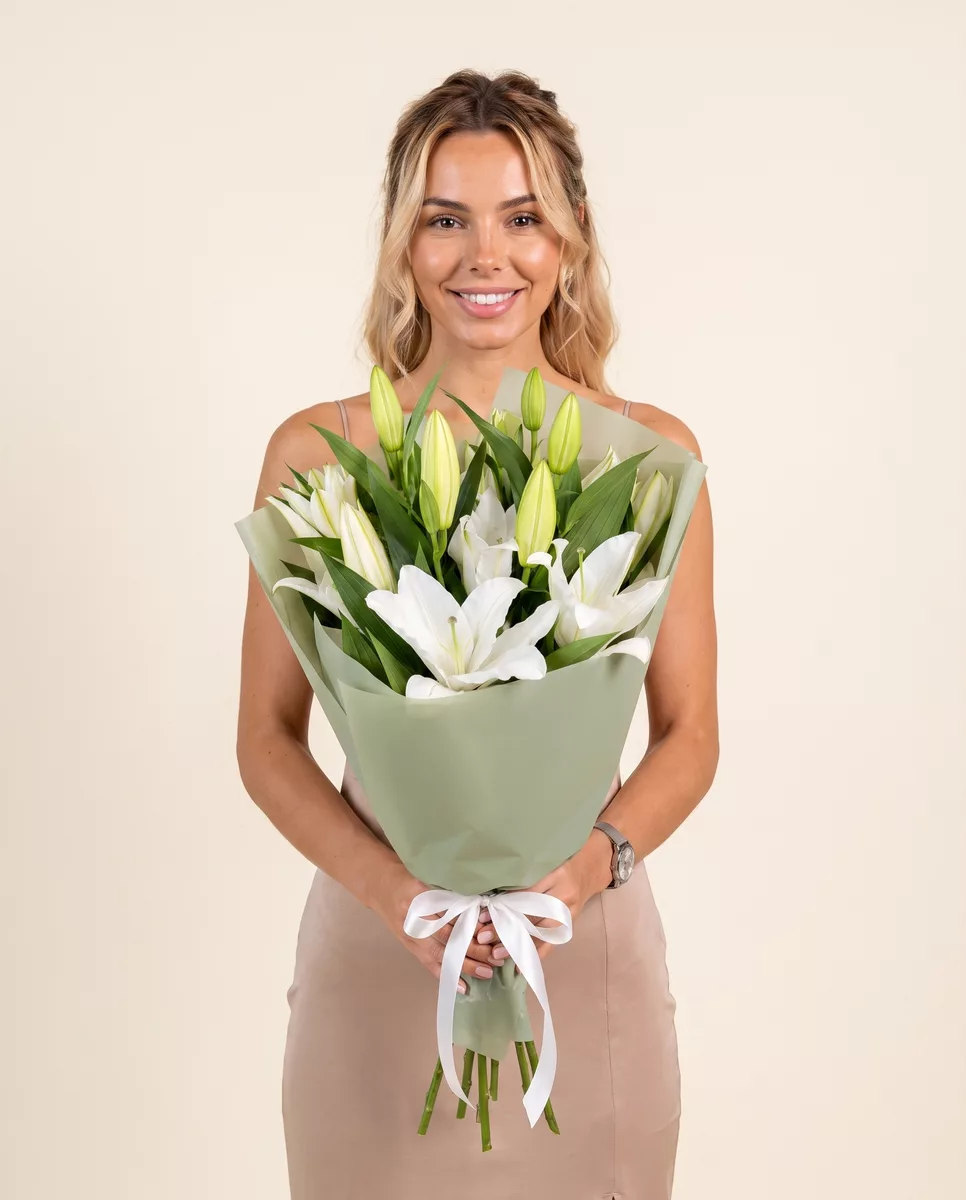
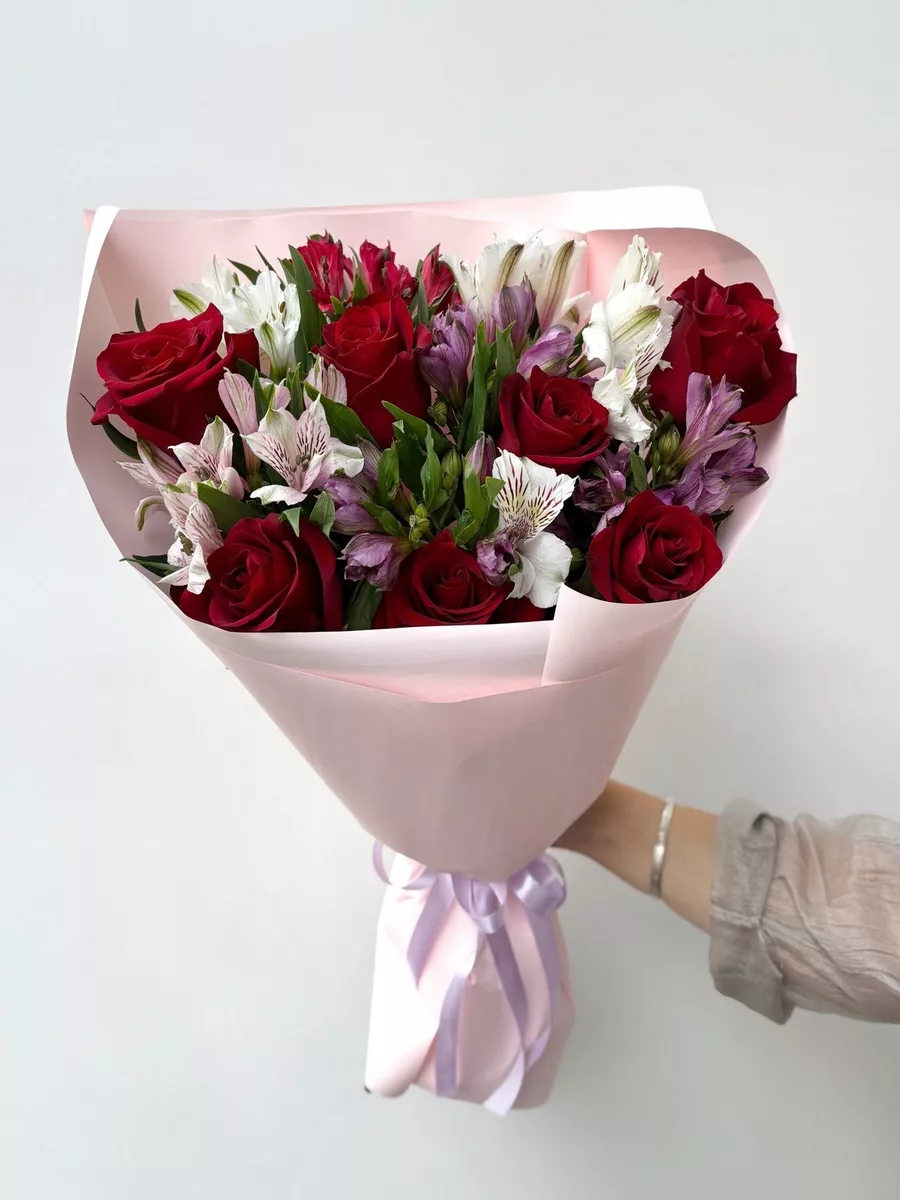
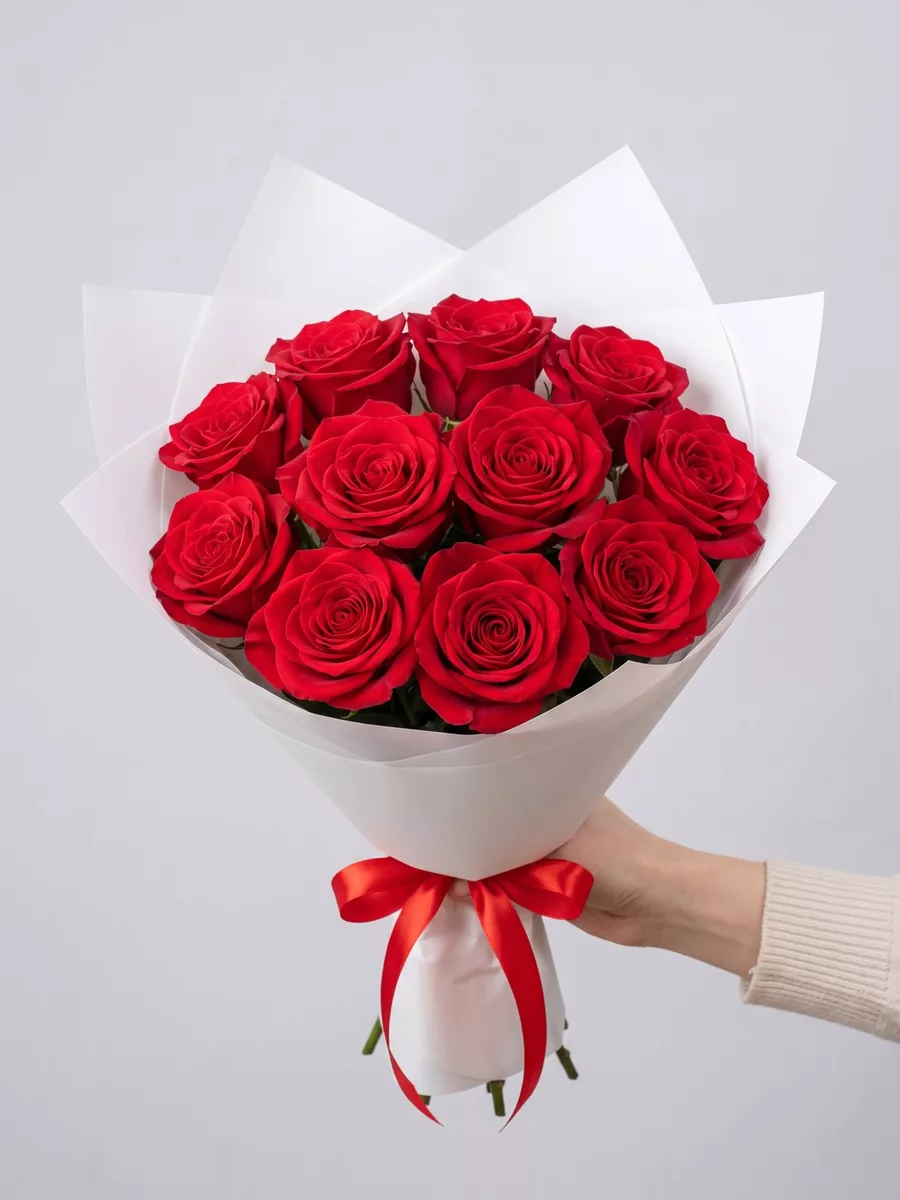

Realistic Timing: What 1–2 Hours Means in Practice
The 1–2 hour window is the standard we work to, and in most Novokuznetsk districts it holds. The practical meaning of that window is this: once your order is confirmed and the bouquet is assembled, a courier departs. In central districts the first hour is achievable on most days. In peripheral areas, or during peak demand on dates like March 8th or February 14th, the realistic expectation shifts toward the second hour. On major flower-giving dates in Russia — International Women's Day on March 8th is by far the busiest — we recommend ordering at least three to four hours ahead of the time you want delivery to arrive. The Russian custom of giving flowers on these dates is widespread and intense; florists across the country see order volumes that are genuinely three to five times a normal day. Novokuznetsk follows the same pattern. Outside of peak dates, same-day delivery placed before mid-afternoon is comfortable to fulfil. Evening deliveries, meaning arrival after 8 p.m., need to be confirmed at the time of ordering since courier availability varies. The recipient does not need to be home in every case — many customers arrange to leave the door code and ask us to leave the bouquet with a neighbour or building concierge, which works fine for hardier arrangements but is not ideal for delicate open blooms that need water quickly.
Siberian Temperatures and How They Affect Your Bouquet
Novokuznetsk winters are serious. January averages around minus 17 to minus 20 degrees Celsius, and short cold snaps can push well below minus 25. That temperature range is damaging to cut flowers within minutes of unprotected exposure. We wrap every winter bouquet in insulating kraft paper with an inner layer that slows heat loss, and the courier carries bouquets in an insulated bag rather than an open vehicle bed. Even so, customers should know that the moment of handover — the walk from the courier's bag to the front door — is when the flower is most vulnerable. Roses and tulips show cold damage as translucent, water-soaked patches on the petals; chrysanthemums and spray carnations are noticeably more tolerant of brief cold exposure. If you are ordering in January or February and the recipient lives in a building with a long outdoor path from the gate to the entrance, it is worth noting that in the comments. In summer, the concern flips: Novokuznetsk July temperatures reach 25–30 degrees Celsius, and a bouquet sitting in a warm car without climate control deteriorates quickly. We time summer runs to minimise the gap between assembly and delivery, and we condition flowers in cool water for several hours before packing. Peonies and garden roses, which are popular in June and July, are particularly sensitive to heat and should be ordered for morning or early afternoon delivery in warm months.
Which Varieties We Recommend for Novokuznetsk Delivery
Not every flower that looks beautiful in a shop photograph is a good candidate for a long-haul delivery to a Siberian city. We are honest about this. Roses — specifically large-headed varieties like Explorer, Mondial and Avalanche — travel well because their petals are dense and they hold water efficiently in a wet wrap. Standard spray roses are similarly robust. Alstroemeria is an excellent choice for Novokuznetsk delivery: the buds are closed or semi-open at dispatch, which means the flower is structurally protected, and it continues opening beautifully for ten days or more after arrival. Chrysanthemums, both single-headed and spray types, are among the most cold-tolerant cut flowers we work with and are a reliable pick for winter orders. Eustoma, sold under the name lisianthus in many shops, is another strong traveller — the layered petals protect the inner bud and the stems are sturdy. What we caution against for long or winter deliveries: open garden roses with very large, loose blooms, fully open peonies, and delicate single-stem flowers like anemones that bruise easily in transit. If you have your heart set on peonies, order them in bud stage and specify that in the comments — we will select stems that are tight enough to survive the journey and open at the recipient's home over the following day or two. Tulips are fine in cold months but need immediate water on arrival.
Common Ordering Mistakes and How to Avoid Them
The most frequent problem we see is an incomplete address. Novokuznetsk has a significant number of new residential complexes built in the last decade, and many of them have building numbers that are not yet in standard mapping databases. If the address includes a corpus number, a stroenie designation, or a specific entrance number, write all of it. The second common mistake is not specifying the recipient's phone number. Our courier will call ahead to confirm arrival time, and without a working local number the delivery can stall at the building entrance, particularly in gated residential complexes that have become common in newer parts of the city. A third issue is assuming that a bouquet ordered for a specific time will arrive at exactly that minute. We work to a window, not a precise minute, and traffic on the main arteries — Kirova Avenue and the bridge crossings over the Tom are the typical bottlenecks — can add fifteen to twenty minutes unpredictably. Build a small buffer into your requested time. Finally, customers sometimes order a bouquet without checking whether the recipient has a vase. This sounds trivial but matters practically: a large forty-stem rose arrangement needs a tall, wide-mouthed vessel, and not every apartment has one. We can include a vase in the order, and for recipients who are likely to be caught without one, this is worth adding.
What Happens After the Bouquet Is Delivered
Care instructions after delivery are part of what we tell every customer, because the quality of the first two hours at the recipient's home determines how long the bouquet lasts. The stems should be cut at a 45-degree angle under running water or while submerged — this prevents an air bubble from blocking water uptake, which is the single most common reason flowers wilt faster than expected. The vase water should be cool and changed every two days. Flowers should be kept away from direct sunlight, heating radiators and draughts; in a Novokuznetsk apartment in winter, the radiator issue is real since Russian central heating runs hot and the air near radiators is very dry. Roses and alstroemeria benefit from having lower leaves removed so that no foliage sits in the water, which slows bacterial growth. For customers who want to send a second bouquet — which happens more often than you might expect, for week-long celebrations like birthdays that stretch across several days — we can schedule a follow-up delivery in advance. Novokuznetsk recipients sometimes receive a first bouquet on the day of the occasion and a second, smaller arrangement two or three days later when the first has begun to fade. This approach, which is not unusual in Russian gift-giving culture, keeps fresh flowers in the home for a full week and costs less overall than one very large single arrangement.
Ordering flowers to Novokuznetsk from another city is straightforward once you understand the geography, the seasonal conditions, and which varieties are genuinely suited to the journey. The practical steps are simple: use the full address with every detail, include the recipient's phone number, choose varieties that travel well for the season, and place your order with enough lead time to account for the distance to the specific district. We handle the assembly, the cold-weather wrapping, and the courier logistics — what we need from you is accurate information and a realistic delivery window. The bouquet that arrives should look the way it looked when we packed it, and with the right choices, it will. More on this in Same-Day Flower Delivery in Russia: What Is Realistic. We deliver bouquets across Russia in 1–2 hours.
Frequently asked questions
Can you deliver flowers to Novokuznetsk on the same day I order?
Yes, same-day delivery is available for most Novokuznetsk districts when orders are placed before mid-afternoon. For addresses in peripheral districts like Novokuznetsky or far parts of Ordzhonikidzevsky, placing the order at least three hours before your target arrival time gives us the most comfortable window to work with.
What flowers survive the cold Novokuznetsk winter best?
Chrysanthemums, spray carnations and alstroemeria are the most cold-tolerant options for winter delivery. Dense-petalled roses such as Avalanche and Explorer also travel well when properly wrapped. We insulate every winter bouquet, but choosing a structurally robust variety adds an extra layer of protection during the handover moment outdoors.
Do I need to be home to receive the delivery?
Not necessarily. Many recipients arrange for a neighbour, building concierge or security desk to accept the bouquet. If you use this option, leave clear instructions in the order comments and make sure the alternative recipient knows to place the flowers in water immediately — this is especially important for open roses or tulips that need hydration quickly.
Why does the address matter so much for Novokuznetsk delivery?
Novokuznetsk is a large city with districts that are far apart, and many newer residential complexes have building numbers or corpus designations that do not appear in standard maps. A complete address — street, building number, corpus, entrance and apartment — allows the courier to navigate directly without calling for directions, which keeps the delivery on schedule.
Can I order peonies for delivery to Novokuznetsk in summer?
Yes, but specify in the comments that you want buds rather than open blooms. Fully open peonies are fragile in transit and suffer in summer heat. Tight buds arrive safely and open over the following day or two at the recipient's home, which actually makes for a more lasting gift. Morning delivery slots are also better for peonies in warm weather.
Ready to send a bouquet?
Pick a city, choose the flowers, and we will hand them over with a photo confirmation.
Choose a city →