
Flower Delivery in Spassk-Dalny: Zones, Timing and Prices
Spassk-Dalny sits in Primorsky Krai, roughly 200 kilometres northeast of Vladivostok, and customers ordering flowers here ask the same questions every week: how long will it actually take, will roses arrive open or tight, and what happens if the recipient is not home. This article answers those questions directly, with real varieties, realistic timing and the details that determine whether a bouquet lands well or lands badly.
Where We Deliver in Spassk-Dalny and the Surrounding Area
Spassk-Dalny is a compact city of around 40,000 residents, and its street grid is straightforward enough that we cover the central districts, the residential mikrorayony along Ulitsa Lenina and the northern residential blocks near the railway station without splitting into separate zones. The industrial outskirts toward the cement plant and the scattered settlements beyond the city boundary are a different matter: delivery there requires a confirmed address, a working gate code if applicable, and a phone number the recipient actually answers. We do reach the villages immediately adjacent to the city, but timing extends and customers should account for that when choosing a bouquet. Flowers that hold shape over a longer transit — spray roses, alstroemeria, chrysanthemum pompons, carnations — are a better choice for outlying addresses than open garden roses or sweet peas, which are sensitive to time in transit. The Primorsky Krai climate adds a variable that does not exist in central Russia: summer humidity here is high, and in July and August condensation inside packaging can accelerate petal damage on thin-petalled flowers like ranunculus. In winter, temperatures drop sharply, and bouquets need proper insulation wrapping for any journey longer than fifteen minutes in open air. When you place an order, stating the exact district or nearest landmark speeds up routing and reduces the chance of a courier making a wrong turn on streets where numbering is not always sequential.
Bouquets we can deliver
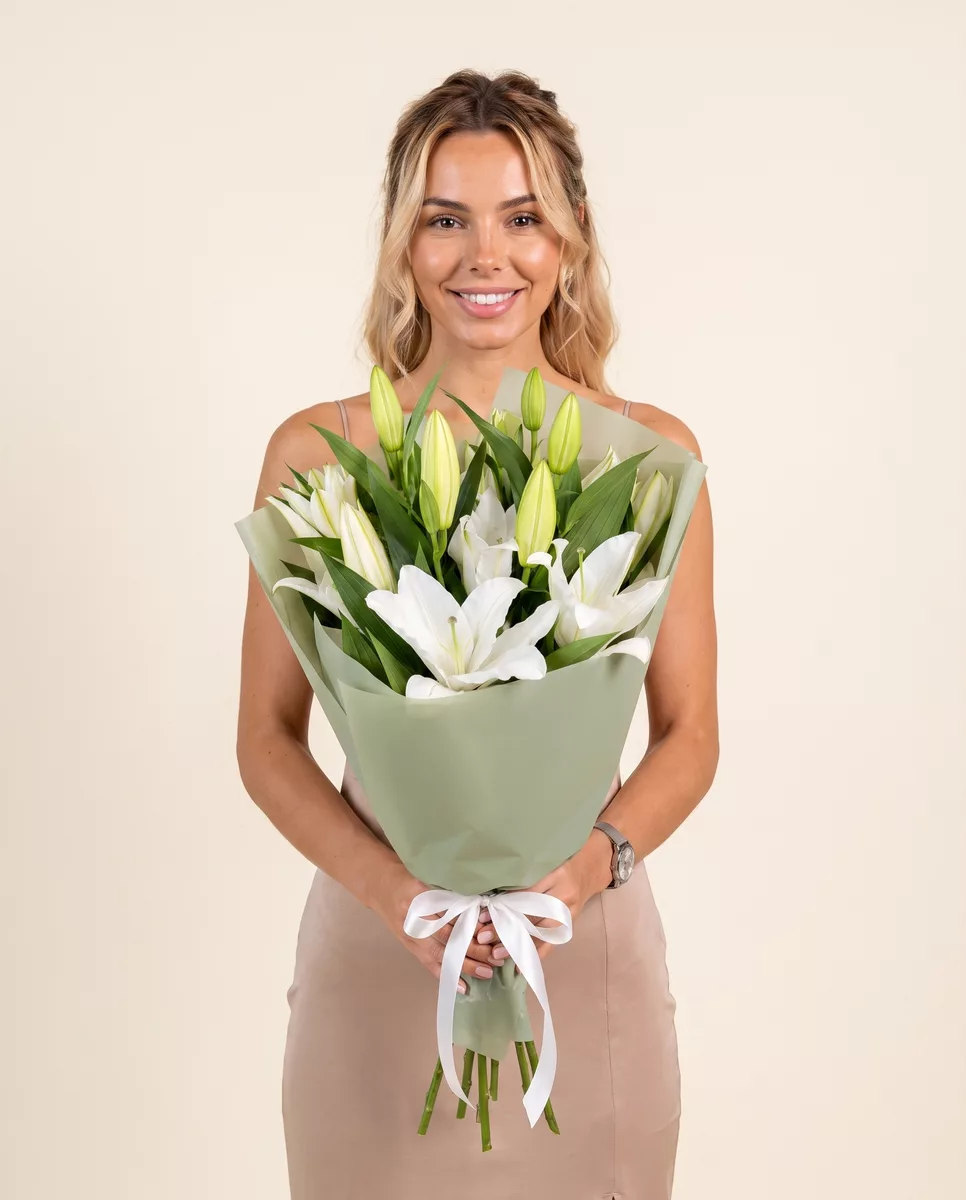
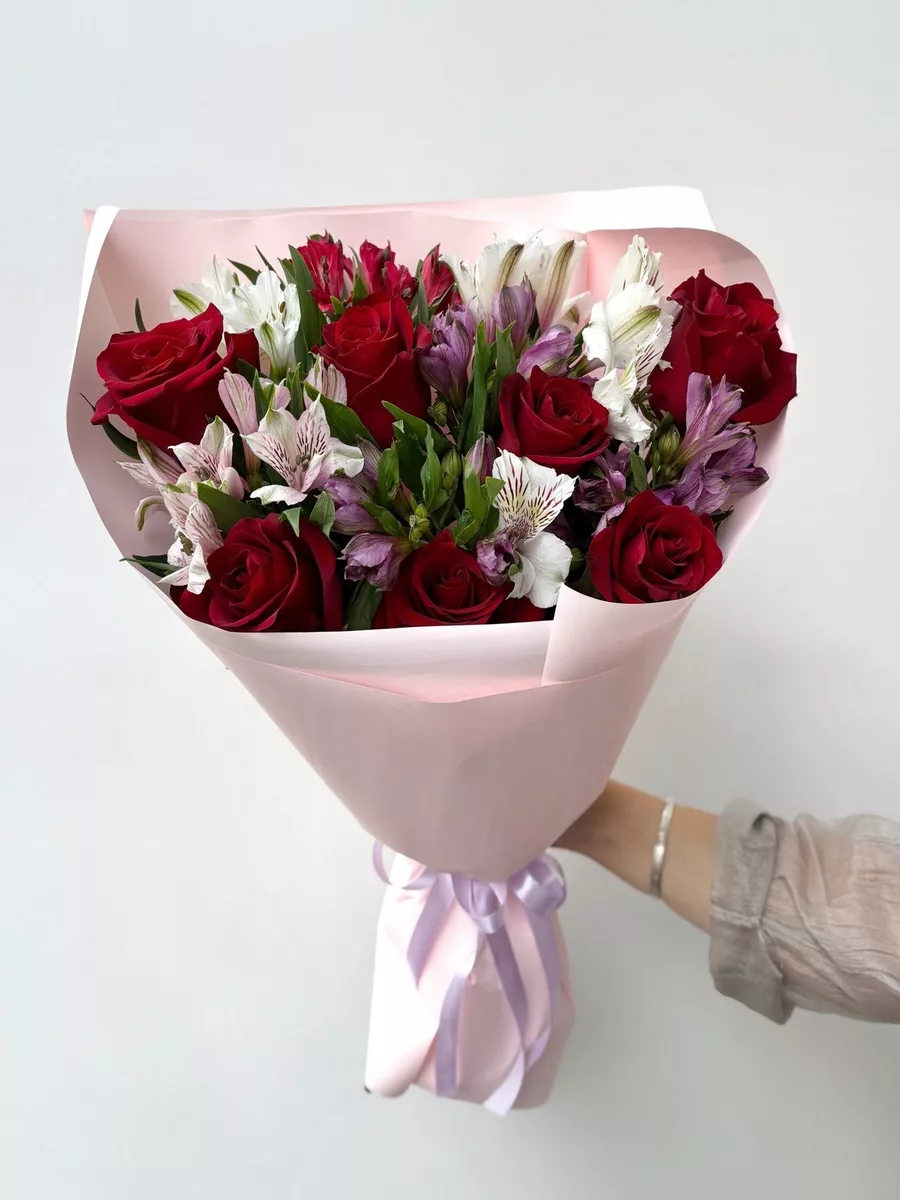
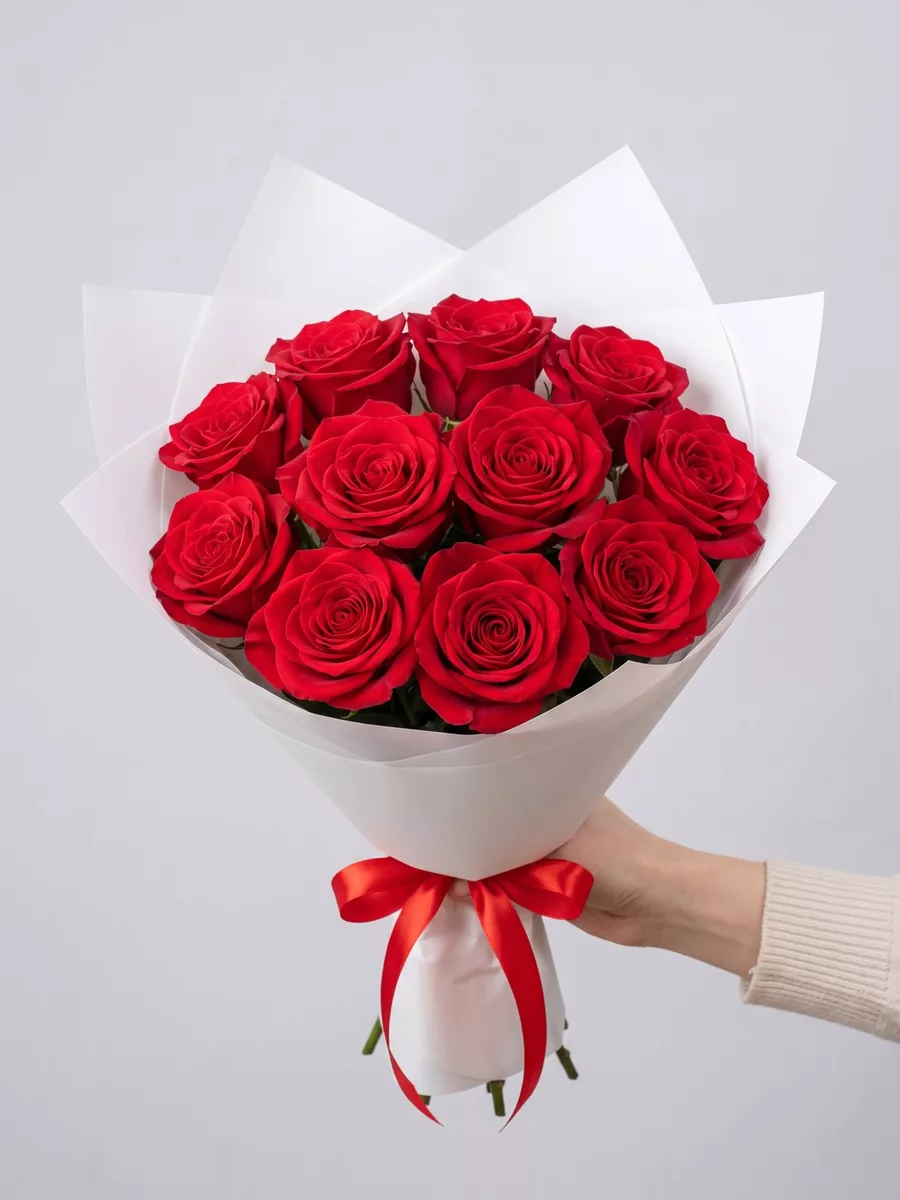

Typical Delivery Windows and What Affects Them
The standard window we quote for central Spassk-Dalny is one to two hours from the moment the order is confirmed. That figure holds on a normal weekday when the bouquet you have chosen is already assembled and the address is clear. It does not hold on 8 March, 14 February or 1 September, when order volume across Primorsky Krai spikes and every florist in the region is working at capacity. On those dates, customers who order before noon have a reasonable chance of same-day delivery; customers who order after 16:00 should plan for the following morning. Time zones matter here more than in any other part of Russia: Spassk-Dalny runs on UTC+10, which is seven hours ahead of Moscow. When you are calling or ordering from European Russia, the city may already be in the late evening, and a bouquet you expect to arrive at lunchtime Moscow time will arrive at the recipient's door well after dinner local time. The order form on the site uses local Spassk-Dalny time for the delivery slot, so read it carefully before confirming. Road conditions also shift timing in winter. The road network in Primorsky Krai is subject to ice and occasional closures after heavy snowfall, and a delivery that would take thirty minutes in October can take twice as long in January. We factor this into our estimates, but building in an extra hour of buffer on winter orders is a straightforward way to avoid disappointment.
Which Flowers Travel Well to Spassk-Dalny
Not every variety is equally suited to a long or complex delivery route. Roses are the most commonly ordered flower in Russia, and they work well provided they are cut correctly and hydrated before dispatch. We use roses in bud rather than full bloom for any delivery that involves more than forty minutes of transit, because a bud that opens in the recipient's home over twelve to twenty-four hours is far more impressive than a fully open flower that bruises in transit. Ecuadorian large-headed roses — varieties like Explorer, Mondial and Red Naomi — hold structure better than thinner-stemmed garden varieties and are a reliable choice for Spassk-Dalny orders. Spray roses are even more forgiving: their smaller heads lose moisture more slowly, and a bunch of peach or white spray roses will look fresh six hours after cutting if kept away from direct heat. Alstroemeria is the most practical flower for uncertain timing: it is almost indestructible in transit, comes in a wide colour range and lasts two weeks in a vase without special treatment. Chrysanthemums, both single-headed and pompon, share this durability. What travels poorly: tulips, which wilt quickly above 20 degrees Celsius; open peonies in summer, which shed petals at the slightest vibration; and any flower that has already been in a shop vase for more than three days. We cut and condition flowers before dispatch, and the customer does not need to recut stems on arrival, though placing them in fresh water immediately does extend vase life.
Bouquet Sizes and Composition That Make Sense for This City
Spassk-Dalny is a working city, not a tourist destination, and the gift culture here follows the same patterns as the rest of provincial Russia. Round numbers matter: bouquets of 11, 15, 21, 25 or 51 stems are the norm for celebrations, because odd numbers are considered appropriate for living recipients and even numbers are reserved for mourning occasions. A customer who orders a ten-stem bouquet is not making a cultural mistake that will offend anyone, but the recipient may notice, and it is worth knowing the convention. For a birthday or anniversary, a mixed bouquet of roses and alstroemeria in the 15 to 25 stem range is the most universally well-received option. For a teacher or colleague, a neat arrangement of chrysanthemums or spray roses in a single colour reads as thoughtful without being extravagant. For a romantic occasion, a mono-bouquet of roses — all one variety, all one colour, stems at the same height — is considered more sophisticated than a mixed arrangement. Greenery is a matter of taste: ruscus, pittosporum and eucalyptus are the most common filler greens, and they add volume without competing with the flowers. Customers sometimes ask for no greenery, which is fine; it changes the silhouette of the bouquet but not its quality. Packaging in Spassk-Dalny follows the same standard as the rest of our deliveries: kraft paper or matte film wrap, a ribbon, and a moisture-retaining base on the stems for transit. A card with a handwritten message can be included; the text is taken from the order form.
What Happens When the Recipient Is Not Home
This is the situation that generates the most follow-up calls. In Spassk-Dalny, as in most Russian cities outside the major metropolitan centres, intercom systems in apartment buildings vary widely: some work reliably, some have been disconnected, and some require a code that the sender does not have. The single most important thing a customer can do before placing an order is confirm that the recipient will be at the address during the delivery window, or provide a mobile number that the recipient will answer. Our courier will call ahead when approaching the address. If there is no answer at the door and no response to the call within ten minutes, the courier will attempt a second call and wait a reasonable period before returning the bouquet. A returned bouquet is not a failed bouquet: we will redeliver once the recipient confirms availability, and the flowers will be refreshed if needed. However, flowers that have been in transit twice in warm weather will have a shorter vase life, and customers should understand that this is a consequence of the missed delivery rather than a quality issue. For surprise deliveries — which are common and entirely manageable — the sender should give us a neighbour's number, a building manager contact, or confirm that the recipient's building has a working intercom. Leaving a bouquet with a neighbour is possible if the sender requests it in the order notes. We do not leave flowers unattended at a door in summer, because heat damage in direct sunlight can ruin a bouquet within an hour.
Seasonal Considerations in Primorsky Krai
Primorsky Krai has a monsoon-influenced climate that differs sharply from European Russia. Summers are warm and humid, with July and August bringing heavy rainfall and temperatures that regularly reach 28 to 32 degrees Celsius. This is the hardest season for flower delivery: heat and humidity together accelerate bacterial growth in stem water and cause petals to soften faster than they would in a dry continental climate. We adjust our conditioning process in summer — stems are cut shorter to reduce the distance water must travel, and packaging is designed to allow some airflow rather than trapping heat. Customers ordering in July and August should choose hardy varieties: carnations, alstroemeria, spray roses and tropical flowers like anthuriums or strelitzia, which are genuinely adapted to warm conditions. Autumn in Spassk-Dalny arrives quickly: by October, temperatures drop to single digits at night, and by November frost is common. This is actually a good season for flowers in transit because cool air slows deterioration. Winter orders require insulated packaging, and we use thermal wrapping on any bouquet travelling more than twenty minutes in temperatures below minus five Celsius. Spring, particularly May, is the most popular month for flower orders after the March holidays, and dahlias, tulips and seasonal peonies become available as domestic growing regions come into production. Customers who want specific seasonal varieties should order two to three days in advance in spring, because supply from domestic growers can be unpredictable and we do not substitute without asking the customer first.
What to Check Before Confirming Your Order
Four things determine whether a delivery goes smoothly or generates a problem call. First, the address: in Spassk-Dalny, building numbers and apartment numbers are sometimes separated by a slash in local notation, and entering only the building number without the apartment number means the courier has to guess or call. Write out the full address including the apartment number, floor if it helps, and any entry code. Second, the delivery time slot: remember that the site uses local Spassk-Dalny time, which is UTC+10. A customer in Moscow ordering at noon is ordering at 19:00 local time, and a same-day evening delivery may not be possible depending on order volume. Third, the recipient's phone number: this is not optional for Spassk-Dalny deliveries. Without it, a missed intercom call becomes a failed delivery with no recovery option. Fourth, the bouquet composition relative to the season: if you are ordering in July and you want open garden roses, ask us first whether we can guarantee their condition on arrival, because an honest answer is better than a disappointing bouquet. Customers sometimes add a note asking the courier not to call the recipient in advance because it is a surprise. This is possible, but it increases the risk of a missed delivery. If you choose this option, have a backup plan — a neighbour, a family member in the same building, or a confirmed time when the recipient will definitely be home. The order confirmation email contains all the details you have entered; reading it once before closing the tab catches most mistakes before they become problems.
Flower delivery in Spassk-Dalny works reliably when the address is complete, the recipient's phone is reachable and the bouquet is matched to the season and transit time. The city's location in the Russian Far East means time zone awareness is not a detail but a necessity, and the Primorsky Krai climate means variety choice matters more here than in most other Russian cities. Customers who provide accurate information and choose varieties suited to the conditions consistently get results they are satisfied with. Those who treat the delivery like an order to a Moscow address without adjusting for the distance and climate occasionally run into problems that are straightforward to avoid. We deliver bouquets across Russia in 1–2 hours.
Frequently asked questions
Can I order flowers to Spassk-Dalny from Moscow or another city in European Russia?
Yes. Place the order on the Five Flowers site and select a delivery slot in Spassk-Dalny local time, which is UTC+10 — seven hours ahead of Moscow. If you order at noon Moscow time, the local time is already 19:00, so check whether an evening slot is still available before confirming. The recipient's phone number is required for all remote orders.
Which flowers last longest after delivery in the summer heat of Primorsky Krai?
Carnations, alstroemeria, spray roses and anthuriums handle summer heat and humidity better than open roses, tulips or peonies. These varieties have thicker petals and lower moisture loss rates. If you want roses in July or August, choose bud-stage Ecuadorian varieties rather than garden or open-bloom roses, and place the bouquet in water immediately on arrival.
What does an odd number of flowers mean in Russian gift culture?
Odd-numbered bouquets — 11, 15, 21, 25 stems and so on — are the standard for celebrations and gifts to living recipients. Even numbers are associated with mourning occasions. This is a widely observed convention across Russia, including in Spassk-Dalny, and choosing an odd number is a simple way to follow local custom without needing to explain it.
What happens if my recipient misses the delivery?
The courier calls ahead and waits up to ten minutes after arriving at the address. If there is no answer, we attempt a second call and then return the bouquet. We will redeliver once the recipient confirms availability and refresh the flowers if needed. To avoid this, confirm the recipient will be home during the window or provide a neighbour's contact as a backup.
How far in advance should I order for a specific date in Spassk-Dalny?
For standard dates, same-day ordering before 14:00 local time is usually sufficient. For peak dates — 8 March, 14 February, 1 September — order at least two to three days ahead. If you want a specific seasonal variety such as peonies or dahlias in spring, ordering three days in advance gives us time to source the exact stems rather than substituting.
Ready to send a bouquet?
Pick a city, choose the flowers, and we will hand them over with a photo confirmation.
Choose a city →