
Flowers for a Russian Mother: Occasions, Varieties and Timing All Year
March 8 gets all the attention, but customers who order flowers for their mothers only once a year are missing most of the calendar. Russian family culture runs on a dense rhythm of occasions — birthdays, name days, Orthodox holidays, spontaneous Sunday visits — and a bouquet is often the expected gesture, not a nice surprise. If you are sending flowers to a Russian mother from abroad, or simply want to get it right rather than guess, understanding which occasions matter and which flowers actually work is where to start.
The Occasions That Matter More Than You Think
Birthday is the obvious one, but in Russia it carries more weight than in many Western countries. Arriving at a mother's birthday without flowers is genuinely considered rude, not just forgetful. The bouquet should be substantial — a single stem is for a quick office congratulation, not for a parent. Name days are less universally observed now, but for women over fifty, especially those with traditional Orthodox names like Tatiana, Vera, Nadezhda or Lyubov, a name day bouquet is still expected by many families. The dates follow the Orthodox calendar, so Tatiana Day falls on January 25, and Vera, Nadezhda and Lyubov share September 30. Getting one of these right when no one else remembered it makes a strong impression. Beyond fixed dates, there are visit occasions: a daughter-in-law meeting her husband's mother for the first time, a son returning after a long trip, a grandchild's school graduation where grandmother is present. None of these have a set date, but all of them call for flowers. The practical mistake customers make is ordering the day before a fixed holiday like January 25 and discovering that delivery slots fill up by evening. For name days and birthdays, order at least 24 hours ahead during winter months when demand spikes. For spontaneous visits, same-day delivery within Saint Petersburg is reliably available if you order before 16:00.
Bouquets we can deliver
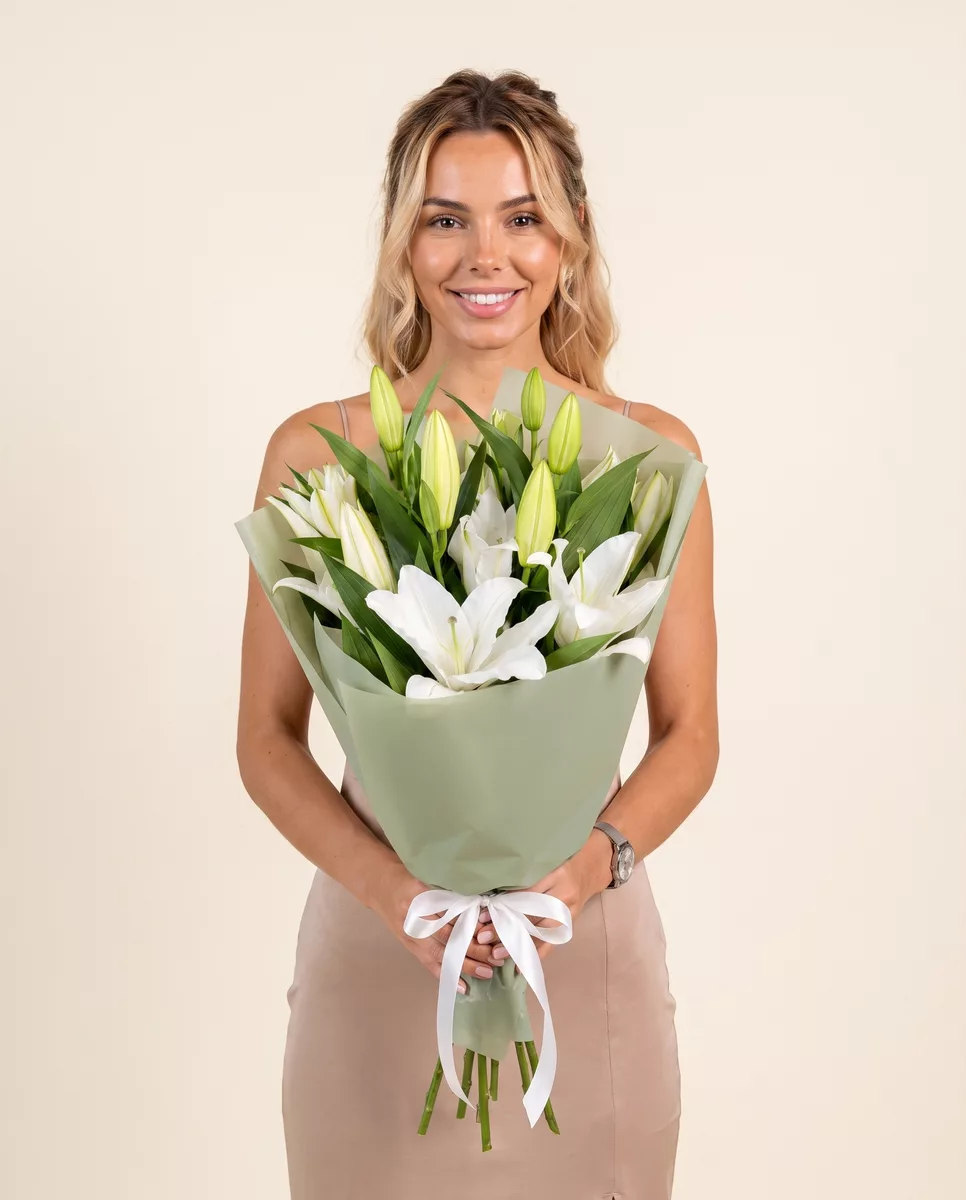
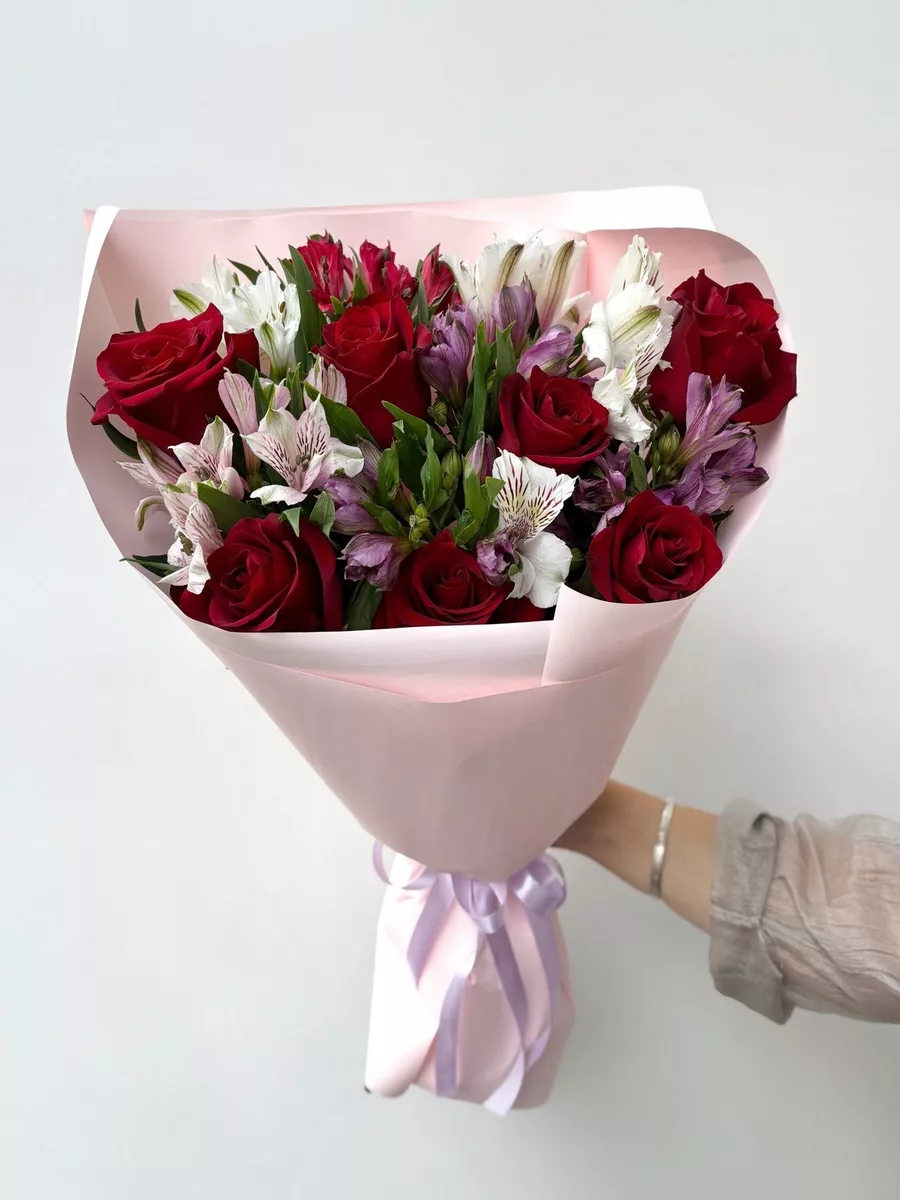
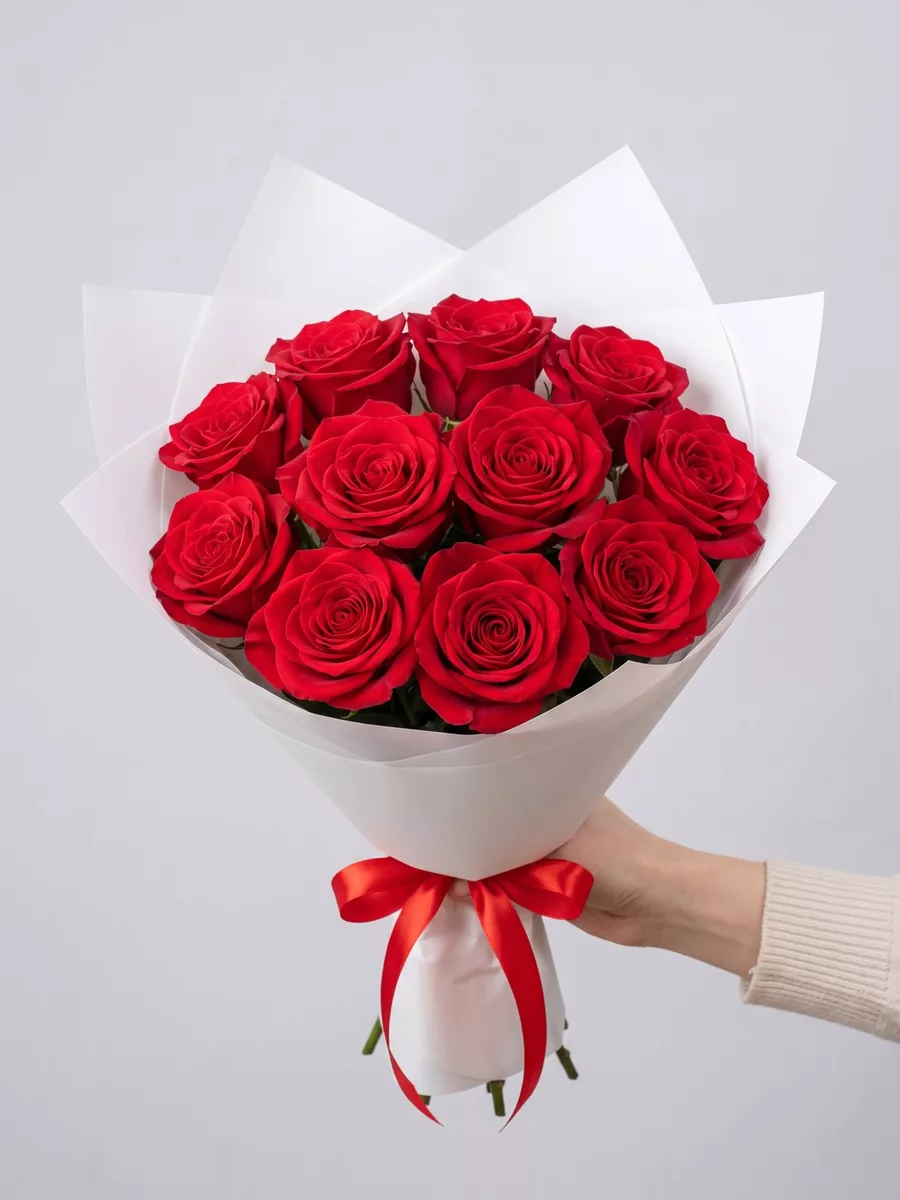

What Russian Mothers Actually Receive — and What They Prefer
Ask any florist who has worked a counter in Russia for more than a season and the answer is consistent: roses and chrysanthemums dominate what gets ordered, but the preferences of women over fifty often run toward peonies, freesias and spray roses rather than large hybrid tea roses. Large hybrid teas — the long-stemmed, single-bloom variety — read as formal or romantic to many Russian women of that generation; they associate them with official celebrations or courtship rather than family warmth. Peonies are universally loved but strictly seasonal, available fresh from approximately late April through June. Outside that window, imported peonies exist but the quality drops sharply and the price rises. Chrysanthemums have a complicated reputation in Russia: they are perfectly acceptable in mixed bouquets but avoided as a standalone gift by many customers because of a loose association with cemetery arrangements, even though this is more regional perception than universal rule. Freesias are safe year-round, fragrant, and well-received by older recipients who appreciate scent. Eustoma, sometimes called lisianthus, photographs beautifully and holds well in a vase — up to ten days if the water is changed every two days. Spray roses in soft pink, cream or peach tones are a reliable core for a mixed bouquet aimed at a mother. Avoid deep burgundy or black-tinted varieties for this context; they read as dramatic rather than affectionate. White flowers are fine in mixed arrangements but an all-white bouquet can feel cold to a Russian recipient unless specifically requested.
March 8 Logistics: What Goes Wrong and How to Avoid It
International Women's Day on March 8 is the single heaviest delivery day in the Russian flower calendar, and the problems customers run into are predictable enough that a florist can list them without checking notes. The first is late ordering: slots for March 8 delivery in Saint Petersburg fill within the first two days of March in most years, and by March 6 the choice of available time windows is already limited. The second problem is temperature. March in Saint Petersburg means outdoor temperatures that can sit anywhere between minus eight and plus four degrees Celsius. Flowers sitting in an unheated entrance hall or left at a door without a recipient present will suffer. When ordering, specify that the courier should call ahead and wait for the recipient rather than leave the bouquet. The third problem is variety substitution. Demand on March 8 exceeds supply of specific varieties, and some shops substitute freely without notice. When ordering, confirm in writing which varieties are guaranteed and which are subject to availability. At Five Flowers, the composition you order is the composition that goes out, and substitutions are confirmed with the customer before dispatch, not after. Tulips are the most popular March 8 flower in Russia — they signal spring arrival — but they are also the most temperature-sensitive. A tulip left in a cold entrance for two hours will open too fast in a warm apartment and drop petals within 36 hours. Roses and eustoma handle the temperature swings of early March better if the delivery involves any outdoor exposure.
Seasonal Choices: Matching the Bouquet to the Month
Ordering flowers without thinking about the season is the single fastest way to get a mediocre result. In January and February, the reliable choices are roses, eustoma, alstroemeria and imported carnations. Tulips appear in Dutch imports from January onward but the quality is more variable than March stock. February 14 is not a major holiday in traditional Russian families, but February 23 — Defender of the Fatherland Day — and the run-up to March 8 create a busy period when ordering ahead matters. Spring, from late March through May, is the best season for tulips, ranunculus and the first peonies. A ranunculus bouquet in April is a genuinely distinctive choice that most recipients have not seen often. Summer brings peonies through June, then sunflowers, lisianthus, and the first dahlias from July onward. A dahlia-centred bouquet from August is striking and holds well in summer apartment temperatures if the water is kept fresh. Autumn, September through November, is the season for dahlias in full variety, chrysanthemums and the last of the eustoma. Chrysanthemums in a mixed autumn bouquet with dahlias and spray roses do not carry the cemetery association that a single-variety chrysanthemum bunch might. Winter, December through February, means the range narrows to imported stock. Roses from Ecuador and Colombia maintain quality well in transit; they are grown at altitude and handle cold chain logistics better than roses from closer but warmer sources. Amaryllis appears in December and January and makes a bold, unusual gift that most Russian mothers have not received before.
Getting the Size and Composition Right for the Recipient
Russian gift-giving culture is not subtle about scale. A small bouquet of five stems handed to a mother at her birthday dinner will be noticed as insufficient by everyone at the table, including the recipient. The working standard for a birthday or name day bouquet is fifteen stems minimum in a mixed arrangement, or eleven to thirteen roses if going single-variety — odd numbers are the Russian convention for gifts to the living, even numbers for mourning. Customers ordering from abroad sometimes ask whether this rule is strictly followed. It is followed enough that sending an even number is worth avoiding simply to prevent any ambiguity. For a casual Sunday visit or a thank-you gesture, seven or nine stems is appropriate and does not look excessive. Colour matters more than many customers expect. Soft pinks, creams, peaches and warm whites are the safest palette for a mother of any age. Bright red roses read as romantic rather than familial in Russian culture; they are appropriate between partners, less so from a son or daughter to a mother. If the recipient is known to love bold colours, orange and coral work well and read as warm rather than romantic. Adding greenery — eucalyptus, ruscus or pittosporum — gives the bouquet structure and makes it look larger without adding to the stem count. A ribbon and a handwritten card included with the delivery are details that recipients notice and remember; they take thirty seconds to arrange when ordering online but make a significant difference to how the gift lands.
Ordering for Delivery Across Russia: What to Check
Five Flowers delivers across Russia within one to two hours of order confirmation, which changes the calculation for last-minute gifts significantly. A customer in London can order at 09:00 Moscow time on a birthday morning and have flowers at the recipient's door by 10:30. That said, there are details worth confirming before you complete the order. First, the delivery address: Russian addresses require the building number, apartment number, entrance number and floor, and in older Saint Petersburg buildings the entrance code for the street door. Missing any of these adds delay. Second, recipient availability: if the mother works outside the home, confirm she will be there or arrange delivery to her workplace, specifying the organisation name and floor. Third, for recipients over seventy, it is worth noting in the order comments that the courier should speak clearly and allow extra time — this is not an unusual request and couriers accommodate it routinely. Fourth, payment from abroad: card payments in foreign currencies process through standard international channels, but confirm with the shop that your card type is accepted before you reach the checkout step. Fifth, the card message: if you are writing in English for a Russian-speaking recipient, the shop can advise on translation or you can write in transliterated Russian. A card that says nothing beyond a name is a missed opportunity — even two sentences about why you are sending flowers on this particular day makes the gesture specific rather than generic, and specific gestures are what recipients talk about afterward.
Sending flowers to a Russian mother is not complicated once you know the calendar, the conventions and the seasonal range. The occasions are more numerous than most people outside Russia expect, the colour and number conventions are easy to follow once you know them, and the variety choices shift enough through the year that there is always something genuinely good available. The mistakes — late ordering before peak dates, wrong stem counts, all-white bouquets, roses in deep romantic reds — are all avoidable with a few minutes of thought before you order. The result, when it arrives on time in good condition with a real card message, is a gesture that a Russian mother will mention to her friends. We deliver bouquets across Russia in 1–2 hours. We deliver bouquets across Russia in 1–2 hours.
Frequently asked questions
Is it true that flowers for Russian recipients must come in odd numbers?
Yes, odd numbers — seven, nine, eleven, thirteen — are the convention for gifts to living recipients in Russia. Even numbers are associated with mourning and funerals. This is followed widely enough that it is worth respecting, even if the recipient is unlikely to make a scene about it. Most florists in Russia count stems automatically when assembling a bouquet for a gift.
When is the best time to order flowers for March 8 delivery in Saint Petersburg?
Order by March 3 at the latest to have a full choice of time slots and varieties. By March 6, morning delivery windows are typically gone and variety selection is limited to what remains in stock. If you miss that window, contact the shop directly — some capacity is held back for urgent orders, but it cannot be guaranteed.
Are peonies available year-round for delivery in Russia?
Fresh domestic peonies are available from roughly late April through June. Outside that window, imported peonies exist but quality is inconsistent and prices are considerably higher. If the birthday or occasion falls in autumn or winter and peonies are requested, the honest advice is to build the bouquet around eustoma, spray roses or ranunculus instead and save peonies for when they are genuinely good.
What should I write on the card if I am ordering from abroad and the recipient speaks only Russian?
Write your message in simple English and note in the order comments that translation assistance is needed, or write in transliterated Russian if you are comfortable doing so. The shop can advise on phrasing. A short, specific message — naming the occasion and your relationship to the recipient — lands better than a generic congratulation regardless of language.
Can flowers be delivered to a workplace rather than a home address in Saint Petersburg?
Yes, workplace delivery works well and is often preferable for recipients who are not home during the day. Include the full organisation name, street address, floor and, if possible, a contact number for reception. Note in the order comments whether the recipient should be called directly or whether reception can accept the bouquet on their behalf.
Ready to send a bouquet?
Pick a city, choose the flowers, and we will hand them over with a photo confirmation.
Choose a city →