
Gurnsey lily: what the name means and how to care for it
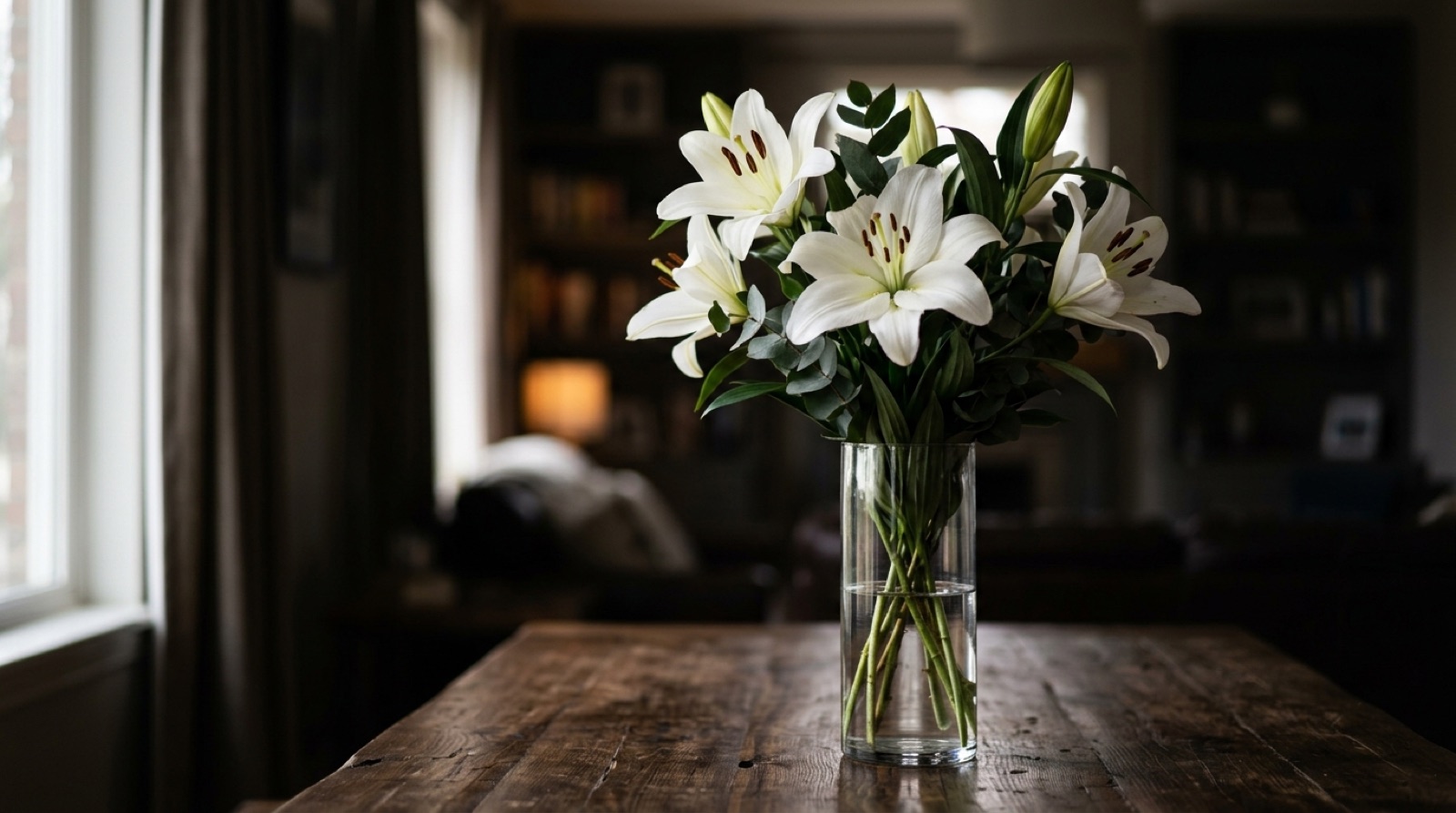
“Gurnsey lily” is a spelling variant of Guernsey lily, a common name usually associated with Nerine sarniensis. Despite the name, this South African bulb belongs to the amaryllis family rather than the true lily genus, Lilium.
When identifying it from a photograph, look at the whole flower head: several narrow-petalled flowers spread from the top of one bare stalk. Their curled, rippling petals give a much airier outline than the broad trumpets of a typical lily.
Check the botanical name before choosing a plant
Common names can blur the distinction between nerines. Nerine bowdenii is also sometimes called a Guernsey lily, yet its growing requirements differ from those of N. sarniensis. A plant label that says only “nerine” leaves useful information missing.
For a potted bulb, establish the species before deciding where to grow it or when to water. N. sarniensis typically grows through the cooler part of the year and rests in summer; N. bowdenii generally follows a different seasonal cycle. Treating both alike can mean watering a resting bulb or withholding water during active growth.
Our guide to Nerine sarniensis provides a closer look at the flower commonly associated with this name.
For cut stems, protect the flower head first
Support the stalk when unwrapping a cut nerine and give its delicate flower head room. Avoid pulling individual flowers free from tight packaging or pressing them against a vase rim.
Use a clean vase, recut the stem base with a clean, sharp tool and place it in fresh water. Keep foliage out of the water, use cut-flower food according to its instructions, and refresh the water regularly. Position the vase away from radiators, direct sun and ripening fruit.
Remove faded individual flowers gently while the others remain presentable. There is no dependable vase-life figure for every stem: its condition when received and the conditions in the room both affect how long it looks fresh.
Bouquets we can deliver




Choose it for its shape, without relying on symbolism
Nerine suits someone who enjoys unusual flower forms: its fine petals and open clusters reward a close look. It can bring movement to an arrangement without the visual weight of a large trumpet-shaped bloom.
Flower meanings vary between sources and cultures, so a personal card is a clearer way to explain the gift. Mention the occasion or what you appreciate about the recipient. When a particular species matters, confirm availability before making it essential to your plans; this article does not establish catalogue stock.
Sending flowers to Russia with Pyat Tsvetov
Pyat Tsvetov (5 Flowers) has operated since 2011 and has three own flower shops in Saint Petersburg. Browse the bouquets catalogue for an arrangement, or call 8 (812) 507-67-05 with questions about a specific flower.
We deliver across Russia. City delivery costs 500 RUB; the operator confirms the price for remote districts and suburbs when confirming the order. In large cities, express delivery takes 1–2 hours after order confirmation. You can also pre-order 1–30 days ahead. Delivery in Saint Petersburg is available around the clock.
Delivery is anonymous by default, and a card with your text is free. Online checkout uses CloudPayments; check the payment options displayed there before paying. See delivery and payment when arranging your order.
Frequently asked questions
Is a Guernsey lily the same as a true lily?
No. Guernsey lily usually refers to a nerine in the amaryllis family, while true lilies belong to Lilium. Use the botanical name when buying a bulb or checking care advice.
Does a nerine bulb need watering all year?
Its watering schedule should follow its species and growth cycle. Confirm the botanical name first, because advice for a summer-growing nerine may be unsuitable for N. sarniensis during its summer rest.
Ready to send a bouquet?
Pick a city, choose the flowers, and we will hand them over with a photo confirmation.
Choose a city →