
How Fast Do Flowers Die, With and Without Water?
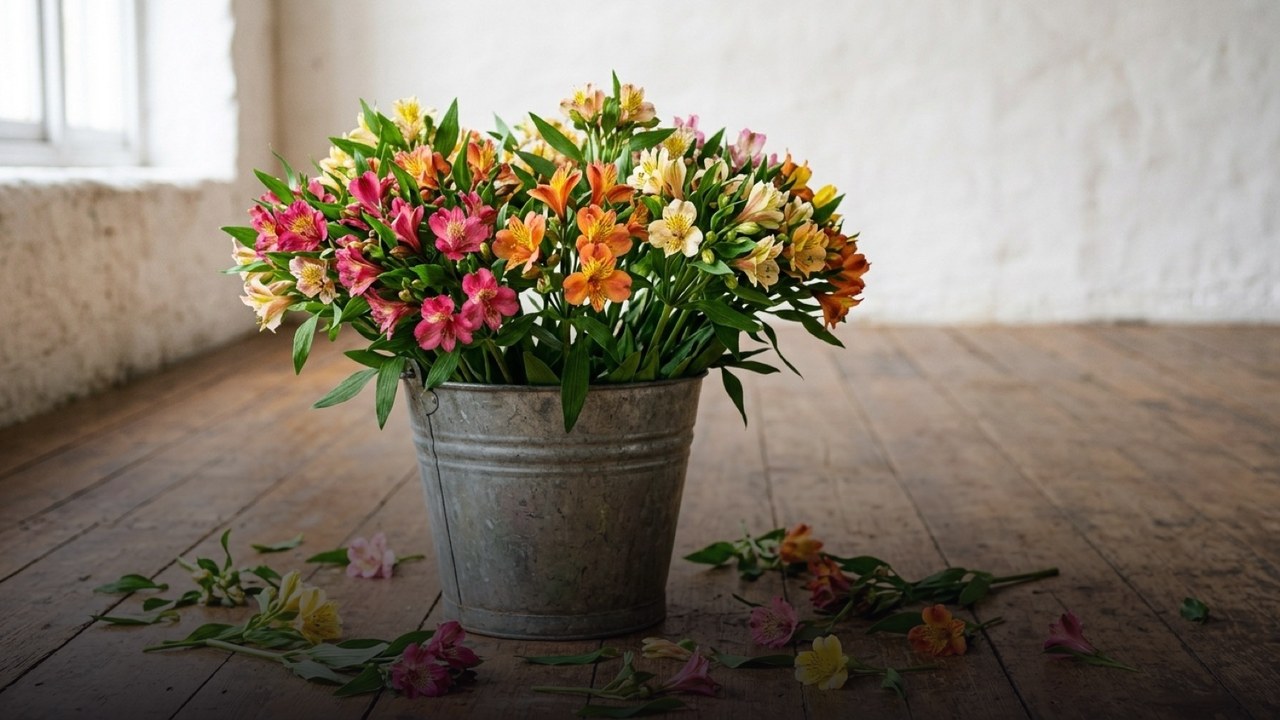
Cut flowers often last about five to ten days in a vase, although the variety, their condition when bought and care at home can shift that range considerably. Without water, some begin to wilt within a few hours, especially in warmth or direct sun. Visible wilting does not always mean the flowers are dead, but prolonged dehydration makes recovery less likely.
At Pyat Tsvetov (5 Flowers), customers often ask whether a bouquet will still look good after a journey or on the morning after a celebration. We have worked with flowers in Saint Petersburg since 2011, and the useful distinction is between normal ageing and damage that better handling can prevent. Count time from the bouquet's actual condition, rather than assuming that every stem has the same number of days left. Water access, cleanliness and where the vase stands all affect what happens next.
What a realistic vase life looks like
Five to ten days is a useful planning range for many cut bouquets, rather than an expiry date. Some delicate flowers fade sooner, while carnations and chrysanthemums can remain attractive for longer under suitable conditions. Roses, tulips and mixed arrangements vary enough that a precise countdown would be misleading. A bouquet already showing dry edges or yellowing foliage has less remaining life than one in sound condition.
Opening is part of a flower's life, so a wider bloom is not automatically a failing bloom. Tulips may keep growing and bend towards the light, while roses gradually reveal more of their centres. Watch instead for worsening petal collapse, mushy stems, mould or an unpleasant smell from the water. In a mixed bouquet, remove individual spent stems as they fade; the remaining flowers may still have useful life.
How quickly flowers wilt without water
There is no reliable number of hours that every bouquet can spend dry. Soft petals and leaves lose moisture, while the cut stems cannot replace it without a water supply. A short trip in mild conditions is different from several hours in a heated room or a parked car. Wrapping protects flowers during handling, but decorative paper alone does not keep stems hydrated.
For a journey, put flowers in water until shortly before leaving and return them to water promptly on arrival. If the stems have a water reservoir, keep it upright and check that the cut ends remain in contact with water. Avoid leaving the bouquet beside a heater, in direct sun or inside an unattended car. Our guide to flowers left in a car explains why the conditions during a wait matter as much as its length.
A bouquet that droops after transport may be dehydrated rather than beyond recovery. Unwrap it carefully, use a clean vase and recut the stem ends before placing them in fresh water. Give the flowers a few hours in a cool room away from direct sunlight, then assess whether they regain firmness. Brown, brittle or translucent damaged petals will not become fresh again, even if the rest of the stem recovers.
Bouquets we can deliver




The first vase setup makes a difference
Start with a vase washed thoroughly with detergent and rinsed well; topping up old, cloudy water leaves the underlying problem in place. Remove leaves that would sit below the waterline, because submerged foliage breaks down and encourages microbial growth. With clean, sharp scissors or secateurs, take a small fresh cut from each stem without crushing it. Put the stems into water promptly after cutting.
If flower food is supplied, mix it according to the packet's instructions and the stated water volume. Adding extra powder does not make the solution more effective and may harm the flowers. Avoid improvised mixtures of sugar, household cleaners or coins: their effects are unpredictable, and they do not replace a clean vase. Use enough water to keep the cut ends submerged, and check the level daily because a full bouquet can drink noticeably.
Choose a vase that supports the stems without packing them tightly together. Keep the blooms above the rim so that petals are not pressed against wet glass or crowded foliage. If the bouquet is intended to stay tied, remove any wrapping that would sit in the water and check that all stem ends can reach it. Flowers in floral foam need a different routine: keep the foam moist by adding water carefully to the container.
Daily care and the causes of early decline
Check the water each day and replace it regularly, sooner if it becomes cloudy or develops an odour. At a water change, rinse the vase and remove fallen leaves or petals rather than leaving them to decay. If a stem end has become slimy, trim back to a clean, firm section with a clean tool. Repeatedly shortening healthy stems is less useful than maintaining clean water and a suitable position.
Place the bouquet away from radiators, heating vents, strong sun and appliances that give off heat. A comfortable, cool room generally helps flowers last longer than a hot windowsill. Avoid positioning them directly under an air conditioner, where a constant draught can dry delicate petals. Keep the vase away from ripening fruit too, since ethylene released by some fruit can speed ageing in sensitive flowers.
Remove a stem promptly if it becomes mushy or mouldy, and inspect neighbouring stems before returning them to clean water. Do not spray every bouquet as a routine treatment; persistently wet petals can develop marks or decay. Cold damage also deserves separate attention, because bringing flowers indoors does not reverse injured tissue. See our guide to flowers in a cold car when planning winter transport.
Time a gift for when it will be enjoyed
For a birthday dinner or family visit, arrange arrival when someone can receive the bouquet and put it in water. Delivering on the day usually gives the recipient more of its remaining vase life than sending it several days early. An earlier arrival can still suit the occasion if the recipient is available and has somewhere suitable to keep it. Choose the timing around their routine, rather than treating a bouquet like a parcel that can wait indefinitely.
If flowers are a surprise, think through practical details without revealing the gift itself. Someone at work may need a vase and a way to carry the bouquet home; someone away for the weekend may miss its best days. A short card can explain the occasion or identify the sender if you want them to know immediately. Flower colour meanings vary between people and cultures, so a known preference is usually a more useful guide than a rigid symbolism chart.
For delivery in Russia, give particular attention to the destination's local date and time when ordering from abroad. Pyat Tsvetov offers express delivery in large cities in one to two hours after order confirmation. Other options include an exact time with a margin of plus or minus 30 minutes, or windows of 09–12, 12–15, 15–18 and 18–21. Orders can also be placed one to 30 days ahead, helping you arrange the gift before a busy travel day.
Ordering flowers to Russia with Pyat Tsvetov
We deliver flowers across Russia, and delivery in Saint Petersburg is available around the clock. City delivery costs 500 RUB; for remote districts and suburbs, the operator confirms the price when confirming the order. Start with the bouquets catalogue, then check the destination and timing details for your order. Our delivery and payment information is useful when coordinating a gift from another country.
Delivery is anonymous by default: the courier does not name the sender, and a card with your text is free. The courier calls the recipient about 15 minutes before arrival. If the recipient is absent, we agree a second delivery the same day or, with the sender's consent, handing the flowers to a neighbour or concierge. Accurate contact details help resolve the handover without leaving the bouquet waiting unnecessarily.
Online checkout uses CloudPayments, so check the payment options displayed there for your purchase. Acceptance of a particular foreign card should not be assumed. For questions, call 8 (812) 507-67-05, especially if you need to clarify delivery details before ordering. Once the bouquet arrives, prompt access to a clean vase and fresh water gives the recipient a practical start towards enjoying it for longer.
Frequently asked questions
Can cut flowers die overnight?
They can deteriorate badly overnight if they run out of water or experience damaging heat or cold. Sudden drooping can also be dehydration, so check the water, recut the stems and assess whether they recover in a cool room.
How long can flowers last without water?
There is no dependable limit for all flowers: some start wilting within hours, while others tolerate a brief dry journey better. Keep dry periods short and avoid heat, sunlight and unattended cars.
Does changing the water every day make flowers last longer?
Clean water and a clean vase help reduce the buildup that can interfere with water uptake. Check daily, replace cloudy or unpleasant-smelling water promptly, and remove any leaves below the waterline.
Can I bring dead flowers back to life?
Dehydrated flowers sometimes regain firmness after a fresh stem cut and time in clean water. Dead, brittle or decaying tissue cannot be restored, so remove affected stems or petals and assess the rest separately.
Should I order flowers for Russia on the day or in advance?
Choose a delivery date when the recipient can receive the bouquet and put it in water. You can place an order one to 30 days ahead; express delivery in large cities is one to two hours after order confirmation.
Ready to send a bouquet?
Pick a city, choose the flowers, and we will hand them over with a photo confirmation.
Choose a city →