
How Long Do Store Bought Flowers Last in a Vase?
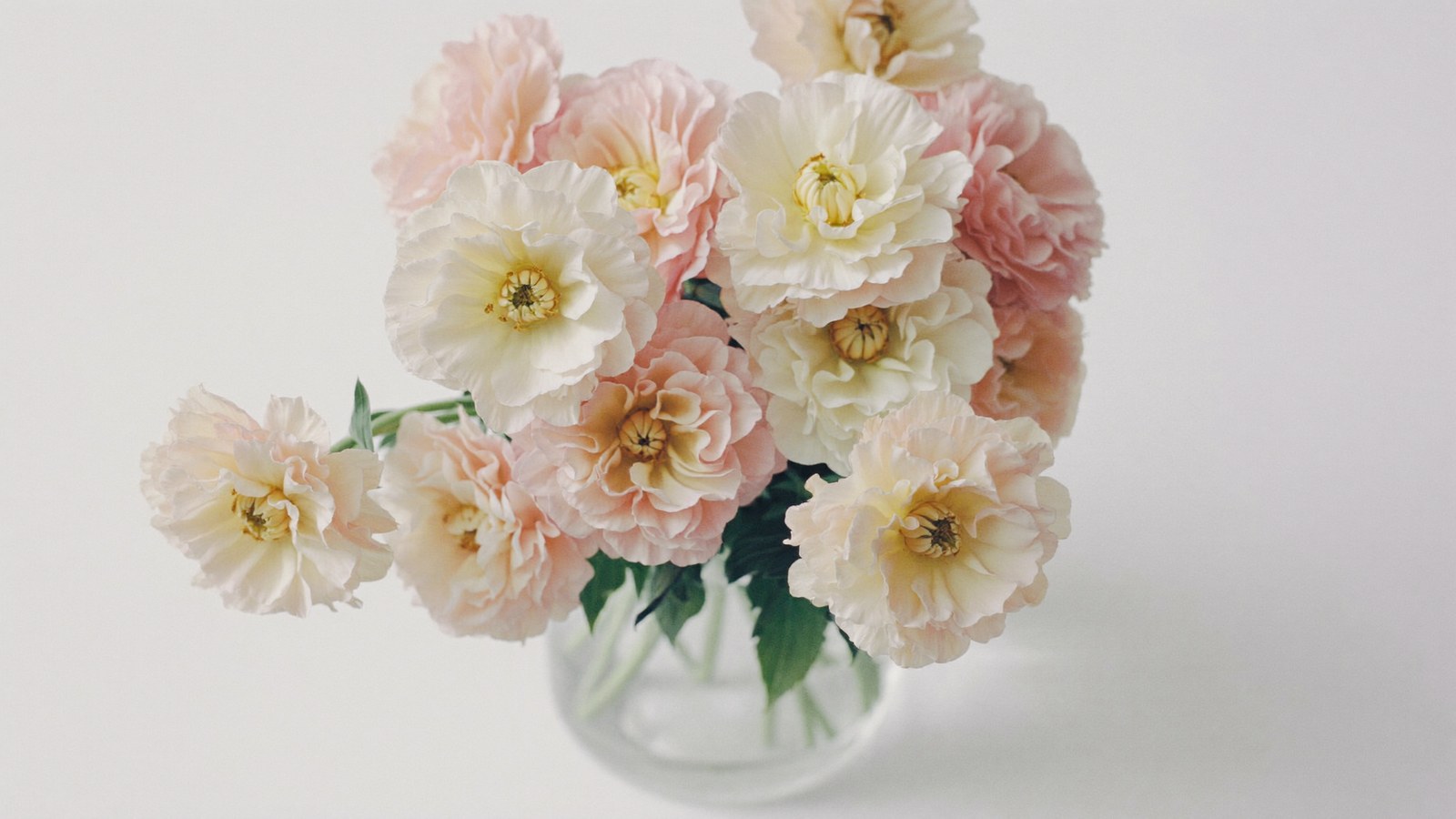
Store bought flowers often last about 5–10 days in a vase, although delicate varieties may fade sooner and longer-lasting flowers can stay attractive for two weeks or more. Treat that as a planning range, not a guarantee: the flower variety, its condition when purchased and care at home all affect the result.
Customers at Pyat Tsvetov (5 Flowers) often want to know whether a bouquet will still look good for a birthday dinner several days away. Our experience in Saint Petersburg flower shops since 2011 is that choosing the right stage of opening matters as much as choosing a favourite colour. A bouquet that looks fully open today has less opening left to enjoy, while tight buds are useful only if they are mature enough to develop. Start with healthy flowers, then give them clean water and a suitable place as soon as they arrive.
Expected vase life depends on the flowers you choose
For everyday planning, roses commonly offer around a week of enjoyment, sometimes longer, while tulips often give roughly five to seven days. Chrysanthemums and carnations frequently last nearer two weeks when fresh and well cared for. Irises tend to have a shorter display, with individual blooms fading relatively quickly. These are broad household expectations rather than a countdown that begins at the till, because flowers have already been cut before you buy them.
Lilies need a slightly different assessment because their buds open in succession rather than all at once. One fading flower does not mean the whole stem has finished; remove spent blooms carefully while leaving healthy buds in place. In a mixed bouquet, take out individual stems as they deteriorate so the remaining flowers can continue their display. If longevity is your main priority, our guide to chrysanthemums and their vase life explains why they are a useful choice.
Check freshness beyond the most impressive open bloom
Look at the whole stem, including the leaves and the parts hidden by wrapping. Healthy foliage should suit the variety and feel reasonably firm, without widespread yellowing, slime or a sour smell around the stems. Petals should not have extensive browning, translucent damaged patches or visible mould. A few outer rose petals may look less tidy than the centre, so judge the condition of the complete flower rather than rejecting it for one imperfect edge.
Choose the opening stage to match the occasion: flowers for tonight need some visible bloom, while flowers bought ahead benefit from a mixture of opening stages. Extremely tight buds are not automatically fresher or better, and some may fail to open satisfactorily after cutting. With lilies, look for developed buds showing colour; with roses, avoid relying on a hard, tightly closed head as proof of quality. Once you have chosen, minimise time without water and keep the bouquet away from a hot car or direct sunlight during the journey.
Bouquets we can deliver




The first hour at home sets up the rest of the week
Wash the vase with detergent, rinse it thoroughly and fill it with fresh water before unpacking the stems. Remove any leaves that would sit below the waterline, because submerged foliage breaks down and encourages bacterial growth. Using clean, sharp scissors or secateurs suitable for the stems, take about one or two centimetres off the ends without crushing them. Put the flowers into water promptly after cutting, and loosen wrapping that would otherwise hold wet foliage tightly together.
If cut-flower food is supplied, mix it with the amount of water stated on the packet rather than guessing the concentration. Do not add an improvised mixture of sugar, bleach, aspirin or coins; inconsistent doses can damage flowers or leave the water unsuitable. Keep enough bare stem submerged for reliable water uptake, while keeping foliage and flower heads out of the water. Check the level later that day, as a newly arranged bouquet may drink more than you expect.
Daily care and vase placement make a practical difference
Check the water every day, top it up as needed and replace it promptly if it becomes cloudy or smells unpleasant. As a routine, refresh the water every day or two, washing the vase and rinsing the lower stems when you do so. Remove fallen leaves and deteriorating flowers, and trim a small amount from the stem ends if they have become discoloured or slimy. When using flower food, follow its instructions for preparing fresh solution instead of repeatedly adding extra powder.
Place the vase in a cool part of the room with indirect light, away from radiators, heaters and strong draughts. A sunny windowsill can warm both petals and water, while ripening fruit releases ethylene that can accelerate ageing in sensitive flowers. Avoid spraying the flower heads as a general care routine, since trapped moisture can mark petals and encourage decay. Our guide to where to place a vase helps you choose a spot where the bouquet is visible without exposing it to unnecessary heat.
Buying ahead, overnight storage and signs of decline
If the flowers are for a specific celebration, arranging their arrival close to the occasion reduces the time you need to store them. When buying the day before, prepare the stems and keep them upright in a clean vase overnight in a cool room. Leave them away from fruit, pets and sources of heat, with enough space around the flower heads to avoid bruising. For a longer gap, choose varieties with a longer expected vase life rather than assuming refrigeration will preserve any bouquet unchanged.
A household fridge is not automatically suitable: food, fruit, crowded shelves and very cold areas can all create problems. Never place flowers against a freezing back panel or in a freezer, and avoid chilling unfamiliar tropical flowers without variety-specific guidance. If stems wilt while petals still look healthy, check the water, clean the vase, recut the ends and let them stand in fresh water somewhere cool. This can help when poor water uptake is the cause, but brown, dry petals and decaying tissue will not become fresh again.
Sending a bouquet to Russia that suits the occasion
When ordering for someone in Russia, consider whether they will be home to put the flowers in water and whether the bouquet is meant for immediate display. Browse our bouquets catalogue with the recipient's preferences and the occasion in mind; a longer-lasting variety can be especially thoughtful when they want to enjoy the gift throughout the week. For birthdays and congratulations, an odd number of flower stems is customary in Russia, while even numbers are traditionally associated with mourning. Personal taste still matters, so use colour preferences and a clear card message to make your intention easy to understand.
We deliver flowers across Russia, with city delivery costing 500 RUB; an operator confirms the price for remote districts and suburbs when confirming the order. In large cities, express delivery is available in 1–2 hours after confirmation, alongside exact-time delivery within ±30 minutes, windows of 09–12, 12–15, 15–18 or 18–21, and pre-orders 1–30 days ahead. Delivery in Saint Petersburg is available around the clock, and the courier calls the recipient about 15 minutes before arrival. The courier does not name the sender by default, so include your name in the free card if you want the recipient to know who sent the bouquet.
Before ordering from abroad, check the options displayed at checkout, where online payment uses CloudPayments; acceptance of every foreign card is not guaranteed. Our delivery and payment information is a useful reference when arranging the gift, and questions can be directed to 8 (812) 507-67-05. If the recipient is absent, we agree a second delivery that day or, with the sender's consent, hand the flowers to a neighbour or concierge. Choose timing around the recipient's availability so the bouquet can reach a vase promptly.
Frequently asked questions
Can store bought flowers last two weeks?
Some can, particularly fresh chrysanthemums and carnations given suitable care. Two weeks is a reasonable possibility for certain varieties, rather than a reliable expectation for every bouquet.
Does changing the water make flowers last longer?
Fresh water and a clean vase help limit the build-up of bacteria that can interfere with water uptake. Remove submerged leaves as well, and change cloudy or unpleasant-smelling water promptly.
Why did my flowers wilt the day after I bought them?
Possible causes include time without water, heat, damaged stems or flowers already being near the end of their vase life. Check the water supply, clean the vase and recut the stems, while recognising that this will not reverse ageing or damaged petals.
Should I remove flowers as they die in a mixed bouquet?
Yes, remove deteriorating stems and any fallen material from the water. Different varieties fade at different rates, so the remaining healthy flowers may still have several days of display left.
When should I arrange flower delivery for a celebration in Russia?
Delivery close to the celebration usually reduces storage time, provided the recipient is available to receive and arrange the flowers. We accept pre-orders 1–30 days ahead, so you can organise the gift early while choosing a delivery date suited to the occasion.
Ready to send a bouquet?
Pick a city, choose the flowers, and we will hand them over with a photo confirmation.
Choose a city →