
How Long Do Flowers Usually Last in a Vase?
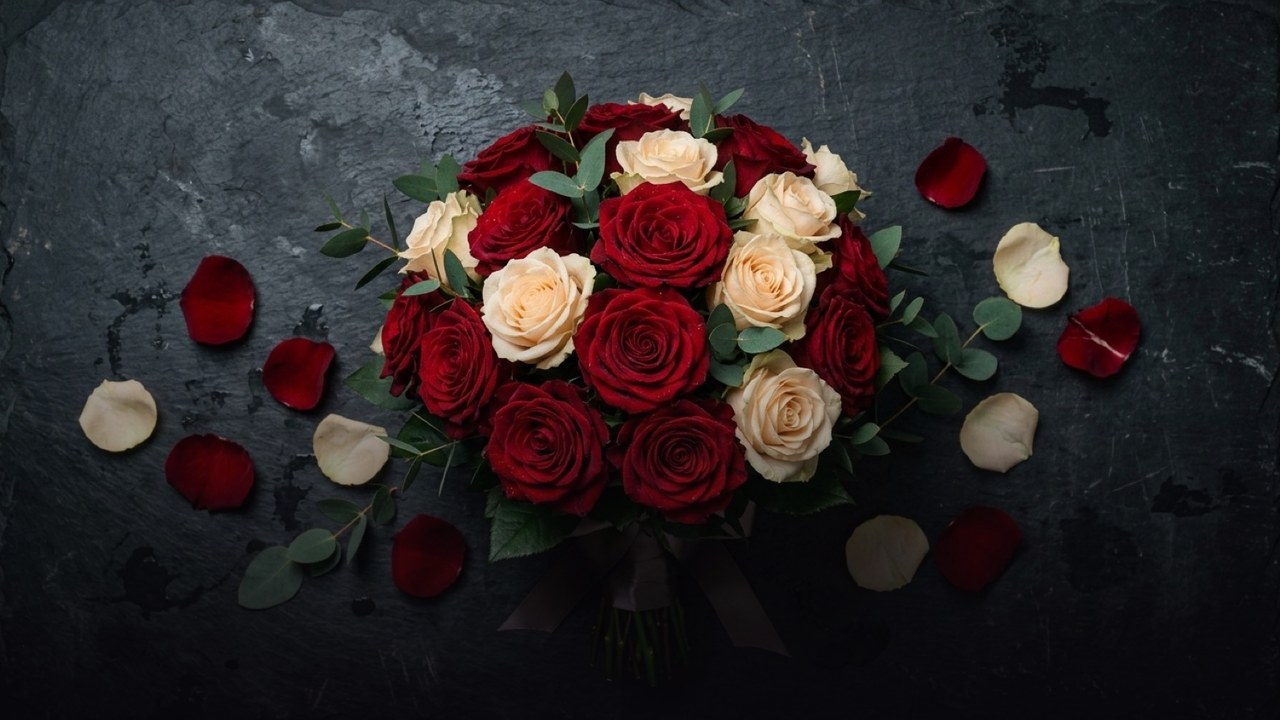
Customers asking how long flowers usually last can generally plan on about five to ten days for a cut bouquet, although some varieties fade sooner and others last two weeks or longer. That is a useful guide, not a promise: the flower type, stage of opening, handling and conditions in the recipient’s home all affect vase life. A mixed bouquet also changes gradually, with individual stems finishing at different times.
At Pyat Tsvetov (5 Flowers), with three flower shops in Saint Petersburg and a history dating back to 2011, customers often want a bouquet that will still look good after the occasion. The practical choice depends on whether the recipient values an impressive display straight away, flowers that open over several days, or something easy to maintain. Start with the likely vase life, then consider where the flowers will stand and who will care for them.
Choose flowers by their likely vase life
Roses commonly last around five to ten days in a vase, while tulips often give roughly five to seven days of enjoyment. Cut irises tend to have a shorter display, often around three to five days, so they suit someone who appreciates their brief flowering period. Chrysanthemums can last about two to three weeks with suitable care, making them worth considering when longevity matters most. These ranges describe typical behaviour rather than a shelf life attached to every stem.
Lilies need a slightly different explanation because several buds can open in succession on one stem. An individual bloom finishes before the whole stem does, and a stem with developing buds may remain decorative for roughly one to two weeks. Our guide to lily lifespan explains that progression in more detail. For a mixed bouquet, judge the display as a whole and expect to remove shorter-lived stems while the remaining flowers continue.
Give the bouquet a clean start at home
Prepare a clean vase before putting the flowers in water, washing away any residue from an earlier bouquet. Remove the wrapping as needed so the stems can sit naturally and the vase can be filled without wetting decorative materials. Strip off leaves that would fall below the waterline, since submerged foliage decays and makes the water harder to keep clean. Use a vase that supports the stems without squeezing them into a tight bundle.
With clean, sharp scissors or secateurs suitable for flower stems, cut a small amount from each stem before arranging it. Make a fresh cut without crushing the end, then place the stem promptly into clean water. If you have a sachet of cut-flower food, follow its dilution instructions rather than guessing the amount. Avoid improvised mixtures of sugar, alcohol or household cleaners, which are difficult to dose appropriately and are unnecessary for straightforward daily care.
Bouquets we can deliver




Make water and placement part of the daily routine
Check the water level every day, particularly during the first few days when a full bouquet may use more than expected. Replace the water regularly, and do so promptly if it turns cloudy or develops an unpleasant smell. Rinse the vase, remove loose leaves and check that every cut stem reaches the water after rearranging. When using flower food, prepare the replacement solution according to the packet instructions rather than repeatedly adding concentrate.
A cool position away from direct sun, radiators and heating vents usually helps flowers keep their appearance longer. Avoid a windowsill that becomes hot during the day, even if the room itself feels comfortable, and keep the bouquet away from ripening fruit. Ordinary domestic placement matters more than elaborate treatments, so choose somewhere the recipient can easily check the water. See where to place a vase so flowers last longer for a closer look at common household spots.
Understand normal changes and recognise problems
A bouquet does not stay frozen at its delivery stage: buds open, petals loosen and the arrangement becomes fuller before it starts to fade. Tulips may bend towards the light and continue changing shape, while lilies can show open blooms beside closed buds. Those changes alone do not establish that flowers are old or poorly cared for. Look instead at the condition of each stem and bloom, alongside the cleanliness and level of the water.
Remove a finished flower when its petals turn brown, become mushy or begin falling heavily, rather than leaving it among healthy stems. If one stem droops, check whether its cut end is actually submerged, then refresh the water and make a new cut with clean tools. Improvement is possible when poor water uptake is the cause, but a fresh cut cannot reverse every kind of damage. As the bouquet thins, a smaller vase can support the remaining flowers and keep them looking deliberate.
Match the flowers and delivery day to the occasion
For a birthday or anniversary, receiving flowers on the day often matters more than gaining an extra day of vase life. For a dinner or gathering, consider whether the recipient has time to unpack the bouquet, find a vase and arrange it before guests arrive. An arrangement with open flowers gives an immediate display, while developing buds offer the pleasure of watching it change. More closed buds do not automatically mean better value, because their development depends on the flower and its condition.
For gifts in Russia, an odd number of flowers is customary for celebrations when individual stems are being counted; even numbers are traditionally associated with mourning. Colour meanings vary between people, so the recipient’s preferences are more useful than a rigid symbolism chart. Lilies deserve particular care in a home with cats because they are highly toxic to them, including their pollen and vase water. If you are unsure about pets or fragrance preferences, choose a bouquet that avoids the concern.
Order flowers to Russia with the recipient’s routine in mind
We deliver flowers across Russia, and the bouquets catalogue is a starting point for choosing the style of gift. City delivery costs 500 RUB; for remote districts and suburbs, the operator confirms the delivery price when confirming the order. In large cities, express delivery is available in one to two hours after order confirmation, or you can choose an exact time with a tolerance of plus or minus 30 minutes. Other options are the 09–12, 12–15, 15–18 and 18–21 windows, or pre-ordering one to 30 days ahead.
When ordering from abroad, use the recipient’s local date and time as your reference and choose a period when they are likely to be available. Delivery in Saint Petersburg operates around the clock, and the courier calls the recipient about 15 minutes before arrival. If the recipient is absent, we agree a second delivery the same day or, with the sender’s consent, hand the flowers to a neighbour or concierge. A realistic arrival window helps the recipient put the bouquet into water promptly.
Delivery is anonymous by default: the courier does not name the sender, and a card with your text is free. Add your name to the card if you want the recipient to know who sent the flowers. Online checkout uses CloudPayments; check the payment options displayed there, as acceptance of every foreign card cannot be guaranteed. Read delivery and payment details, or call 8 (812) 507-67-05 if you need to clarify arrangements before ordering.
Frequently asked questions
How long do cut flowers usually last without flower food?
Many cut bouquets can still last roughly five to ten days with clean water and attentive care, although the variety and starting condition make a substantial difference. Keep the vase clean, remove submerged leaves and follow the water level daily.
Which flowers should I consider for a longer-lasting gift?
Chrysanthemums are a useful choice when vase life is a priority, often lasting about two to three weeks in suitable conditions. No variety has a guaranteed lifespan, so the recipient’s care and the position of the vase still matter.
Does one wilted flower mean the whole bouquet is finished?
No: mixed bouquets contain flowers with different lifespans, and individual stems can fade at different times. Remove the finished stem, refresh the water and rearrange the healthy flowers in a suitably sized vase.
Can I order flowers for someone in Russia while I am abroad?
Yes, we deliver flowers across Russia, with delivery arrangements confirmed for the destination. Online payment uses CloudPayments; check the options shown at checkout rather than assuming that a particular foreign card will be accepted.
Will the recipient be told who sent the bouquet?
The courier does not name the sender because delivery is anonymous by default. A card with your text is free, so include your name there if you want the recipient to recognise the gift.
Ready to send a bouquet?
Pick a city, choose the flowers, and we will hand them over with a photo confirmation.
Choose a city →