
How Many Flowers Are in the World?
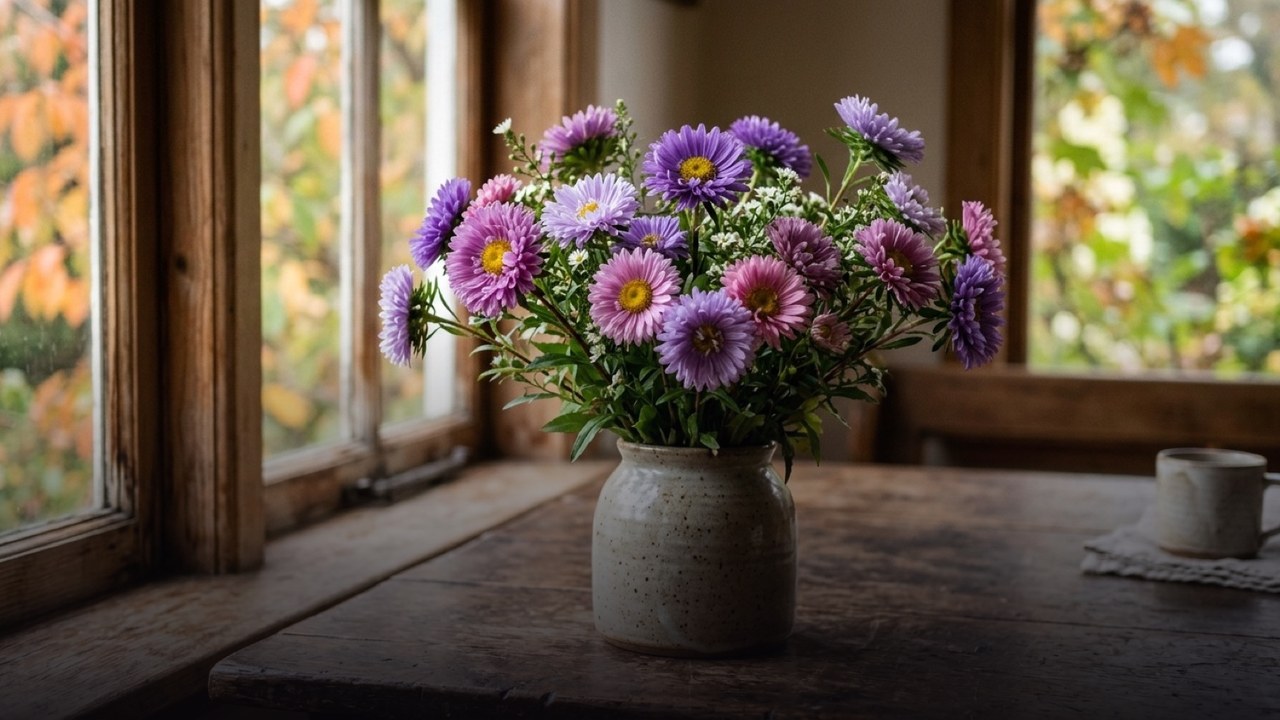
There is no known total for how many individual flowers are in the world: blooms open and fade continuously across gardens, farms and wild habitats. Flowering plants comprise hundreds of thousands of species, but counting species answers a different question from counting every flower on Earth. Any precise worldwide total of individual blooms would be misleading.
In our shops, the practical version of this question usually concerns a bouquet: customers want to understand whether flowers, stems and buds mean the same thing. At Pyat Tsvetov (5 Flowers), with three flower shops in Saint Petersburg and a history dating to 2011, those distinctions help us explain what someone is choosing. Understanding the unit being counted makes both botanical information and bouquet descriptions easier to use.
What a worldwide flower count would actually measure
A species is a botanical category, while an individual plant is one living specimen belonging to that category. A single plant may produce one flower, many flowers together, or successive flowers over a season. Counting plants would therefore still leave the number of blooms unresolved. Even a carefully surveyed garden needs a date and a clear counting method before its flower total means much.
Botanical species totals also change as researchers describe plants and revise classifications. A plant previously treated as one species may be divided into several, while two names may turn out to refer to the same species. Published figures can differ because their dates and definitions differ. For a school project or reference article, specify that you mean flowering plant species and use a dated botanical source.
Garden varieties introduce another layer of names without necessarily adding species. Roses sold under different cultivar names can differ in colour, shape and growth habit while belonging to the same species or to related hybrid groups. A catalogue of named roses is consequently not a census of rose species. When comparing totals, keep species, cultivars, individual plants and open blooms in separate categories.
Why a flower head is not always one botanical flower
What looks like one flower can contain many tiny individual flowers. A sunflower head, for example, is a cluster that includes numerous small florets; its familiar outline makes the whole head look like a single bloom. Daisies have a similar arrangement. Botanical counting and everyday flower counting can therefore produce different answers without either person having miscounted.
A florist usually needs a more practical unit: the cut stem used to build an arrangement. One stem can carry a single prominent bloom, several branching flowers, or buds that open at different times. Spray roses and lilies illustrate why a stem count cannot reliably predict the number of visible flowers. The stage of opening also changes the appearance of the same stems over several days.
When reading a bouquet description, first establish what its number refers to. A count of rose stems is different from a count that combines several flower types, and foliage adds volume without adding flower heads. Our guide to how many flowers are in a bouquet explains the distinction in more detail. Use the stated composition alongside the photograph rather than estimating quantity from the image alone.
Bouquets we can deliver




Choose a bouquet by shape, setting and the recipient
A worldwide species total offers little help when choosing flowers for one person. Start with something more useful: their preferred colours, the place where the bouquet will stand, and whether they enjoy a noticeable fragrance. A bouquet for a small bedside table needs different proportions from one intended for a spacious dining table. These details give a clearer brief than asking for as many flowers as possible.
Stem count influences a bouquet, but branching, bloom size and arrangement style influence its outline too. A few broad flower heads can occupy more space than several slender stems, while an airy arrangement can look wider without containing more flowers. Compare bouquets with similar compositions when quantity matters. Treat overall dimensions and the number of stems as related information rather than interchangeable measurements.
If the recipient's preferences are unknown, a restrained colour brief can make the choice easier. Describe a palette such as white and green, soft pink, or mixed bright colours instead of assigning a universal meaning to every shade. Flower symbolism varies between families and cultures, so a personal association may matter more than a published list. Browse the bouquets catalogue with the recipient and setting in mind.
Count stems thoughtfully when giving flowers in Russia
In Russia, an odd number of stems is the customary choice for a celebratory gift, especially in a simple bouquet where the count is obvious. Even numbers are traditionally associated with mourning. This convention is particularly relevant when someone abroad orders a straightforward bunch of roses or tulips. Family preferences can vary, but following the usual convention helps avoid an unintended message.
For this purpose, count the flower-bearing stems rather than every petal, bud or tiny floret. A branching stem does not become several separate stems because it carries several blooms. Mixed arrangements can make the count harder to see, so avoid trying to reconstruct it from a photograph. If the number has personal significance, make that preference clear when placing the order.
The occasion and accompanying words also shape how the gift is understood. A birthday message, a note of thanks or a simple expression of affection gives the recipient useful context without relying on flower symbolism. A card with your text is free with our delivery. For more background on the counting convention, read our guide to the Slavic flower rule.
Care for the stems and watch how the blooms develop
Once a bouquet arrives, its care depends more on the flowers it contains than on the starting number of blooms. Use a clean vase, remove leaves that would sit below the waterline, and trim the stem ends with a clean, sharp tool. Add fresh water and follow the directions if you are using cut-flower food. Keep the arrangement away from direct sunlight, heating appliances and ripening fruit.
Check the water daily and replenish or change it as needed, washing the vase if residue develops. Remove fading flowers and any foliage that has fallen into the water. On branching stems, individual flowers may fade at different times, so the whole stem does not always need to be discarded immediately. Avoid promising yourself a fixed vase life: variety, condition and the room environment all affect it.
Buds also make a bouquet's visible flower count change after delivery. Some stems can show a sequence of openings, while others arrive with their main flowers already open; a closed bud is not a guarantee of a future bloom. If the arrangement is needed for a particular event, consider its opening stage as well as its size. For lilies, remove loose pollen carefully before it touches fabric, and keep the flowers away from cats.
Arrange flower delivery to Russia from abroad
We deliver flowers across Russia, with city delivery costing 500 RUB. For remote districts and suburbs, the operator confirms the delivery price when confirming the order. Have the recipient's address and contact details ready, and choose the bouquet and card wording before checkout. Online checkout uses CloudPayments; check the payment options displayed there, as acceptance of every foreign card is not guaranteed.
In large cities, express delivery is available in 1–2 hours after the order is confirmed. Other timing options include an exact time within a margin of plus or minus 30 minutes, or the windows 09–12, 12–15, 15–18 and 18–21. Orders can also be placed 1–30 days ahead, and Saint Petersburg delivery operates around the clock. When ordering from another country, check the recipient's local date and time before selecting the delivery slot.
Delivery is anonymous by default: the courier does not name the sender, so sign the free card if you want the recipient to know who sent it. The courier calls about 15 minutes before arrival. If the recipient is absent, we agree a second delivery that day or, with the sender's consent, hand the flowers to a neighbour or concierge. See delivery and payment for information, or call 8 (812) 507-67-05 with questions.
Frequently asked questions
How many flowers are there in the world altogether?
There is no known total of individual flowers worldwide, because blooms continually open and fade. Flowering plant species number in the hundreds of thousands, but that is a measure of diversity rather than the number of blooms.
Why do sources give different numbers of flower species?
Sources may use different publication dates or taxonomic classifications. Newly described species and revisions to existing classifications can change the total, while named garden cultivars are a separate category.
Does a bouquet with 15 stems contain 15 flowers?
It may, but branching stems can carry several blooms or buds each. Check the bouquet's composition to understand whether the stated quantity refers to stems or flower heads.
Should a birthday bouquet in Russia have an odd number of stems?
An odd number is the customary choice for a celebratory bouquet, particularly when the stems are easy to count. Even numbers are traditionally associated with mourning.
Can I order flowers to Russia while I am abroad?
You can place an online order for our delivery across Russia. Checkout uses CloudPayments, so check the options displayed there; acceptance of every foreign card is not guaranteed.
Ready to send a bouquet?
Pick a city, choose the flowers, and we will hand them over with a photo confirmation.
Choose a city →