
How to Rehydrate a Bouquet After Delivery Without Water
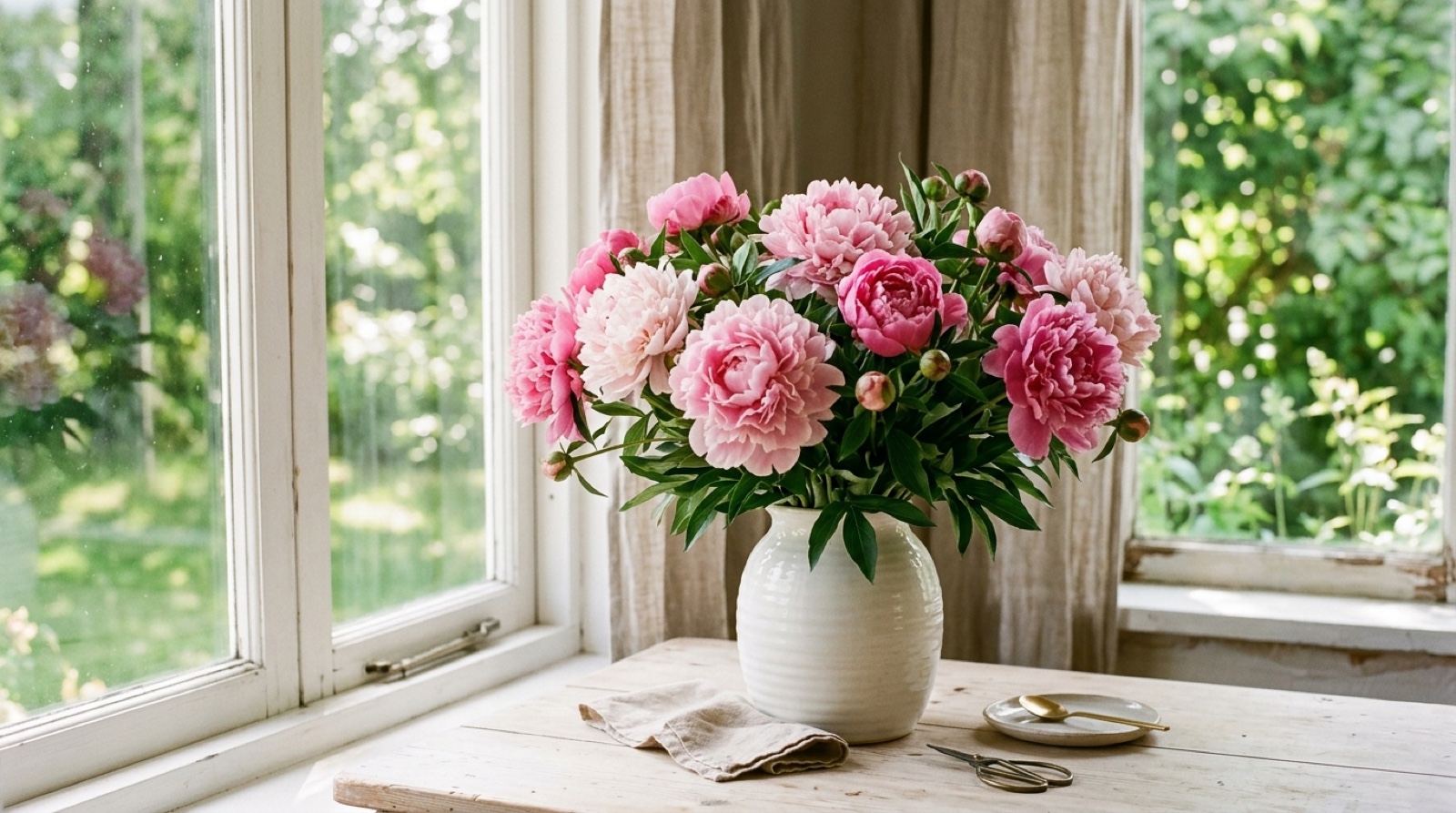
To rehydrate a cut flower bouquet after it has been out of water during delivery, remove the transport wrapping, trim the stem ends with a clean, sharp tool and place the flowers promptly in a clean vase of fresh water. Remove any leaves that would sit below the waterline, and add cut-flower food according to its packet if supplied. Let the bouquet rest somewhere cool and shaded, then check whether the stems and flower heads are becoming firmer.
Customers often ask whether a drooping bouquet needs a special rescue treatment immediately. At Pyat Tsvetov (5 Flowers), with three flower shops in Saint Petersburg and a history dating to 2011, we start with the practical basics: clean equipment, freshly cut stems and uninterrupted access to water. A temporary dry journey can leave flowers looking tired, but appearance alone cannot tell you how fully they will recover. Treat the bouquet gently and assess individual stems rather than assuming every flower needs the same intervention.
Unpack the bouquet and identify how the stems are held
Stand the bouquet upright while you prepare its vase, supporting the stems rather than gripping the flower heads. Remove the outer delivery packaging and loosen any wrapping that prevents access to the lower stems. Check for a water pouch or a temporary container before cutting or pulling anything away, and empty it carefully if present. If the flowers arrive arranged in floral foam or a permanent container, keep that structure intact; the loose-stem vase routine below is intended for a hand-tied bouquet.
A binding around the stems can usually remain if it holds the arrangement comfortably and allows you to clean and trim the ends. Loosen it if stems are crushed together or you cannot remove submerged foliage without damaging neighbouring flowers. Handle petals as little as possible, and do not pull a bent stem straight by its flower head. Our guide to unpacking a delivered bouquet explains the transition from transport wrapping to a vase in more detail.
Prepare clean water before making fresh cuts
Wash the vase with detergent, rinse it thoroughly and choose one with enough room for the stems without forcing them tightly together. Fill it with fresh, room-temperature drinking water so the cut ends will remain submerged when the bouquet is in place. Remove leaves from the part of each stem that will stand in water, leaving healthy foliage above it. Keeping loose leaves and packaging fragments out of the vase makes the water easier to maintain and reduces material that can decay.
If a packet of cut-flower food is included, measure the water and follow the stated dilution instead of guessing. More powder does not make a stronger rescue treatment, and a packet intended for a larger volume should not simply be tipped into a small vase. If you have no flower food, use clean water for the initial rehydration and pay close attention to cleanliness. Avoid improvised mixtures of sugar, household bleach, vinegar or spirits, whose concentrations are difficult to control.
Bouquets we can deliver




Recut the stems and put them straight into water
Use clean, sharp secateurs or a suitable flower-cutting tool to remove roughly 1–2 cm from the bottom of each stem. Make a clean cut without crushing or splitting the stem; a slight angle is useful where it prevents the end sitting flat against the vase base. If the lowest section is visibly damaged, cut above that damage while keeping enough length for the vase. Work in small batches and put each freshly trimmed stem into the prepared water promptly, rather than leaving the whole recut bouquet on the table.
Check that the shortest stems reach the water, especially when the bouquet has an uneven shape or a wide neck holds some flowers higher than others. A vase can look full while a short stem remains suspended above the surface. Do not hammer woody stems, peel away long strips of bark or use boiling water as a general treatment for a mixed bouquet. Different flowers can need different handling, so a simple clean cut is the sensible starting point when you do not have species-specific instructions.
Give the flowers a quiet recovery period
Place the vase in a cool room away from direct sun, radiators, heating vents and strong draughts. Leave enough space around the flower heads so they are supported by the arrangement without being pressed against a wall or curtain. Keep the bouquet away from ripening fruit, which can shorten the display life of sensitive flowers. For this first rest, prioritise a stable position and reliable water access over finding the most prominent place to display it.
Check after an hour or two for changes in firmness, leaf position and the angle of the flower heads, while recognising that this is an observation point rather than a recovery deadline. Some stems may respond sooner than others, and flowers can continue taking up water without an immediate visible change. Top up the vase if the level falls, using the correct dilution if flower food is already present. Avoid repeatedly lifting, rearranging and recutting the whole bouquet while it is settling.
Distinguish dehydration from damage that water cannot repair
Soft leaves and generally limp stems may improve with access to water, but a snapped stem or a deeply creased flower neck needs a different assessment. Check a persistently drooping flower for a break, a trapped stem end or a cut end that is still above the water. If you find a damaged lower section, you may be able to trim above it and place the shorter flower in a smaller vase. Separate stems that are collapsing or decaying so they do not sit among the healthier flowers.
Brown, translucent or bruised petals will not become undamaged simply because the stem rehydrates. Remove only clearly damaged outer petals where this can be done gently, without stripping the flower to make it look fresher. Do not submerge an entire mixed bouquet as a routine rescue measure, since wet petals and delicate flower structures may suffer. If roses remain bent after the basic routine, our guide to reviving wilted roses after delivery offers a more focused next step; recovery still depends on their condition.
Maintain hydration and plan the next delivery
Once the bouquet looks steadier, check the water level daily and keep all cut ends submerged. Replace cloudy water promptly, wash the vase and remove any fallen leaves or deteriorating stems before refilling it. Follow the flower-food instructions when making a fresh solution, and recut stem ends if they become damaged or you are refreshing the arrangement. Flowers in a mixed bouquet age at different rates, so removing a spent stem can keep the remaining display tidy without discarding everything together.
When ordering for someone in Russia, choose delivery for a time when the recipient can receive the bouquet and put it in water. We deliver across Russia; express delivery in large cities is available 1–2 hours after order confirmation, and orders can also be placed 1–30 days ahead. The courier calls the recipient about 15 minutes before arrival, making that a useful moment to prepare a vase. Read our delivery and payment information when planning the handover, and use the free card to add a short, practical reminder to trim the stems and place the flowers in water.
Frequently asked questions
How long can a bouquet be out of water before it is beyond recovery?
There is no single reliable limit for every bouquet: flower type, condition and the delivery environment all matter. Recut the stems, provide clean water promptly and judge recovery from the condition of individual flowers.
Should I use hot or cold water to revive delivered flowers?
For a mixed bouquet without specific care instructions, start with fresh, room-temperature water. Avoid boiling water and ice-water treatments as general remedies.
Can I leave the delivery wrapping on while the flowers drink?
Remove transport packaging that blocks access to the stems or presses against the flowers. A comfortable stem binding can remain if every cut end reaches the water and no leaves are submerged.
What should I do if one flower stays limp while the others recover?
Check that its stem reaches the water and inspect it for a crease, break or damaged end. Recut above lower damage if practical and use a smaller vase for the shortened stem, but do not expect water to repair crushed tissue.
How can I arrange flower delivery to Russia from abroad?
Choose a bouquet from our [bouquets catalogue](/en/catalog) and enter the delivery details at checkout. Online payment uses CloudPayments; check the options displayed at checkout, as acceptance of every foreign card is not guaranteed.
Ready to send a bouquet?
Pick a city, choose the flowers, and we will hand them over with a photo confirmation.
Choose a city →