
How to Arrange Roses in a Rose Bowl
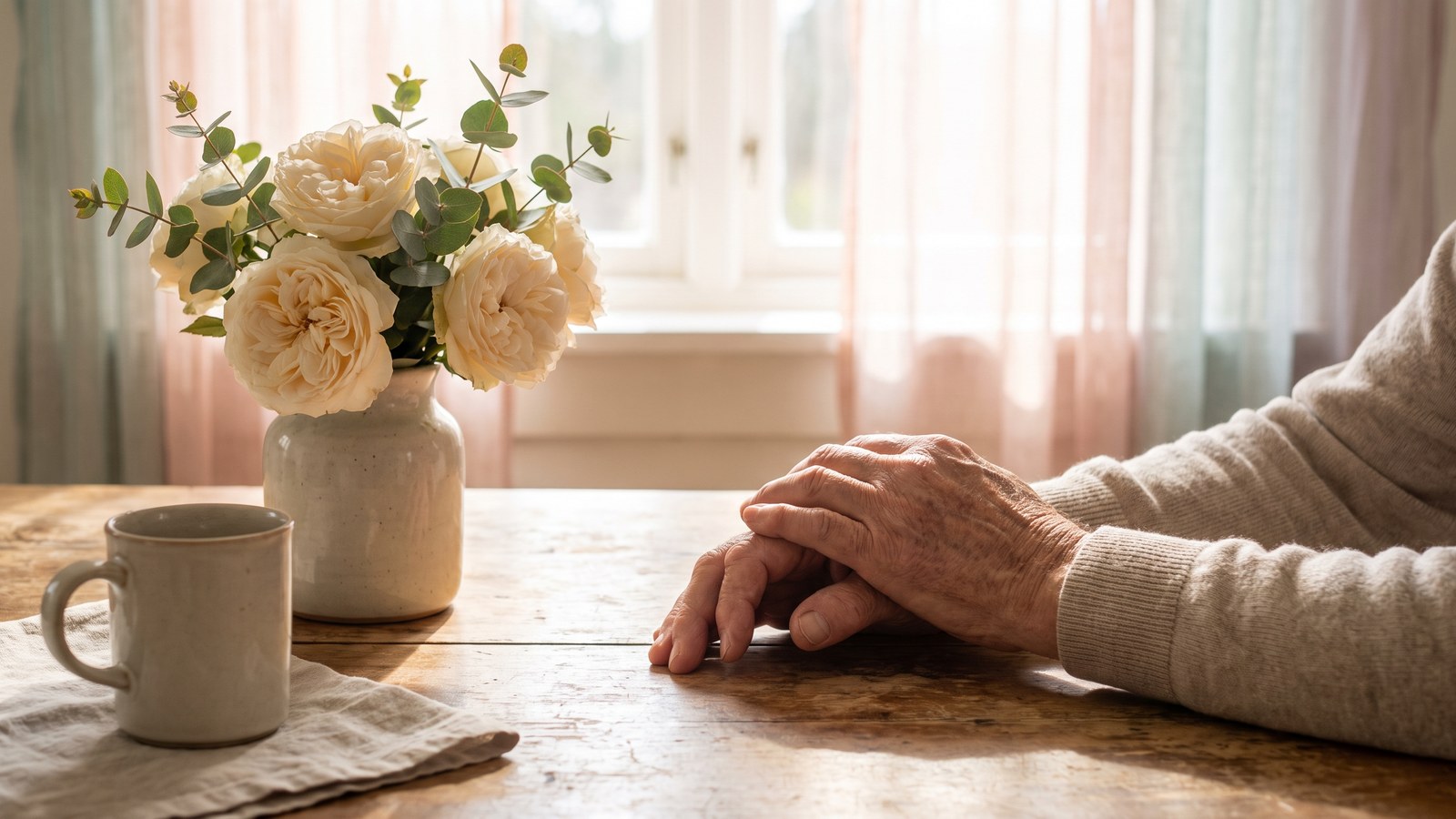
To arrange roses in a rose bowl, clean the bowl, add water and use a floral-tape grid across the dry rim if the stems need support. Remove leaves that would sit underwater, cut the stems gradually to length, then place roses around the edge and work towards a slightly raised centre. Keep every cut stem end submerged and leave enough space for the blooms to open.
Customers often ask us how to make roses sit neatly in a low, round bowl without the flowers slipping sideways. The useful distinction is between the width of the bowl and the width of its opening: a generous bowl with a narrow neck supports stems differently from an open, shallow dish. At Pyat Tsvetov (5 Flowers), we start with the vessel and the condition of the roses before deciding on the outline. The method below creates a low arrangement that can be viewed from every side.
Choose a bowl that supports the arrangement
Use a watertight bowl that stands firmly on a flat surface and has an opening you can reach for cleaning. A rounded body with a narrower mouth helps gather the stems, while a wide opening usually needs a support grid. Check the inside for residue and wash it thoroughly before adding flowers. If you are using a decorative container that is not watertight, place a suitable watertight vessel inside it.
Decide where the finished bowl will stand before you cut anything. For a dining table, aim for a low outline that lets people see across it; for a side table, a slightly higher centre may suit the space. Hold a few roses above the opening to judge their scale against the bowl, allowing for the flowers to open further. Choose the number of stems by their head size and the space available, rather than following a fixed count.
Prepare the roses before cutting them short
Set out clean, sharp flower snips or secateurs, a clean container of water and floral tape if needed. Unwrap the roses and remove any leaves that would fall below the waterline in the finished bowl. Handle the heads gently and remove only damaged outer petals when necessary. Avoid stripping away healthy petals simply to make every flower look identical, and remove only thorns that interfere with handling or placement.
If the roses have spent time out of water, recut their stem ends and stand them in a clean container of water while you prepare the bowl. Use cut-flower food according to its packet instructions, including the stated dilution. Do not estimate a stronger dose or combine it with household cleaning products. If a rose is already drooping, give it attention separately before using it as a central flower; our guide to reviving wilted roses after delivery explains practical first steps.
Bouquets we can deliver




Make a support grid and set the water level
For a broad opening, dry the rim completely and run narrow strips of floral tape across it in both directions to form a grid. Leave openings large enough to insert and adjust stems without forcing them through. Press the tape ends firmly onto the outside of the rim, keeping them discreet. The grid should guide the stems into position; it should not be expected to hold heavy flower heads suspended above the bowl.
Add water carefully through an opening in the grid, keeping the taped rim dry. Set the level high enough to cover the cut ends, including those of stems angled towards the sides, but keep foliage out of the water. Look through a clear bowl or check from above as you work, since a stem can appear secure while its end sits above the surface. A narrow-necked bowl may hold the stems without tape, so test that support before adding a grid.
Build a rounded shape from the outside in
Start with a few roses spaced around the edge, with their heads just above the rim and their stems angled into the bowl. Measure each stem against its intended position before cutting, leaving it a little longer on the first pass. Make a clean angled cut, place the rose and shorten it again only if necessary. Check that the cut end reaches water and that the flower head rests clear of the rim rather than being pressed against it.
Add the next roses between those first placements, then fill towards the centre with heads sitting slightly higher. Turn the bowl regularly so that you build a rounded outline instead of a strong front and an unfinished back. Leave small gaps between the heads, especially when using roses that are still opening. If a flower keeps sliding, adjust its stem angle or move it to another grid opening before adding more roses to the same spot.
Finish by checking the arrangement at table height as well as from above. Move any rose that is hidden beneath its neighbours, and lower a stem that breaks the outline more than you intended. A single-colour arrangement makes differences in height easy to see, while repeated colours can help a mixed arrangement feel balanced around the bowl. Stop when the shape holds together comfortably; squeezing in extra stems can crush petals and make maintenance awkward.
Keep the water accessible and the petals dry
Check the water level every day, because the amount a low bowl holds can be easy to overestimate. Top it up carefully between the stems, avoiding the flower heads and the tape. Keep the arrangement away from direct sun, radiators, heating vents and ripening fruit. Choose a position where people will not repeatedly brush the petals or knock the bowl as they pass.
Refresh the water regularly and promptly if it becomes cloudy or develops an unpleasant smell. If the grid prevents proper cleaning, photograph the arrangement, lift out the stems and rebuild it after washing the bowl and recutting the ends. Remove fallen leaves and deteriorating flowers instead of letting them remain in the water. Vase life varies with the roses and their conditions, so use our rose vase-life guide for care advice rather than treating a particular number of days as a promise.
Plan a rose gift and delivery in Russia
If you are sending roses to someone who enjoys arranging flowers, consider whether they have a suitable bowl and time to work with the stems. Browse the bouquets catalogue for the options shown, and check the listing rather than assuming that a pictured vessel is included. Pyat Tsvetov has operated since 2011 and has three own flower shops in Saint Petersburg. We deliver flowers across Russia; city delivery costs 500 RUB, while the operator confirms the price for remote districts and suburbs when confirming the order.
For a meal or visit, allow time for the recipient to unpack the flowers and prepare their bowl. Express delivery in large cities takes 1–2 hours after order confirmation; delivery can also be arranged at an exact time within ±30 minutes, in the windows 09–12, 12–15, 15–18 or 18–21, or pre-ordered 1–30 days ahead. In Saint Petersburg, delivery is available around the clock. The courier calls the recipient about 15 minutes before arrival, so choose contact details that let them coordinate the handover.
Delivery is anonymous by default, which means the courier does not name the sender; add your name to the free card text if you want the recipient to know who sent the roses. If the recipient is absent, we agree a second delivery the same day or a handover to a neighbour or concierge with the sender's consent. Online checkout uses CloudPayments, and customers paying from abroad should check the options displayed at checkout. See delivery and payment for details, or call 8 (812) 507-67-05 with questions.
Frequently asked questions
How many roses do I need for a rose bowl?
The number depends on the bowl opening, the size of the flower heads and how closely you want them spaced. Test a few stems around the rim first, then add enough to complete the shape while leaving room for the blooms to open.
How short should I cut the rose stems?
Measure each stem against its intended position, keeping the flower head above the rim and the cut end underwater. Cut gradually, since the outer roses and raised centre usually need different stem lengths.
Can I arrange roses in a bowl without floral foam?
Yes, a narrower opening may support the stems on its own, and a floral-tape grid can help with a wider opening. Check each stem after placement to make sure its cut end remains submerged.
Why do my roses fall sideways in the bowl?
The opening may be too wide to hold the stems at the angle you want, or the stems may be too long for the intended shape. Try a support grid, reposition the stems and shorten them gradually while checking their access to water.
Should rose heads touch the water in a rose bowl?
For this arrangement, keep the flower heads above the water and remove foliage that would be submerged. Add water gently between the stems so that you do not soak the petals.
Ready to send a bouquet?
Pick a city, choose the flowers, and we will hand them over with a photo confirmation.
Choose a city →