
How to Perk Flowers Back Up at Home
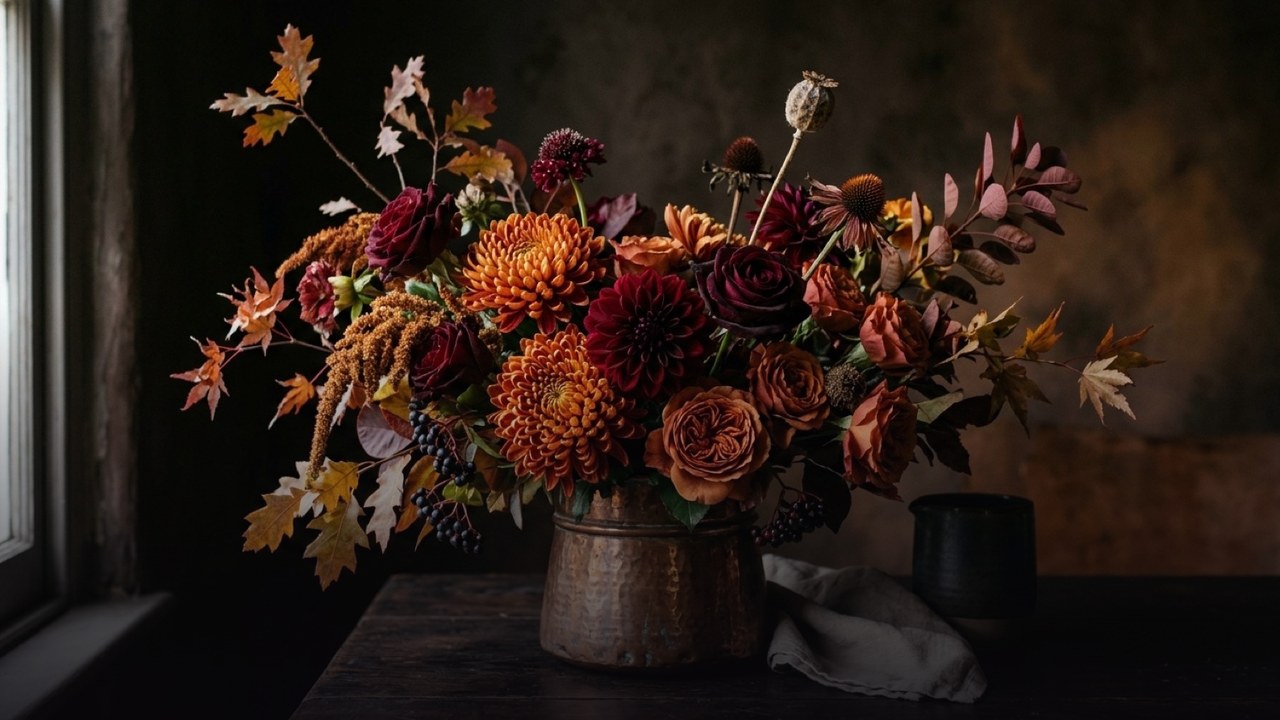
To perk flowers back up, clean the vase, remove submerged leaves and recut the stems before putting them straight into fresh water. Add cut-flower food according to its packet instructions, then leave the bouquet in a cool place away from direct sun and heating. Reassess after a few hours: flowers drooping from water loss may improve, while ageing or damaged blooms may not.
Customers at Pyat Tsvetov (5 Flowers) often ask whether a drooping bouquet needs more water or has simply reached the end of its vase life. The useful distinction is between a thirsty flower with a firm stem and one with soft, decaying tissue. Our Saint Petersburg flower shops have been open since 2011, and the practical starting point is straightforward: inspect the bouquet before treating it, then change the conditions that caused the problem.
Check what has wilted before trying to revive it
Lift the bouquet out of its vase and look at the water, stem ends and flower heads separately. Cloudy water, a sour smell or slippery stems suggest that the vase needs cleaning and affected material needs removing. Clear water does not rule out a problem: the level may have fallen below some stems, especially in a loosely arranged bouquet.
Gently feel a drooping stem without squeezing the flower head. A firm stem with limp leaves or petals is a more promising candidate for rehydration than one that is mushy, split or sharply creased. Dry, papery petals and browning edges will not become fresh tissue again, although removing a damaged outer petal can sometimes improve a rose’s appearance.
Separate flowers showing fuzzy mould or obvious decay from the rest of the arrangement. Remove fallen petals and loose leaves from the water as well, since leaving them there makes good vase hygiene harder to maintain. If only one flower has collapsed, assess that stem on its own instead of subjecting every healthy bloom to an unnecessary treatment.
Clean the vase and give every stem access to water
Wash the vase with washing-up liquid, rinse it thoroughly and refill it with fresh drinking-quality water. Pay attention to residue around the base and inside a narrow neck, where a quick rinse may leave debris behind. Choose a vase that holds the bouquet securely without packing the stems so tightly that you cannot check the water level.
Use clean, sharp secateurs or a suitable sharp knife to remove roughly one to two centimetres from each stem end. Cut above a crushed or deteriorating section if necessary, while keeping enough stem to support the flower in its vase. A slight angle can help prevent the end sitting flat against the base; avoiding a crushed cut matters more than achieving a particular angle.
Put each freshly cut stem into water promptly, and remove every leaf that would sit below the waterline. Add commercial cut-flower food at the dilution stated on its packet, measuring the water rather than guessing. If you have no flower food, use clean water for now; improvised mixtures of sugar, bleach or household acids are easy to get wrong.
Bouquets we can deliver




Let the bouquet rehydrate in a suitable place
Move the vase away from direct sunlight, radiators, hot appliances and strong draughts. A cool room with indirect light gives thirsty stems a better chance to recover without adding unnecessary heat stress. Keep the bouquet away from ripening fruit too, because the ethylene it releases can shorten the vase life of sensitive flowers.
Allow several hours before deciding whether the treatment has helped, and look for firmer leaves or better-supported heads. Do not keep lifting the flowers out to check them: confirm that the cut ends remain submerged, then leave them undisturbed. Some stems may improve sooner than others, and an old bloom may remain limp despite careful handling.
Avoid boiling-water tricks, prolonged ice baths and putting an entire mixed bouquet into a domestic fridge. Different flowers respond differently, and a fridge may expose them to excessive cold, drying airflow or fruit. For more on assessing a struggling arrangement, see Bringing Flowers Back to Life, while keeping the initial treatment gentle.
Adjust the care to the flowers in front of you
With roses, distinguish a naturally angled head from a neck that has suddenly bent beneath the bloom. Recutting and rehydrating may help when water uptake is the problem, but a damaged neck may never support the head properly again. Avoid pulling off several layers of petals in an attempt to make an ageing rose look newly opened; this can leave the bloom looking sparse.
Tulips can continue growing and curve towards light after cutting, so a change in shape is not always a sign of thirst. Check their leaves, stem firmness and water supply before trying to straighten them. Give them a supportive vase and enough space, then turn the vase occasionally if the stems are leaning strongly towards a window.
Hydrangeas can lose firmness noticeably when short of water, but soaking every flower head is not a universal remedy for a mixed bouquet. Start with clean water and a fresh stem cut, and avoid wetting petals that already show spotting or decay. For gerberas and other flowers with easily damaged stems, handle the stem gently and never force a bend straight.
Keep recovering flowers fresh and know when to stop
Check the water level every day, especially during the first day after a thirsty bouquet is recut. Top it up before any stem ends become exposed, and replace the water promptly if it turns cloudy or develops an odour. When changing it, clean the vase again and follow the flower-food packet’s instructions for preparing a fresh solution.
Remove spent flowers as they decline instead of waiting for the entire bouquet to fade together. If shortened stems no longer sit safely in the original vase, move the remaining flowers into a smaller clean vessel. A compact arrangement of sound blooms often looks better than tall stems struggling to hold damaged flower heads upright.
Stop attempts to revive a stem when it becomes soft, develops mould or continues collapsing despite fresh water and a sound cut. Repeated trimming cannot reverse ageing, and misting will not repair dead petals. If a bouquet is intended for a visit or celebration, inspect it with several hours to spare so you can judge its condition before leaving.
Sending flowers to Russia when you cannot be there
If you are abroad and want to send flowers to someone in Russia, choose a bouquet from our Bouquets catalogue and check the delivery arrangements for the destination. We deliver across Russia; city delivery costs 500 RUB, while the operator confirms the price for remote districts and suburbs when confirming the order. Online checkout uses CloudPayments, so check the payment options displayed there for your card.
In large cities, express delivery is available in one to two hours after order confirmation. You can also choose an exact time with a margin of plus or minus 30 minutes, a window of 09–12, 12–15, 15–18 or 18–21, or preorder one to 30 days ahead. Saint Petersburg delivery operates around the clock; see Delivery and payment when planning the timing.
Choose a time when the recipient can receive the bouquet and put it into water soon afterwards. The courier calls about 15 minutes before arrival; if the recipient is absent, we agree a second delivery that day or a handover to a neighbour or concierge with the sender’s consent. Delivery is anonymous by default, so include your name in the free message card if you want the recipient to know who sent it; questions can be discussed by phone on 8 (812) 507-67-05.
Frequently asked questions
How long does it take for wilted flowers to perk back up?
Allow several hours after cleaning the vase, recutting the stems and placing them in fresh water. Recovery depends on the flower and the cause of wilting; ageing or damaged tissue may not recover.
Should I use hot or cold water to revive a bouquet?
For an unidentified mixed bouquet, start with fresh water at room temperature. Avoid boiling water and ice treatments unless you have reliable instructions specific to the flower.
Does adding sugar help drooping flowers?
Sugar alone is not a balanced substitute for commercial cut-flower food and can encourage microbial growth in vase water. Use flower food at its stated dilution, or use clean water if none is available.
Can I perk flowers back up without cutting the stems?
Refreshing the water may help if the vase simply ran low, but deteriorated stem ends can limit water uptake. A fresh cut with a clean, sharp tool is a useful part of the first recovery attempt.
Should I remove the wrapping before putting flowers in water?
Remove decorative wrapping that prevents the stems from reaching the water or hides the water level. Keep any structural tie only if it supports the arrangement without crushing the stems or holding submerged leaves in place.
Ready to send a bouquet?
Pick a city, choose the flowers, and we will hand them over with a photo confirmation.
Choose a city →