
Lisianthus Pestovanie: How to Grow and Care for Lisianthus
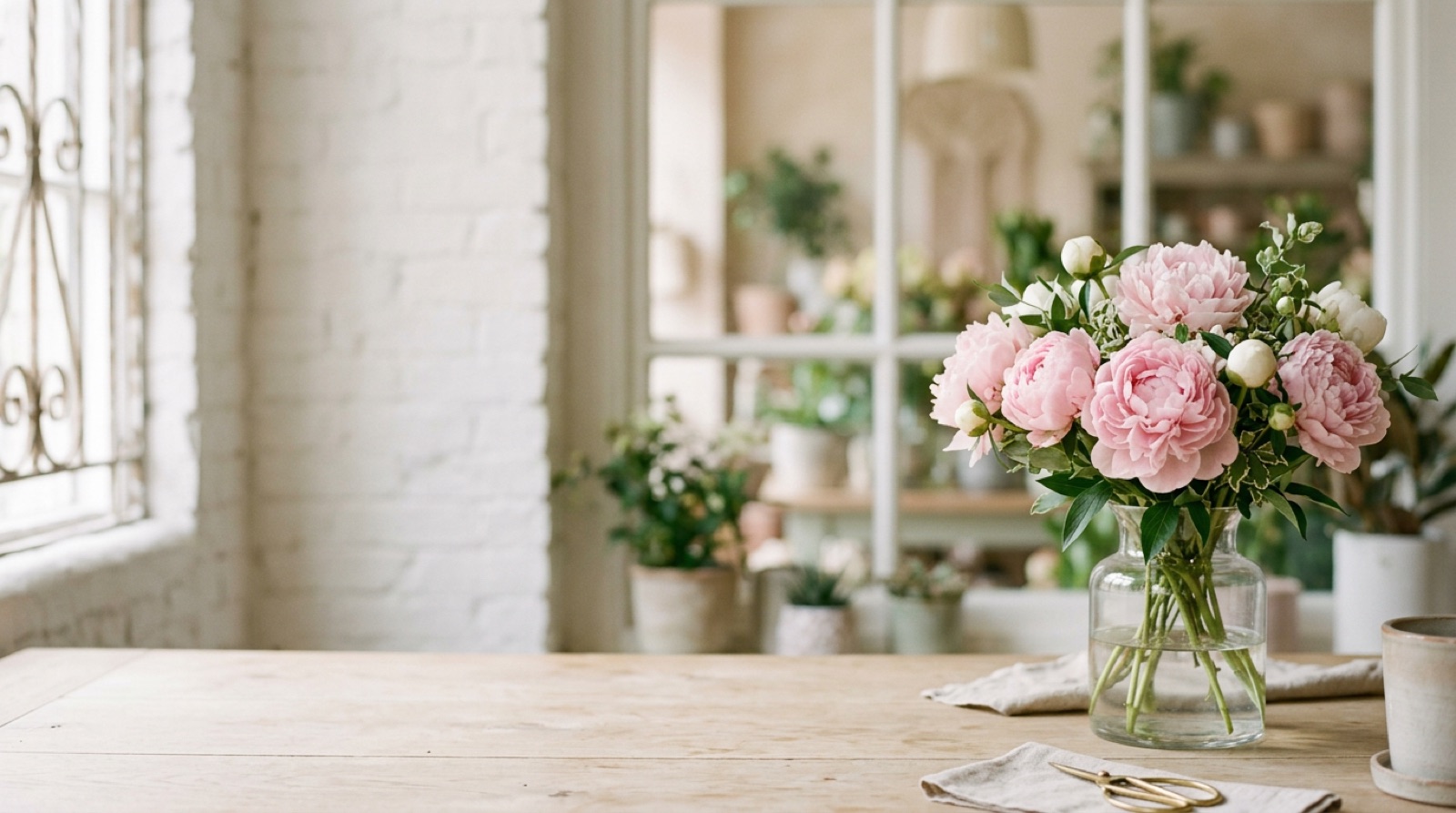
“Lisianthus pestovanie” means growing lisianthus: start with surface-sown seeds or young plants, provide strong light and freely draining soil, and keep moisture even without waterlogging. Lisianthus, also called eustoma, develops slowly, so buying young plants is often the more manageable route for a first attempt. Garden plants need a suitable growing season, while cut stems need clean water and careful handling.
At Pyat Tsvetov (5 Flowers), customers often ask whether the eustoma in a bouquet can become a flowering houseplant. A cut stem and a rooted plant need different care: putting bouquet stems in water preserves their display but is not a reliable way to establish a plant. Our Saint Petersburg flower shops have been working since 2011, and this guide separates growing advice from the practical care of flowers bought as a gift.
Choose seeds or young plants to suit your growing space
Start by deciding where the plant will flower: a garden bed, a balcony container or a very bright indoor position. Tall varieties grown for cutting usually need support, while compact varieties are easier to accommodate in pots. Read the variety description before buying, because the height and flowering habit affect both space and care.
Young plants remove the most delicate stage of cultivation and make it easier to judge root and leaf health. Look for firm growth, evenly coloured foliage and a root ball that is moist rather than saturated. Avoid specimens with a soft stem base, persistent wilting or tightly congested roots; these problems complicate establishment.
Seeds offer more choice but demand patience, bright conditions and early planning. Work backwards from the sowing and flowering guidance on the packet instead of assuming a spring sowing will quickly produce summer flowers. For a broader introduction to the plant and its requirements, see growing eustoma at home.
Sow lisianthus carefully and protect its early growth
Lisianthus seeds are very small and are often sold in a coating to make handling easier. Use clean trays and a fine seed-starting medium, then moisten the surface before sowing. Place seeds on top and press gently for contact rather than burying them, following the packet instructions because light is needed for germination.
A transparent cover can help retain moisture, but the compost must not become sodden. Check the surface regularly and water gently so the seeds stay in position; coated seeds need sufficient moisture for their coating to soften. Provide ventilation and remove the cover as seedlings establish, since a permanently damp, enclosed tray encourages disease.
Give seedlings strong light and follow the supplier's temperature guidance for the particular seed. An ordinary dim windowsill may produce weak, stretched growth, especially during short winter days. Keep records of sowing and emergence, and judge progress by healthy new leaves rather than expecting rapid height gain.
Bouquets we can deliver




Plant out with good drainage, light and root protection
Move seedlings into individual pots when they can be handled safely, keeping disturbance to the roots low. Hold a seedling by a leaf rather than squeezing its fragile stem, and retain as much surrounding compost as possible. Plant at the previous depth, water gently and allow it to settle before another move.
For outdoor planting, wait until the risk of frost has passed and acclimatise plants gradually to outdoor light and wind. Choose a sunny position with soil that drains freely, avoiding places where rainwater collects. Space plants according to the variety instructions so air can move between them and leaves do not remain crowded and damp.
Containers need drainage holes and a suitable potting mix rather than dense garden soil. Water thoroughly, let surplus water escape and empty any saucer that leaves the pot standing in water. Tall plants benefit from stakes or a support grid installed early, before loaded flowering stems begin to lean.
Read the plant before changing its care
Check the compost before watering: a wilted plant may be dry, but damaged roots in wet soil can also cause wilting. Feel below the surface and consider the weight of the pot instead of following a fixed daily schedule. Aim for even moisture, with enough drainage and air around the roots to prevent prolonged saturation.
Feed established plants with a fertiliser suitable for flowering plants, using the label rate and frequency. Extra fertiliser will not correct poor light or unhealthy roots, and excessive feeding can damage growth. If stems stretch towards a window or lean heavily to one side, improve the light before increasing the feed.
Inspect shoot tips and leaf undersides regularly for aphids and other pests, particularly when bringing plants indoors. Remove badly affected material and identify the problem before choosing a treatment suitable for the plant and setting. Keep water off flowers where possible and improve spacing if foliage stays wet; soft stems or spreading decay need prompt attention.
Care for cut lisianthus and choose a thoughtful gift
For a bouquet, begin with a clean vase, fresh water and a clean cutting tool. Recut stem ends and remove every leaf that would sit below the waterline, then add flower food according to its instructions if supplied. Avoid crushing the stems or packing them so tightly that the lower leaves are difficult to inspect.
Check the water daily, replenish it as needed and replace it if it becomes cloudy, washing the vase before refilling. Keep flowers away from heaters, direct sun and ripening fruit, and remove fading blooms carefully without damaging neighbouring buds. Some buds may continue opening, but very immature buds should not be relied on to develop fully in a vase.
Lisianthus is often associated with appreciation and affection, although flower meanings vary between people and cultures. Choose colours around the recipient's preferences and write a clear message rather than expecting symbolism to explain the occasion. Our guide to lisianthus meanings and eustoma bouquet care advice can help with those decisions.
Send flowers to Russia with clear timing and instructions
If you are abroad and want to send flowers to someone in Russia, start with our bouquets catalogue and check the current selection. Enter the recipient's details and delivery address carefully, and add any useful access instructions. Pyat Tsvetov delivers flowers across Russia; city delivery costs 500 RUB, while an operator confirms the price for remote districts and suburbs when confirming the order.
In large cities, express delivery is available within 1–2 hours after order confirmation. You can also arrange an exact time within a margin of 30 minutes, choose 09–12, 12–15, 15–18 or 18–21, or pre-order 1–30 days ahead. Delivery operates around the clock in Saint Petersburg. For a date that matters, ordering ahead gives you time to clarify the delivery details.
Delivery is anonymous by default: the courier does not name the sender, and a card with your text is free. Include your name in that text if you want the recipient to know who sent the flowers. The courier calls about 15 minutes before arrival; if the recipient is absent, we agree another delivery that day or, with the sender's consent, hand the flowers to a neighbour or concierge.
Online checkout uses CloudPayments; check the payment options displayed there rather than assuming that every foreign-issued card will work. Keep the order details available if you need to discuss timing or clarify instructions. For questions, call 8 (812) 507-67-05, and consult our delivery and payment information when planning the gift.
Frequently asked questions
What does “lisianthus pestovanie” mean?
It is a Slovak search phrase meaning growing or cultivating lisianthus. The same flower is also commonly called eustoma.
Is lisianthus easy to grow from seed?
It requires patience because the seeds are tiny and early growth is slow. Young plants are usually a more manageable starting point if you cannot provide consistent light and moisture for seedlings.
Can I grow lisianthus from a bouquet stem?
A cut bouquet stem is not a reliable starting point for growing a new plant. Choose seeds or a rooted young plant, and care for bouquet stems as cut flowers.
Why is my potted lisianthus wilting when the soil is wet?
Wet compost can indicate poor drainage or root damage, so adding more water may worsen the problem. Check drainage holes, empty standing water and inspect the stem base for soft or decaying tissue.
Can I send lisianthus to Russia while living abroad?
You can order flowers for delivery across Russia through our website, checking the current catalogue for your choice. Checkout uses CloudPayments; consult the displayed options because acceptance of every foreign-issued card is not guaranteed.
Ready to send a bouquet?
Pick a city, choose the flowers, and we will hand them over with a photo confirmation.
Choose a city →