
Major Flowers Grown in the Netherlands and How to Choose Them
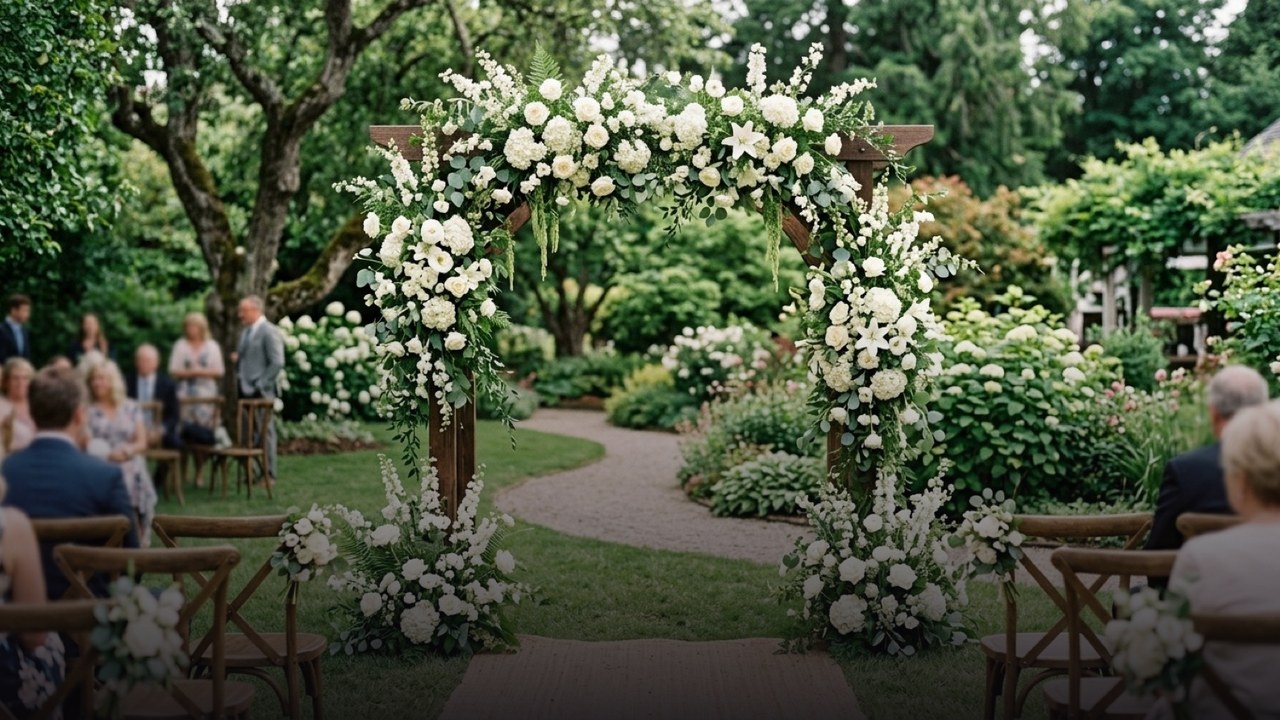
The major flowers grown in the Netherlands include tulips, chrysanthemums, roses, lilies, gerberas and orchids, alongside bulb flowers such as daffodils and hyacinths. Dutch growers also cultivate cut flowers including lisianthus, freesias and gladioli, so the country's flower production extends well beyond its famous tulip fields.
In our shops, customers often ask which of these flowers will suit a birthday, feel appropriate for a colleague or be comfortable in a small flat. Those decisions depend on scent, shape, opening stage and the recipient's preferences as much as on the flower's name. At Pyat Tsvetov (5 Flowers), with three own flower shops in Saint Petersburg and a history dating back to 2011, we start with those practical details. This guide explains what to look for without assuming that a flower associated with the Netherlands is available in every bouquet or season.
Tulips, daffodils and hyacinths: the spring bulb flowers
Tulips are the clearest starting point for understanding Dutch flowers, but their appearance varies considerably. Single tulips have a clean cup shape, double varieties look fuller, and fringed or parrot types have more elaborate petals. For a restrained gift, one colour gives the stems a clear visual rhythm; mixed colours feel more informal. Tulips continue to grow and bend after cutting, so a bouquet can change shape in the vase without this being a sign of poor condition.
Daffodils and hyacinths offer two quite different alternatives: daffodils have distinctive trumpet centres, while hyacinths carry clusters of small, strongly scented flowers. Choose hyacinths cautiously for a desk, bedroom or recipient whose fragrance preferences are unknown. Freshly cut daffodils release sap that can affect other flowers, so keeping them in a separate vase is the simplest home-care approach. For more background on spring displays and seasonal context, read Flowers in the Netherlands: Tulips, Seasons.
Roses and lilies: choosing by shape, scent and opening stage
Roses are an important Dutch greenhouse crop and a familiar choice for gifts, but colour alone does not explain their character. A standard rose has one principal flower per stem, whereas spray roses carry several smaller blooms and create a more branching outline. Red roses commonly suggest romance, while pink, cream or mixed shades can suit a wider range of relationships. These associations are conventions rather than fixed rules: a recipient's favourite colour is usually a better guide than a rigid colour dictionary.
Lilies give a bouquet height and prominent flowers that open progressively along the stem. Some types are strongly scented, while others have little fragrance, so check the variety if scent matters. Remove loose pollen-bearing anthers carefully as the flowers open, before pollen marks fabric or furniture. Most importantly, true lilies are highly toxic to cats, including their pollen and vase water; for a household with cats, choose a bouquet without lilies and keep all cut flowers beyond pets' reach.
Bouquets we can deliver




Chrysanthemums and gerberas: colour with a clear structure
Chrysanthemums are another major Dutch cut-flower crop, with forms ranging from small daisy-like blooms to rounded pompons and large single heads. Spray chrysanthemums bring several flowers on one stem, helping a bouquet look full without relying on very large blooms. They are useful when the recipient prefers a clearly shaped, colourful arrangement to a loose, delicate one. When selecting them, look for firm foliage and clean petals rather than judging freshness only by how tightly the flowers are closed.
Gerberas have a broad, daisy-like face and work well when you want distinct blocks of colour. Their exposed stems make clean vase water particularly important, and the flower heads should sit above the vase rim without being squeezed together. A bright gerbera bouquet can suit a friendly birthday or a thank-you gift, although the recipient's taste should lead the choice. Chrysanthemum meanings also vary between countries, including mourning associations in some European traditions, so consider the recipient's cultural background.
Orchids, lisianthus and freesias: different kinds of delicacy
Orchids grown in the Netherlands include plants sold in pots as well as flowers grown for cutting. Those are different gifts with different care needs: a potted Phalaenopsis needs suitable light and watering, while a cut orchid stem belongs in a vase. If you are choosing for someone who travels frequently, first establish whether they actually want a living plant. Do not assume that every orchid shown in a photograph is a cut flower, or that a bouquet listing includes a pot.
Lisianthus has soft, layered flowers that can suggest roses while giving a bouquet a lighter, branching shape. Freesias add smaller flowers along an arching stem and are often fragrant, making scent another point to check before choosing them for a shared room. Both can soften a mixed bouquet without needing a complicated explanation of symbolism. Gladioli and dahlias also belong in a broader picture of Dutch flower growing, but their height and flower form create a different effect from these finer stems.
How season, freshness and vase care affect your choice
Dutch flower growing includes both outdoor production and greenhouse cultivation, so the spring field calendar does not describe every cut flower sold during the year. Equally, a flower appearing in Dutch trade does not establish that it was grown in the Netherlands. If origin is essential to your choice, rely on specific, verified product information rather than the phrase 'Dutch flowers' alone. For a gift, begin with the bouquet currently offered and its stated contents instead of assuming that a particular variety is always available.
Once flowers arrive, use a clean vase, remove leaves that would sit below the waterline and trim the stems with a clean, sharp tool. Follow any flower-food instructions supplied, refresh the water regularly and keep the vase away from radiators, direct sun and ripening fruit. Remove individual flowers as they fade so the remaining stems have clean water and space. Allow opening buds room to expand, and judge changes in context: a tulip bending towards the light behaves differently from a gerbera whose stem has collapsed.
Sending flowers to Russia or to the Netherlands
To send flowers to someone in Russia, start with the bouquets catalogue, choose the gift and enter the delivery details and your card message. We deliver across Russia; city delivery costs 500 RUB, while an operator confirms the price for remote districts and suburbs when confirming the order. In large cities, express delivery is available within 1–2 hours after order confirmation; other options include an exact time with a margin of ±30 minutes, the windows 09–12, 12–15, 15–18 or 18–21, and pre-ordering 1–30 days ahead. Saint Petersburg delivery operates around the clock; see Delivery and payment for delivery information.
For a recipient in the Netherlands, use our Flower delivery abroad page, which is in Russian, to reach the relevant country or city selection. We deliver abroad to 48 countries and more than 1,550 cities, including six in the Netherlands: Alphen aan den Rijn, Bergen op Zoom, Hoofddorp, Leiden, Roosendaal and Zoetermeer. Choose a bouquet on the country or city page, enter the address and card text, then pay online in rubles; the displayed international bouquet price already includes delivery. Checkout uses CloudPayments, so check the payment options displayed there; acceptance of every foreign card is not guaranteed, and the Russian delivery fee and timing conditions do not apply to orders abroad.
Frequently asked questions
Are tulips the only major flowers grown in the Netherlands?
No. Chrysanthemums, roses, lilies, gerberas and orchids are also important crops, alongside daffodils, hyacinths, lisianthus and other cut flowers.
Does a flower sold through the Netherlands necessarily grow there?
No: a trading location does not establish a flower's growing origin. If origin matters, look for verified information about the specific flowers rather than relying on a general Dutch association.
Can I send flowers anonymously to someone in Russia?
Yes, delivery is anonymous by default: the courier does not name the sender. A card with your text is free, so include your name in the message if you want the recipient to know who sent it.
What happens if the recipient is unavailable?
The courier calls about 15 minutes before arrival. If the recipient is absent, we agree a second delivery that day or, with the sender's consent, handing the flowers to a neighbour or concierge.
How can I ask about an order or payment?
Call 8 (812) 507-67-05 with order questions. Online payment uses CloudPayments; check the options shown at checkout rather than assuming that a particular foreign card will be accepted.
Ready to send a bouquet?
Pick a city, choose the flowers, and we will hand them over with a photo confirmation.
Choose a city →