
Nerine bulbs: a practical guide from planting to autumn flowers
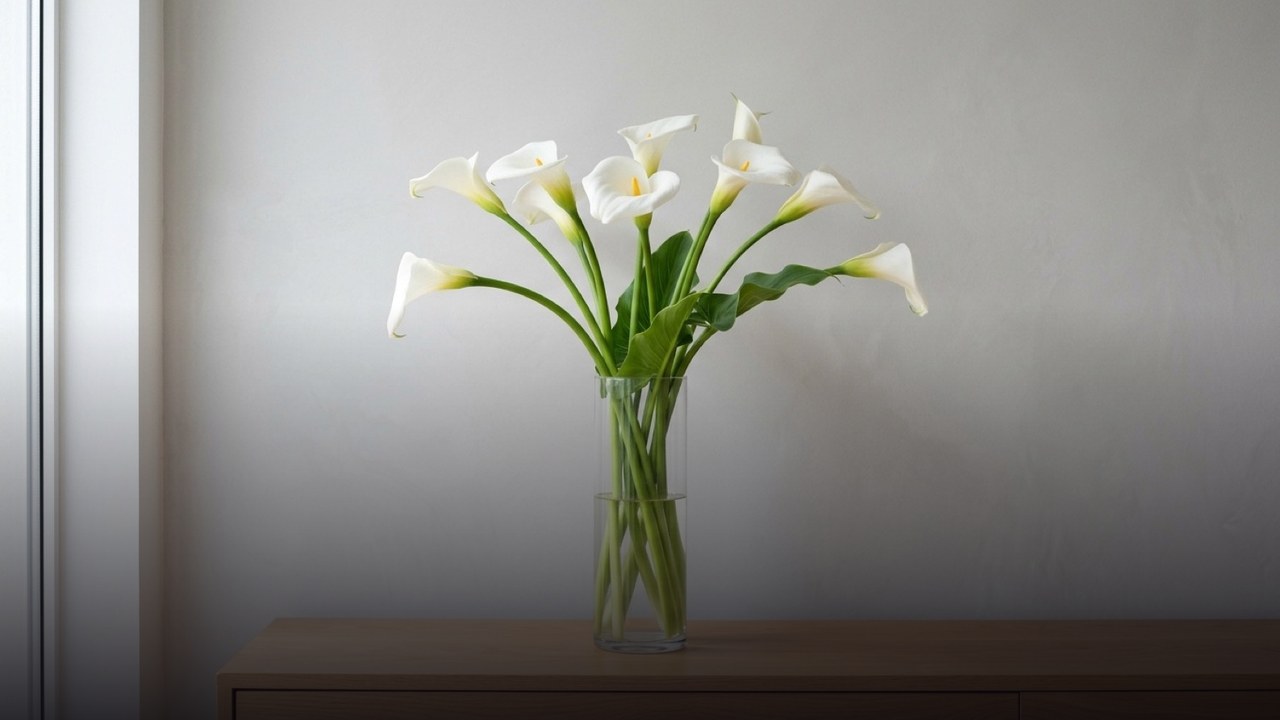
Nerine bulbs are planting material for perennial plants grown for their clusters of narrow, curling flowers, often in autumn. Choose a named species or cultivar, plant with the bulb neck exposed, and match watering to its growth cycle: Nerine bowdenii and Nerine sarniensis need different seasonal care. A bulb purchase is for growing a plant; for a gift needed on a particular date, look for cut flowers instead.
Customers asking about nerines often need to establish whether they want something to grow or stems to put in a vase. At Pyat Tsvetov (5 Flowers), with three flower shops in Saint Petersburg and a history dating back to 2011, that distinction helps us give useful advice. This guide explains how to assess planting stock, avoid common growing mistakes and plan a flower gift to Russia without confusing bulbs with a finished bouquet.
Choose bulbs by species and condition
Start with the botanical name, because a label saying only ‘nerine’ leaves important care questions unanswered. Nerine bowdenii generally grows its leaves through spring and summer before flowering towards autumn, while Nerine sarniensis follows a winter-growing cycle with a summer rest. Hybrids can differ, so retain the supplier’s label and cultivation instructions. Our guide to Nerine bowdenii provides context for this commonly grown species.
Look for bulbs that feel firm and substantial for their size, with no soft patches, leaking tissue or extensive mould. A dry, papery outer covering is normal and should not be stripped away simply to make the bulb look cleaner. Avoid cutting into a sound bulb to inspect it, as this creates an unnecessary wound. Ask whether the stock is flowering-size or a smaller offset: a healthy young bulb may need further growth before it produces a flower stem.
Plant shallowly in a bright position with free drainage
Nerines need a position where excess water can escape rather than collect around the bulb. For container growing, use a pot with drainage holes and a free-draining potting mix; empty any saucer after watering. Position the bulb with its neck above the surface instead of burying it like a tulip. Give roots room beneath the bulb, and avoid an oversized container that holds a large volume of wet compost around a small root system.
Choose a bright, sunny position, adjusting protection to the species and your local conditions. Do not assume that advice for a sheltered garden in one country transfers directly to a colder or wetter site elsewhere. Containers make it easier to move plants into suitable shelter when needed, although their roots also experience changing conditions more quickly. If planting outdoors, check species-specific guidance for your area before committing bulbs to the ground; drainage alone does not settle the question of winter survival.
Bouquets we can deliver




Water according to growth, not a fixed weekly schedule
Use the plant’s leaves and its known seasonal cycle to guide watering. During active growth, water thoroughly enough to reach the roots, let surplus water drain, and check the compost before watering again. A pot that remains wet for days needs attention to drainage, container size or position rather than another scheduled drink. Feed during active growth according to the fertiliser label, avoiding the assumption that extra fertiliser will force a reluctant bulb to bloom.
For Nerine bowdenii, support the spring and summer leaves while they are green, then reduce watering as growth dies back into winter rest. Nerine sarniensis normally needs moisture during its autumn-to-spring growth and a much drier summer rest. Keep dormant bulbs from sitting in wet compost, but follow the instructions for the actual plant rather than applying one rule to every nerine. Natural leaf yellowing at the end of a cycle is different from sudden collapse in a waterlogged pot.
Help established bulbs flower and divide them sparingly
A newly planted or recently divided nerine may spend a season establishing roots rather than flowering. Other possible causes of missing flowers include insufficient light, planting too deeply, immature bulbs or poor growth during the preceding leafy period. Check those conditions before repeatedly moving the plant or increasing its feed. Keep a simple record of leaf growth, flowering and changes in position so that you can judge its progress across a full growing cycle.
Leave healthy green leaves attached, even when the flowers have finished, because they replenish the bulb for future growth. Remove a spent flower stalk without damaging nearby foliage, and avoid disturbing an established clump every year. Divide when crowding or container condition makes it necessary, choosing the appropriate rest period for the species and preserving roots where possible. Replant offsets at the correct depth and allow them time to mature; division is a way to propagate plants, not a promise of flowers in the next season.
Decide whether the recipient wants a plant or cut flowers
Bulbs suit someone who enjoys gardening, has suitable growing space and is comfortable waiting for seasonal results. Include the botanical name and clear care information, especially if the recipient already grows other bulbs with different needs. For a birthday or another fixed occasion, cut flowers provide a more immediate gift without asking the recipient to establish a plant. A bouquet catalogue does not establish that planting stock is available, so keep those two purchase enquiries separate.
For cut nerines, use a clean vase, recut the stem ends and remove any foliage that would sit below the waterline. Check the water regularly and refresh it when it becomes cloudy, keeping the arrangement away from direct heat and ripening fruit. Their fine, curled petals give arrangements an airy texture, but there is no need to attach a universal symbolic meaning to them. A personal message is clearer than expecting the recipient to interpret the flower choice; see our nerine cut flower guide for more vase-care advice.
Arrange a flower gift to Russia with clear delivery details
If your aim is to send a finished bouquet, start with our bouquets catalogue and check the available choices rather than assuming nerines are in stock. We deliver flowers across Russia; city delivery costs 500 RUB, while the operator confirms the charge for remote districts and suburbs when confirming the order. Express delivery in large cities is available within 1–2 hours after order confirmation, and Saint Petersburg delivery runs around the clock. Other options include an exact time within plus or minus 30 minutes, windows of 09–12, 12–15, 15–18 or 18–21, and pre-ordering 1–30 days ahead.
Enter the recipient’s address and contact details carefully, and add your message for the free card if you want them to know who sent the flowers: delivery is anonymous by default. The courier calls about 15 minutes before arrival; if the recipient is absent, we agree a second delivery that day or handover to a neighbour or concierge with the sender’s consent. Online checkout uses CloudPayments, so customers ordering from abroad should check the payment options displayed there; acceptance of every foreign card is not guaranteed. Read delivery and payment details, or call 8 (812) 507-67-05 with questions.
Frequently asked questions
When should I plant nerine bulbs?
Match planting to the species and the condition in which the bulbs are supplied. Nerine bowdenii is commonly planted in spring, while Nerine sarniensis is generally planted towards the end of summer before autumn growth; follow the named stock’s instructions.
How deep should nerine bulbs be planted?
Keep the bulb neck exposed above the soil or compost surface, with roots accommodated below. Deep burial can contribute to poor flowering, so check the final level after watering settles the compost.
Why are my nerines producing leaves but no flowers?
Possible reasons include immature bulbs, recent disturbance, insufficient sunlight or planting too deeply. Preserve the green leaves and correct the growing conditions, allowing an establishing plant time rather than expecting an immediate response.
Can I grow nerine bulbs in pots?
Yes, provided the container drains freely and the plant receives suitable light and seasonal care. Choose a pot that accommodates the roots without surrounding the bulb with excessive wet compost, and adjust watering to the species.
Can I order nerine bulbs through the bouquet catalogue?
A cut-flower listing is not confirmation that nerine bulbs are sold as planting stock. Check the product description and call 8 (812) 507-67-05 if you need clarification before ordering.
Ready to send a bouquet?
Pick a city, choose the flowers, and we will hand them over with a photo confirmation.
Choose a city →