
Flower Delivery Across Russian Time Zones: When to Order and What to Send
The most common mistake we see is someone in Saint Petersburg placing a flower order at 10 in the morning, expecting it to arrive in time for a birthday dinner in Novosibirsk — not realising that dinner is already over. Russia spans eleven time zones, and that gap is not a detail you can ignore when you want fresh roses on a table at a specific moment. This article gives you the exact arithmetic, the bouquet choices that survive transit well, and the checks to run before you confirm payment.
Why Time Zone Arithmetic Is the First Thing to Get Right
Russia runs from UTC+2 in Kaliningrad to UTC+12 in Kamchatka, and the cities people most often send flowers to sit at very different offsets from Moscow. Novosibirsk is UTC+7, which means it is four hours ahead of Moscow and seven hours ahead of Saint Petersburg. Vladivostok is UTC+10, ten hours ahead of Saint Petersburg. Ekaterinburg is UTC+5, five hours ahead of Saint Petersburg. When a sender in Saint Petersburg checks the clock and sees 11:00, a recipient in Vladivostok is already finishing dinner at 21:00. If you want flowers delivered before that dinner, you needed to order them hours earlier. The practical rule is to take the local time you want the bouquet to arrive in the recipient's city, subtract the time difference between that city and Saint Petersburg, and then subtract at least one to two additional hours to allow for order processing and delivery logistics. If you want a bouquet in Novosibirsk at 14:00 local time, you need to place and confirm the order in Saint Petersburg no later than 07:00, and earlier is always safer. Most customers who call us frustrated about a missed delivery made the same error: they thought in Moscow time or forgot the offset entirely. Writing the recipient's local delivery time in the order notes, and then doing the conversion before you submit, removes almost all of these problems.
Bouquets we can deliver
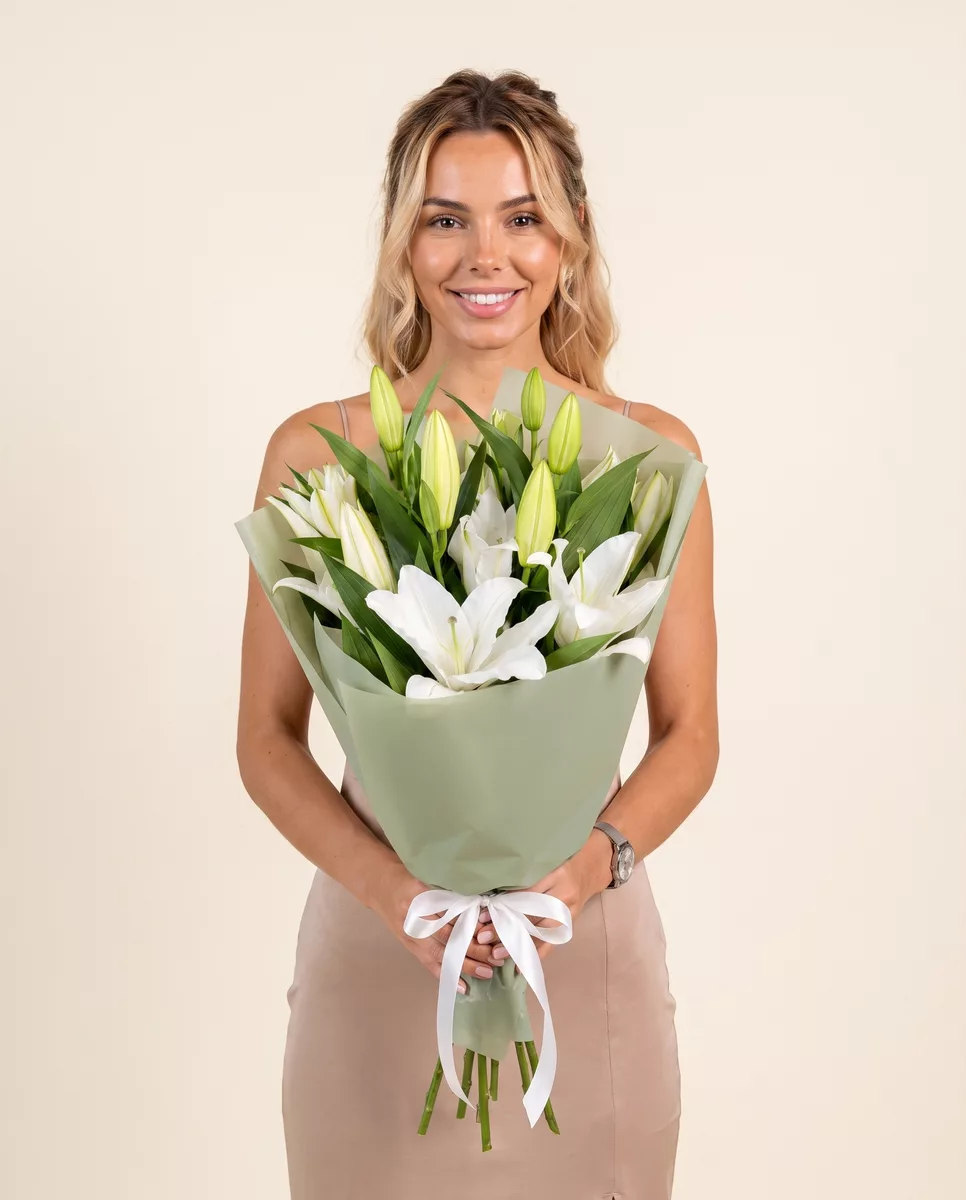
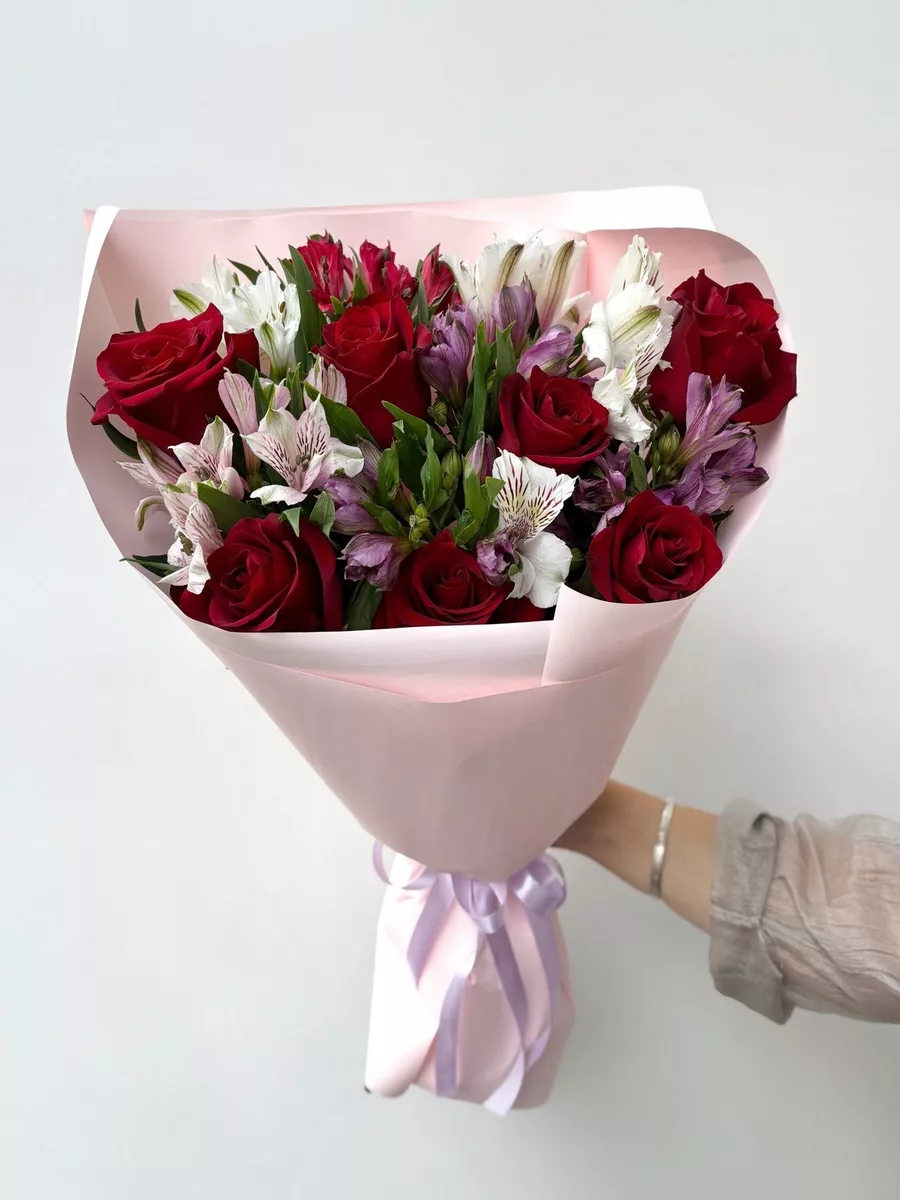
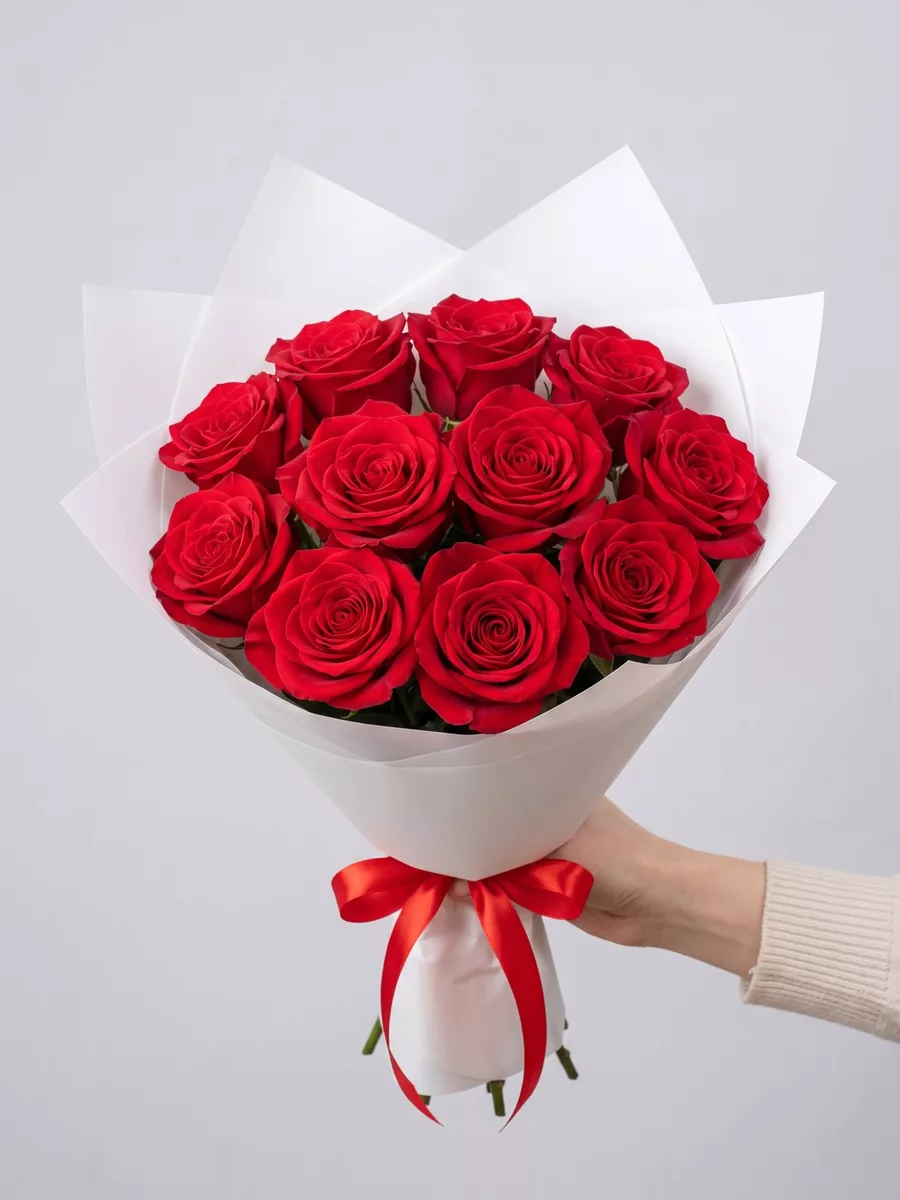
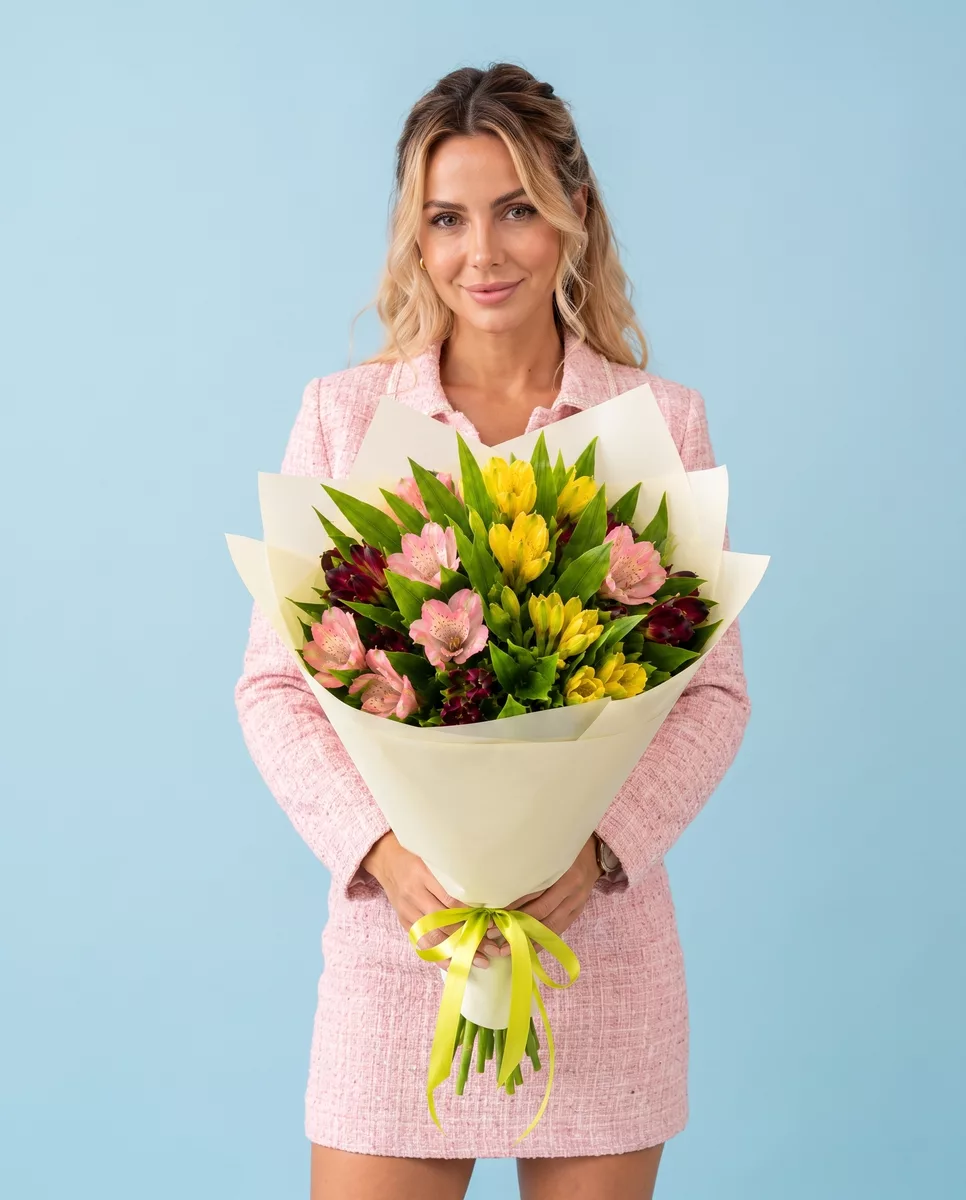
Novosibirsk: Four Hours Ahead and the Busiest Destination East of the Urals
Novosibirsk is the destination we handle most frequently among Siberian cities, and it presents a specific challenge because it sits exactly at the midpoint where many senders miscalculate. The city is UTC+7, four hours ahead of Moscow and seven ahead of Saint Petersburg. A birthday that starts at noon in Novosibirsk means the sender needs to have a confirmed order by 05:00 Saint Petersburg time at the absolute latest, and placing it the evening before is far more reliable. For bouquets going to Novosibirsk, we recommend compositions that hold well at cool temperatures: spray roses, alstroemeria, chrysanthemums and lisianthus all maintain their structure and colour during transit better than open garden roses or ranunculus, which are sensitive to temperature swings and mechanical movement. A mixed bouquet of spray roses and alstroemeria in seasonal colours is a practical choice that photographs well and survives the journey without wilting. Tulips are popular in spring but require careful handling; if you order them for Novosibirsk, specify that they should be sent in bud rather than open bloom, since they continue to open during delivery. Avoid ordering large tropical stems like strelitzia for long-distance delivery in winter, as temperature exposure during handoff points can cause blackening at the petal edges. When filling in the order form, write the recipient's address with the full postcode, confirm that someone will be home in the two-hour delivery window, and note the local time you want arrival — not the Saint Petersburg equivalent.
Vladivostok: The Ten-Hour Gap and What It Means for Same-Day Orders
Vladivostok sits at UTC+10, which is ten hours ahead of Saint Petersburg. That gap makes same-day delivery to Vladivostok one of the trickiest scenarios we deal with. If a sender in Saint Petersburg wakes up on the morning of a recipient's anniversary and decides to order at 09:00, it is already 19:00 in Vladivostok. The working day for the recipient is finished, the celebration is likely underway, and there is no realistic window for a daytime delivery. The honest answer is that for Vladivostok, same-day delivery requires placing the order before midnight Saint Petersburg time on the previous calendar day, or at the very latest by 02:00 to 03:00 Saint Petersburg time on the day of delivery if you want arrival before 13:00 local time in Vladivostok. Planning ahead by one day is simply the safer approach. For bouquets, the same principles apply as for other long-distance destinations: compact, sturdy varieties travel better. A hand-tied bouquet of white and cream spray roses with eucalyptus is a reliable choice. Carnations, which many senders dismiss as old-fashioned, are actually excellent for long-distance delivery because they are extremely robust and last well over a week in water. Lisianthus is another underused option — it looks similar to a garden rose in photographs but holds its shape much better in transit. When ordering for Vladivostok, always confirm the recipient's schedule in advance and make sure they know to expect a delivery, because missed handoffs in a city that far away are difficult to reschedule within the same day.
Ekaterinburg and the Urals: A Smaller Gap with Its Own Pitfalls
Ekaterinburg is at UTC+5, five hours ahead of Saint Petersburg, which makes it feel more manageable than Vladivostok or Novosibirsk — and that is exactly where senders get complacent. The city is the most common destination in the Urals region, and we regularly receive orders where the sender assumed that a five-hour difference is small enough to ignore for a lunchtime delivery. It is not. If you want flowers in Ekaterinburg at 12:00 local time, you need a confirmed order by 07:00 Saint Petersburg time, and order processing itself takes time, so placing the order at 06:00 or even the evening before is the correct approach. For Ekaterinburg deliveries, the range of flowers you can send reliably is slightly broader because the city is closer and the logistics window is less compressed. Roses — standard long-stemmed varieties in red, white, pink or yellow — are a safe and appreciated choice. A bouquet of 25 or 51 stems of a single variety is a traditional Russian gift format for significant occasions, and customers who are unfamiliar with Russian customs should know that odd numbers of flowers are the norm for celebratory gifts in Russia; even numbers are associated with mourning and should be avoided entirely. Peonies, when in season from late May through June, travel well to Ekaterinburg and are extremely popular with recipients. Outside peony season, garden roses and standard roses in mixed arrangements are the practical substitute. Always double-check the recipient's address format: Ekaterinburg has several districts with similar street names, and an incomplete address causes delays that are hard to recover from across a five-hour time gap.
Flower Varieties That Hold Up Across Long Distances
Not every flower that looks beautiful in a Saint Petersburg shop window is the right choice for a recipient in a city several time zones away. The key variables are how long the flower can remain out of water before wilting, how sensitive it is to temperature fluctuation, and how well it survives being moved and handled. Spray roses are consistently the best performers: they have multiple small blooms on each stem, they hold their shape and colour for days, and they look full and generous even when arranged simply. Alstroemeria is similarly tough — it has a long vase life, tolerates a wide temperature range, and the blooms do not bruise easily in transit. Chrysanthemums, both spray and single-stem varieties, are extremely hardy and underappreciated; a bouquet of white chrysanthemums with greenery is elegant and will last well over a week in a vase. Lisianthus, which resembles a ruffled rose or peony, is delicate in appearance but surprisingly robust in transit. Carnations remain one of the most travel-resistant flowers available and last longer in water than almost any other cut flower. Flowers to approach with caution for long-distance orders include open garden roses, which bruise at the petals; ranunculus, which wilts quickly out of water; and anemones, which are fragile and highly temperature-sensitive. Tulips can be sent in bud and will open beautifully for the recipient, but specify this when ordering. Avoid sunflowers for winter deliveries to Siberian destinations, as the large heads are vulnerable to frost damage during outdoor handoff moments.
What to Write in the Order Notes to Prevent Delivery Problems
The order notes field is the most underused part of the checkout process, and filling it in properly is the single most effective thing a sender can do to protect a long-distance delivery. The first thing to write is the recipient's local time for desired delivery, stated explicitly: not a Saint Petersburg equivalent, but the actual clock time in the recipient's city. This removes any ambiguity on our end about when the bouquet needs to arrive. The second thing is a confirmed phone number for the recipient, and if possible a backup contact — a colleague, neighbour or family member who can accept the delivery if the recipient is momentarily unavailable. Long-distance deliveries cannot be easily rescheduled within the same day, so a reliable contact is essential. The third thing to note is any building access detail: intercom codes, security desk procedures, office floor numbers. Apartment buildings in Russian cities often have coded entrance doors, and a courier who cannot get past the entrance will have to call the recipient, which can ruin a surprise. If the bouquet is a surprise, note that explicitly and ask us to call the backup contact rather than the recipient when approaching. Finally, note any known preferences or allergies. Some recipients dislike strong fragrance, which rules out certain lily varieties; others may be allergic to pollen-heavy flowers like lilies or certain chrysanthemums. A brief note about the occasion — birthday, anniversary, professional milestone — helps the team make small adjustments to the arrangement that make the bouquet feel more considered when it arrives.
Scheduling in Advance: Why Ordering the Day Before Is Always Smarter
Every florist will tell you that advance orders are more reliable than same-day orders, and for cross-time-zone deliveries this is not a preference — it is a practical necessity. When you order the day before, the bouquet can be prepared during normal working hours, the stems can be conditioned overnight in water to maximise freshness, and the delivery can be scheduled for a precise window rather than fitted around whatever capacity remains in the day. For a recipient in Vladivostok or Novosibirsk, an order placed the evening before the occasion is almost always better than the most carefully timed same-day order, because it removes the risk of a calculation error and gives the recipient advance notice to ensure someone will be available. When placing an advance order, specify the exact local delivery date and time window in the notes. A two-hour window — for example, between 11:00 and 13:00 local time in Novosibirsk — is a realistic and workable request. A one-hour window is tight. A request for delivery at exactly 10:15 is not achievable and will result in disappointment. For special occasions like milestone birthdays or significant anniversaries, ordering two days in advance and requesting morning delivery on the day is the most conservative and reliable approach. Seasonal flower availability is another reason to order early: peonies, tulips and certain rose varieties have limited supply windows, and a same-day order for a popular variety during peak season may result in a substitution. Ordering the day before gives us time to confirm availability and offer alternatives if the first choice is not in stock, rather than making that call on the morning of the delivery.
Sending flowers across Russian time zones is genuinely manageable once you do the arithmetic first and choose varieties that travel well. The calculation takes two minutes: find the recipient's UTC offset, subtract Saint Petersburg's UTC+3, add that difference to the local delivery time you want, and place the order before that converted time — ideally the evening before. Stick to spray roses, alstroemeria, lisianthus, chrysanthemums or carnations for long-distance orders, keep bouquet counts to odd numbers for any celebratory occasion, and fill in the order notes with the recipient's local delivery time, a backup contact and any access codes. Those three habits eliminate the vast majority of problems we see with cross-time-zone deliveries. We deliver bouquets across Russia in 1–2 hours.
Frequently asked questions
Can I order flowers from Saint Petersburg for delivery in Vladivostok on the same day?
Yes, but only if you place the order before roughly 02:00 to 03:00 Saint Petersburg time on the day of delivery, because Vladivostok is ten hours ahead. For any delivery you want before noon local time in Vladivostok, ordering the previous evening is strongly recommended. Same-day orders placed after 04:00 Saint Petersburg time will typically arrive in the evening at the earliest.
Do I need to use an odd number of flowers when sending to Russia?
Yes. In Russian tradition, even numbers of flowers are given at funerals and are associated with mourning. For any celebratory occasion — birthday, anniversary, graduation, professional achievement — always choose an odd number: 1, 3, 5, 7, 11, 15, 25, 51 and so on. This applies regardless of which city the recipient is in.
Which flowers are best for delivery to Siberian cities in winter?
Spray roses, alstroemeria, chrysanthemums and carnations are the most reliable choices for winter deliveries to Novosibirsk and other Siberian destinations. They tolerate temperature fluctuation during outdoor handoff and have a long vase life. Avoid open garden roses, ranunculus and anemones in cold weather, as they are sensitive to frost and bruise easily.
What happens if the recipient is not home when the delivery arrives?
The courier will call the recipient's phone number. If there is no answer, they will attempt a second call and wait briefly. This is why providing a backup contact in the order notes is important, especially for surprise deliveries. For cross-time-zone orders, a missed handoff is difficult to reschedule within the same day, so confirming the recipient's availability in advance is always worth the effort.
Can I schedule a delivery for a specific two-hour window in a distant city?
Yes, a two-hour local delivery window is a realistic and workable request. Write the window in the order notes using the recipient's local time — for example, 'deliver between 12:00 and 14:00 Novosibirsk time on 15 June.' Avoid requesting a single exact minute, as traffic and building access make that level of precision unreliable. Advance orders placed the day before give us the best chance of hitting a narrow window.
Ready to send a bouquet?
Pick a city, choose the flowers, and we will hand them over with a photo confirmation.
Choose a city →