
What Is Russia's National Flower Called?
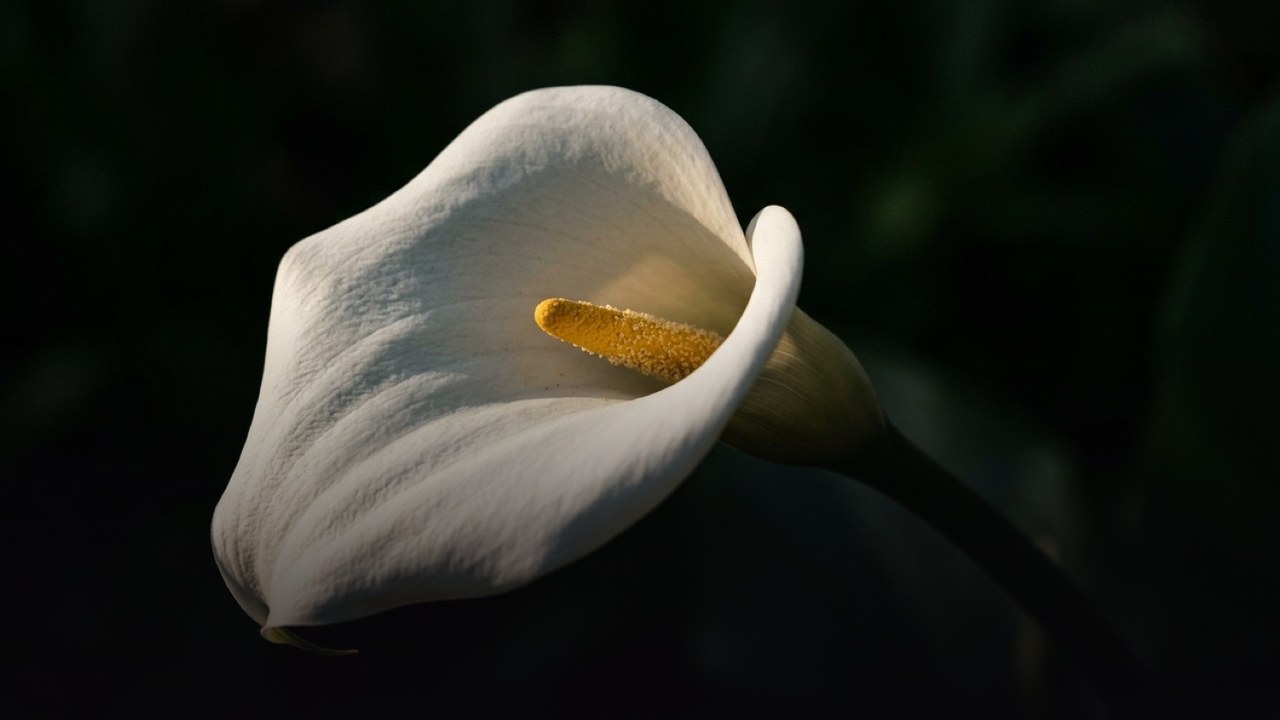
The flower most commonly named as Russia's national flower is chamomile, called romashka in Russian. This is a widely recognised cultural association; it should not be taken as proof that chamomile has been legally designated an official national flower. If you need the short English answer, use “chamomile”, with “romashka” alongside it when explaining the Russian name.
At Pyat Tsvetov (5 Flowers), a useful starting point for this subject is the distinction between a flower's name and the bouquet someone hopes to receive. A customer picturing romashka usually imagines white petals around a yellow centre, with a relaxed, meadow-like appearance. That picture can describe several different flowers, so a name alone may leave room for misunderstanding. For a gift, the recipient's taste and the appearance of the actual bouquet matter more than a national-flower label.
What romashka means, and how to use the name
Romashka is the usual English transliteration of the Russian word for chamomile, although everyday speech can apply it loosely to similar daisy-like flowers. The English words “chamomile” and “daisy” therefore overlap in casual descriptions without being botanically interchangeable. When explaining the national-flower association to an English-speaking friend, “chamomile, known as romashka in Russian” is a clear formulation. When choosing stems, add a photograph or describe the flower's size and shape.
Keep the cultural description separate from claims about official status. A flower can be familiar in songs, illustrations and personal memories without holding the same formal position as a national flag or coat of arms. If you are preparing a school presentation, caption or greeting card, “a widely recognised floral symbol of Russia” avoids overstating the evidence. For a personal message, a simple reference to romashka will usually communicate the intended association without a lengthy explanation.
Chamomile, daisies and bouquet flowers are different
True chamomile belongs to a different botanical group from many flowers sold or described as daisies. Oxeye daisies and daisy-flowered chrysanthemums can share the familiar white-and-yellow appearance while differing in leaf shape, flower size and growth habit. Looking only at the centre and petals is not enough for reliable identification. If botanical identity matters, ask for the plant's specific name and assess that separately from whether it creates the bouquet style you want.
For a gift, translate the mental picture into visible details: small or large flower heads, a loose or compact arrangement, and white-and-yellow flowers alone or mixed with other colours. These choices tell a florist more than “the Russian national flower” does. Check the stated contents of a bouquet rather than assuming every daisy-shaped bloom is chamomile. Decorative bouquet stems should also stay out of tea and food, because their appearance does not establish that they were grown or handled for consumption.
Bouquets we can deliver




The meaning of romashka in a personal gift
Romashka often evokes summer meadows, simplicity and affectionate familiarity in Russian culture. It also appears in the familiar petal-plucking game used to ask whether someone loves you, giving the flower a playful romantic association. These meanings provide context, but they do not dictate how every recipient will interpret a bouquet. A person who loves informal garden flowers may appreciate the reference more than someone whose preference is a structured arrangement of roses.
Make the intended meaning explicit in the card instead of relying on a symbolic code. “These reminded me of summer walks together” connects the flowers to a shared memory, while “A little brightness for your day” suits a friendly gesture. Avoid presenting white petals as a universal promise of innocence, fidelity or any other fixed message. For an occasion with its own customs, our guide to flowers for a Russian Name Day helps you consider the celebration as well as the flower.
Russian bouquet etiquette: count, occasion and timing
For a celebratory gift in Russia, the familiar convention is an odd number of flowers when the individual stems are readily counted. Even counts are traditionally associated with mourning, so a small bouquet of two, four or six prominent flowers can send an unintended message. Mixed arrangements and branching stems make counting less straightforward; explain that the bouquet is for a happy occasion when discussing your choice. The recipient's preferences still deserve attention alongside this convention.
Choose delivery timing around the recipient's actual day, especially when arranging a gift from another country. Check the destination city's local time and provide an address that includes the necessary building and apartment details. A workplace may be suitable during working hours, while a home address needs someone available to receive the flowers. If an address contains unfamiliar transliteration or street terminology, our guide to Russian street names and delivery addresses can help you prepare clearer details.
How to care for a daisy-style bouquet
Begin with a clean vase and fresh water, then remove any leaves that would sit below the waterline. Recut the stem ends with a clean, sharp tool before placing the bouquet in water. If flower food is supplied, follow its instructions rather than guessing the concentration or mixing household ingredients into the vase. Because daisy-style bouquets can contain different species, any care guidance supplied for the actual flowers takes priority over advice based only on their appearance.
Keep the vase away from direct sun, radiators and ripening fruit, and check the water daily. Replace cloudy water, clean the vase when needed and remove fading material before it sits in the water. When combining flowers at home, leave enough room for the stems instead of packing them tightly into a narrow opening. These practical steps support vase life, but no flower name or cultural association can establish a fixed number of days that every bouquet will last.
Sending flowers to Russia with Pyat Tsvetov
Pyat Tsvetov (5 Flowers) has operated since 2011 and has three own flower shops in Saint Petersburg; we deliver flowers across Russia. Start with the bouquets catalogue, compare the listed contents and choose for the recipient's taste rather than assuming romashka is available in every arrangement. City delivery costs 500 RUB; for remote districts and suburbs, the operator confirms the price when confirming the order. Online checkout uses CloudPayments, so check the payment options displayed there instead of assuming a particular foreign card will be accepted.
In large cities, express delivery is available in 1–2 hours after order confirmation; other options include an exact time within plus or minus 30 minutes, windows of 09–12, 12–15, 15–18 or 18–21, and ordering 1–30 days ahead. Delivery in Saint Petersburg operates around the clock. Delivery is anonymous by default, a card with your text is free, and the courier calls the recipient about 15 minutes before arrival. If the recipient is absent, we agree a second delivery that day or handover to a neighbour or concierge with the sender's consent; see delivery and payment or call 8 (812) 507-67-05 for questions.
Frequently asked questions
What is Russia's national flower called in English?
Chamomile is the flower most commonly named as Russia's national flower, and its Russian name is transliterated as romashka. Describe it as a cultural floral symbol rather than assuming a legally established national designation.
Are romashka and daisy the same flower?
Romashka usually means chamomile, but everyday usage can include similar daisy-like flowers. For a bouquet, check the stated flower type or use a photograph to clarify the appearance you want.
Is a chamomile-style bouquet suitable for a birthday in Russia?
It can suit someone who enjoys informal, meadow-style flowers. For a small bouquet with clearly countable flowers, follow the customary odd-number convention for a celebration.
Can I send flowers anonymously to someone in Russia?
Yes, our delivery is anonymous by default: the courier does not name the sender. A card with your text is free, so include your name in the message if you want the recipient to recognise the gift.
Can I pay for a Russian flower delivery with a foreign card?
Online checkout uses CloudPayments; check the options displayed at checkout for your payment method. Acceptance of every foreign card is not guaranteed.
Ready to send a bouquet?
Pick a city, choose the flowers, and we will hand them over with a photo confirmation.
Choose a city →