
Flower Delivery to Bolotnoe from Abroad: What Senders Need to Know
Bolotnoe is a town in Novosibirsk Oblast, roughly 3,000 kilometres east of Saint Petersburg, and every week we take orders for it from people sitting in Berlin, Toronto, Tel Aviv or Dubai. The questions are always the same: will the flowers actually arrive fresh, which varieties survive the journey, and what time zone should I be thinking in? This article answers those questions directly, with the specific details that make the difference between a bouquet that lands well and one that does not.
Where Bolotnoe Sits and Why It Matters for Delivery
Bolotnoe is a small railway town on the Trans-Siberian line, population around 22,000, sitting at roughly the same latitude as Saint Petersburg but five hours ahead in time. That time difference is the first thing an international sender must fix in their head before placing an order. When it is noon in London, it is already 5 p.m. in Bolotnoe, and if the recipient finishes work at six, your ordering window is narrower than you think. Novosibirsk Oblast experiences a sharp continental climate: summer highs above 30 degrees Celsius, winter lows that regularly drop below minus 25. Both extremes affect which flowers can be ordered in which season. In July, roses and ranunculus need insulated packaging and a fast handoff. In January, any stem with a high water content — think hydrangea or tulips — risks freeze damage between the vehicle and the door unless the courier moves quickly. We route deliveries through our logistics chain from Saint Petersburg, coordinating timing so the flowers do not sit in transit longer than necessary. Knowing the town's geography also means knowing that a single address error can cost hours, because Bolotnoe has several streets with similar names. Always confirm the full postal address, including the apartment number and any entry code for a building's intercom, before you submit the order.
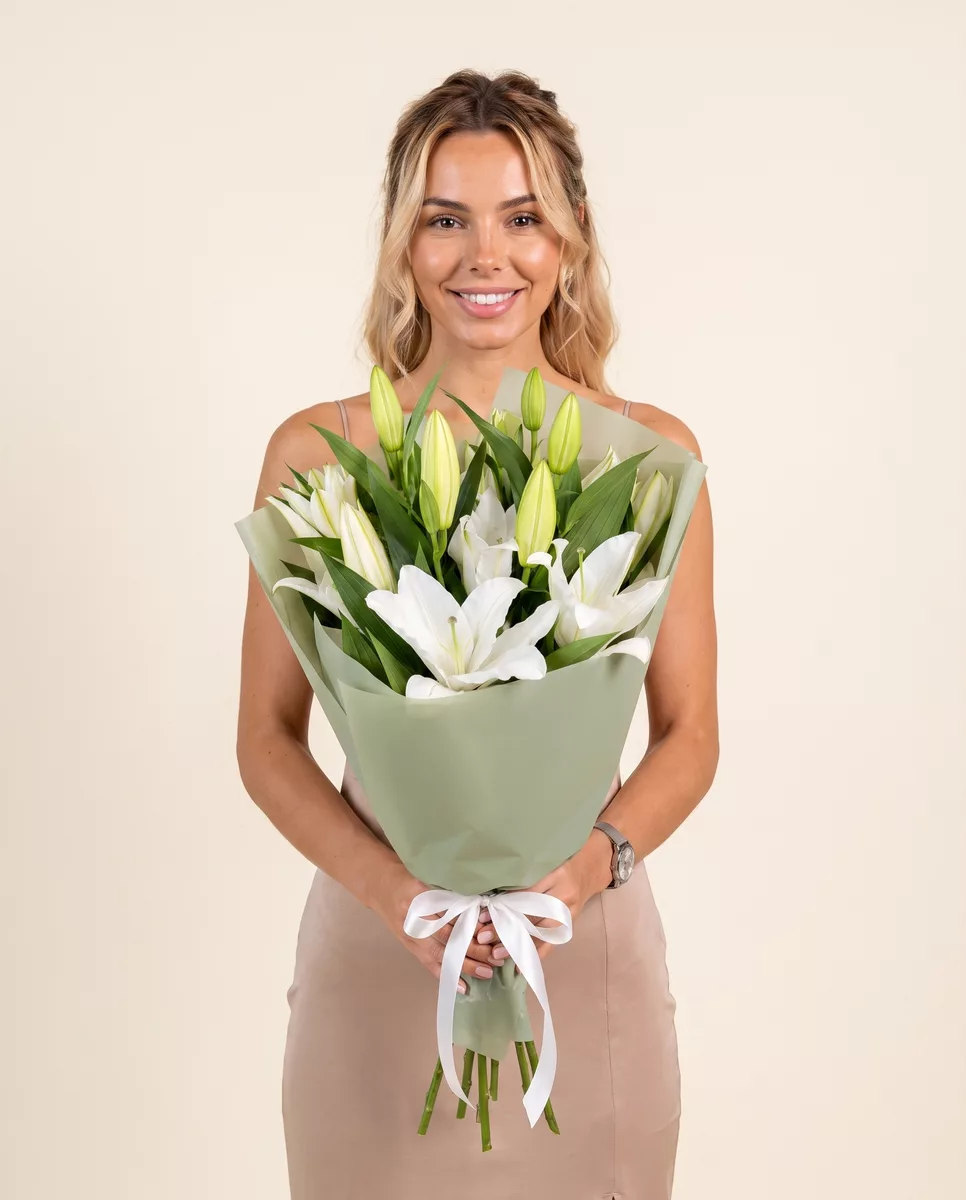
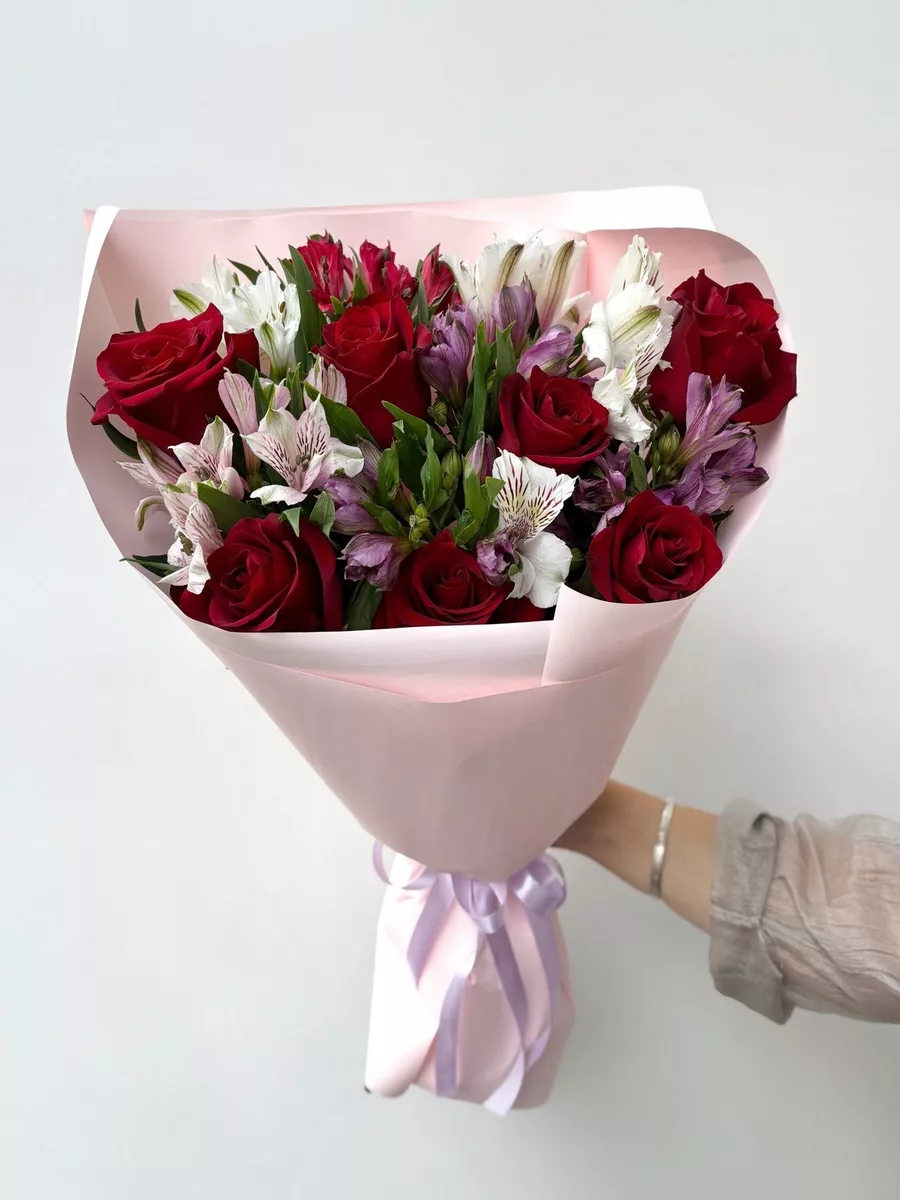
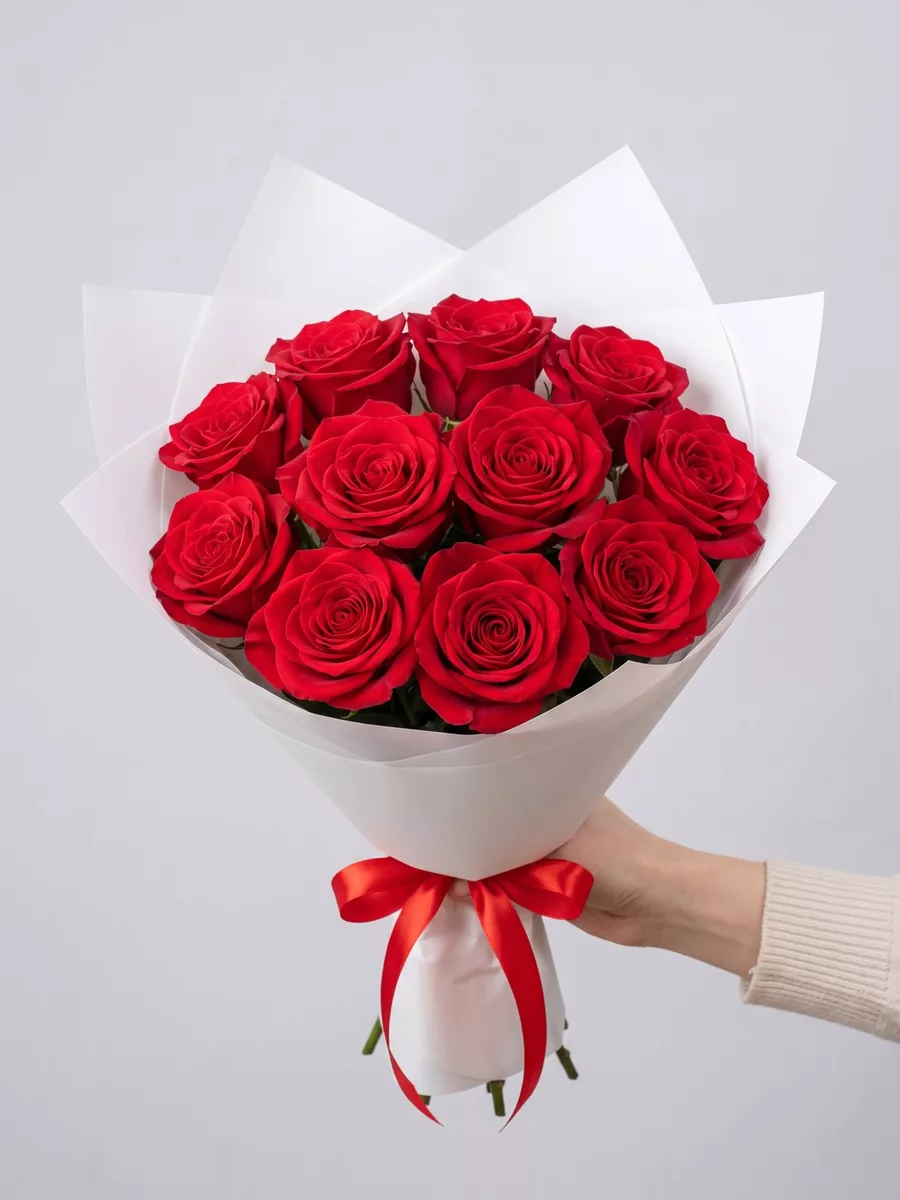
Bouquets we can deliver

Time Zones: the Calculation Every International Sender Gets Wrong
The most common mistake we see from senders abroad is ordering in their own time zone without converting. A customer in New York places an order at 9 a.m. Eastern Time, assumes that means a morning delivery, and does not realise it is already 5 p.m. in Bolotnoe. The recipient is on their way home from work, the building door is locked, and the bouquet waits. Bolotnoe runs on Novosibirsk Time, which is UTC plus 7. That is 10 hours ahead of New York, 7 hours ahead of London, 4 hours ahead of Dubai, and 5 hours ahead of Moscow. Write that offset on a piece of paper before you open the order form. Our website allows you to specify a preferred delivery window in Moscow Time, which is the standard we use across Russia. Convert your desired local Bolotnoe time to Moscow Time by subtracting 4 hours: if you want delivery at 3 p.m. in Bolotnoe, enter 11 a.m. Moscow Time in the form. If the recipient works standard hours, the sweet spot is delivery between 10 a.m. and 2 p.m. Bolotnoe time, which gives the courier a clear window and the recipient time to put the flowers in water before the afternoon heat or evening cold sets in. For surprise deliveries, coordinate with someone local — a family member or colleague — who can confirm the recipient will actually be at the address during the chosen window.
Which Varieties Hold Up Best on a Long Delivery Route
Not every flower that looks beautiful in a Saint Petersburg shop window is the right choice for Bolotnoe. The delivery chain is longer than a city run, and variety selection is where you either protect the bouquet or gamble with it. Roses are reliable when you choose varieties with a firm petal structure: spray roses and standard garden roses in varieties like Explorer or Mondial hold their shape well and do not drop petals under temperature shifts. Chrysanthemums — both single-stem and spray types — are among the most resilient options available and work across all seasons. Alstroemeria is another strong performer: the stems are sturdy, the buds open gradually rather than all at once, and the flowers last well over a week once in water. Carnations, often underestimated, are extremely robust and arrive in excellent condition even after a full day of transit. What to avoid: open peonies in summer, because they are already at peak bloom and will go over before the recipient can enjoy them; garden dahlias for the same reason; and any arrangement with a lot of open tropical blooms like anthuriums, which bruise easily in packaging. In winter, we recommend adding seasonal branches — eucalyptus, ruscus, or waxflower — which add volume, tolerate cold, and keep the arrangement looking full even if one or two delicate stems are affected by the journey. Stick with bud-stage flowers rather than fully open ones for any long-distance order.
Seasonal Temperatures in Bolotnoe and What They Mean for Your Order
Continental Siberian climate means the temperature swings in Bolotnoe are among the most extreme you will encounter anywhere in Russia. In January and February, outdoor temperatures regularly sit between minus 20 and minus 30 degrees Celsius. At those temperatures, an unprotected bouquet left outside for even three minutes will show frost damage on petals and blackened leaf edges. We use insulated wrapping and thermal courier bags for winter deliveries, but the recipient still needs to be reachable and able to accept the bouquet quickly. If the person lives in a building with a locked entrance and no intercom code provided, the courier cannot complete the delivery, and the flowers suffer. Summer in Bolotnoe — June through August — brings a different problem: heat above 28 degrees accelerates the opening of roses and tulips and shortens vase life. For summer orders, we prioritise varieties that are naturally slower to open and pack with moisture-retention material. The transitional months of April and October are actually the most forgiving for flower delivery: temperatures are mild, humidity is moderate, and most standard varieties travel well. If you have flexibility in timing a celebration or a gift, scheduling it for late spring or early autumn gives you the widest variety choice and the best chance of the bouquet arriving in peak condition. Always mention the current season and approximate temperature when you contact us, because it helps us advise on packaging before you confirm the order.
Payment from Abroad: Currencies, Cards and What to Prepare
Paying for a flower delivery in Russia from a foreign bank account is a practical step that trips up many first-time senders, and it is worth addressing plainly. Russian payment systems have been affected by international sanctions since 2022, which means some foreign cards — particularly those issued by banks in the United States, European Union, and United Kingdom — may be declined at checkout. This is not a problem with our website; it is a banking infrastructure issue. The most reliable approach for international senders is to use a card issued by a bank in a country that maintains normal correspondent banking with Russia, or to use a payment method that routes through an intermediary. Cards from banks in the UAE, Turkey, Kazakhstan, Armenia, and several Asian countries typically process without difficulty. If your card is declined, contact us directly by email or through the website chat: we can discuss alternative payment arrangements, including bank transfer. It helps to have the following ready before you start the order: the recipient's full name in Russian if possible, the complete street address with postal code, a working Russian mobile number for the recipient, and your own contact details including a way to reach you during Bolotnoe business hours. The mobile number for the recipient is not optional — our courier calls ahead before arriving, and without a working number the delivery cannot be confirmed. If you do not have the recipient's number, provide a contact person in Russia who can relay the information.
Writing the Card Message: Language, Transliteration and Customs
A card message from abroad to a Russian recipient involves a small but important set of decisions. First, language: most recipients in Bolotnoe will read Russian, and a message in Russian will feel more personal and immediate than one in English. If you write your message in English, we can translate it accurately before printing — just indicate that you want translation when you place the order, and keep the message under 60 words so it fits the card format cleanly. If you write in Russian but are not a native speaker, double-check your spelling carefully, because errors in Russian can change the meaning of a word significantly. Transliteration — writing Russian words using Latin letters — is generally not recommended for a printed card; it reads awkwardly and can feel impersonal. For the sender name on the card, decide whether you want to use your name as it appears in your own language or a Russian transliteration of it. Many recipients appreciate seeing the name written exactly as they know you, even in Latin script. Russian gift-giving customs differ from Western ones in a few specific ways worth knowing. Flowers are almost always given in odd numbers — one, three, five, seven — because even numbers are associated with mourning. If you are ordering a bouquet by stem count, keep this in mind. Red roses carry a strong romantic meaning in Russian culture, more so than in many Western contexts, so for a non-romantic occasion — a birthday for a colleague, a thank-you for a relative — consider mixed colours or a different flower altogether.
Checking Your Order Before You Confirm: a Practical List
Before you click the final confirmation button on a flower order to Bolotnoe from abroad, run through the following points, because errors at this stage are the most common reason deliveries go wrong or arrive late. Verify the recipient's address in full: street name, building number, apartment number, floor if relevant, and the postal code. In Russia, building and apartment numbering can be confusing — a building marked 12A is different from 12, and getting this wrong sends the courier to the wrong door. Confirm the recipient's mobile phone number is a current Russian number, starting with +7, and that it is the number the recipient actually answers. If you are sending a surprise, give us a backup contact — someone who knows the recipient's schedule and can confirm they will be home. Check the delivery date and time window you have selected, and make sure you have converted correctly from your local time to Moscow Time. Read the variety and arrangement description you have chosen and ask yourself whether it suits the season in Bolotnoe on the delivery date: a lush peony arrangement ordered for a July afternoon delivery carries more risk than a rose and chrysanthemum bouquet. Confirm the card message is exactly as you want it, with the correct name of the recipient spelled accurately — Russian names have multiple correct spellings in Latin transliteration, and the wrong one can feel jarring. Finally, save your order confirmation number and keep the contact email or phone number for our shop accessible during Bolotnoe business hours, so that if anything needs adjusting, you can reach us before the bouquet is already in transit.
Sending flowers to Bolotnoe from outside Russia is entirely achievable with the right preparation, and the preparation is mostly about time zones, variety choice, and accurate recipient details. Get those three things right, and the bouquet arrives in good condition, on time, and with a card that reads the way you intended. The distance is long, but the process is straightforward once you know what to check. We deliver bouquets across Russia in 1–2 hours.
Frequently asked questions
Can I order flowers to Bolotnoe if I live outside Russia and do not speak Russian?
Yes. Our order form and chat support work in English. You can write your card message in English and request translation before printing. The only Russian you strictly need is the recipient's accurate address and phone number, which the recipient themselves can provide to you in advance.
How far ahead should I place the order for a Bolotnoe delivery from abroad?
We recommend placing the order at least 24 hours before the desired delivery window, and 48 hours ahead for weekend or public holiday dates. This gives time to resolve any payment issues, confirm the address, and source specific varieties if your first choice is not in stock on that date.
What happens if the recipient is not home when the courier arrives in Bolotnoe?
Our courier calls the recipient's mobile number before arrival. If there is no answer and no one is home, we attempt a second call and hold the bouquet briefly. For this reason a working Russian mobile number is essential. If contact cannot be made, we will reach out to you at the contact details you provided to agree on next steps.
Are there flowers I should avoid ordering for Bolotnoe in winter?
In temperatures below minus 20 Celsius, avoid fully open hydrangeas, open-bloom peonies, and large tropical flowers. Roses in bud stage, spray chrysanthemums, carnations, alstroemeria, and eucalyptus branches are all winter-reliable choices that tolerate brief cold exposure during the handoff from courier to recipient.
Does the odd-number rule for flowers in Russia apply to potted plants as well?
The odd-number convention applies specifically to cut flower stems. Potted plants — a single orchid in a pot, for example — are not counted by stem and are not subject to the same custom. For cut bouquets though, three, five, seven or nine stems is the right approach for any celebratory occasion in Russia.
Ready to send a bouquet?
Pick a city, choose the flowers, and we will hand them over with a photo confirmation.
Choose a city →