
Flower Delivery to Zima from Abroad: What You Need to Know
Zima is a mid-sized railway town in Irkutsk Oblast, sitting roughly 5,000 kilometres east of Saint Petersburg, and most people calling us about it are doing so from Europe, North America or Israel — trying to reach a parent, a grandmother or an old friend on a birthday or anniversary. The questions are always the same: can you actually get there, how long does it take, and will the flowers survive the journey in Siberian temperatures. This article answers all of that with the kind of detail that saves you a wasted order.
Where Zima Is and Why Distance Matters for Your Order
Zima sits in the Zima District of Irkutsk Oblast, on the Trans-Siberian railway line between Irkutsk and Krasnoyarsk. The town has around 30,000 residents and a functioning postal and courier infrastructure, but it is not a metropolitan centre, which means delivery logistics work differently than they do in Moscow or Novosibirsk. When you place an order from abroad, the physical distance between our Saint Petersburg warehouse and the recipient's address in Zima determines how we source, pack and dispatch the bouquet. Flowers assembled in Saint Petersburg travel by refrigerated courier transport across multiple time zones, which is why we ask for at least 24 hours of lead time for Zima addresses, and 48 hours is more reliable for same-week delivery on a specific date. The time zone difference is also something international senders frequently underestimate: Zima operates on Irkutsk Time, which is UTC+8, meaning it is five hours ahead of Moscow and anywhere between 10 and 16 hours ahead of common sender locations in the West. If you are calling or messaging us at noon on a Tuesday from London, it is already late evening in Zima, and a same-day delivery request will not be possible to fulfil. Plan your order so that the target delivery window falls during normal daytime hours for the recipient, roughly 10:00 to 20:00 local Irkutsk time, and count backwards from that when you sit down to place the order. Getting this calculation right is the single most common thing international senders get wrong.
Bouquets we can deliver
How We Deliver to Zima: The Logistics in Plain Terms
We work as a single operation: flowers are sourced, assembled and dispatched from our own supply chain, and we coordinate the last-mile delivery to the recipient's door in Zima directly. There is no handoff to a random local seller, which matters because it keeps quality control consistent from the moment stems are cut to the moment they are handed over. For Zima specifically, the delivery route involves temperature-controlled transport from Saint Petersburg eastward, with the bouquet packaged in insulated wrapping suited to transit times of this length. We do not use standard postal parcels for fresh flowers — the packaging is purpose-built for cut flowers, with moisture retention at the stem base and protection against compression. Once the order is confirmed and payment is received, you will get a confirmation message with an estimated delivery window. Tracking updates are sent by SMS or messaging app to the number you provide at checkout, and we can send those updates in English if you specify that when ordering. For recipients who are elderly or not smartphone-literate, we recommend leaving a secondary contact number — a neighbour, a family member in the same city, or the recipient's workplace if applicable. Delivery to apartment buildings in Zima follows the standard Russian convention: the courier contacts the recipient by phone before arriving, waits a reasonable time, and if there is no answer, follows the instructions you leave in the order notes. Writing clear delivery instructions in your order is not optional for Zima — it is essential.
Which Flowers Actually Survive the Journey to Zima
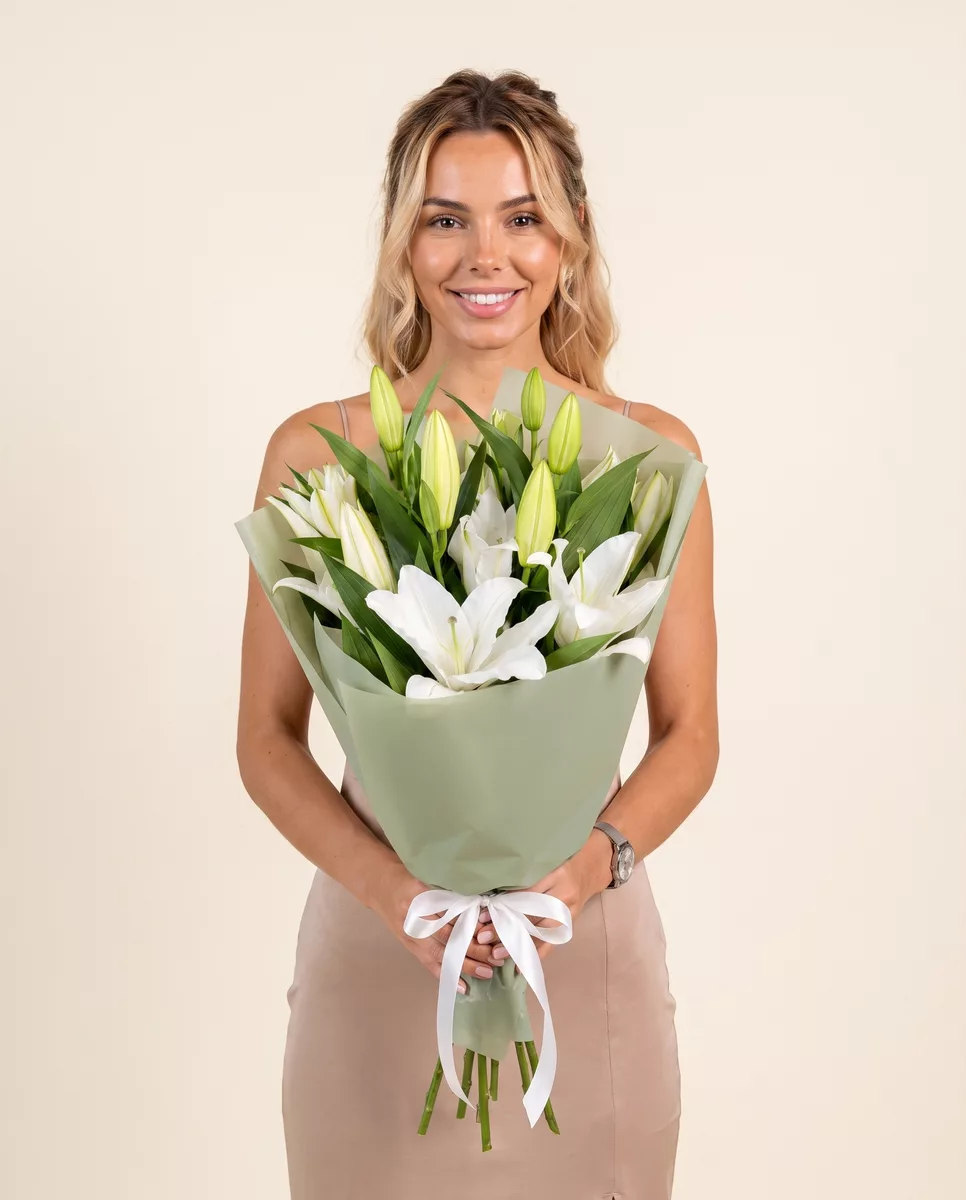
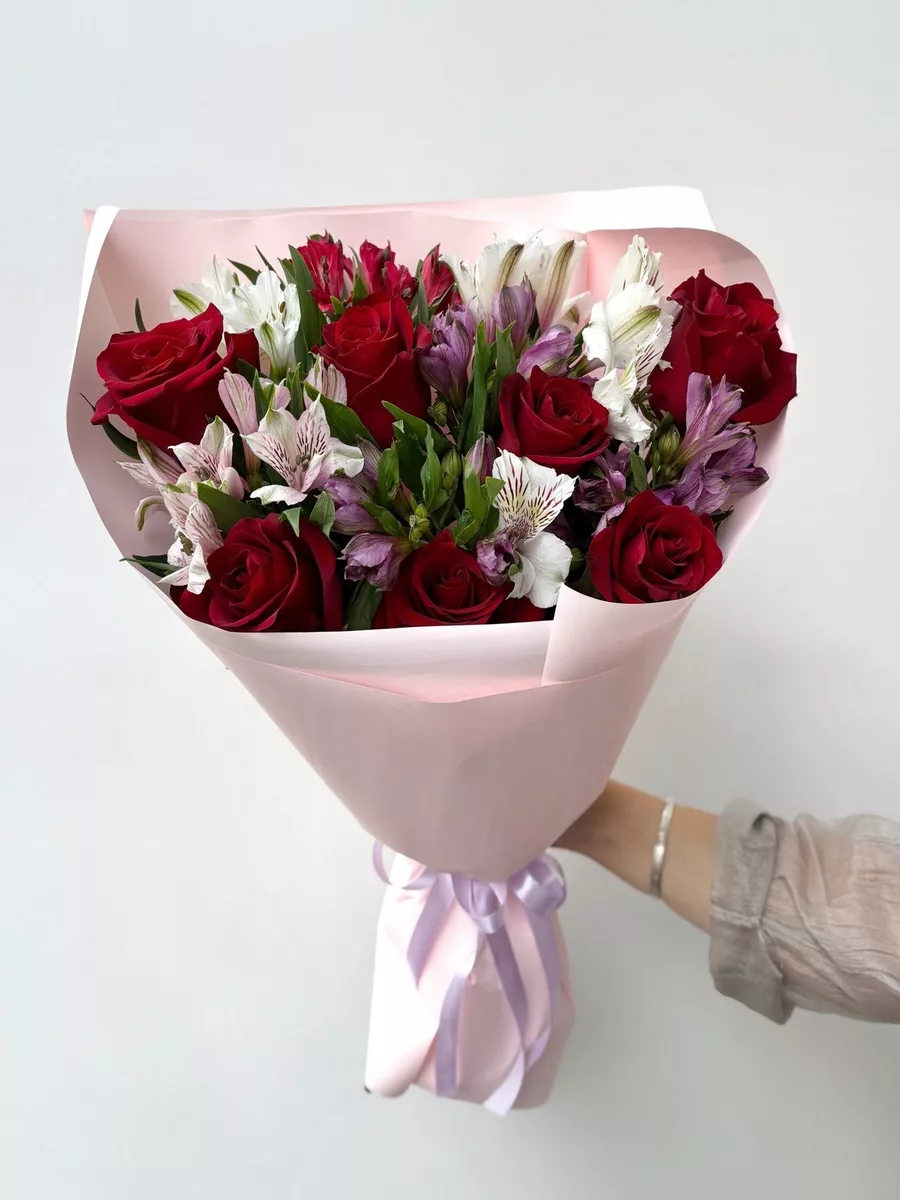
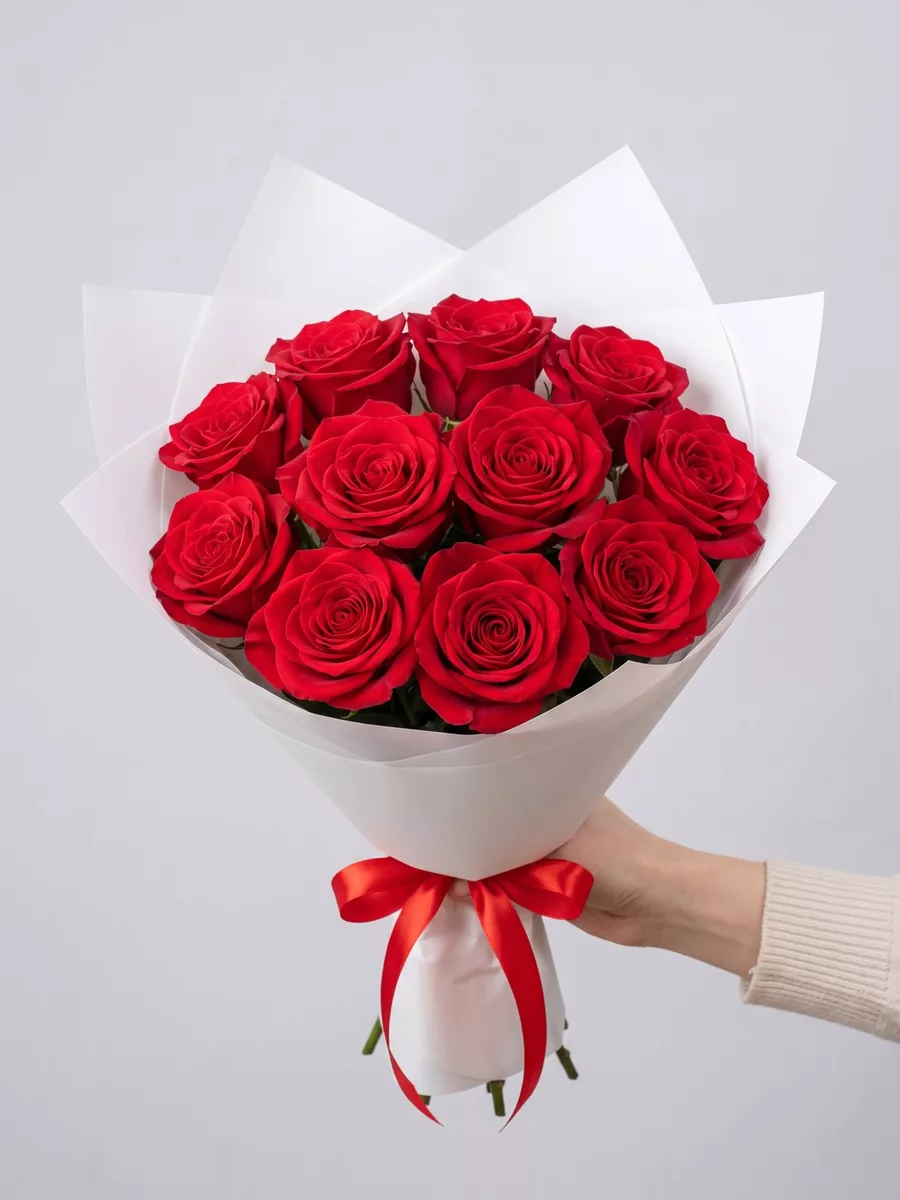
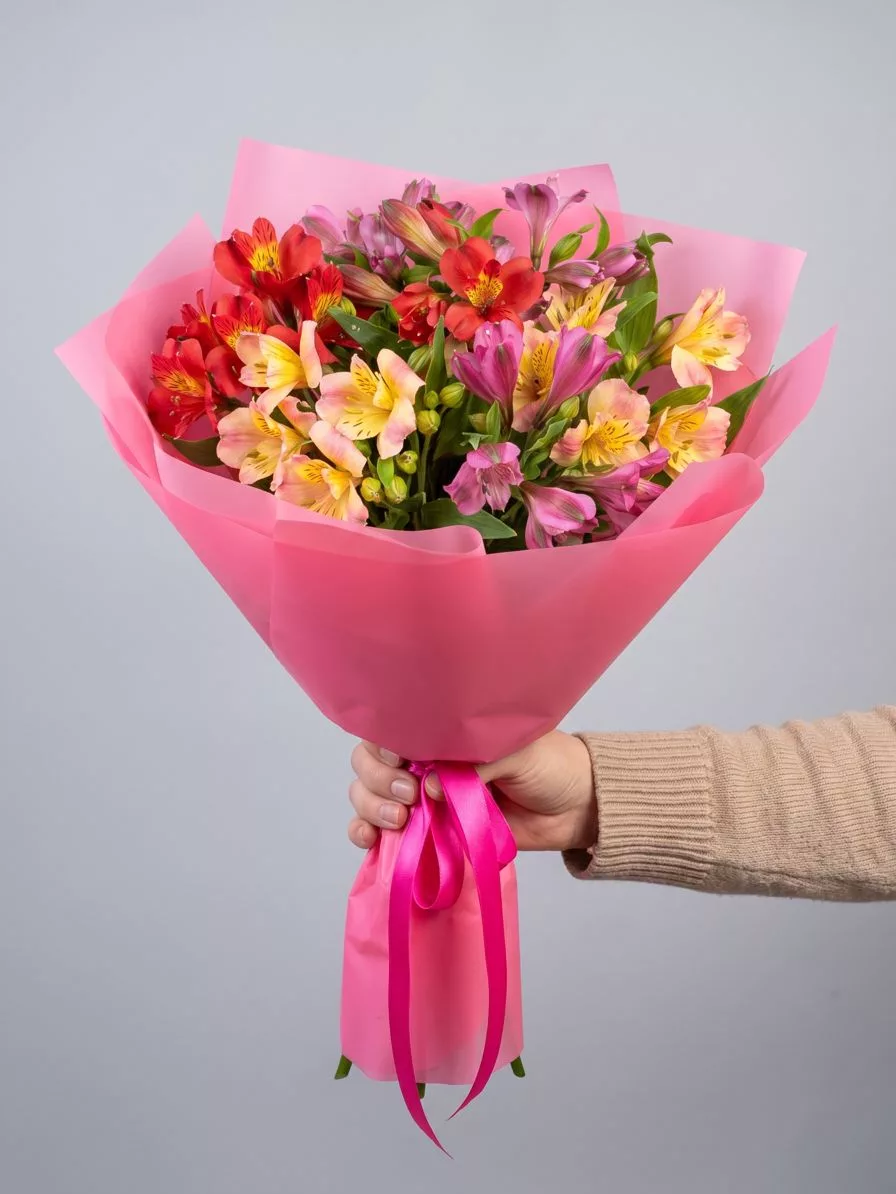
Not every variety that looks beautiful in a Saint Petersburg shop window is suitable for a long-distance delivery to Siberia. The flowers that consistently perform best over extended transit are those with naturally robust cell structure and low water loss during transport. Chrysanthemums, both spray and single-headed varieties, are among the most reliable: they hold their form well at low temperatures and do not bruise easily in packaging. Alstroemeria is another strong choice — the buds travel in a closed or semi-open state and continue opening at the recipient's home, which actually works in your favour for a long delivery. Standard roses travel well when sourced from Ecuador or Kenya, where stem length and petal density are higher, but avoid garden roses or David Austin varieties for Zima orders because their petals are too delicate for the transit time. Carnations, including spray carnations, are underrated for long-distance delivery: they last 10 to 14 days once received and tolerate a wide temperature range without wilting. Gerberas are popular but riskier — the stems are hollow and the heads are heavy, so they require careful upright packaging, and we assess each order individually before including them. Tulips in season, roughly February through April, travel well if dispatched in bud. Lilies are a good choice for impact but need to be noted as a preference at order time so we can select stems at the right stage of opening. Avoid requesting open peonies for Zima delivery outside of their June–July peak season, as out-of-season peonies sourced from distant farms do not hold up over this distance.
Temperature in Zima: What It Means for Your Bouquet
Zima has a sharply continental climate. Winters are long and cold, with January averages around minus 20 degrees Celsius and occasional drops to minus 35 or colder. Summers are short and can reach 30 degrees Celsius in July. Both extremes affect how we package and what we recommend. In winter, the main risk is freezing: flower cells rupture when frozen, and a bouquet left outside for even five minutes in deep frost will show blackened petals and collapsed stems within hours of coming indoors. We use insulated thermal packaging for all Zima winter orders, and we ask that recipients are notified in advance so they can receive the bouquet promptly rather than leaving it on a doorstep. In summer, the risk reverses: heat accelerates opening and wilting, so we pack with cool gel inserts and recommend that the recipient places the flowers in water within 30 minutes of receipt. Spring and autumn in Zima are transitional but still cold by most international standards — April can still see temperatures below zero, and September nights drop sharply. When you place your order, note the season and be specific in your delivery instructions about whether the recipient is likely to be home. For winter orders especially, we strongly recommend scheduling delivery to a workplace address if the recipient works regular hours, because a heated office is a far safer landing point for a bouquet than an unattended apartment hallway in minus 25 weather. This is not an exaggeration — it is what the temperature data from that region actually requires.
Paying from Abroad: Currencies, Cards and What to Prepare
Paying for a Russian flower delivery from outside Russia involves a few practical steps that catch international senders off guard. Our website processes payments in Russian rubles, and the total is calculated at checkout based on the bouquet composition and delivery zone. Most international Visa and Mastercard cards issued outside Russia do not process transactions with Russian merchants directly due to payment system restrictions that have been in place since 2022. The most reliable method for international senders is to use a card issued by a bank in a country where cross-border ruble transactions are still processed — this includes a number of banks in the UAE, Turkey, Kazakhstan, Armenia and several other countries. Alternatively, we accept payment via bank transfer in rubles, and for senders who have a Russian bank account or a family member in Russia who can pay on their behalf, that is often the simplest path. We also accept payment through a number of international transfer services that remain operational for Russia — contact us directly before placing your order and we will confirm which options are currently active, as this changes periodically. When you reach out, have the following ready: the recipient's full name in Russian if possible, the delivery address including apartment number and entry code if the building has one, a working phone number for the recipient, and your own contact number and preferred language for communication. Having all of this prepared before you contact us cuts the order confirmation time significantly and reduces the chance of a missed delivery window.
Russian Flower Customs the International Sender Should Know
Russia has a few flower customs that are worth knowing before you choose a bouquet. The most important is the odd-number rule: bouquets in Russia are given in odd numbers — 3, 5, 7, 11, 15, 25 stems and so on. Even numbers are associated with mourning and funerals, and presenting an even-numbered bouquet, even unintentionally, will be noticed by the recipient and anyone present. All of our standard bouquets are composed in odd numbers by default, but if you are building a custom order and specifying stem counts, keep this in mind. Red roses carry a romantic meaning in Russia as they do in much of the world, but they are also a perfectly acceptable gift for a mother, a grandmother or a female colleague — the context is read by the occasion and the relationship, not just the flower. White flowers are not considered unlucky or funereal in everyday gifting in Russia, unlike in some East Asian cultures, so a white chrysanthemum or white rose bouquet is entirely appropriate for a birthday or anniversary. Yellow flowers, however, have a more complicated reputation in Russian popular belief: some people associate yellow flowers with separation or bad luck, and while younger recipients in cities are less likely to hold this view, it is safer to avoid a purely yellow bouquet unless you know the recipient specifically likes yellow flowers. Mixed bouquets that include yellow as one colour among several are generally fine. Including a card with a message in Russian, even a short one, is appreciated — we can help with basic transliteration if you provide the text in English.
What to Check Before You Confirm Your Order for Zima
Before you finalise any order for Zima delivery, run through this checklist. First, confirm the recipient's exact address including the street name in Russian, the building number, the apartment number, and any entry code or intercom number for the building door — without these details, the courier cannot complete the delivery. Second, verify that the recipient's phone number is current and that they will have it with them on the delivery day, because the courier will call ahead. Third, check the delivery date against the Zima time zone: your intended date in your local time may already be a different calendar date in Irkutsk Oblast. Fourth, consider whether the recipient has any known allergies — lilies in particular produce heavy pollen that some people react to strongly, and we can prepare lily bouquets with stamens removed on request. Fifth, decide whether you want to include a card and prepare the message text in advance, including how you want to sign it. Sixth, if the occasion is a significant one — a major birthday, a wedding anniversary, a birth — place the order at least 72 hours in advance rather than 24, because this gives us room to manage any logistics issue without affecting the delivery date. Seventh, save our contact details in your phone before you place the order so that if you need to make a change or check a status update, you can reach us immediately rather than searching for the number under pressure. These seven points cover the majority of problems we see with international orders to remote Russian cities, and Zima specifically has come up enough times that we know exactly where things go wrong.
Sending flowers to Zima from abroad is entirely doable, and we complete these deliveries regularly. The key variables are lead time, temperature-appropriate packaging, variety selection suited to the transit distance, and a confirmed delivery address with a working phone number. Get those four things right and the bouquet arrives in good condition. International senders who plan ahead — placing orders 48 to 72 hours before the target date, checking the time zone, and communicating clearly about the recipient's schedule — consistently get the best results. Reach out to us before you place the order if you have any uncertainty about payment method or delivery logistics for Zima specifically, and we will walk you through exactly what is possible for your date. We deliver bouquets across Russia in 1–2 hours.
Frequently asked questions
How far in advance do I need to order flowers for delivery to Zima?
We recommend placing your order at least 48 hours before the intended delivery date for Zima, and 72 hours for significant occasions like major birthdays or anniversaries. Zima is in Irkutsk Oblast, UTC+8, so factor in the time zone when calculating your lead time — what feels like plenty of notice in your local time may be shorter than it appears at the destination.
Can I pay for a Zima flower delivery from a non-Russian bank card?
Many international Visa and Mastercard cards issued in Western Europe or North America cannot process transactions with Russian merchants directly due to current payment restrictions. Cards from banks in Turkey, the UAE, Kazakhstan or Armenia often work. Bank transfer in rubles and certain international transfer services are also options — contact us before ordering and we will confirm what is currently available.
What flowers are best to send to Zima in winter?
Chrysanthemums, alstroemeria, carnations and standard roses with dense petals are the most reliable choices for Zima winter deliveries. These varieties tolerate cold transit and insulated packaging well. We avoid open peonies, garden roses and gerberas for long-distance winter orders unless conditions allow. All winter bouquets are packed in thermal insulation to protect against temperatures that regularly drop below minus 20 Celsius.
Should I warn the recipient that flowers are coming?
Yes, for Zima we strongly recommend it, especially in winter. The courier will call ahead, but if the recipient is not home and does not answer, the bouquet cannot be left outside in extreme cold. For winter deliveries, consider having flowers sent to a workplace rather than a home address. If you want the delivery to be a surprise, at minimum ensure someone at the address will be available to receive it.
Is it acceptable to send yellow flowers to someone in Russia?
A purely yellow bouquet carries a negative association for many Russian recipients, linked in popular belief to separation or misfortune. Younger urban recipients are less likely to hold this view, but it is generally safer to avoid an all-yellow arrangement unless you know the person likes yellow flowers. Mixed bouquets that include yellow among other colours are widely accepted and do not carry the same association.
Ready to send a bouquet?
Pick a city, choose the flowers, and we will hand them over with a photo confirmation.
Choose a city →