
Statice description: how to recognise and care for the flower
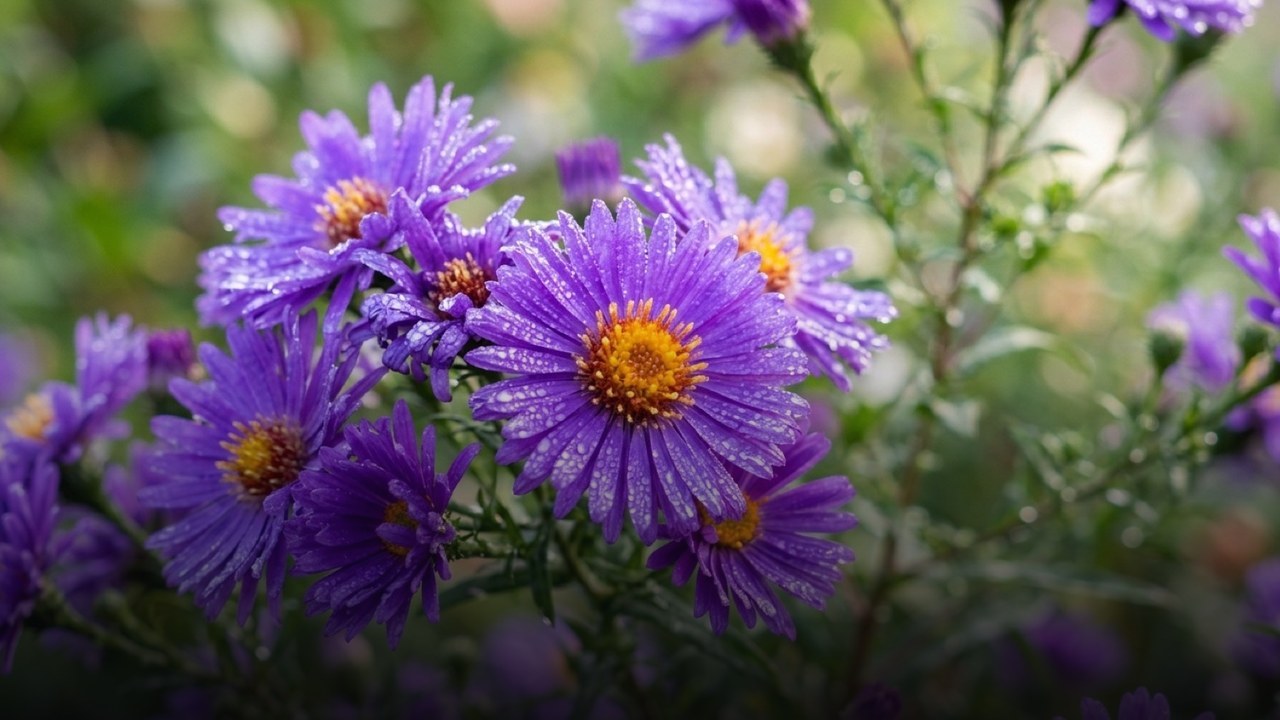
Statice is a branching cut flower with clusters of tiny blooms surrounded by firm, papery, coloured calyces, the structures that cup each flower. The florist’s statice most people recognise is Limonium sinuatum: its angular, winged stems carry purple, lilac, pink, yellow or white clusters that retain much of their shape when dried.
At Pyat Tsvetov (5 Flowers), a useful description starts with what customers want to recognise: the crisp texture, small clustered heads and airy outline between larger flowers. We have worked with flowers in Saint Petersburg since 2011 and have three shops in the city. This guide explains how to identify statice, judge its condition and choose between displaying it fresh and drying it.
What statice looks and feels like
Look closely at a statice cluster and you will see that the coloured part has a different texture from a rose petal. The persistent calyx feels thin, dry and slightly stiff, even on a freshly cut stem. The actual flowers are much smaller, often pale, and sit within these coloured cups. Their short-lived appearance matters less to the overall display than the surrounding calyces.
A typical stem divides into several branches, each ending in compact groups of flowers. In Limonium sinuatum, ridges or flattened wings run along the stems and help distinguish it from finer, more cloudlike bouquet fillers. Most foliage grows near the base of the living plant, so prepared cut stems can look quite bare below the flowering branches.
Florists sometimes use statice and sea lavender as overlapping common names, but the wider Limonium group contains plants with noticeably different outlines. A dense, winged stem and a spray of very fine branching flowers should not automatically be treated as the same form. For a broader introduction to the names and uses, see our statice flower guide.
Colours and condition: what to examine before choosing
Natural statice colours include violet, lavender, pink, yellow and white, with the precise shade depending on the variety. A flower described as lilac may be a soft purple rather than a separate botanical type. Screen settings and lighting can alter how a shade appears, so describe the colour you want in ordinary terms, such as cool violet or pale lavender, when discussing a bouquet.
An unusually bright or artificial-looking colour may come from dye or another colour treatment; appearance alone does not establish how a stem was produced. Ask whether the colour is natural or treated if that distinction matters for your gift or drying project. Our guide to statice colours explains the difference without treating every vivid shade as evidence of dye.
Judge condition by more than the papery feel, which is normal for this flower. Look for intact clusters, stems that support their branches and an absence of mould, slime or unpleasant odour. Fresh statice can already feel dry at the flower head, while a damaged stem base can still need attention. Crushed clusters and extensive shedding are more useful warning signs than crispness alone.
Bouquets we can deliver




How statice works in a bouquet
Statice supplies small areas of colour between larger flower heads and gives a bouquet a more detailed outline. Purple clusters can create a clear contrast with yellow flowers, while pale lilac and white make a gentler combination. The effect depends on proportion: a few branching stems add texture, whereas a larger share makes statice a visible feature of the whole arrangement.
When arranging it yourself, place the main flowers first, then add statice where the composition needs colour or a little width. Turn each stem before deciding where to cut, because its branches may face different directions. Avoid forcing a dense head into a narrow gap; papery clusters can catch against neighbouring flowers and break when pulled back out.
A bouquet made mainly from statice has a different character from one where it serves as a supporting flower. Its repeated small clusters create a textured surface, and the branching stems can make the bunch feel fuller than the number of stems suggests. Choose by the intended shape and balance of the finished bouquet, rather than assuming that every stem contributes the same volume.
Meaning and gift etiquette
Statice is often associated with remembrance and lasting affection, a connection that fits its ability to keep its form after drying. Flower meanings vary between cultures and personal traditions, so this is an association rather than a fixed message. A purple statice bouquet does not carry a universally understood romantic or ceremonial meaning simply because of its colour.
For a birthday, thank-you gift or family occasion, let the accompanying words explain your intention. A short, specific message about the person or occasion is clearer than relying on flower symbolism. If the recipient has strong preferences about colours or dried flowers, those preferences are a better guide than a general list of traditional meanings.
For a sympathy gift, check any stated wishes from the family or venue before choosing the arrangement. For a personal gift, consider whether the recipient enjoys crisp, textured flowers or prefers softer petals. Statice can suit someone who likes keeping dried stems, but presenting that as an option is more thoughtful than assuming they want to preserve every bouquet.
Fresh care and drying: choose the right method
To display statice fresh, start with a clean vase and remove any foliage that would sit below the waterline. Trim the stem ends with a clean, sharp tool and place them in clean water. Keep the bouquet away from direct sun and heating appliances, and refresh the water regularly. Remove decaying material promptly rather than allowing it to remain among healthy stems.
Papery flower heads still need careful handling during fresh display. Avoid misting the clusters or leaving them pressed against a damp surface, where moisture can linger between the small flowers. In a mixed bouquet, check each flower separately: statice may remain presentable after a more delicate companion has faded. Remove spent stems without disturbing the remaining arrangement.
For drying, choose sound stems before they begin to deteriorate, remove foliage and hang them upside down in small, loose bunches. Use a dry, ventilated place out of direct sunlight, leaving space around the flower heads. Drying time varies with humidity and bunch size; wait until the stems and clusters are fully dry before arranging them. See our statice bouquet guide for more on fresh display and preservation.
Sending flowers to Russia: practical ordering details
If you are ordering from abroad, start with the recipient’s city, address and intended delivery date, then explore our bouquets catalogue. We deliver flowers across Russia; city delivery costs 500 RUB, while the operator confirms the price for remote districts and suburbs when confirming the order. If statice or a particular shade is essential, clarify that requirement when confirming your choice rather than assuming it appears in every bouquet.
In large cities, express delivery is available within 1–2 hours after order confirmation. You can also choose delivery at an exact time with a tolerance of 30 minutes either way, select a 09–12, 12–15, 15–18 or 18–21 window, or pre-order 1–30 days ahead. Delivery in Saint Petersburg is available around the clock. For a time-sensitive occasion, settle the date and delivery option as part of confirming the order.
Delivery is anonymous by default: the courier does not name the sender, and a card with your text is free. The courier calls the recipient about 15 minutes before arrival; if they are absent, we agree a second delivery that day or a handover to a neighbour or concierge with the sender’s consent. Online checkout uses CloudPayments, so check the payment options displayed there without assuming every foreign card is accepted. Ordering questions can be discussed by phone on 8 (812) 507-67-05. We deliver bouquets across Russia in 1–2 hours.
Frequently asked questions
Is statice naturally dry, or has it already been dried?
Fresh statice naturally has crisp, papery calyces, so that texture alone does not mean it has been dried. Fresh-cut stems are displayed in water; fully dried stems are kept without water.
Are the coloured parts of statice its petals?
The most visible coloured structures are persistent calyces surrounding the tiny flowers. They account for much of statice’s colour and remain conspicuous after the small flowers fade.
Does statice keep its colour when dried?
Statice often retains much of its colour after drying, although the shade can change or fade. Dry it away from direct sunlight and protect the finished arrangement from damp conditions.
Does statice always mean remembrance?
Remembrance is a common association, but flower meanings are not universal. Use a personal card message to make the intention of your gift clear.
Can I order flowers to Russia using a foreign card?
Online checkout uses CloudPayments; check the options displayed at checkout for your payment method. Acceptance of every foreign card is not guaranteed.
Ready to send a bouquet?
Pick a city, choose the flowers, and we will hand them over with a photo confirmation.
Choose a city →