
Why dry-packed flower stems are recut at the flower shop
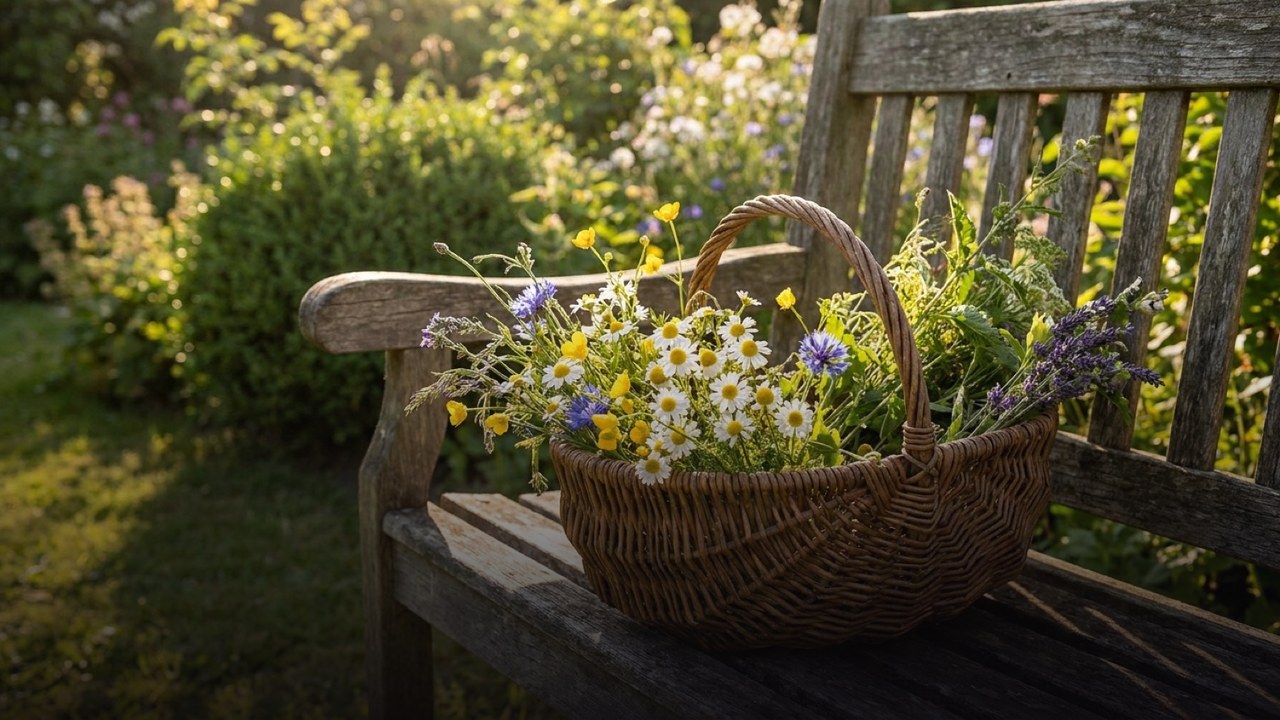
The stems of dry-packed flowers are recut when they arrive at the flower shop to remove the dried or damaged ends and expose a fresh surface for water uptake. During transport without water, flowers lose moisture, and their cut ends can become less effective at taking up water; trimming them before hydration helps the stems replenish that loss.
Customers sometimes worry that trimming means the flowers arrived in poor condition. Recutting is a normal conditioning step for flowers transported without their stems standing in water, although it cannot repair every kind of damage. At Pyat Tsvetov (5 Flowers), with three flower shops in Saint Petersburg and a history dating to 2011, this is a useful distinction to explain: preparing a stem to drink and judging the condition of the whole flower are separate tasks.
What happens to a flower stem during dry packing
A cut flower continues to lose water through its leaves and other exposed surfaces after harvest. In dry packing, its stem has no continuous water supply to replace that loss, so it may arrive less firm than it was before transport. The extent varies with the flower, its condition and the journey. Dry packing describes the transport method; by itself, it does not establish whether a flower is fresh or damaged.
Water travels through tiny conducting vessels inside the stem, collectively called the xylem. The exposed base may dry out, become crushed or collect contamination, while air entering the vessels can also interfere with water movement. Recutting removes the old end and provides a fresh entry surface. It improves the starting conditions for hydration, but does not guarantee that every obstructed vessel or severely dehydrated flower will recover.
Why a fresh cut matters more than the angle alone
The useful part of recutting is removing compromised tissue with a clean, sharp tool. A blade that slices cleanly leaves the stem in better condition than blunt scissors that flatten it, particularly on firm or fibrous stems. Florists remove enough to reach sound tissue while preserving useful length. There is no single trimming measurement that suits every species, stem thickness and degree of damage.
A slanted cut is common because it can help prevent the entire cut surface from resting flat against the vase bottom. However, an exact 45-degree angle is not a requirement for every flower, and a longer diagonal cut does not automatically mean better hydration. A clean cut followed promptly by water matters more than achieving a precise angle. Our guide to recutting stems in floral design explains the term and its practical purpose.
Bouquets we can deliver




Recutting works as part of proper conditioning
A fresh stem end needs clean water and a clean container to be useful. Leaves below the intended waterline should be removed because submerged foliage decays and encourages microbial growth. Bacteria and other microorganisms can contribute to blockage at the stem base, reducing water uptake again. Cutting the stems and then putting them into a dirty bucket undermines the purpose of the trim.
The next step is to place the flowers in water promptly and allow time to hydrate before judging their firmness. Suitable commercial flower food can be used according to its label, including the stated dilution, rather than mixed by guesswork. Flowers should be kept away from direct sun, heaters and strong draughts while they recover. Conditioning methods vary by species, so boiling water, flame treatment, hammering or splitting stems should never be treated as universal instructions.
What recutting can fix, and what needs a closer look
Slight loss of firmness after time without water may improve once a freshly cut stem can take up water again. A folded petal, bruised bloom or snapped stem is a different problem, and hydration cannot reverse physical damage. Look at the whole stem as well as the flower head: a crushed section above the cut can still restrict water movement. Removing only a tiny slice from the base will not solve damage farther up.
A naturally curved stem should also be distinguished from a sharp crease or break. If a damaged section must be removed, the remaining flower may need a shorter vase or a different position in the arrangement. Keep the flower supported while assessing it, rather than repeatedly bending the weak point. For help identifying the problem, see what to do when a bouquet arrives with bent stems.
How to recut and hydrate a bouquet at home
Prepare a washed vase, fresh water and a clean, sharp cutting tool before taking the stems out of their wrapping. Check the vase height first so you do not remove more length than the arrangement needs. Trim each stem cleanly, remove any foliage that would sit underwater, and place the stem in water promptly. If the bouquet is tied, keep the binding in place when it helps preserve the arrangement, while ensuring the stem ends reach the water.
Check the water level daily, since a bouquet can use enough water to leave some cut ends exposed. Refresh the water and wash the vase when it becomes cloudy or contains fallen plant material; remove fading flowers and submerged debris as well. Recutting is useful when the base has deteriorated or the stems have been left out of water, but daily shortening is not automatically necessary. Avoid adding sugar, bleach or household mixtures by guesswork, as an unsuitable concentration can harm the flowers.
Sending flowers to Russia and explaining care to the recipient
When ordering from abroad, choose the bouquet through our bouquets catalogue and plan the delivery around when the recipient can receive it. We deliver across Russia, with city delivery costing 500 RUB; the operator confirms the price for remote districts and suburbs when confirming the order. In large cities, express delivery is available in 1–2 hours after confirmation, alongside an exact-time option within ±30 minutes or windows of 09–12, 12–15, 15–18 and 18–21. Orders can also be placed 1–30 days ahead, and delivery in Saint Petersburg is available around the clock.
Delivery is anonymous by default: the courier does not name the sender, so use the free card with your text if you want the recipient to know who sent the flowers. The courier calls about 15 minutes before arrival; if the recipient is absent, we agree a second delivery that day or a handover to a neighbour or concierge with the sender’s consent. Online checkout uses CloudPayments, and customers paying from abroad should check the options displayed there without assuming every foreign card will work. See delivery and payment, or call 8 (812) 507-67-05 with questions; a simple care message to the recipient can remind them to prepare a clean vase and trim the stems before arranging them.
Frequently asked questions
Does recutting mean dry-packed flowers were old?
No. Recutting is a routine conditioning step after transport without water, and it does not establish the age of the flowers. Freshness must be assessed from the condition of the blooms, leaves and stems together.
How much of a dry-packed stem should be removed?
Remove the dried or damaged end with a clean cut, preserving enough length for the intended arrangement. The amount depends on the condition of the stem; a fixed measurement is not suitable for every flower.
Must flower stems always be cut underwater?
Underwater cutting is sometimes used to limit air entry, but it is not a universal requirement. For routine home care, use a clean, sharp tool and put the freshly cut stem into clean water promptly.
Will recutting revive every wilted flower?
Recutting may help when poor water uptake is contributing to wilting, but recovery depends on the flower’s condition. It cannot reverse decay, broken tissue or severe damage.
Should I trim a delivered bouquet even if the shop already did?
A fresh trim is useful if the stems have spent time out of water or their ends have dried. Prepare the vase first, preserve the length needed for the arrangement and place the stems in water promptly after cutting.
Ready to send a bouquet?
Pick a city, choose the flowers, and we will hand them over with a photo confirmation.
Choose a city →