
Will flowers die after you pick them?
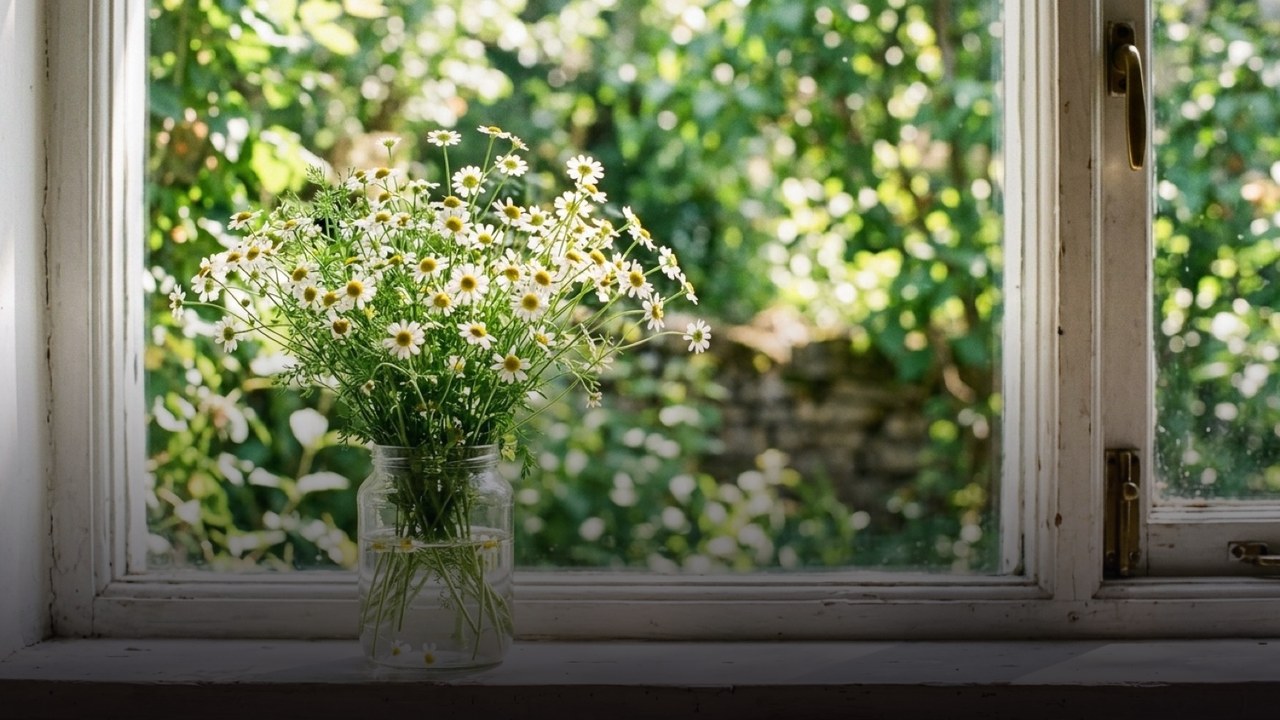
Yes, flowers will eventually die after you pick them, but cutting a stem does not make every part of the flower die immediately. Its tissues can remain alive, take up water through the cut stem and sometimes continue opening. Without the resources supplied by the rooted plant, however, the flower has a limited remaining life.
At Pyat Tsvetov (5 Flowers), customers often ask whether a drooping flower is already dead or simply needs water. Those are different conditions, and recognising the difference helps you avoid throwing away a recoverable stem or repeatedly treating one that has already deteriorated. From our Saint Petersburg flower shops, established in 2011, our practical advice starts with the stem, the vase and the place where you display the bouquet.
What changes when a flower is cut from its plant
A growing flower receives water and minerals through its connection to the roots, while the plant's leaves supply sugars made through photosynthesis. Cutting breaks that supply system, although the stem still contains water-conducting tissue. In a vase, that tissue can draw up water if its pathways remain open. Stored resources help support the flower for a while, but vase water cannot recreate the whole rooted plant.
This explains why a picked flower can look healthy and even open further without being able to live indefinitely. Its remaining life depends on the species, its stage at cutting, its handling and the conditions around it. A tight bud is not automatically a longer-lasting choice: some flowers open poorly when cut too early. Choose stems with sound petals and firm tissue rather than judging freshness only by how closed the bloom looks.
Give newly picked stems water before arranging them
If you are cutting flowers from your own garden, have a clean container of water ready before you begin. Use a sharp, clean cutting tool so the stem is cut cleanly rather than crushed, and put the stems into water promptly. Pick during a cooler part of the day where possible, especially if the plants are already losing moisture in strong sun. Take only flowers you own or have permission to cut, and leave unfamiliar or protected wild plants undisturbed.
For a bouquet brought home, prepare the vase before spending time on the arrangement. Wash it thoroughly, rinse away detergent and add fresh water, then remove any leaves that would sit below the waterline. Recut the stem ends with a clean, sharp tool just before placing them in water, making an angled cut where practical. Avoid hammering or splitting stems as a general remedy, because unnecessary damage can encourage deterioration.
Use the supplied cut-flower food according to its instructions, including the stated amount of water. Adding an arbitrary extra dose does not make it work better, and a small sachet should not be stretched across a much larger vase than directed. If you have no flower food, start with clean water and careful vase hygiene. Do not improvise a cocktail of sugar, bleach, aspirin or other household products.
Bouquets we can deliver




Keep the vase clean and the display conditions gentle
Check the water level every day, especially when several thirsty stems share a narrow vase. Top it up as needed, and replace it promptly if it becomes cloudy, smells unpleasant or contains fallen plant material. When changing the water, clean the vase and remove softened leaves or stems rather than returning them to the arrangement. Clear water is useful to see, but appearance alone does not prove that a vase is clean.
Place the bouquet away from radiators, heating vents, direct sunshine and strong draughts. Heat and moving air can increase water loss, leaving stems unable to replace moisture quickly enough. Keep flowers away from ripening fruit as well, since the ethylene it releases can accelerate ageing in sensitive varieties. A cool room with space around the blooms is generally a better display spot than a sunny windowsill or a crowded kitchen counter.
Handle petals as little as possible when moving or rearranging the bouquet. Bruising may become visible after the contact that caused it, so repeatedly squeezing a bloom to test freshness can create damage. Remove fading individual stems as the arrangement changes, while keeping healthy flowers in clean water. A mixed bouquet does not have to be discarded just because its shortest-lived component has finished.
Tell temporary wilting from irreversible deterioration
Wilting means a flower has lost firmness, often because water loss is exceeding water uptake. A dry vase, blocked stem end or prolonged warmth may contribute, so check those conditions before deciding the flower is beyond recovery. Fresh water, a clean vase, a new stem cut and a cooler position are sensible first steps. Give the stem time to take up water; recovery depends on its condition and is never certain.
Soft or slimy stems, spreading mould and extensive translucent or collapsing petal tissue point to deterioration that watering cannot reverse. Remove affected material and clean the container before returning any healthy stems. For roses with drooping heads but otherwise sound tissue, our guide to reviving wilted roses after delivery explains further checks. Avoid treating every drooping flower with boiling water or full immersion, as a method suited to one situation can damage another.
Do not assess a bouquet by a single loose outer petal alone. Look at the whole stem, including its firmness, leaves, water supply and the condition of the flower centre. If several stems decline together, review the shared conditions before assuming that every flower has the same internal problem. Our guide to why flowers wilt quickly after delivery helps organise those checks.
Choose flowers and timing around the recipient's day
A cut bouquet is a temporary gift, and its value is often tied to the moment it marks rather than an exact lifespan. The recipient's favourite flowers or colours are usually a stronger guide than rigid claims about universal flower meanings. Consider scent sensitivity, pets and whether the person has room for a large arrangement. Lilies are particularly dangerous to cats, so choose a different flower for a home where a cat could reach the bouquet or its pollen.
Time the gift so someone can receive it and put the stems into water without a long delay. A bouquet handed over before a lengthy journey or at the start of an event may spend hours without suitable care. For a ceremony, plan who will hold it and where it can go afterwards; for a home delivery, choose a period when the recipient is likely to be available. Include a short personal message if the occasion or your identity would otherwise be unclear.
Arrange a flower delivery in Russia from abroad
We deliver flowers across Russia, and you can begin with the bouquets catalogue. City delivery costs 500 RUB; for remote districts and suburbs, the operator confirms the delivery price when confirming the order. In large cities, express delivery is available in 1–2 hours after order confirmation, alongside delivery at an exact time with a tolerance of ±30 minutes or in the windows 09–12, 12–15, 15–18 and 18–21. You can also pre-order 1–30 days ahead; delivery around the clock is available in Saint Petersburg.
Use the recipient's local date and time when planning a gift from another country, and provide a phone number they can answer. The courier calls about 15 minutes before arrival. If the recipient is absent, we agree a second delivery the same day or, with the sender's consent, hand the flowers to a neighbour or concierge. These arrangements help manage an absence, but choosing a suitable receiving time remains worthwhile.
Delivery is anonymous by default: the courier does not name the sender, and a card with your text is free. If you want the recipient to know who sent the bouquet, sign the card explicitly. Online checkout uses CloudPayments; check the options displayed there for your card rather than assuming every foreign card will be accepted. See delivery and payment for information, or call 8 (812) 507-67-05 with questions.
Frequently asked questions
How long do flowers live after you pick them?
There is no reliable lifespan that applies to all picked flowers. Species, maturity, handling, water uptake and display conditions all affect how long a stem stays attractive.
Can flowers survive after being picked without water?
They can remain alive temporarily using moisture already in their tissues, but they continue losing water. Put cut stems into water promptly rather than relying on a fixed safe period.
Will a picked flower grow roots in a vase?
Some plant stems can form roots under suitable conditions, but an ordinary cut-flower bouquet should not be expected to do so. Even a stem that roots needs appropriate growing conditions to develop into an established plant.
Does sugar keep picked flowers alive?
Sugar alone is not a complete vase treatment and can also feed microorganisms in the water. Use a formulated cut-flower food as directed, or prioritise clean water and a clean container if none is available.
Can a closed flower still open after it has been picked?
Yes, some cut flowers continue opening when they were harvested at a suitable stage and can take up water. A very immature bud may fail to open, so a tightly closed bloom is not a guarantee of a longer display.
Ready to send a bouquet?
Pick a city, choose the flowers, and we will hand them over with a photo confirmation.
Choose a city →