
Anniversary Flowers for Russian Couples: Rules, Stem Counts and Best Picks
Customers ordering anniversary flowers for a Russian couple run into the same wall every time: they pick a number that feels generous, choose white because it seems elegant, and then get a call from a worried recipient asking whether someone has died. The rules around flowers in Russia are specific, they are not superstition, and florists here apply them every day. Stem count, colour combination and flower type all carry meaning that the sender may not intend but the recipient will read immediately. This article covers what actually matters, with real varieties and practical checks so the order arrives right.
Why Stem Count Is the First Thing a Russian Recipient Notices
In Russia, even numbers of flowers — two, four, six, ten — are reserved for funerals and mourning. This is not a regional preference or an older generation's habit; it applies across the country and across age groups. When a delivery arrives with an even number of stems, the couple receiving it will count immediately, and the mood shifts before the card is even read. The rule is simple: always order an odd number for any celebratory occasion, including anniversaries. The most common choices for anniversary bouquets are 11, 15, 21, 25, 35, 51 or 101 stems. Larger counts — 51 or 101 — signal a significant occasion and are popular for round anniversaries such as ten, twenty-five or fifty years together. For a first or third anniversary, 11 or 15 stems is a reasonable and proportionate choice. The count applies to the main flowers in the arrangement, not to every leaf or filler stem, so a bouquet of 15 roses with eucalyptus and wax flower is perfectly correct. When customers place an order and ask the florist to make it look full, the florist will add volume through greenery and supporting flowers without touching the count of the primary blooms. Getting this right is the single most important technical detail in any anniversary order for a Russian couple, and it is the mistake that arrives most often from customers ordering from abroad or from other regions without local knowledge.
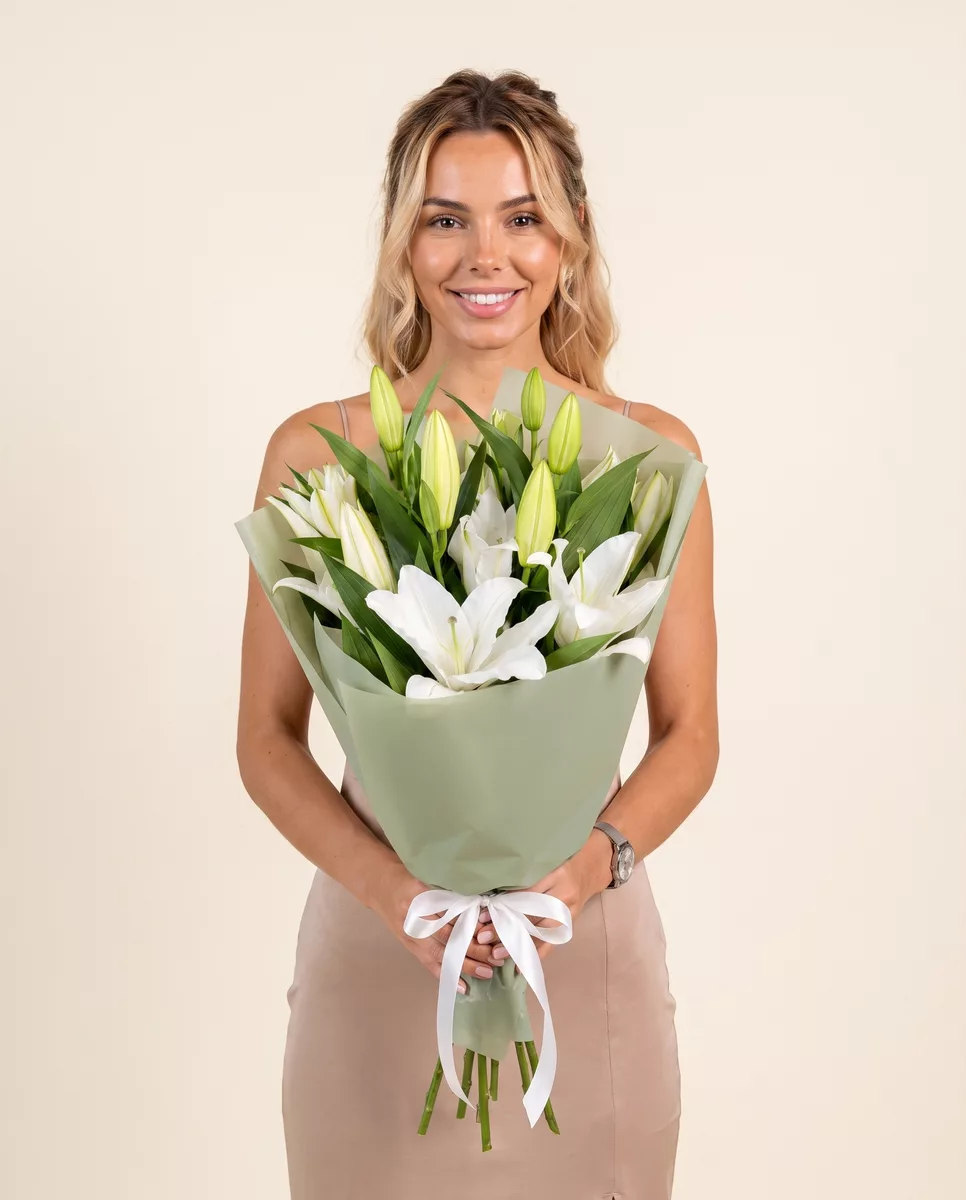
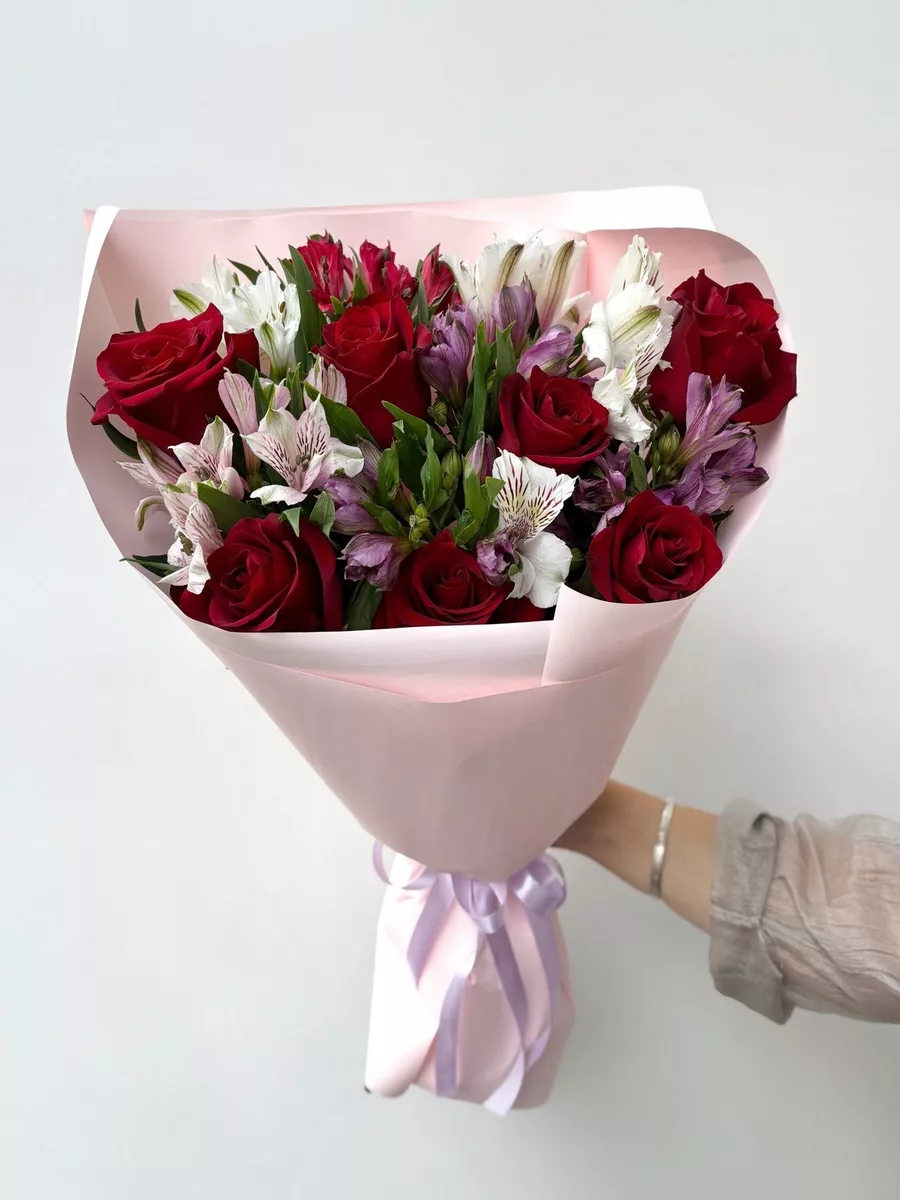
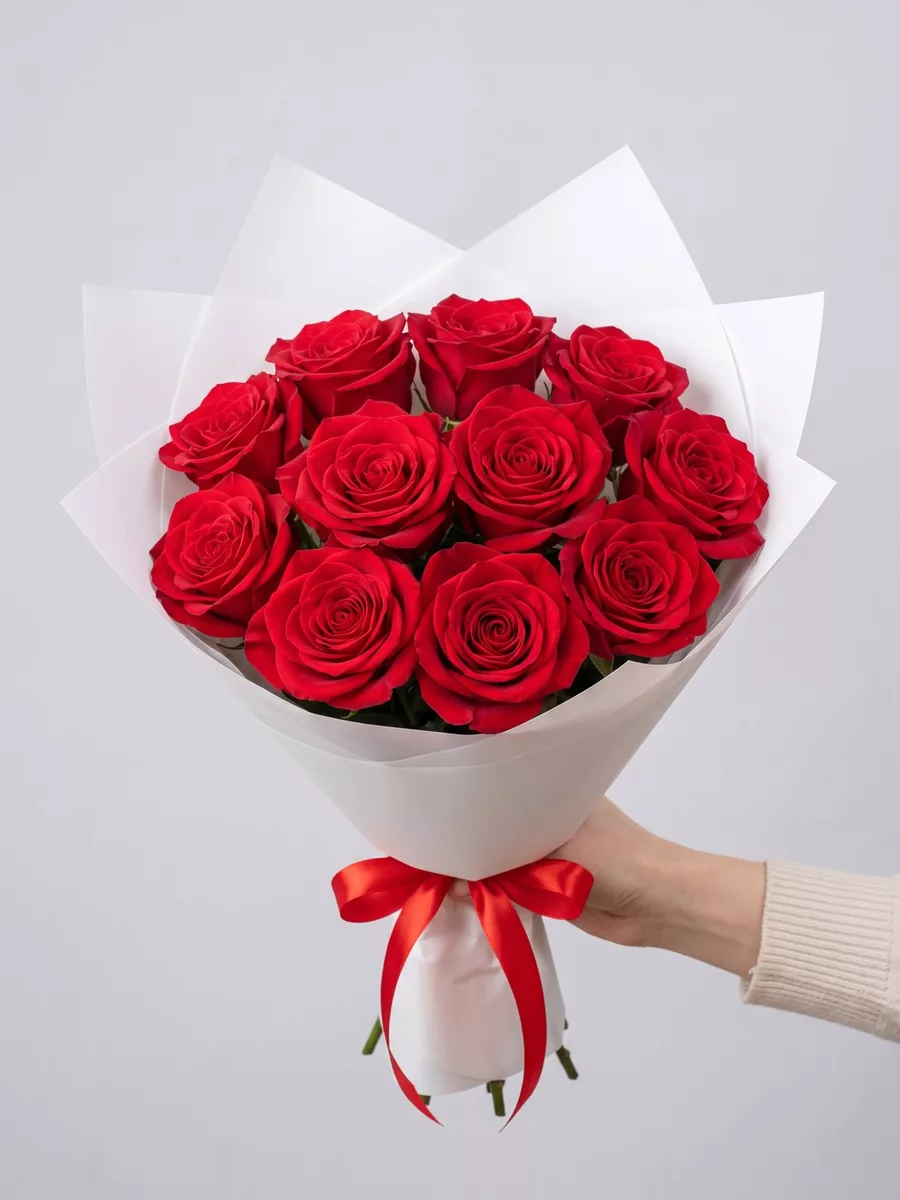
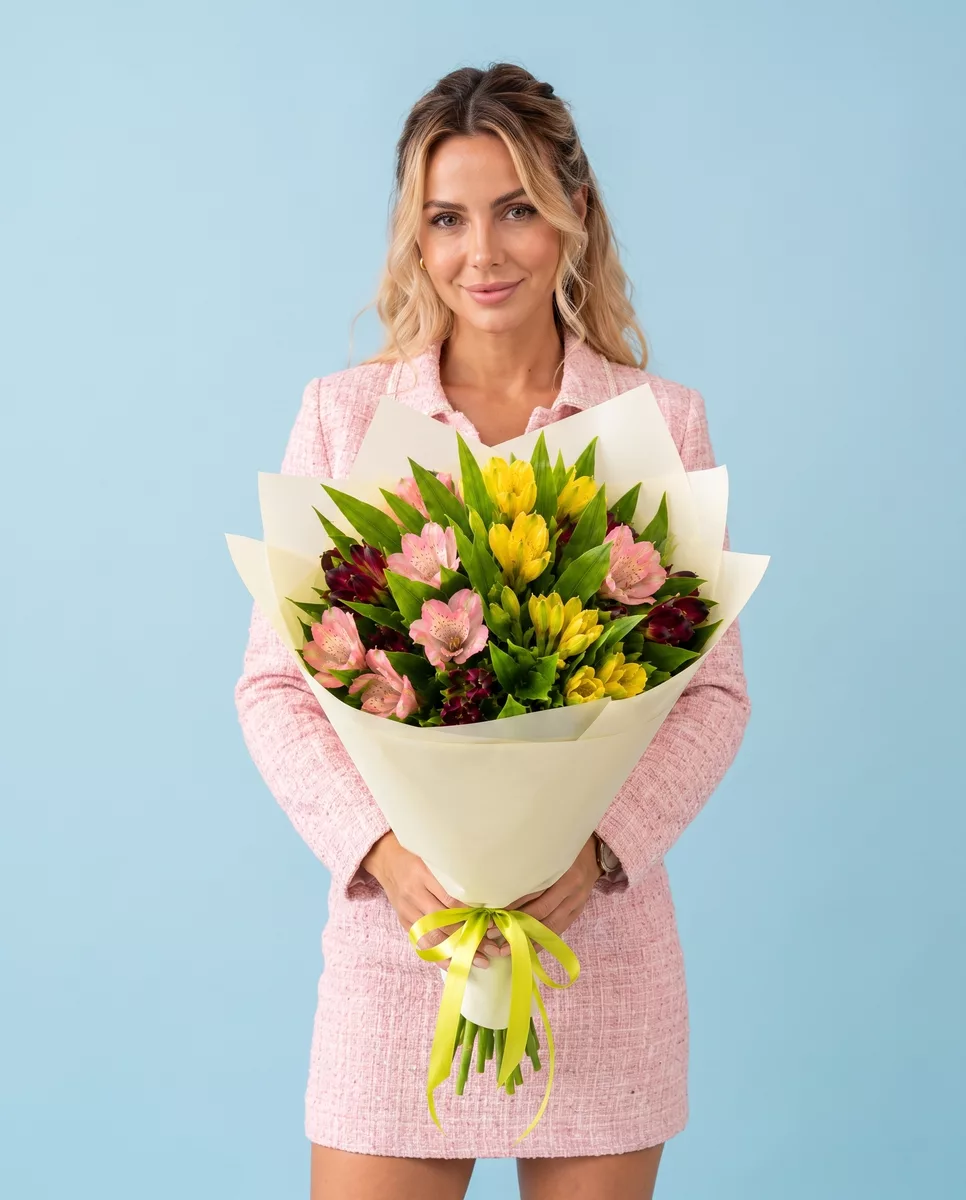
Bouquets we can deliver
Colours That Work for Couples and Colours That Cause Confusion
White flowers on their own are strongly associated with mourning in Russian culture, so a pure white bouquet sent to a couple for their anniversary will read as an odd or even alarming choice. This does not mean white is banned — it means white should be combined with other colours rather than used alone. A mix of white and soft pink, white and deep red, or white and coral reads as celebratory and is widely used in anniversary arrangements. Red roses remain the most legible anniversary flower in Russia, understood by every recipient regardless of age or city. A bouquet of 25 or 51 red roses is a classic choice for a significant anniversary and will not be misread. Yellow flowers carry a different association worth knowing: in the older Russian tradition, yellow can suggest separation or infidelity within a couple. Younger couples in major cities are generally less concerned with this, but if the recipients are over fifty or come from a more traditional background, it is safer to avoid yellow as the dominant colour. Mixing yellow with orange and red removes most of the negative association because the combination reads as warm and festive rather than pointed. Deep burgundy, dusty rose, coral and bright fuchsia are all safe and popular for anniversary work. Purple and violet tones — lavender roses, lisianthus, allium — are increasingly used in anniversary bouquets in Saint Petersburg and Moscow and carry no negative meaning. When in doubt, a florist can build a palette around red or pink as the anchor and bring in white or cream as a secondary tone.
Flower Types That Russian Couples Expect to See for Anniversaries
Roses are the default anniversary flower in Russia, and that default exists for a reason: they travel well, they hold for five to seven days with proper care, and they are understood by the recipient as an intentional, formal choice rather than a casual one. Garden roses — varieties such as David Austin types with cupped, multi-petalled heads — have become popular in Saint Petersburg over the last several years and are used frequently in anniversary work because they feel more substantial than standard hybrid tea roses. Peonies are a strong anniversary choice when they are in season, roughly May through July, and a bouquet of 15 or 21 peonies in pink or coral is one of the most requested anniversary arrangements in the shop. Outside of peony season, peony-shaped ranunculus can fill a similar visual role and are available year-round. Lisianthus, also called eustoma, is a reliable supporting flower that adds volume and a slightly romantic texture without overwhelming the primary blooms. Spray roses work well as filler and are available in a wide colour range. Chrysanthemums are worth a note: single large-headed chrysanthemums, particularly white ones, have a funerary association in Russia, so florists here do not use them in anniversary arrangements. Spray chrysanthemums in warm tones are less loaded but still uncommon in anniversary work. Orchids — particularly Phalaenopsis in a pot or cut Cymbidium stems — are used for anniversaries when the couple is known to prefer plants over cut flowers, and they are a practical choice because they last significantly longer than cut arrangements.
Round Anniversaries: What the Occasion Changes About the Order
A fifth anniversary is treated differently from a twenty-fifth, and a twenty-fifth differently from a fiftieth, and Russian couples expect the scale of the arrangement to reflect that. For round anniversaries — ten, fifteen, twenty, twenty-five, fifty years — the expectation is a larger bouquet or a combination of flowers and a plant or additional gift. A bouquet of 51 roses for a twenty-fifth anniversary is a standard choice and signals that the sender understands the significance of the occasion. For a fiftieth anniversary, 101 stems is not unusual, and the arrangement will often include premium varieties: garden roses, peonies if in season, or Cymbidium orchid stems alongside the roses. The number of years together sometimes influences the stem count directly: some customers order 25 stems for a twenty-fifth anniversary or 50 plus one — making it 51 — to mark the year while keeping the count odd. Florists here see this frequently and it is a thoughtful approach. For the first anniversary, the occasion is smaller in scale but still intentional: 11 roses or a mixed bouquet of 11 stems with lisianthus and greenery is appropriate and will not look undersized. The packaging and presentation matter more for round anniversaries: a bouquet in a hat box or wrapped in layered paper with a ribbon reads as more considered than a standard wrap. Delivery timing is also more important for round anniversaries — the bouquet should arrive during the day, ideally in the morning or early afternoon, so the couple has it throughout the celebration rather than after the main event has passed.
Seasonal Availability and What to Order When Your First Choice Is Not There
Customers often arrive at the order page with a specific flower in mind that is either out of season or unavailable on a given day, and the choice of substitute matters for an anniversary arrangement. Peonies are available fresh from approximately May to early July; outside that window, the shop works with peony-shaped ranunculus or garden roses with a similar cupped form. Ranunculus are available from late winter through spring and are a strong anniversary choice in their own right — a bouquet of 21 coral or dusty pink ranunculus is striking and holds well for four to five days. Tulips are a spring flower and available from roughly February through April; they are used in anniversary arrangements but need to be ordered knowing they will continue to open after delivery and will have a shorter vase life than roses. In summer, sunflowers are available but are more casual in tone and better suited to informal occasions than formal anniversaries. Hydrangea is available most of the year and works well as a volume flower in anniversary arrangements, particularly in blush, dusty blue or white combined with red or pink roses. Calla lilies are available year-round and have a clean, architectural quality that suits anniversary arrangements for couples who prefer a less traditional look. When a customer's first choice is not available, the florist should be told the colour palette and the occasion rather than just the flower name, because a good substitute will match the mood and scale of the arrangement rather than simply being the closest botanical relative of the original request.
Checking the Order Before It Leaves the Shop: What to Verify
Anniversary bouquets going to a couple require a few specific checks that a standard delivery does not. The stem count should be confirmed odd and should match what was agreed at order placement — this sounds obvious but errors happen when a florist adds or removes a stem during assembly for visual balance. The colour palette should be reviewed against the rules covered above: no all-white arrangements, no dominant yellow if the couple is traditional, and red or pink confirmed as the anchor if that was specified. The card message should be checked for the recipient's name spelling, because a card addressed to the wrong name — a common issue with Russian names that have multiple romanisation options — creates an awkward moment that overshadows the flowers. Delivery timing should be confirmed with the address: apartment buildings in Saint Petersburg and other Russian cities require a working intercom code or a contact number for the recipient, and anniversary deliveries that sit in a lobby because no one answered the door are a recurring problem. Temperature matters for the flowers in transit: in summer, the van should be climate-controlled, and in winter, the bouquet needs protective wrapping so that the outer petals are not damaged by frost between the vehicle and the door. The recipient's schedule should be considered when choosing a delivery window — many couples go out for an anniversary dinner in the evening, so a delivery arriving at 8 pm may find an empty apartment. Morning or early afternoon delivery is safer for round anniversaries when the day is planned in advance.
Common Mistakes from Customers Ordering from Outside Russia
Customers ordering from outside Russia — or from within Russia but without experience of local customs — make the same cluster of mistakes. Even stem counts are the most frequent, and they are also the easiest to fix: the customer simply needs to be told before the order is confirmed. White-only bouquets are the second most common issue, and they come from customers who associate white with elegance and celebration rather than with mourning. A florist who catches this before the arrangement is built can redirect the order to a white-and-pink or white-and-red combination with no loss of the visual effect the customer was imagining. Under-ordering for a significant anniversary is another pattern: a customer marks a twenty-fifth anniversary with an 11-stem bouquet because they are used to smaller arrangements being acceptable in their home country, and the couple receiving it reads the scale as a mismatch with the occasion. Florists here will suggest a larger count if the occasion warrants it, and that suggestion should be taken seriously rather than seen as upselling. Ordering chrysanthemums — particularly large white ones — because they are common in anniversary arrangements in other European countries is a mistake that a good florist will flag immediately. Finally, customers sometimes request delivery late in the evening to create a surprise, not realising that the couple may not be home, that building access is harder to arrange after 9 pm, and that the flowers will have been out of water for longer than ideal by the time they are received. Earlier in the day is nearly always the better choice for anniversary deliveries.
Anniversary flowers for a Russian couple are not complicated once the core rules are clear: odd stem counts, no all-white arrangements, no dominant yellow for traditional couples, no large single-headed chrysanthemums, and a scale that matches the significance of the year being marked. Roses are the safest and most legible choice, garden roses and peonies when in season add texture and weight, and lisianthus or ranunculus fill the arrangement without overwhelming it. The practical checks — count, colour, card spelling, delivery window and building access — are what separate an order that lands well from one that creates a problem on a day that matters. A florist who knows these rules will catch the errors before the bouquet is assembled, which is the point of placing the order with someone who works with these arrangements every day. We deliver bouquets across Russia in 1–2 hours.
Frequently asked questions
What is the minimum stem count for an anniversary bouquet for a couple in Russia?
There is no strict minimum, but the count must be odd. Eleven stems is the practical lower limit for an anniversary arrangement that reads as intentional rather than casual. For a significant round anniversary such as a tenth or twenty-fifth, 21 or 51 stems is more appropriate. The number signals the scale of the occasion, so matching count to year matters.
Can I send yellow flowers for a Russian anniversary?
Yellow flowers carry an association with separation in traditional Russian culture, so they are best avoided as the dominant colour when sending to couples, particularly those over fifty or from a more conservative background. Mixing yellow with orange and red significantly reduces the association. If the couple is younger and urban, yellow is less likely to be read negatively, but a warm coral or orange palette is a safer alternative.
Are peonies available year-round for anniversary delivery in Russia?
Fresh cut peonies are seasonal, available approximately from May through early July. Outside that window, florists use peony-shaped ranunculus or full-headed garden roses to achieve a similar visual effect. Both hold well in transit and have a vase life of four to five days. If the anniversary falls in autumn or winter, garden roses are the more reliable choice for a lush, rounded arrangement.
What time of day should an anniversary bouquet be delivered to a Russian couple?
Morning or early afternoon delivery — between 10 am and 2 pm — works best for most anniversary occasions. Couples often have dinner plans in the evening, so a late delivery risks finding an empty apartment. Earlier delivery also means the flowers are displayed and enjoyed throughout the day. For buildings with intercoms, a contact number for the recipient should always be provided at order placement.
Is it acceptable to send a plant instead of cut flowers for a Russian anniversary?
Yes, and it is increasingly common for significant anniversaries. A potted Phalaenopsis orchid or a well-established plant in a decorative pot is a practical choice because it lasts far longer than a cut arrangement. Some customers combine a smaller cut bouquet with a plant. The same colour considerations apply: avoid all-white presentations and choose warm or vibrant tones for the pot covering or accompanying flowers.
Ready to send a bouquet?
Pick a city, choose the flowers, and we will hand them over with a photo confirmation.
Choose a city →