
Astoma flower: understanding eustoma and choosing a bouquet
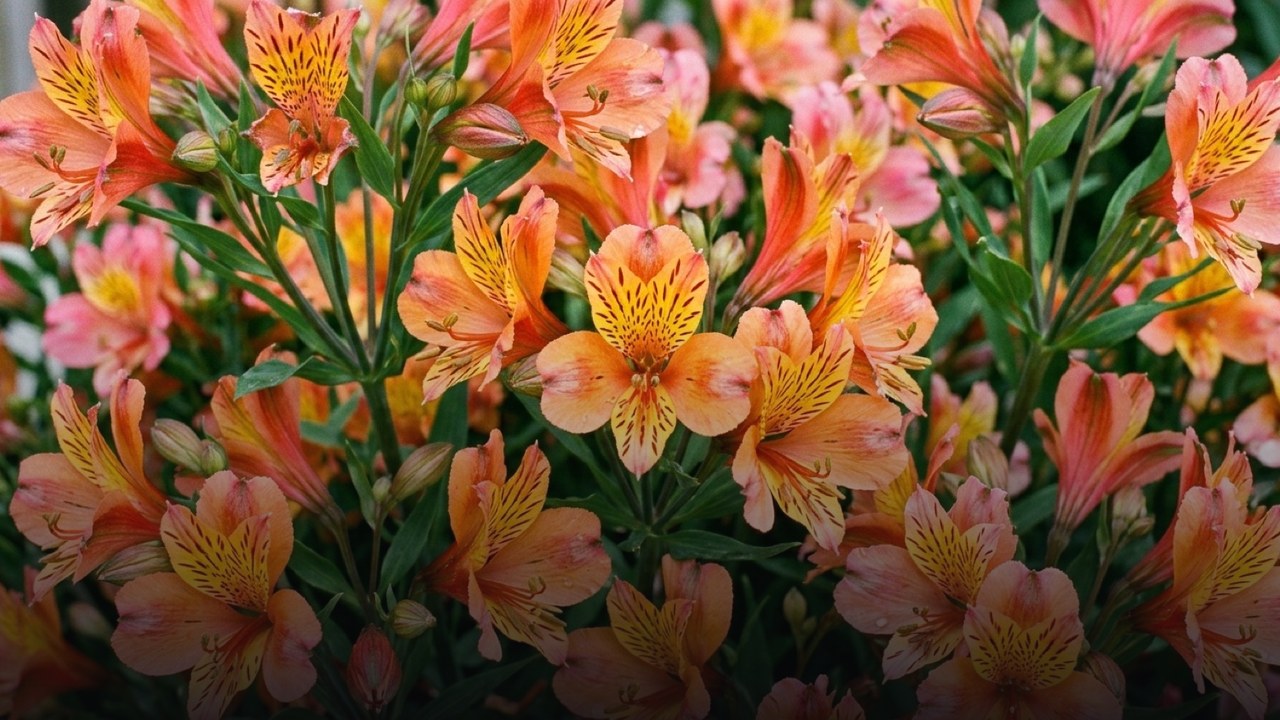
“Astoma flower” usually refers to eustoma, also known as lisianthus: a cut flower with soft, layered petals, branching stems and several buds. Its open blooms can resemble small roses, although single-flowered varieties have a simpler, cup-shaped appearance. Use “eustoma” or “lisianthus” when looking for it in a bouquet description.
At Pyat Tsvetov (5 Flowers), customers often describe the flower they want before they know its name. For eustoma, useful clues are its delicate petals, smooth grey-green foliage and a mixture of flowers and buds along each stem. We have been working in Saint Petersburg since 2011; this guide explains how to recognise the flower, care for it and make practical arrangements when sending flowers to someone in Russia.
How to recognise eustoma and choose its appearance
Look at the whole stem rather than a single open bloom. Eustoma typically branches, carrying flowers at different stages of opening, with oval leaves and elongated buds. Double varieties have many overlapping petals, which explains the resemblance to roses. A rose has a different stem and foliage structure, so a close photograph showing the leaves is more useful for identification than a tightly cropped flower head.
Eustoma appears in white, pink, purple and other shades, including varieties with contrasting petal edges. Colour alone will not identify it, and photographs can shift pale tones depending on lighting. When choosing from a product image, consider whether you like the overall balance of open flowers, buds and greenery. A bouquet with many open blooms will have a different immediate appearance from one with a greater proportion of buds.
For a gift needed to look full on arrival, pay attention to how developed the flowers appear in the selected design. Buds give a stem a light, branching outline, but the smallest buds may never open in a vase. Do not judge a bouquet's visible size by the number of stems alone, because branching and flower development affect its outline. Check the individual description in the Bouquets catalogue before choosing.
What eustoma means as a gift
Eustoma is often associated with appreciation, gratitude and affection, but flower meanings are conventions rather than a universal code. The relationship and the accompanying message usually communicate more than the variety itself. It can suit a thank-you, a birthday or a personal expression of support when its appearance matches the recipient's taste. There is no need to reserve it for a romantic occasion.
White and pale colours can create a quiet, restrained impression, while stronger pinks and purples make the bouquet more visually prominent. These are design effects, not fixed emotional meanings. If the recipient has a favourite colour, that preference is a more reliable guide than an online colour-symbolism chart. For a colleague or someone you know less closely, keep the written message clear and appropriate to the relationship.
When sending flowers in Russia, consider stem-count traditions if you are choosing a small, countable bouquet. Odd numbers are customary for celebratory gifts, while even numbers are traditionally associated with mourning. Eustoma's branching stems can make flower-head counting misleading, so distinguish stems from individual blooms. A short card stating the occasion also helps the recipient understand the gesture without having to interpret the flowers.
Bouquets we can deliver




What to do when the bouquet arrives
Prepare a clean vase before arranging the stems, and wash away residue from previous flowers. Remove any leaves that would sit below the waterline, since submerged foliage breaks down and dirties the water. Recut the stem ends with a clean, sharp tool before placing them in fresh water. Handle the stems gently while doing this, keeping pressure away from the delicate flower heads.
Remove transport wrapping before putting the bouquet in a vase, and loosen any binding that prevents the stems from sitting comfortably. Choose a vase that supports the arrangement without crushing the branching stems at its neck. Leave enough room for the flowers to spread naturally rather than forcing them into a narrow opening. If a flower-food sachet is included, follow its instructions and measure the water accordingly.
Place the vase away from direct sunlight, radiators and strong draughts. Keep it clear of ripening fruit, which releases ethylene that can shorten the life of sensitive cut flowers. Avoid spraying the petals or leaving them pressed against a damp surface. A stable position where the bouquet will not be knocked or repeatedly moved makes daily care easier and reduces accidental damage.
Daily care and realistic expectations for buds
Check the water level every day, because a leafy, branching bouquet can use water faster than its vase suggests. Refresh the water regularly and clean the vase whenever you see residue or cloudiness. At each change, check again for leaves below the waterline and remove them. Clean water and unobstructed stem ends are more useful than improvised mixtures of sugar or household chemicals.
Remove fading flowers carefully rather than discarding an entire branching stem while its other blooms still look healthy. Use clean scissors to cut off the spent flower without pulling on neighbouring buds. If the stem ends become discoloured or damaged, trim them before returning the bouquet to clean water. Let the condition of the flowers guide care instead of expecting every part of the arrangement to age at the same rate.
Some developed buds may open after cutting, but the tightest buds should not be treated as guaranteed future flowers. Opening depends on their maturity and the condition of the stem, among other factors. Do not try to unfold the petals by hand or put the bouquet beside a heater to hurry it along. Vase life also varies with handling and room conditions, so a fixed number of fresh-looking days would be misleading.
Choosing a delivery time for someone in Russia
Start with the recipient's city and the time they are likely to be at the delivery address. For an office gift, take account of their working hours; for a home delivery, choose a period when they can receive the flowers and put them in water. If you are ordering from abroad, check the time difference before selecting a slot. A birthday surprise works best when its timing fits the recipient's day.
We deliver flowers across Russia, with express delivery in large cities available within 1–2 hours after the order is confirmed. Other options include delivery at an exact time with a tolerance of plus or minus 30 minutes, or the windows 09–12, 12–15, 15–18 and 18–21. Orders can also be placed 1–30 days ahead. In Saint Petersburg, delivery is available around the clock; this does not describe the schedule for every city.
The courier calls the recipient about 15 minutes before arrival, so provide a contact number they can answer. If they are absent, we agree a second delivery the same day or, with the sender's consent, hand the flowers to a neighbour or concierge. Do not plan around an unattended doorstep drop. Read the Delivery and payment information when arranging the timing, especially if the address is outside the city.
How to order and make the message personal
Choose a bouquet using its current description, checking whether it lists eustoma or lisianthus if that flower is essential to your choice. The search term “astoma” may help you find an explanation, but it is less precise for identifying a product. Have the recipient's address and phone number ready, along with your preferred delivery date. For questions about a selection or delivery arrangements, call 8 (812) 507-67-05.
City delivery costs 500 RUB; for remote districts and suburbs, the operator confirms the price when confirming the order. Online checkout uses CloudPayments, so check the payment options displayed there before proceeding. Acceptance of every foreign-issued card cannot be assumed. If you are ordering from another country, leave enough time to complete checkout and have the order confirmed before relying on the express delivery timing.
Delivery is anonymous by default: the courier does not name the sender. A card with your text is free, so sign the message if you want the recipient to know who sent the flowers. Use a few specific words about the occasion or your relationship rather than relying on the flower's supposed meaning. For a gift across distance, a recognisable name and a sincere sentence can make the intention clear as soon as the card is read.
Frequently asked questions
Is astoma the same flower as eustoma?
“Astoma” is usually a misspelling or phonetic rendering of eustoma, which is also called lisianthus. Check a photograph and the bouquet description to confirm which flower is intended.
Will all the eustoma buds open in a vase?
No: developed buds may open, but very small, tight buds may remain closed. Keep the stems in clean water and avoid using heat or handling the petals to force them open.
Can I send flowers anonymously to someone in Russia?
Yes, delivery is anonymous by default and the courier does not name the sender. A card with your text is free; leave your name out of the message if you want to remain anonymous.
Can I pay for an order from abroad?
Online checkout uses CloudPayments. Check the options displayed at checkout, because acceptance of every foreign-issued card is not guaranteed.
How quickly can you deliver flowers?
Express delivery in large cities is available within 1–2 hours after the order is confirmed. You can also select an exact time with a plus or minus 30-minute tolerance, a listed delivery window, or preorder 1–30 days ahead.
Ready to send a bouquet?
Pick a city, choose the flowers, and we will hand them over with a photo confirmation.
Choose a city →