
“Bei Russen”: A Practical Guide to Giving Flowers in Russia
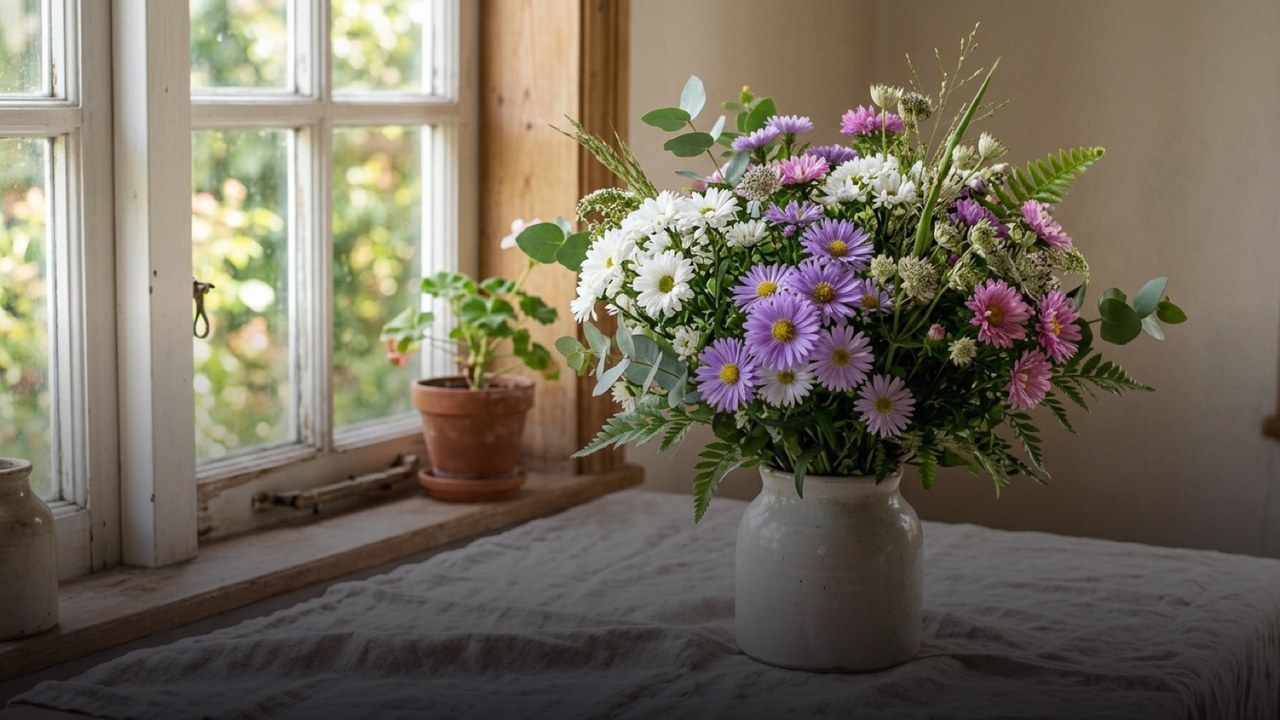
“Bei Russen” is German and can mean “among Russians” or “at Russian people’s homes”, depending on context. If you are searching for guidance on giving flowers to Russian friends or family, the useful starting points are an odd number of flowers for a celebration, a bouquet suited to your relationship, and consideration for the recipient’s plans. These are familiar customs, but personal preferences still matter more than a rigid rulebook.
At Pyat Tsvetov (5 Flowers), customers often need help judging whether a bouquet will feel affectionate, formal or too romantic. We have been working since 2011 and have three flower shops in Saint Petersburg, on Ilyushina St., Obvodny Canal Embankment and Srednerogatskaya St. For someone ordering from abroad, choosing flowers also means thinking through the message, delivery timing and what the recipient will do with the bouquet when it arrives.
Flower numbers: the custom to understand first
For birthdays, visits and other happy occasions, an odd number of flowers is the familiar Russian convention when individual stems are counted. Even numbers are traditionally associated with mourning, so a neatly counted pair or dozen can carry an unintended meaning. This matters particularly with a simple bouquet of roses or tulips, where the number is easy to see. If you are used to buying a dozen roses elsewhere, choose an odd-numbered arrangement for a Russian celebration.
A mixed bouquet needs a little more judgement because it may contain branching stems, several kinds of flowers and decorative greenery. Do not count every tiny bloom as though it were a separate flower, or include leaves in the total. When the main flowers are clearly countable, keep their number in mind while choosing. The aim is a gift that feels appropriate to its recipient, so avoid importing an unfamiliar number tradition merely because it is customary in your own country.
Choose flowers for the relationship, not a colour code
Begin with what you know about the person: a favourite flower, colours in their home, or a preference for simple arrangements. Red roses can suggest romantic affection, especially when accompanied by an intimate message, so consider that association before sending them to a colleague or a new acquaintance. A mixed bouquet can express warmth without placing so much emphasis on one symbol. For a partner who loves bright yellow flowers, their preference is more useful than a general warning about the colour.
Yellow flowers are sometimes linked with separation in popular Russian associations, but that interpretation is not universal. White flowers can appear in both celebrations and expressions of sympathy; the occasion, arrangement and message help establish their meaning. Avoid presenting any colour as a promise of love, reconciliation or good fortune. Browse the bouquets catalogue with the recipient’s tastes in mind, and use your card to say plainly what you want the gift to express.
Bouquets we can deliver




Visiting a Russian home: make the gift easy to receive
When bringing flowers to a home, consider the work the host is already doing. A manageable bouquet is easier to place in water while greeting guests than an arrangement that needs a large vase or extensive rearranging. If you know the recipient has limited space, let that guide the size of your gift. For a household with several adults, say who the flowers are for rather than leaving the host to guess whether they are a personal present or a general thank-you.
Remove outdoor transport wrapping before presenting flowers when that can be done comfortably, but leave decorative wrapping in place if it supports the arrangement. Avoid dismantling the bouquet on the doorstep simply to follow an etiquette rule. If someone in the home is sensitive to fragrance, choose with that in mind instead of assuming all flowers will be welcome. In a home with cats, avoid lilies because they are highly toxic to cats, including their pollen and vase water.
Write a card that makes your intention clear
A card is especially useful when you are sending flowers across a border and cannot hand them over yourself. Give the occasion a clear place in the message: a birthday greeting, thanks for hospitality, congratulations or a simple expression of affection. Two specific sentences usually communicate more than a string of grand compliments. Mentioning a shared memory or something you appreciate about the person makes the gift personal without requiring an elaborate declaration or a lengthy explanation.
Our delivery is anonymous by default: the courier does not name the sender. A card with your text is free, so sign it if you want the recipient to know immediately who sent the flowers. Use the language in which you normally communicate, and check names carefully if you are writing in Russian with help from a translation tool. For a colleague or a relationship that is still developing, a warm, straightforward message reduces the chance of the bouquet being read as a romantic gesture.
Order from abroad with a realistic delivery plan
We deliver flowers across Russia, with city delivery costing 500 RUB. For remote districts and suburbs, the operator confirms the delivery price when confirming the order. Start with the bouquet, then check the recipient’s city, full address and contact number before submitting the order. Read the delivery and payment information while planning, particularly if the address is outside the city or you are arranging the gift from a different time zone.
In large cities, express delivery is available within 1–2 hours after the order is confirmed. Other options are delivery at an exact time with a tolerance of plus or minus 30 minutes, or the windows 09–12, 12–15, 15–18 and 18–21; orders can also be placed 1–30 days ahead. Base your choice on the recipient’s local time and likely availability, allowing for the stated tolerance when planning around a meal or departure. Around-the-clock delivery is available in Saint Petersburg.
Online checkout uses CloudPayments; check the payment options displayed there rather than assuming a particular foreign-issued card will be accepted. The courier calls the recipient about 15 minutes before arrival, so plan for a short call even when the bouquet is a surprise. If the recipient is absent, we agree either a second delivery that day or, with the sender’s consent, handing the flowers to a neighbour or concierge. For questions about arranging the order, call 8 (812) 507-67-05.
Help the bouquet settle in and last well
Once the flowers arrive, remove transport packaging and prepare a clean vase with fresh water. Trim the stem ends with a clean, sharp tool and remove leaves that would sit below the waterline. Keep any structural ties that hold a hand-tied bouquet together unless you intend to rearrange it. If flower food is supplied, follow its instructions rather than guessing the concentration or adding household ingredients that may be unsuitable for the flowers.
Place the vase away from radiators, direct sun and ripening fruit, and check the water level each day. Replace cloudy water, clean the vase as needed and remove fading flowers or damaged foliage before they affect the rest of the arrangement. Different flowers age at different rates, so a mixed bouquet may need small adjustments over time. Avoid promising a fixed vase life to the recipient: the flower varieties, room conditions and care all influence how long the bouquet remains attractive.
Frequently asked questions
What does “bei Russen” mean in English?
The German phrase can mean “among Russians” or “at Russian people’s homes”, depending on the sentence. In a flower-giving context, it may concern customs when visiting or giving a present to Russian friends.
Should a celebration bouquet have an odd number of flowers?
An odd number is the familiar Russian convention for a happy occasion when individual flowers are counted. Even numbers are traditionally associated with mourning, so take care with simple, clearly countable bouquets.
Can I send flowers anonymously?
Yes, delivery is anonymous by default, and the courier does not name the sender. A card with your text is free; include your name in the message if you want to identify yourself.
Can I pay for an order with a foreign card?
Online checkout uses CloudPayments, but acceptance of every foreign-issued card is not guaranteed. Check the payment options displayed at checkout.
What happens if the recipient is not at the address?
We agree a second delivery the same day or, with the sender’s consent, handing the flowers to a neighbour or concierge. The courier calls the recipient about 15 minutes before arrival.
Ready to send a bouquet?
Pick a city, choose the flowers, and we will hand them over with a photo confirmation.
Choose a city →