
Cold, Warm or Room-Temperature Water for Cut Flowers in a Vase
One of the most common questions we hear at the shop is why flowers wilt within two days when the customer swears they changed the water and trimmed the stems. Nine times out of ten, the answer is water temperature. People either fill the vase straight from the cold tap in winter or use warm water thinking it is gentler on the petals. Both instincts can be wrong depending on the variety sitting in front of you. This article breaks down the actual temperatures that matter, which flowers need which range, and the small checks that make the difference between a bouquet that lasts five days and one that lasts twelve.
Why Water Temperature Affects How Long Cut Flowers Last
A cut flower is no longer pulling water through roots — it is relying entirely on the stem's vascular tissue to drink. That tissue responds to temperature the same way a drinking straw responds to pressure: the conditions have to be right for flow to happen efficiently. Water that is too cold causes the vessels inside the stem to contract slightly, slowing uptake and leaving the flower dehydrated even though it is sitting in a full vase. Water that is too warm accelerates bacterial growth, and bacteria are the primary reason stems become slimy and block completely within forty-eight hours.
The practical range most professional florists work within is 10°C to 20°C, with specific varieties sitting at different points along that band. Room temperature in a centrally heated Russian apartment in January is typically 22°C to 24°C, which is already above the upper end of that range — so water left standing in a warm room is not doing your flowers any favours even before bacteria get involved. The goal is always to give the flower a clean, clear path for water to travel from the base of the stem to the petals, and temperature is the single fastest variable you can control without any special equipment. A kitchen thermometer costing almost nothing is genuinely useful here. Florists who have been conditioning flowers for years develop a feel for it — slightly cool but not cold is the rough rule for most everyday varieties — but knowing the numbers removes the guesswork entirely and stops you from making the same expensive mistake twice.
Bouquets we can deliver



Flowers That Prefer Cold Water: Tulips, Ranunculus and Anemones
Tulips are probably the most misunderstood flower when it comes to water temperature. Customers often tell us they put tulips in warm water to help them open faster, and yes, warmth does accelerate opening — but it also accelerates the end of the flower's life by the same margin. Tulips continue to grow after cutting, sometimes by several centimetres, and they do this best in cold water between 4°C and 10°C. In practice, that means filling the vase with cold tap water straight from the tap in winter, or adding a couple of ice cubes in summer when tap water in Saint Petersburg can reach 18°C or above. Keep tulips away from radiators and direct sunlight, and they will hold their shape and colour for seven to ten days rather than the four or five days you get with warm water.
Ranunculus and anemones belong in the same cold-water category. Both are spring and early-summer varieties with soft, multi-layered petals that deteriorate quickly in warmth. Ranunculus in particular are sensitive to ethylene gas produced by ripening fruit, so keeping them in cold water in a cool corner of the room — away from the fruit bowl — is doubly important. Anemones have a tendency to droop dramatically if the water is even slightly warm, which people mistake for wilting when the flower is actually healthy and just reacting to temperature. Switching to cold water and re-cutting the stems at a sharp angle usually brings them upright within an hour. For all three of these varieties, cold water is not a preference — it is a requirement for normal vase life.
Flowers That Prefer Lukewarm Water: Roses, Peonies and Chrysanthemums
Roses are the variety we sell more of than anything else, and the most consistent mistake customers make is putting them straight into cold water after delivery. A rose stem has been cut, possibly transported for an hour or more, and needs to rehydrate quickly. Cold water slows that initial uptake. Lukewarm water — around 35°C to 40°C, which feels just warm to the touch but not hot — moves into the stem rapidly and helps the flower recover from transit stress within the first two to three hours. After that initial conditioning period, you can switch to room-temperature water for daily changes.
Peonies follow the same logic. Their thick stems and dense, tightly packed blooms mean they need a strong initial pull of water to begin opening properly. If you receive peonies in bud and want them to open within twenty-four hours, lukewarm water at around 38°C combined with a warm room will do it. If you want them to open slowly over several days, use cooler water and keep the room temperature down. Chrysanthemums — including the spray varieties with multiple small heads — also respond well to lukewarm water at first, particularly because their stems are woody and the vessels can be sluggish. One practical note: always re-cut stems at a 45-degree angle immediately before placing them in the prepared water. A stem that has been sitting in air for even a few minutes will have started to seal over, and no amount of correct water temperature will compensate for a blocked stem end.
Room-Temperature Water: Lilies, Alstroemeria and Carnations
Not every flower needs a precise temperature intervention. Lilies, alstroemeria and carnations are all relatively tolerant varieties that perform well in plain room-temperature water, which in a normally heated home sits around 18°C to 22°C. This makes them forgiving for people who do not want to think carefully about water preparation, and it is one reason they appear so often in long-lasting bouquet arrangements. Lilies in particular have a reputation for longevity — Oriental and Asiatic varieties regularly last ten to fourteen days with basic care — and water temperature is rarely the limiting factor for them. The more important variables with lilies are removing the pollen-bearing stamens before they open fully (the orange pollen stains fabric permanently) and keeping them away from direct sun.
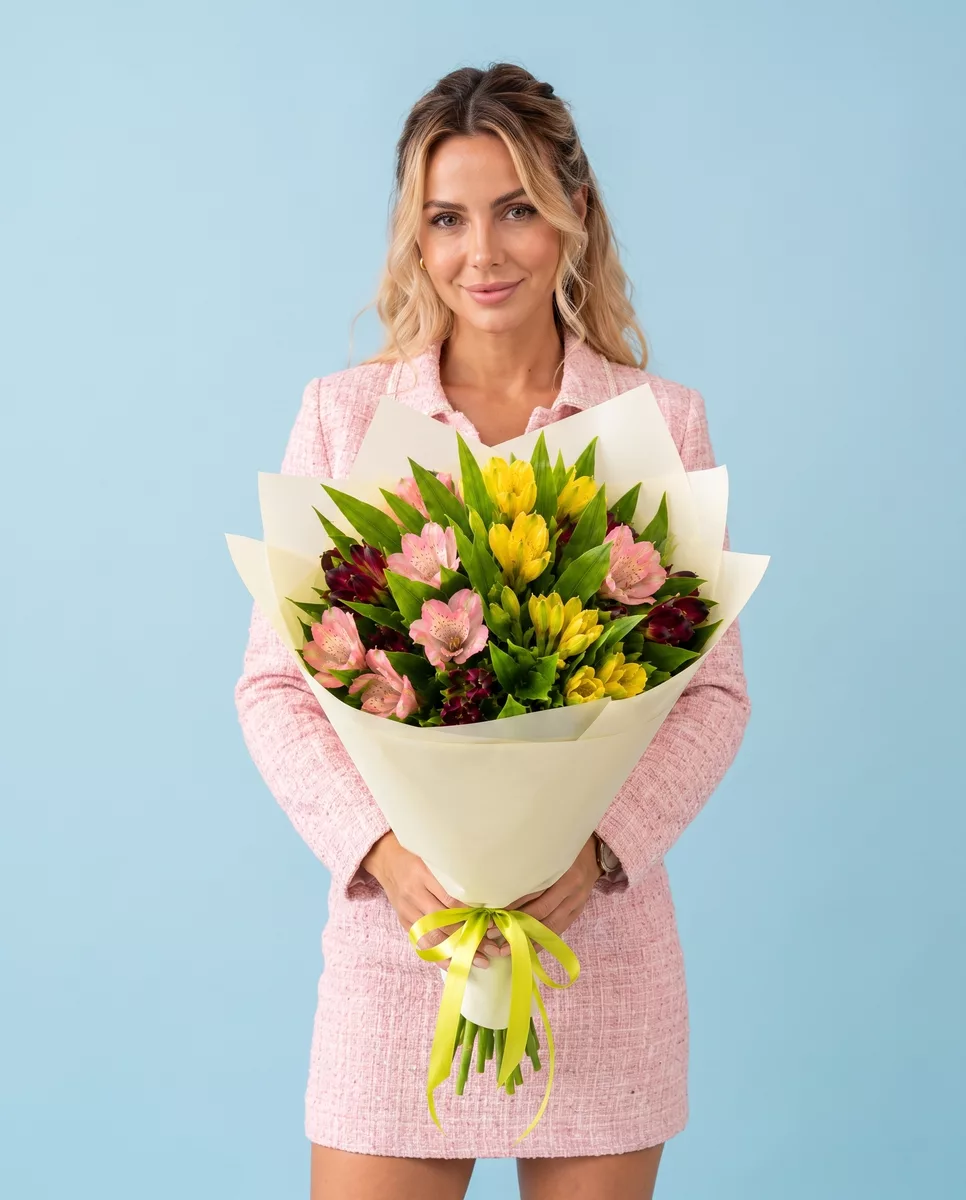
Alstroemeria, sometimes called Peruvian lily, is similarly unfussy about temperature but very sensitive to ethylene, so the fruit bowl warning applies here too. Carnations are perhaps the most tolerant cut flower available: they handle a wide temperature range, survive low humidity, and recover well from mild neglect. Standard carnations and spray carnations both do well in room-temperature water changed every two days. The one thing that does shorten carnation life significantly is water that has been standing for more than forty-eight hours without a change, because bacterial buildup blocks the fine stem vessels quickly. Room-temperature water is fine for carnations — stale water is not, regardless of temperature. The takeaway for these varieties is that consistency and cleanliness matter more than hitting a specific temperature target.
The Hot-Water Trick: When Florists Actually Use It
There is a technique used in professional flower conditioning that surprises most customers when they first hear about it: placing freshly cut stems into very hot water, around 60°C to 70°C, for thirty to sixty seconds before transferring them to cool water. This is not a myth or a folk remedy — it has a specific purpose. Hot water kills bacteria on the cut surface of the stem instantly and also helps push an air bubble out of the vascular tissue if one has formed during cutting or transport. It is used most often with roses, gerberas and sunflowers, all of which are prone to air embolisms that cause the head to droop even when the stem appears to be in water.
The technique requires care. The petals and leaves must be kept well above the water line — you are treating the stem end only, not the flower. A deep, narrow container works best. After the brief hot-water treatment, move the stems immediately to a vase of cool or room-temperature water. The contrast between the hot and cool water creates a small pressure differential that helps draw water up the stem. This is not something you need to do every time you change the water — it is a rescue technique for flowers that are drooping unexpectedly or for stems that have been out of water for more than fifteen minutes. Used correctly, it can revive a rose that looks finished and add another three or four days to its vase life. Used carelessly — leaving stems in hot water too long or letting steam reach the petals — it will accelerate damage rather than prevent it.
Seasonal Adjustments: How Russian Winters and Summers Change the Rules
In Saint Petersburg, the temperature difference between a January street and a heated apartment can be thirty degrees or more. Flowers delivered in winter arrive cold — sometimes very cold if the courier has been outside for more than a few minutes — and placing them immediately into warm water causes a thermal shock that can split petals and crack the outer layers of soft stems like tulips and ranunculus. The correct approach in winter is to let the bouquet rest at room temperature for fifteen to twenty minutes, unwrapped, before trimming stems and placing them in water. This short acclimatisation period is standard practice in professional conditioning and makes a measurable difference to vase life.
Summer in Saint Petersburg brings a different problem. Tap water temperature rises, sometimes reaching 18°C to 20°C straight from the cold tap, which is already at the upper end of the acceptable range for many varieties. Adding ice cubes to the vase is a practical solution for tulips and ranunculus during warm months. For roses and peonies, the initial lukewarm conditioning still applies, but subsequent water changes should use water that has been left to cool after boiling — boiled water has lower dissolved oxygen and fewer bacteria than tap water, and it cools to around 20°C within thirty minutes. Russian households often have an electric kettle running constantly, so this is not an inconvenient step. The broader principle is that the target water temperature is fixed by the variety, but how you achieve that temperature varies by season, and adjusting for this is what separates a bouquet that looks good for a week from one that looks good for two.
Common Mistakes and What to Check When You Receive a Delivery
The most frequent mistake we see is customers filling a vase, placing the bouquet in it, and not checking the water again for three or four days. Bacterial growth in a vase at room temperature becomes significant within forty-eight hours, and the water temperature at that point is almost irrelevant because the stem vessels are already partially blocked. Change the water every one to two days, re-cut the stems by one to two centimetres each time, and rinse the vase itself — bacteria cling to the glass and recolonise fresh water within hours if the container is not cleaned.
The second mistake is using additives incorrectly. A small amount of sugar in the water feeds bacteria as much as it feeds the flower, so sugar alone without an antibacterial agent shortens vase life rather than extending it. Commercial flower food sachets, which are often included with delivered bouquets, contain a precise balance of sugar, acidifier and biocide — use them as directed, dissolved in the correct volume of water at room temperature. Do not double the dose thinking it will help more.
When a delivery arrives, check three things before anything else: whether the stems have been freshly cut (they should be pale and clean at the base, not brown or slimy), whether the water in any transport wrapping is still cool, and whether the petals show any signs of bruising from cold exposure in transit. If stems are brown, re-cut immediately. If petals show translucent patches from cold damage, move the bouquet to a cool but frost-free spot rather than a warm room, as warmth will accelerate the breakdown of already-damaged tissue. These checks take under two minutes and determine how the next ten days will go.
Water temperature is one of the few variables in flower care that costs nothing to get right and nothing to get wrong except the flowers themselves. Cold water for tulips, ranunculus and anemones; lukewarm water for roses, peonies and chrysanthemums during the first conditioning hours; room temperature for lilies, alstroemeria and carnations throughout their vase life. Adjust for the season, change the water every two days, re-cut the stems, and use the hot-water rescue technique when a stem is drooping unexpectedly. These are not complicated steps — they are the same steps a florist takes every morning on the shop floor, and they are the reason a professionally conditioned bouquet consistently outlasts one that has been left to manage itself. We deliver bouquets across Russia in 1–2 hours.
Frequently asked questions
Can I use ice-cold water directly from the freezer for tulips?
Water just above freezing, around 2°C to 4°C, is actually too cold for most tulip varieties and can cause the stem tissue to become waterlogged and collapse. Aim for 6°C to 10°C — cold tap water in winter or tap water with one or two ice cubes in summer. That range keeps the stems firm without damaging the vascular tissue.
Does the type of vase affect how quickly water temperature changes?
Yes, noticeably. Glass and ceramic vases hold temperature longer than thin plastic containers. A thick-walled ceramic vase filled with cold water will stay cool for several hours in a warm room, while a thin plastic bucket will equalise to room temperature within thirty to forty minutes. For cold-water varieties like ranunculus, a ceramic or glass vase is a practical advantage.
Is tap water in Saint Petersburg safe for cut flowers, or should I use filtered water?
Saint Petersburg tap water is chlorinated, and that chlorine actually helps suppress bacterial growth in the vase — which is beneficial for cut flowers. Filtered water that removes chlorine can allow bacteria to multiply faster. The main concern with tap water in summer is its rising temperature, not its chemical composition. Tap water is fine; just check the temperature before use.
My roses arrived drooping. Should I use hot water or cold water to revive them?
Use the hot-water technique: re-cut the stems at a sharp angle and place only the stem ends in water at around 65°C for thirty to sixty seconds, keeping petals clear of the steam. Then transfer immediately to a vase of cool room-temperature water. This clears air blocks from the stem vessels. Most drooping roses recover within two to three hours using this method.
Does water temperature matter less if I use flower food sachets?
Flower food sachets help with nutrition and bacterial control but do not override the effect of incorrect water temperature. A sachet dissolved in very warm water will still accelerate bacterial growth beyond what the biocide in the sachet can manage. Use sachets as directed — dissolved in room-temperature water — and still apply the correct temperature guidelines for cold-water varieties like tulips and anemones.
Ready to send a bouquet?
Pick a city, choose the flowers, and we will hand them over with a photo confirmation.
Choose a city →