
Water Temperature for Cut Flowers: The Florist's Practical Answer
The single question we hear most often after a bouquet arrives is not about fertiliser sachets or vase shape — it is about water. Customers fill the vase from the cold tap, or sometimes from the kettle after it has cooled a little, and then wonder why roses are drooping by day two. Water temperature is not a minor detail. It controls how fast stems drink, whether bacteria multiply in the vase, and how long petals hold their shape. Getting it right adds two to four days of vase life to almost any bouquet, and it costs nothing extra.
Why Water Temperature Matters More Than You Think
Cut flowers drink through the base of their stems via capillary action, and the speed of that uptake is directly tied to water temperature. Cold water — anything below about 5 °C — causes the tiny vessels inside a stem to contract slightly, slowing the flow of water to petals and leaves. Warm water above 35 °C accelerates bacterial growth in the vase, and those bacteria clog the same vessels from the outside. Both extremes produce the same visible result: wilting, even when the vase appears full. The sweet spot for most varieties is water between 15 °C and 22 °C, which is what florists call room temperature or cool-room temperature. At this range, stems drink steadily, bacteria remain at manageable levels without additives, and cell pressure inside petals stays high enough to keep them upright. This is not a rule invented in a flower shop. It reflects basic plant physiology: the vascular tissue of a cut stem behaves like a straw that works best when the liquid it is drawing is neither viscous from cold nor teeming with microbes from warmth. The practical implication is simple. Fill your vase from the cold tap, then let it stand on the counter for ten to fifteen minutes before you put the stems in. That brief wait brings the water from roughly 8–10 °C up to 15–18 °C, which is exactly where you want it. It is a small habit that most customers skip entirely, and it is one of the most effective things you can do.
Bouquets we can deliver
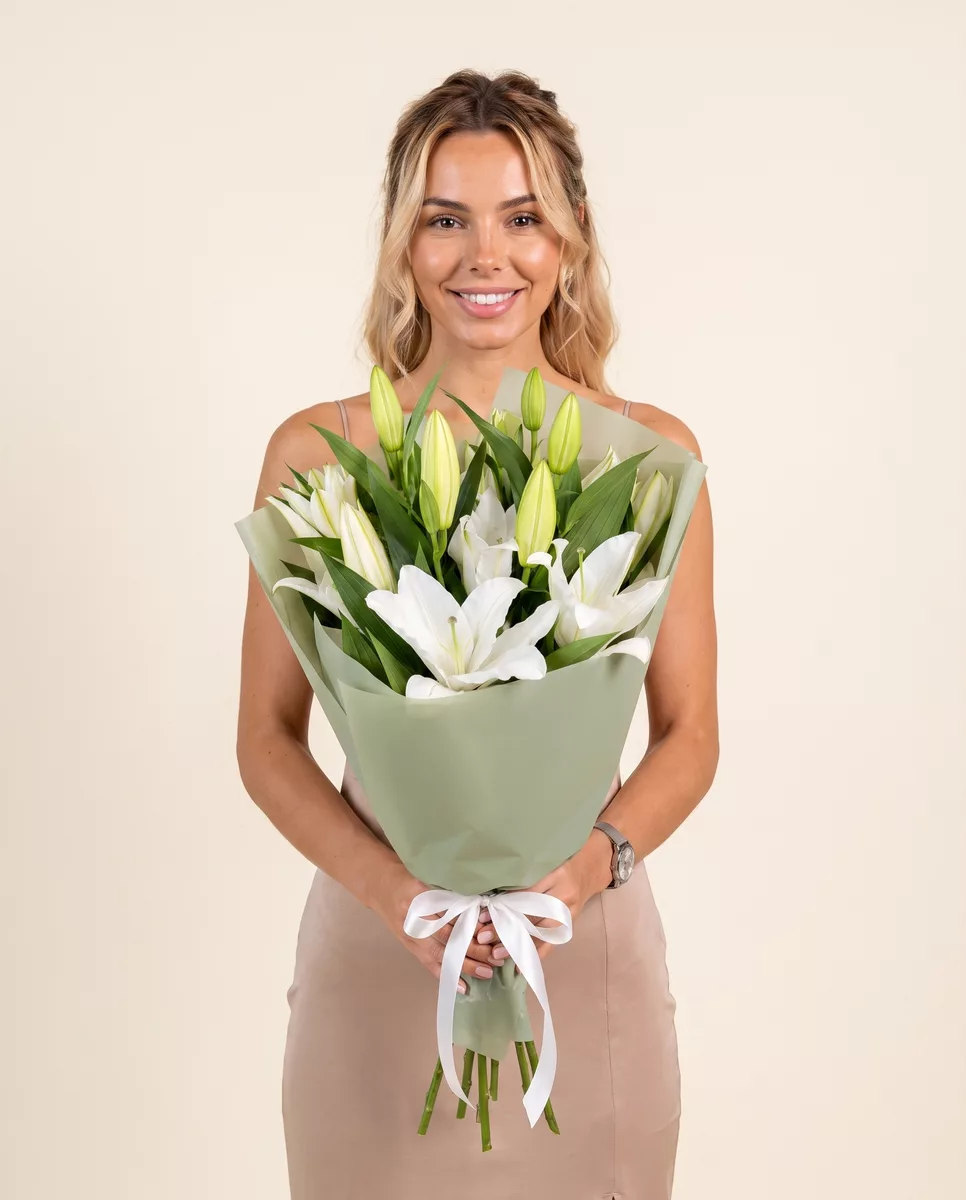
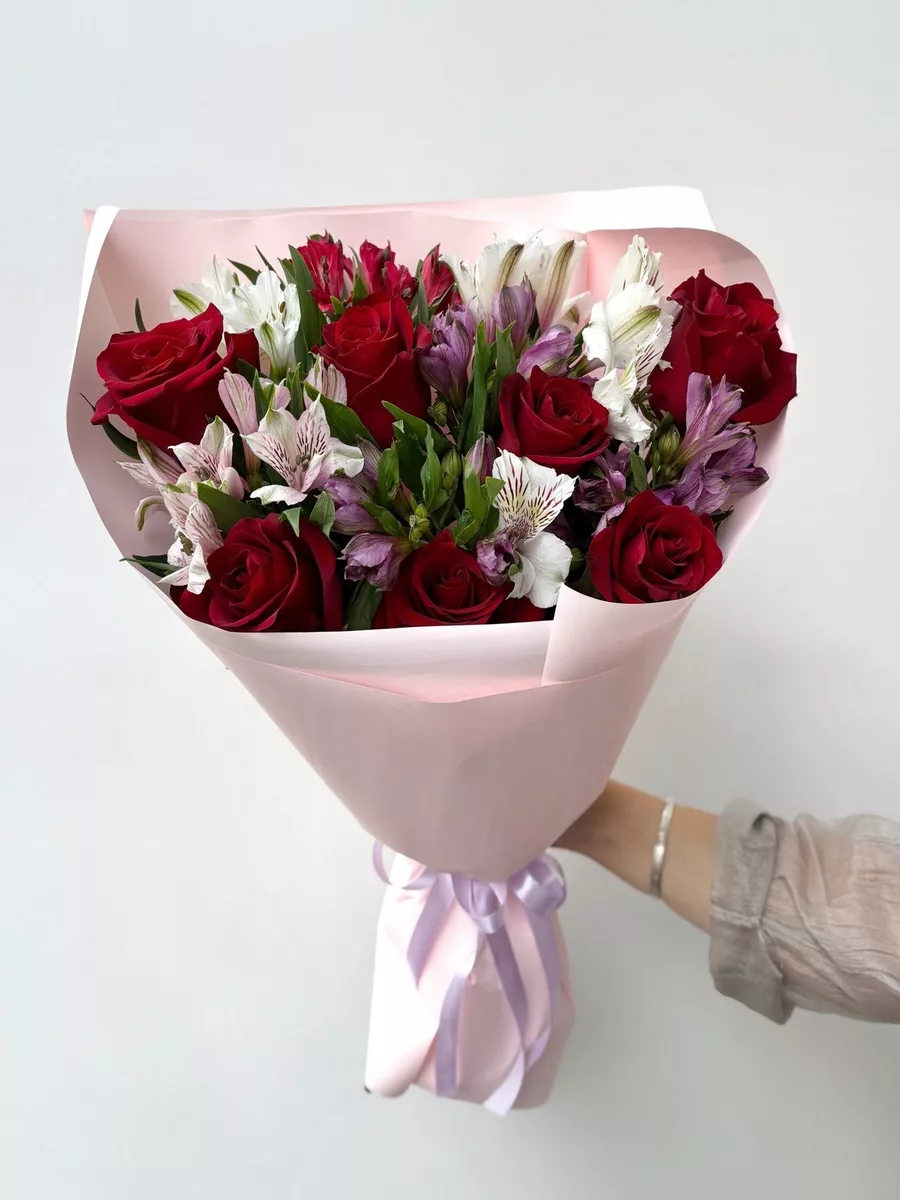
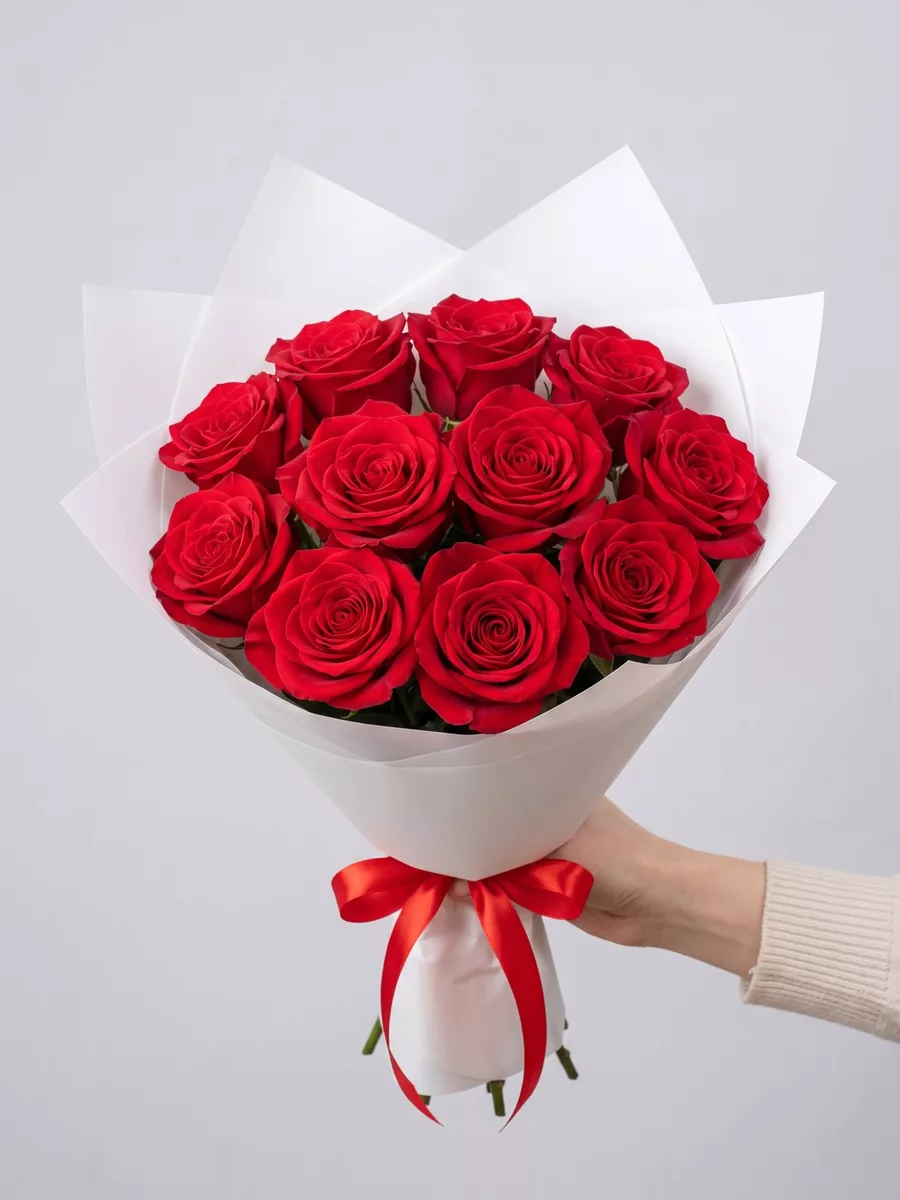

Roses, Peonies and Hydrangeas: The Thirsty Varieties
Garden roses and hybrid tea roses are the varieties most sensitive to water temperature in everyday bouquets. A rose stem cut at a 45-degree angle and placed into water at 18 °C will begin drawing moisture within minutes. Place that same stem into water at 4 °C and the uptake slows noticeably, which is why refrigerator-cold tap water in winter — common in Russian apartments where cold pipes run close to exterior walls — is a frequent cause of premature drooping. Peonies present a slightly different situation. Their stems are thicker and their buds are dense, so they need consistent hydration from the moment they are trimmed. Water at 18–20 °C works well for peonies at any bud stage, from tight green buds to half-open cups. If you want peonies to open faster, moving them to a slightly warmer room helps more than adjusting water temperature, and the water itself should stay cool. Hydrangeas are the most demanding of the three. Their large flower heads lose moisture through their petals directly, not only through their stems, which is why florists sometimes submerge entire hydrangea heads in cool water for twenty to thirty minutes when they arrive wilted. For vase use, water at 16–20 °C is ideal. Hydrangeas placed in cold water from the tap often look fine for the first few hours and then collapse suddenly, which customers frequently blame on the delivery rather than on the water. Checking the vase water temperature before blaming the bouquet is always the right first step.
Tulips, Irises and Gerberas: Cool-Water Varieties That Punish Warmth
Tulips are the clearest example of a variety that genuinely prefers cool water. In commercial cold storage, tulips are kept at 2–4 °C to slow their growth. Once they enter a warm room, they begin opening and elongating rapidly — stems can grow several centimetres in a day. Cool water at 12–16 °C, combined with a cool room, slows this process and extends the display period. Warm water at 25 °C or above will cause tulips to open fully within twenty-four hours and finish within two to three days rather than the five to seven days you would normally expect. This is one case where going slightly below the general 15–22 °C range is genuinely beneficial. Irises share this preference. They are cool-season flowers by nature, and water above 20 °C shortens their vase life noticeably. If you receive a bouquet of irises in tight bud — which is the correct stage for delivery — cool water and a room below 20 °C will let them open one bloom at a time over several days. Warm water rushes all buds open simultaneously, which looks spectacular for about twelve hours. Gerberas occupy the middle of the range. They are sensitive to bacteria more than to temperature extremes, so the priority with gerberas is clean water changed every two days. Water at 18–20 °C is fine. The mistake to avoid is warm water left unchanged, which turns cloudy with bacteria and blocks gerbera stems — which are naturally soft and prone to bending — within forty-eight hours.
Lilies and Chrysanthemums: Forgiving but Still Specific
Lilies — whether Asiatic, Oriental or longiflorum varieties — are among the more forgiving flowers when it comes to water temperature, but forgiving does not mean indifferent. Water at 18–22 °C suits all lily types well. The more important variable with lilies is stem cleanliness: the lower leaves must be removed so that no foliage sits below the waterline, because decomposing lily leaves foul the water quickly and raise bacterial counts far faster than temperature alone. Cold water does not damage lilies as severely as it does roses, but it does slow the opening of buds, which can be useful if you want to stagger the bloom over a longer period. Oriental lilies in particular — the large, heavily fragrant varieties — open from the lowest bud upward over five to eight days when kept in clean water at room temperature. Chrysanthemums are the most temperature-tolerant cut flower in common use. They tolerate a range from about 12 °C to 25 °C without dramatic consequences, which is why they are a reliable choice for environments where vase water temperature is hard to control. That said, water at the cooler end of their range — 14–18 °C — consistently produces longer vase life in practice. Spray chrysanthemums, which carry multiple small blooms per stem, benefit from having their lower stems recut every three to four days because the cut end seals over time. This matters more than temperature for chrysanthemums, but cool, clean water remains the correct baseline for any variety.
Common Mistakes: Ice, Boiling Water and the Flower Food Packet
Two mistakes appear repeatedly when customers describe what happened to their bouquet. The first is adding ice cubes to the vase water. This idea comes from the logic that cold keeps things fresh, which is true for food but works differently for cut flowers. Ice brings water to 0–4 °C, which is far below the useful range, and as the ice melts it creates temperature fluctuations that stress stems. The only variety where very cold water has a legitimate application is tulips, and even there, water at 12–14 °C is sufficient — ice is not necessary and is not recommended. The second mistake is using warm or hot water in the belief that it hydrates stems faster. Warm water at 30–40 °C does move through stems quickly, which is why florists occasionally use it as a short-term revival technique for severely wilted roses — placing stems in water at 38–40 °C for twenty to thirty minutes in a cool room can sometimes restore cell pressure. But this is a rescue method, not a vase practice. Warm water left in a vase breeds bacteria within hours and shortens vase life significantly. The flower food sachet that often accompanies a bouquet contains a biocide, an acidifier and a small amount of sugar. It is designed to work in water at room temperature. Dissolving it in cold water reduces its effectiveness because the compounds do not fully disperse. Dissolving it in warm water accelerates bacterial growth before the biocide can act. Room-temperature water, between 18 °C and 22 °C, is the correct medium for flower food, and this is another reason the general recommendation holds across varieties.
Changing Vase Water: Frequency, Temperature and the Stem Recut
Filling the vase once and leaving it is the most common mistake of all, and water temperature at the point of refilling matters just as much as at the start. Bacteria accumulate in vase water within twenty-four to forty-eight hours regardless of how clean the vase and stems were at the beginning. Changing the water every two days — and rinsing the vase with clean water before refilling — removes that bacterial load and resets the environment for the stems. When you refill, the water should again be at 15–20 °C. Cold tap water poured directly over stems that have been sitting in warmer water causes a small thermal shock that can tighten the stem vessels temporarily, interrupting the drink at exactly the moment you are trying to refresh the bouquet. Let the tap run until the water is no longer icy, or fill the vase and let it stand for ten minutes as described earlier. Recutting the stem at the same time as the water change is the other half of this process. A fresh cut at 45 degrees removes the sealed end and opens new vascular tissue. This is most important for roses, gerberas and lilies, all of which seal their cut ends relatively quickly. Tulips and irises benefit from recutting too, but they are less aggressive sealers. The combination of a stem recut and a water change in correctly tempered water is the single most effective maintenance routine for any bouquet. Done every two days, it reliably extends vase life beyond what any additive or special vase can achieve on its own.
Water temperature sits at the centre of almost every vase life problem that customers describe to us. Drooping roses on day two, tulips that opened overnight, hydrangeas that collapsed without warning — in the majority of cases, the cause is water that was too cold from a winter tap or too warm from a sun-heated kitchen. The answer is not complicated: fill with cool tap water, let it reach 15–20 °C before the stems go in, change it every two days with a fresh stem recut, and keep the vase away from direct heat sources. These habits cost no money and require no special equipment. They are what every florist does as a matter of course, and they are what we want every customer to do at home after a bouquet arrives. More on this in Yellow Flowers in Russia: The Superstition Explained. For a deeper look, see What Flowers to Send for a Birthday in Russia. We deliver bouquets across Russia in 1–2 hours. More on this in Yellow Flowers in Russia: The Superstition Explained. For a deeper look, see White Flowers in Russia: When They Are Welcome. We deliver bouquets across Russia in 1–2 hours.
Frequently asked questions
What is the best water temperature for roses in a vase?
Between 18 °C and 22 °C is ideal for roses. This keeps stem vessels open for steady water uptake without encouraging bacterial growth. Avoid cold tap water straight from the pipe in winter — let it warm on the counter for ten to fifteen minutes before adding your stems. Change the water every two days and recut stems each time.
Can I use ice water to keep tulips fresh longer?
Tulips do prefer cooler water than most varieties — around 12–16 °C works well — but ice water drops below 4 °C and slows stem uptake rather than improving it. A cool room and cool tap water are sufficient. Ice cubes in the vase are not necessary and can cause temperature fluctuations that stress the stems.
Why did my hydrangeas collapse even though the vase was full of water?
Hydrangeas lose moisture through their petals as well as their stems, so they are unusually sensitive to both water temperature and air conditions. Cold water slows stem uptake. If they collapsed, submerge the entire flower head in cool water at about 18 °C for twenty to thirty minutes, recut the stem, and place in fresh room-temperature water away from heat sources.
Is warm water ever useful for cut flowers?
Yes, but only as a short-term revival method for severely wilted roses. Placing stems in water at 38–40 °C for twenty to thirty minutes in a cool room can restore cell pressure in a drooping rose. This is a rescue technique, not a vase practice. Warm water left standing breeds bacteria quickly and shortens vase life for every variety.
Does water temperature affect how fast lilies open?
Slightly, but room temperature matters more. Lilies in cool water at 14–16 °C open more slowly than those in water at 22 °C, so you can use water temperature to pace the bloom if you want buds to open gradually. The more critical factor for lilies is removing all leaves below the waterline to prevent bacterial buildup, which is the main cause of early stem failure.
Ready to send a bouquet?
Pick a city, choose the flowers, and we will hand them over with a photo confirmation.
Choose a city →