
Birthday Flowers in Russia: Traditions Every Sender Should Know
Sending flowers to someone in Russia for their birthday looks straightforward until the delivery arrives a day late, contains the wrong number of stems, or lands on the doorstep with white chrysanthemums that the recipient quietly associates with funerals. These are the calls we field every week at Five Flowers. The customs are not complicated, but they are specific, and getting them right is the difference between a gift that lands well and one that requires an explanation.
Why Flowers Are Delivered Before the Birthday, Not On It
The single most misunderstood Russian birthday custom among international senders is the timing. In Russian tradition, receiving a gift — including flowers — before your birthday is considered good luck, while receiving one after the date has passed carries a mild but real social awkwardness. The phrase used colloquially is that late gifts bring bad luck to the recipient, and while younger urban Russians treat this more lightly than older generations, the convention still shapes expectations strongly enough that most people notice. In practice this means you should schedule delivery for the morning of the birthday at the latest, and ideally the evening before if the person is celebrating at home with family. For office deliveries, the morning of the birthday works well because colleagues will see the flowers arrive, which is part of the pleasure. Where it gets complicated is when the birthday falls on a Monday: the correct move is to deliver on Saturday or Sunday, not to wait for the working week to begin. When you place an order with us, specify the exact date and we will advise on the optimal delivery window. For recipients in Saint Petersburg we can hit a two-hour slot reliably; for deliveries to other Russian cities through our own network, we confirm the window at the time of order. The rule of thumb: earlier is always safer than later, and on time means before, not after.
Bouquets we can deliver
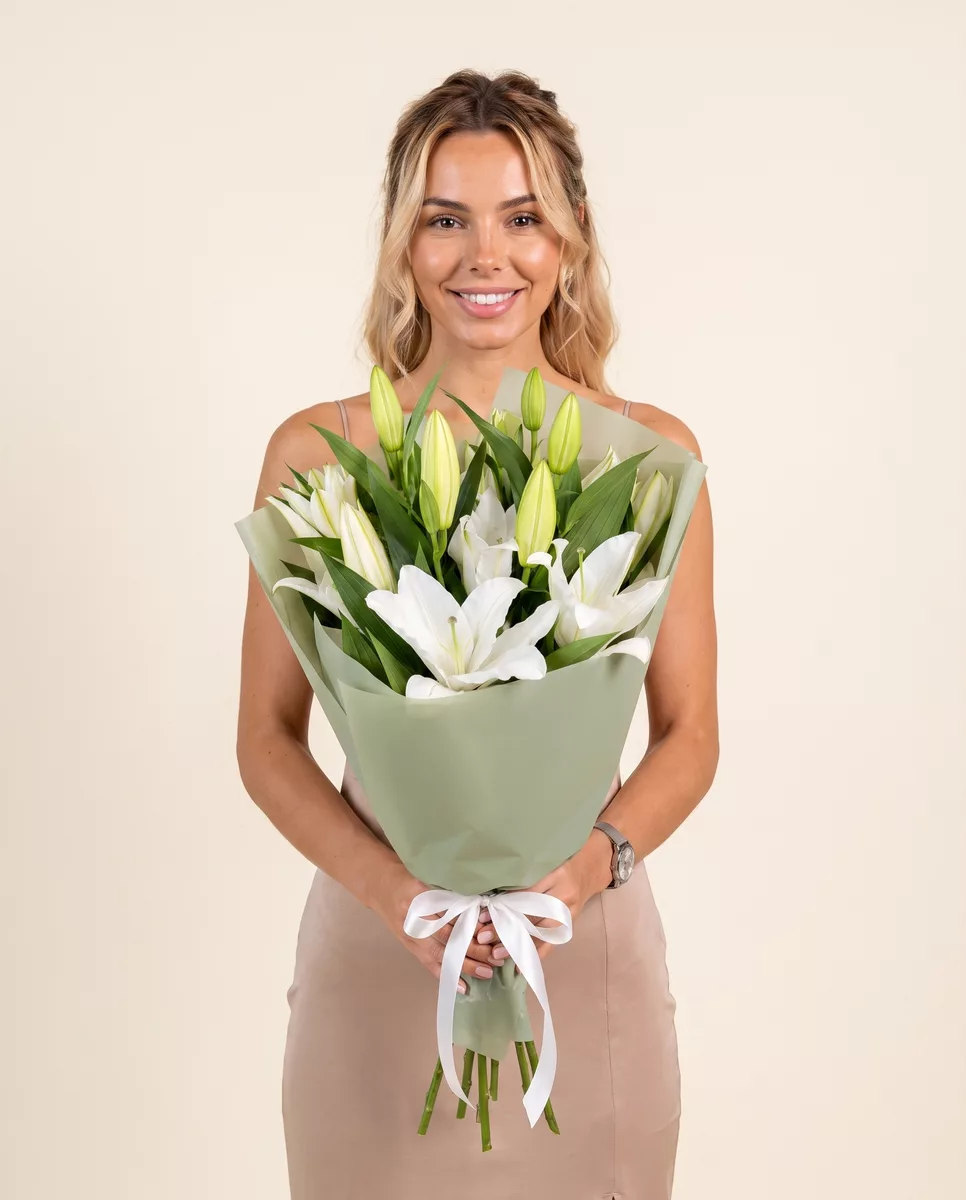
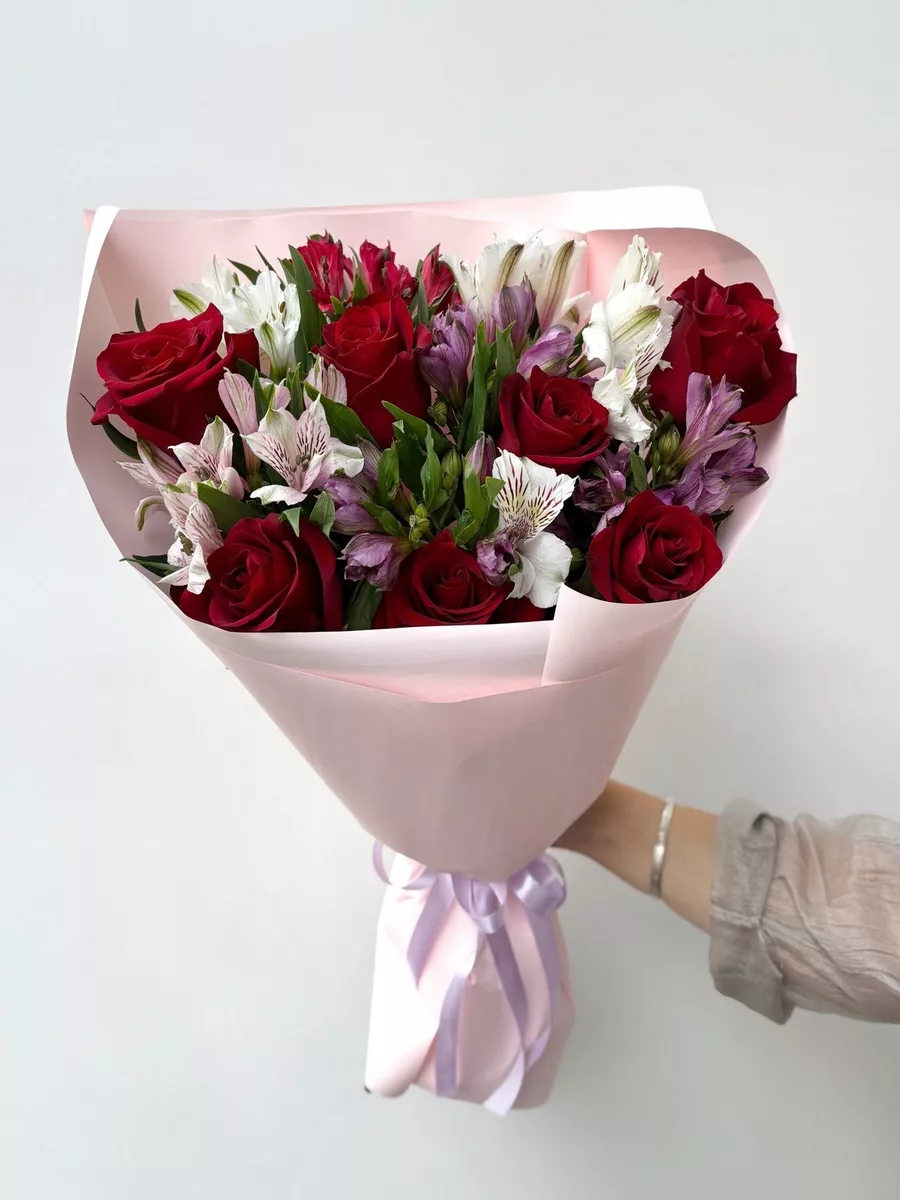
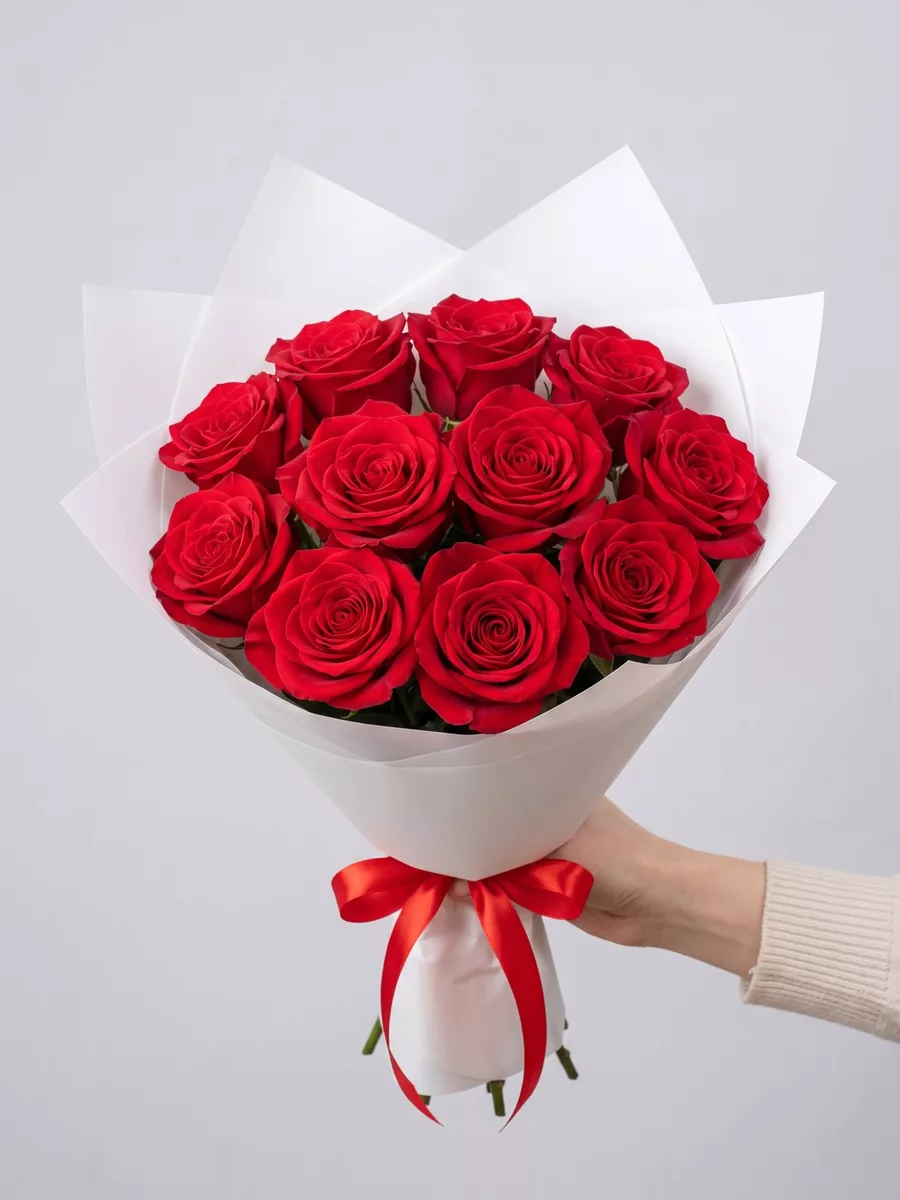
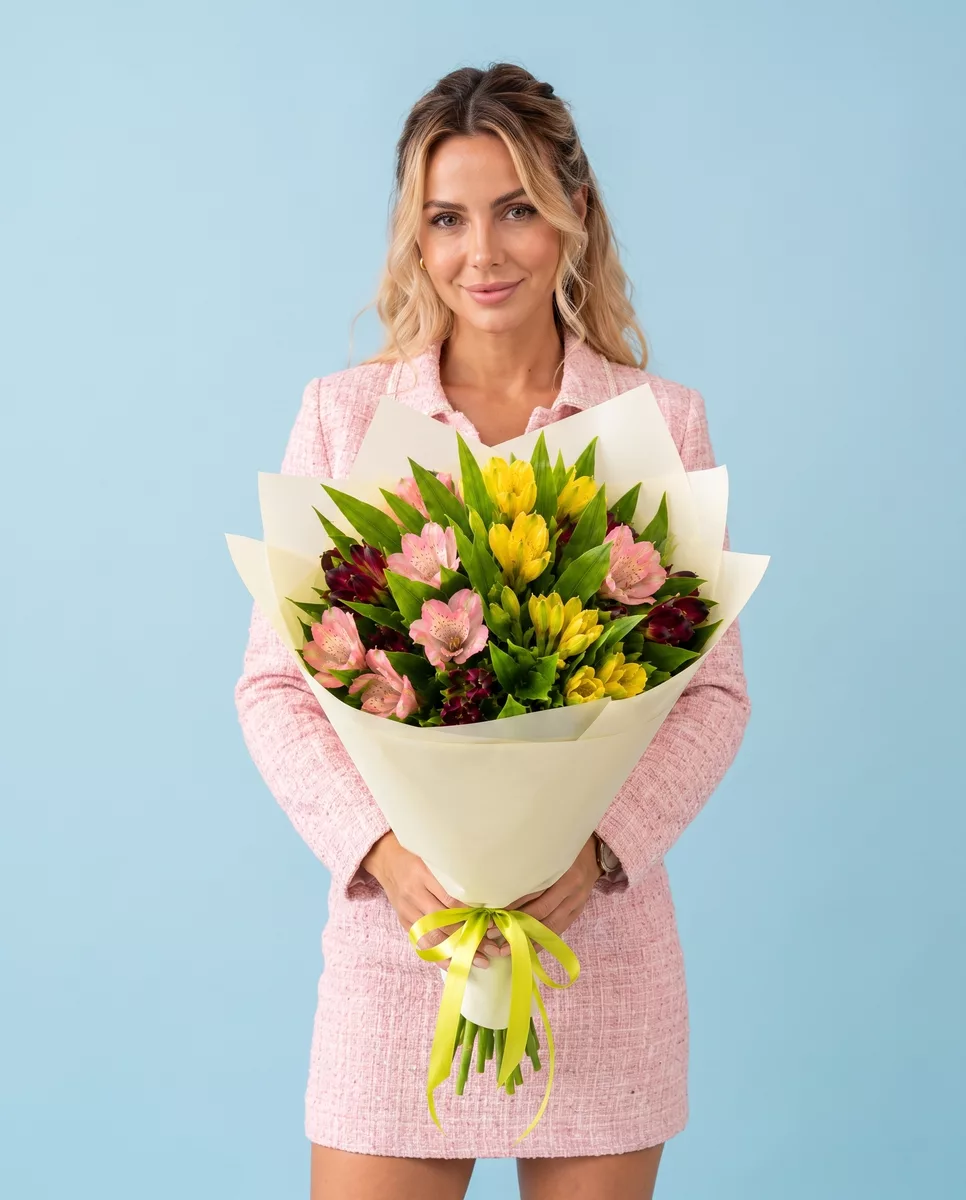
The Odd-Number Rule and Why It Matters
Russians count the stems in a bouquet, and the number carries meaning that is not metaphorical — it is a practical social code. An even number of flowers is associated with mourning and is brought to cemeteries or given at funerals. An odd number is for the living and for celebration. This applies whether the bouquet contains three roses or thirty-one tulips. The rule is observed consistently across generations and regions, and a recipient will notice an even count even if they say nothing about it. When you order a bouquet by selecting a size or a price tier rather than a specific stem count, always confirm with the florist what the actual number will be before the order is placed. At Five Flowers we build birthday bouquets to odd counts by default, but if a customer requests a round number like ten or twenty for aesthetic reasons, we flag it. The threshold where the count becomes less visible is roughly above twenty-five stems, particularly in dense mixed arrangements where individual flowers are harder to isolate by eye. Below that threshold — a classic dozen roses, for example — the even number reads immediately. One practical note: when flowers are wrapped tightly in packaging for long-distance delivery, the count is not visible to the recipient until the bouquet is unwrapped indoors, so the moment of counting is private rather than public. That does not make the convention less important; it makes it more personal.
Roses: Which Varieties Work and Which Do Not
Roses are the default birthday flower in Russia across all age groups, and the demand is consistent year-round. The varieties that perform best in Russian birthday contexts are large-headed garden-style roses — varieties such as David Austin-type blooms, Mondial, and Explorer — because their petal density reads as generous and the vase life under Russian indoor conditions, which tend toward dry heated apartments in winter, is reliable at seven to ten days with proper care. Red roses remain the most requested colour for romantic birthdays, but for a friend, colleague, or family member, senders increasingly choose coral, peach, blush pink, or white-and-pink combinations. Pure white roses on their own are occasionally avoided for birthdays by older recipients for the same cultural reason as white chrysanthemums, though this is less fixed than the even-number rule. Spray roses — smaller multi-headed varieties like Lydia or Viviane — work well as filler or accent in mixed bouquets but rarely satisfy as a standalone birthday gift because they read as less substantial. Stem length matters more than many senders realise: a 60 cm stem reads as a formal, considered gift; a 40 cm stem is fine in a mixed arrangement but can look modest alone. For delivery across Russia in summer, we pack roses with gel sachets and insulated wrapping to protect them during transit above 25°C. In winter, the risk reverses — freezing in transit damages petals within minutes, so packaging and timing of the last courier leg matter significantly.
Peonies, Tulips and Seasonal Flowers Russians Actually Request
Outside of roses, the flowers that appear most frequently in Russian birthday orders follow a clear seasonal logic. Peonies — varieties like Sarah Bernhardt, Coral Charm, and Felix Crousse — are intensely popular from late April through June and are one of the few flowers that genuinely excite recipients who would otherwise expect roses. They are purchased as tight buds and open over two to four days indoors, which means the recipient experiences the bouquet changing throughout the week rather than declining. Tulips are the dominant birthday flower from February through April, with parrot tulips and fringed varieties like Estella Rijnveld gaining ground over standard single-colour stems because they photograph well and look more deliberate. Outside those windows, tulips are imported and the quality is less consistent, so we generally steer birthday orders toward roses or lisianthus instead. Lisianthus — sometimes sold under the name eustoma — has become a genuinely fashionable birthday flower in Russian cities over the past five years, particularly in lavender, white, and deep purple. It holds exceptionally well in a vase, often lasting twelve to fourteen days, which is a practical argument for it when the recipient lives alone and will not have help refreshing water and trimming stems. Sunflowers remain popular for informal birthdays, particularly for younger recipients or summer celebrations, but they are rarely the centrepiece of a formal or romantic gift. Orchid stems used as cut flowers in arrangements are gaining traction in premium orders.
What Russians Think of Potted Plants as Birthday Gifts
The cultural reception of potted plants as birthday gifts in Russia is more nuanced than in Western Europe, and senders should understand it before choosing a plant over a bouquet. The general principle is that cut flowers are the appropriate gift for a birthday celebration, while potted plants are associated more with housewarming gifts or long-term tokens for close family. A flowering potted plant — a phalaenopsis orchid, a hydrangea in a pot, or an anthurium — occupies a middle ground and is more warmly received than a foliage-only plant like a ficus or a succulent arrangement, which can read as an afterthought. Among younger urban Russians, this convention is loosening, and a well-presented potted orchid is now a legitimate birthday gift in most social contexts. However, for a first-time gift to someone you do not know well, or for a formal occasion like a significant birthday milestone, cut flowers remain the safer and more appreciated choice. The practical argument for potted plants — that they last longer — is understood by Russian recipients but does not override the social expectation. If a sender specifically wants something lasting, a better strategy is a high-quality bouquet paired with a small plant, which covers both registers. When ordering a potted plant for delivery across Russia, confirm that the species can handle the transit temperature: phalaenopsis orchids, for example, are cold-sensitive below 15°C and should not be shipped in unheated vehicles during Russian winters, which in many regions means October through March.
Flowers to Approach Carefully for Russian Birthdays
Several flower types that are entirely normal in a Western birthday context carry associations in Russia that a sender should know before ordering. White chrysanthemums are the clearest example: they are strongly associated with mourning and cemetery visits across Russia and most of the former Soviet space, and presenting them as a birthday gift to someone over roughly forty years old is a significant social mistake. Yellow flowers occupy a more complicated position. There is a widespread folk belief — particularly among women over fifty and in smaller cities — that yellow flowers signify separation or infidelity in a romantic relationship. This is not universal; in major cities like Saint Petersburg and Moscow, younger recipients are largely indifferent to it, and sunflowers or yellow tulips cause no issue. But for a romantic birthday gift to someone whose preferences you do not know well, mixing yellow into a bouquet without other colours is a risk worth avoiding. Carnations have a specific Soviet-era association with official ceremonies and political commemoration, which makes them feel dated or impersonal as a birthday gift in urban contexts, though they remain appreciated in some older demographics and smaller towns. Calla lilies are sometimes associated with formal or somber occasions, though this is softer than the chrysanthemum association. The practical approach: when in doubt, roses, peonies, lisianthus, and ranunculus carry no problematic associations and are broadly appreciated across age groups and regions.
Checking Your Order Before It Goes Out
The mistakes that actually cause problems with Russian birthday flower orders fall into a short, consistent list, and most of them are preventable at the point of ordering rather than after delivery. The first is the stem count: confirm the exact number before the order is placed, not after. The second is delivery timing: specify whether you want delivery the day before, the morning of, or a particular hour window, and get written confirmation of what the shop will actually attempt. For deliveries within Saint Petersburg, we commit to a two-hour window; for other cities, confirm the window explicitly. The third is the flower variety and its current availability: a bouquet described as containing peonies in January will either use imported stems of inconsistent quality or will be substituted without notice unless you specify that substitution requires your approval. Ask what is in season and in stock before committing to a specific design. The fourth is the message card: Russian recipients expect a card, and the absence of one in a delivered bouquet is noticed. Write the message in Russian if you can, or provide the text and ask the shop to transcribe it — a card in English from a Russian-speaking sender reads as impersonal. The fifth is the recipient's address and access: many Russian apartment buildings have entry codes, intercoms that do not connect reliably, or restricted access during certain hours. Provide the full address including entrance number, floor, and apartment number, and include the recipient's phone number so the courier can call on arrival.
Russian birthday flower customs are practical rather than mystical: count the stems, time the delivery before the date, choose varieties that suit the season and the relationship, and avoid the small number of flowers that carry unwanted associations. A sender who knows these four points will get it right almost every time. The rest — the exact variety, the arrangement style, the colour palette — is where a good florist adds value, and it is the part we genuinely enjoy discussing when you call or write to place an order. We deliver bouquets across Russia in 1–2 hours.
Frequently asked questions
Is it really necessary to deliver birthday flowers before the birthday in Russia?
Yes, and it is taken seriously enough that most recipients notice a late delivery. The convention is that gifts arriving after the birthday bring bad luck to the recipient. Delivering on the morning of the birthday is acceptable; delivering the evening before is ideal for home recipients. Delivering after the date has passed is the one outcome worth actively avoiding, regardless of the reason for the delay.
How many flowers should a birthday bouquet contain?
Always an odd number. Even numbers of stems are associated with mourning in Russian culture and are brought to cemeteries, not given at celebrations. This applies to any flower type and any bouquet size. Confirm the exact stem count with your florist before the order is finalised, particularly if you are ordering by price tier rather than by a specific number of stems.
Can I send yellow flowers for a birthday in Russia?
Yellow flowers carry a folk association with separation or bad luck in relationships, particularly among older recipients and in smaller cities. For a romantic birthday gift, avoid a bouquet that is entirely yellow. Sunflowers and yellow tulips are generally fine for friends and colleagues, especially in major cities where the belief is less widely held among younger people. When uncertain, mix yellow with other colours.
Are potted plants an appropriate birthday gift in Russia?
Flowering potted plants — orchids, hydrangeas, anthuriums — are acceptable and increasingly common, particularly for younger recipients. Foliage-only plants are less warmly received as birthday gifts. For a formal occasion or a recipient you do not know well, cut flowers remain the stronger choice. If you want something lasting, pair a bouquet with a small plant rather than replacing the bouquet entirely.
Which flowers should I avoid for a Russian birthday?
White chrysanthemums are the clearest flowers to avoid — they are strongly associated with mourning across Russia and most of the former Soviet region. Carnations can feel impersonal or dated in urban contexts. Calla lilies carry a mild formal association. For a safe, broadly appreciated birthday bouquet, roses, peonies, lisianthus, and ranunculus are the most reliable choices across age groups and regions.
Ready to send a bouquet?
Pick a city, choose the flowers, and we will hand them over with a photo confirmation.
Choose a city →