
Bouquet Size in Russia: Stem Counts That Never Look Stingy
The single most common complaint florists hear after a delivery is not about the variety or the wrapping — it is that the bouquet looked small in person. Senders ordering remotely picture the photo on screen, not the actual stems in a vase, and the gap between expectation and reality is almost always a question of count. In Russia, bouquet size carries social meaning that goes well beyond aesthetics, and getting it wrong reads as indifference rather than economy. This article gives you the actual numbers — by relationship, by occasion, by flower type — so the arrangement that arrives says exactly what you intended.
Why Stem Count Matters More in Russia Than in Many Other Countries
In Russian gift culture, a bouquet is read almost like a text message: the number of stems signals the weight of the occasion and the closeness of the relationship. A colleague receiving five roses from a team of ten people will notice the math immediately. This is not vanity — it is a deeply practical social code that most Russians absorb without being taught it explicitly, which means foreign senders are often blindsided by it. The baseline expectation is that a bouquet for any meaningful occasion starts at seven stems for most flower types. Below seven, a single-variety arrangement begins to look like an afterthought unless the flowers are large-headed and expensive, such as peonies or garden roses with full 5-centimetre blooms. Roses cut at 60–70 centimetres have a presence that shorter-stemmed spray roses do not, so variety and stem length interact with count in ways that matter. A florist working the counter in Saint Petersburg will tell you that the most returned or complained-about orders are in the three-to-five stem range, almost regardless of flower choice. The customer thought they were being tasteful and minimal; the recipient felt the gesture was minimal in the wrong sense. Understanding this saves you the awkward follow-up conversation and, more importantly, gets the relationship right on the day that counts.
Bouquets we can deliver

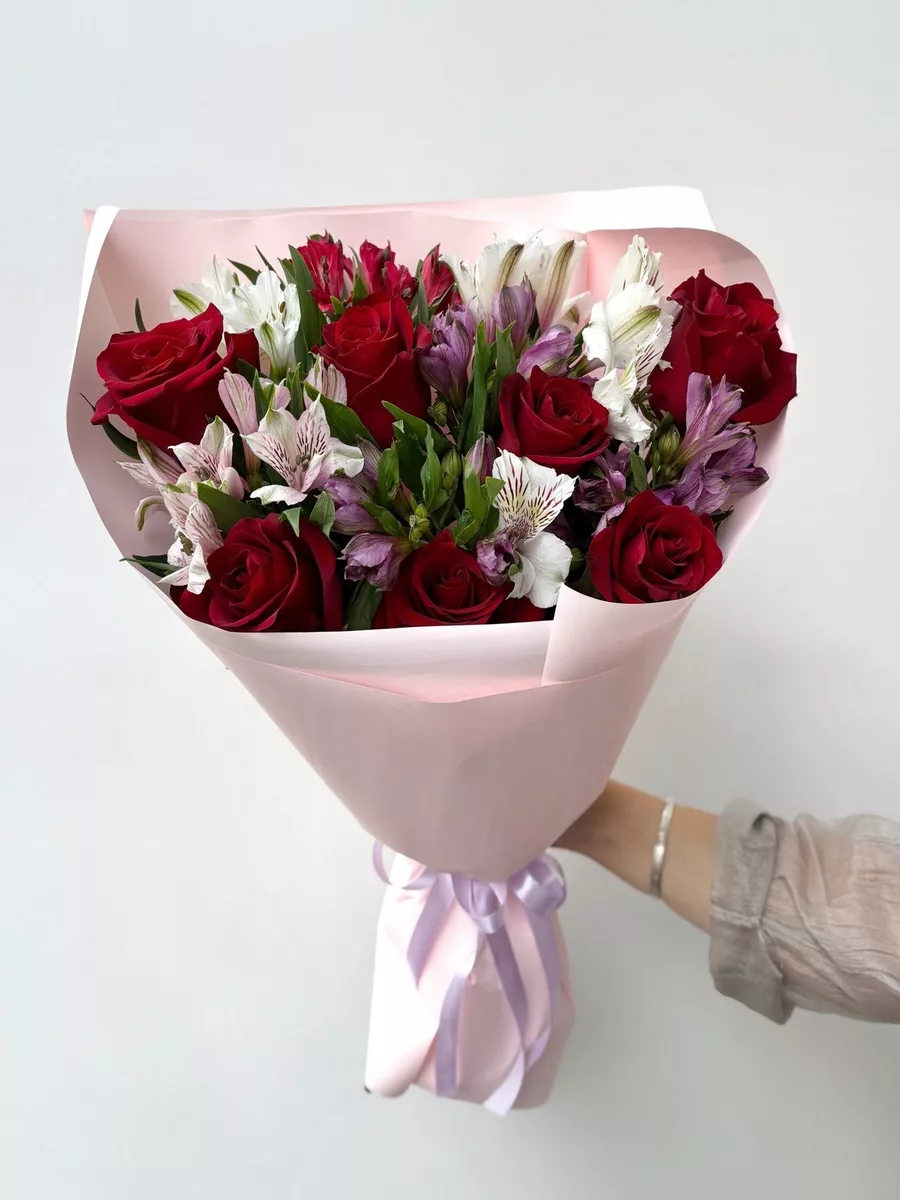

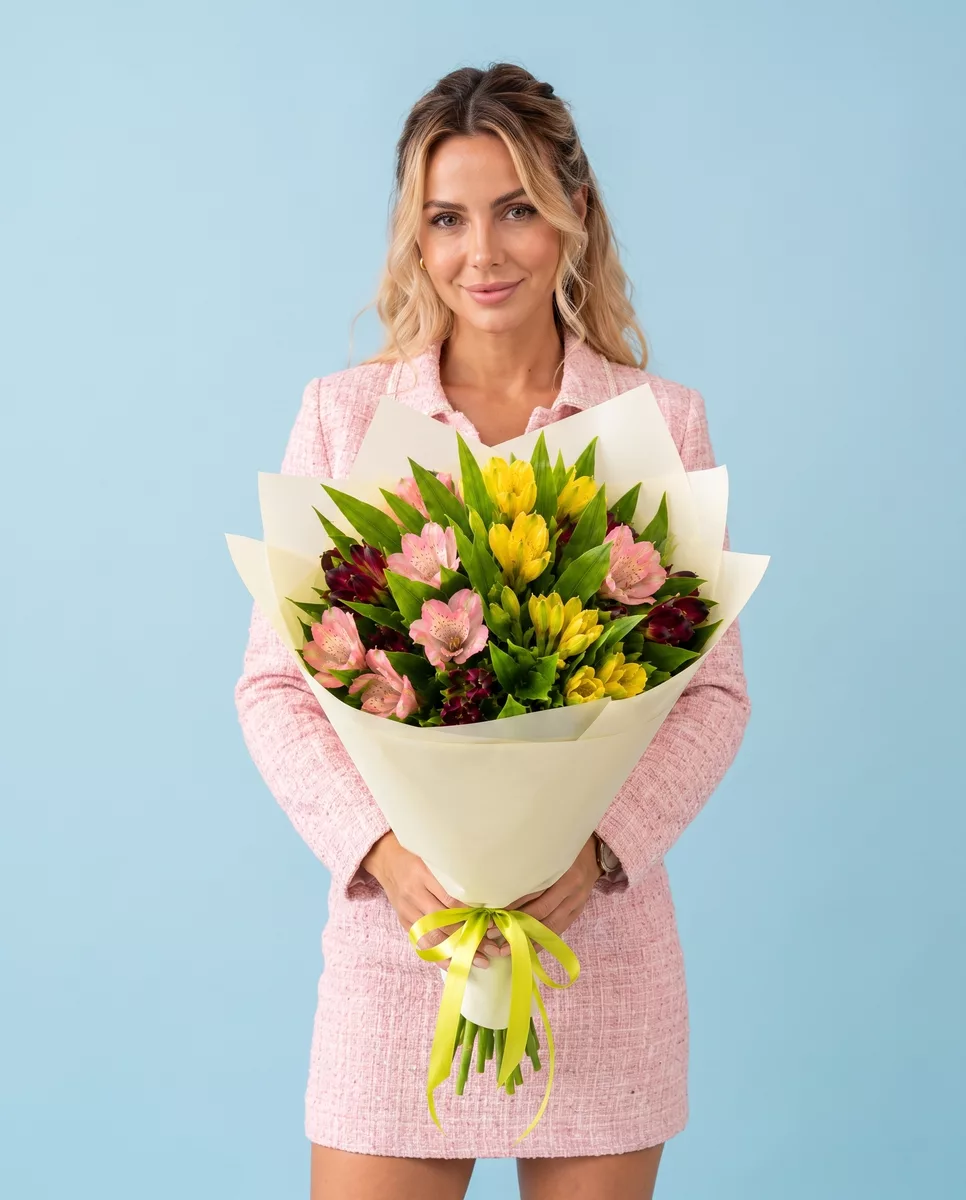
Odd Numbers: The Rule, the Exceptions and What It Actually Means
Russians give flowers in odd numbers — three, five, seven, nine, eleven — and the tradition is strong enough that most recipients will count. Even numbers are associated with mourning and cemetery visits, so an eight-rose bouquet sent for a birthday lands with a faint wrong note that the recipient may not name aloud but will register. The practical floor for a celebratory bouquet is seven stems of a primary flower, and nine is the first count that reads as genuinely generous without requiring a large budget. Eleven stems of standard roses, for example, sits in a range that feels considered rather than extravagant. The odd-number rule applies to the dominant flower in a mixed bouquet, not to every element: a florist can add an even number of eucalyptus sprigs or wax flower clusters as filler without any social consequence, because the focal flowers are what get counted. Where the rule softens is in very large arrangements — above twenty-five stems, recipients stop counting and start reacting to overall volume. At that scale, twenty-five or twenty-seven stems of spray roses or lisianthus read identically to most people. Bouquets built around a single dramatic flower, like a king protea or a large-headed sunflower, sometimes appear as single-stem gifts and carry their own logic: one perfect bloom in a kraft wrap is a recognized romantic gesture, but it only works when the flower is genuinely large and the context is clearly intimate. Do not apply that logic to standard garden roses — one rose remains one rose.
Stem Counts for Colleagues, Teachers and Professional Occasions
Professional occasions — Teacher's Day on October 5th, a colleague's work anniversary, a department head's birthday — are where under-ordering is most common because senders underestimate the public nature of the moment. A teacher receiving flowers in front of a classroom, or a manager being presented a bouquet at a team meeting, is in a social performance. The bouquet is seen by everyone in the room, and a thin arrangement reflects on the giver as much as on the recipient. For a single teacher or colleague, seven stems is the absolute minimum; nine to eleven is the range that reads as warm and appropriate. Chrysanthemums, alstroemeria and lisianthus are practical choices here because they have multiple florets per stem and create visual density at lower cost — a nine-stem alstroemeria bouquet looks fuller than nine single-headed roses at the same price point. If a group is contributing, scale up: a department of five people presenting a bouquet should be looking at fifteen to nineteen stems minimum, because the gift represents collective effort. Tulips are the most popular choice for Teacher's Day specifically — they are seasonal in late September and early October, hold well for two to three hours at room temperature without water, and come in enough colour variety to feel personal. For a professional gift, avoid red roses unless you know the recipient well; red roses carry a romantic charge in Russian culture that makes colleagues uncomfortable. White, peach or mixed-colour arrangements are safer across most office contexts.
Romantic Bouquets: When One Rose Is Enough and When It Is Not
A single rose is a recognized romantic gesture in Russia, but context determines whether it lands as poetic or poor. On a first date, one long-stemmed rose — 70 centimetres, fully open or at the tight bud stage depending on the season — is a classic and completely acceptable choice. It is personal, it is easy to carry, and it signals intention without overwhelming. The moment you move past early courtship, one rose starts to feel insufficient. For a girlfriend's or wife's birthday, the minimum that reads as genuinely celebratory is eleven stems of roses or fifteen stems of a spray variety like spray roses or ranunculus. Many men order fifteen or nineteen roses for birthdays and twenty-five for anniversaries, not because there is a strict rule but because the step up in count signals that the occasion was taken seriously. Red roses remain the dominant choice for romantic bouquets in Russia — the association is strong and consistent across age groups — but garden roses in blush, cream or coral are gaining ground in Saint Petersburg and Moscow among younger recipients who find red roses slightly conventional. For Valentine's Day specifically, expect that any order under fifteen stems will feel modest by the standards of what arrives alongside it at the recipient's workplace. If you are delivering to an office on February 14th, the bouquet will be compared to others, and eleven roses next to a twenty-five-rose arrangement on the same desk tells a story you may not want to tell.
Birthday Bouquets: Scaling by Age and Relationship
Birthdays are the occasion where Russians most consistently scale bouquet size to the significance of the relationship, and the logic is fairly systematic once you understand it. For a close friend, eleven to fifteen stems is the range that feels right for a standard birthday. For a mother or grandmother, fifteen to nineteen stems is the baseline for a milestone birthday, and twenty-five or more is expected for round-number years — fiftieth, sixtieth, seventieth — because these are treated as major life events with guests and photographs. Peonies are the prestige flower for older female relatives in Russia: they read as luxurious, they open dramatically over two to three days, and a nine-stem peony bouquet has the visual weight of a fifteen-stem rose arrangement. The catch is seasonality — peonies are available from late April through June, and out-of-season peonies are expensive and often disappointing in terms of bloom quality. For birthdays outside that window, large-headed garden roses or hydrangeas achieve a similar sense of abundance. For a child's birthday, the social pressure on count is lower, and a seven-stem bouquet of bright gerberas or sunflowers reads as cheerful and appropriate. For a male colleague's birthday — less common but not unusual in Russian workplaces — seven to nine stems of something architectural, like protea, anthurium or thistle, avoids the overtly feminine associations of roses while still being a real bouquet.
Seasonal Flowers and How They Change the Count Calculation
Stem count interacts with flower size in ways that make the number alone an incomplete guide. A nine-stem bouquet of peonies at full bloom occupies roughly the same visual space as a fifteen-stem rose bouquet, because each peony head reaches eight to ten centimetres across when open. Conversely, spray roses — which produce multiple small blooms per stem — look fuller per stem than standard roses, so a seven-stem spray rose bouquet is visually closer to eleven standard roses. This matters when you are calibrating count to occasion. In practical terms: if you are ordering in May or June and choosing peonies, you can step down by two or three stems from what you would order in roses and still hit the same visual weight. If you are ordering tulips in March for International Women's Day on March 8th — the single busiest flower day in Russia — the convention is to give in multiples of five or ten, and the minimum for a non-trivial gift is fifteen stems. Tulips are slender, and fewer than fifteen looks sparse in the hand. March 8th is also the occasion when florists see the most last-minute under-ordering: senders assume any flowers will do because demand is high, but recipients still notice count. Chrysanthemums in autumn, which are multi-headed and bushy, follow the peony logic — five to seven stems creates real volume, and nine stems is generous by any measure. Knowing the physical character of the flower you are ordering lets you use count more intelligently rather than simply defaulting to the highest number your budget allows.
What to Check Before You Confirm the Order
Before confirming any bouquet order for delivery in Russia, run through four practical checks that prevent the most common mistakes. First, verify the stem count is odd and meets the minimum for the occasion — use the ranges in this article as your reference, and if you are between two counts, choose the higher one. Second, check the delivery window against the event time: flowers ordered for a 7 p.m. dinner should arrive no later than 5 p.m. to give the recipient time to put them in water and let them settle, especially roses and peonies that may be tight-budded from cold transport. Flowers travel at 4–6 degrees Celsius and need 30–45 minutes at room temperature before they begin to open. Third, confirm the colour palette works for the relationship — red for romance, white or mixed for professional contexts, bright colours for celebrations without a strong personal connection. Fourth, if you are sending to a workplace, check whether the recipient will be in the office on the delivery day: a bouquet left at a reception desk in a vase of water is fine for most flowers for up to six hours, but if it sits unwrapped in a warm lobby for longer, stem ends begin to dehydrate and the arrangement loses its shape before it is seen. A quick message to confirm the recipient's schedule is not over-planning — it is the difference between a gift that lands well and one that arrives wilted to someone who was working from home.
Bouquet size in Russia is not about spending more than you intended — it is about spending accurately for the relationship and the moment. The counts in this article are not arbitrary; they reflect what recipients actually see and how they read the gesture. Seven stems is the professional floor, eleven is the warm personal minimum, and scaling up from there for milestone occasions is the difference between a gift that is remembered and one that is quietly noted as thin. Get the count right, match the variety to the season, and the bouquet does the work you sent it to do. We deliver bouquets across Russia in 1–2 hours.
Frequently asked questions
Is it really true that even numbers of flowers are bad luck in Russia?
Yes, the association is consistent and widely held. Even numbers are connected with mourning and cemetery flowers across Russian culture. Most recipients will count the stems of a bouquet they receive, at least for smaller arrangements. Sticking to odd numbers — seven, nine, eleven, fifteen — is not superstition management; it is basic social fluency when sending flowers in Russia.
Can I send a single flower as a romantic gesture?
One long-stemmed rose works well on a first date or as a spontaneous mid-week gesture in an established relationship. It reads as intentional and personal in those contexts. For a birthday, anniversary or Valentine's Day, a single flower will feel insufficient regardless of the variety. The occasion creates the expectation, and a single stem does not meet the threshold for a celebration.
How do I count stems in a mixed bouquet — do all the flowers count?
Count the focal flowers — the main variety the bouquet is built around. Filler elements like eucalyptus, wax flower, gypsophila or decorative foliage are not counted by recipients and do not affect the social reading of the arrangement. If the bouquet has two focal varieties, count each separately and make sure both are in odd numbers or that the total of focal stems is odd.
What is the minimum bouquet size for March 8th, International Women's Day?
For a close female relative or partner, fifteen stems of tulips is the practical minimum on March 8th — anything fewer looks modest compared to what colleagues and friends will also be receiving that day. For a colleague or acquaintance, seven to nine stems is acceptable. Tulips are the dominant choice for this holiday; they are seasonal, affordable in volume and carry no ambiguous social meaning.
Does bouquet size etiquette differ between Saint Petersburg and other Russian cities?
The core rules — odd numbers, minimum counts by occasion, red roses for romance — are consistent across Russia. Saint Petersburg recipients tend to be slightly more receptive to non-traditional varieties like garden roses, ranunculus and dried flower accents alongside fresh stems. In smaller cities, classic roses and chrysanthemums remain the dominant expectation, and departing from them requires more confidence in your knowledge of the recipient's taste.
Ready to send a bouquet?
Pick a city, choose the flowers, and we will hand them over with a photo confirmation.
Choose a city →