
Cold Water for Roses: A Practical Guide to Vase Care
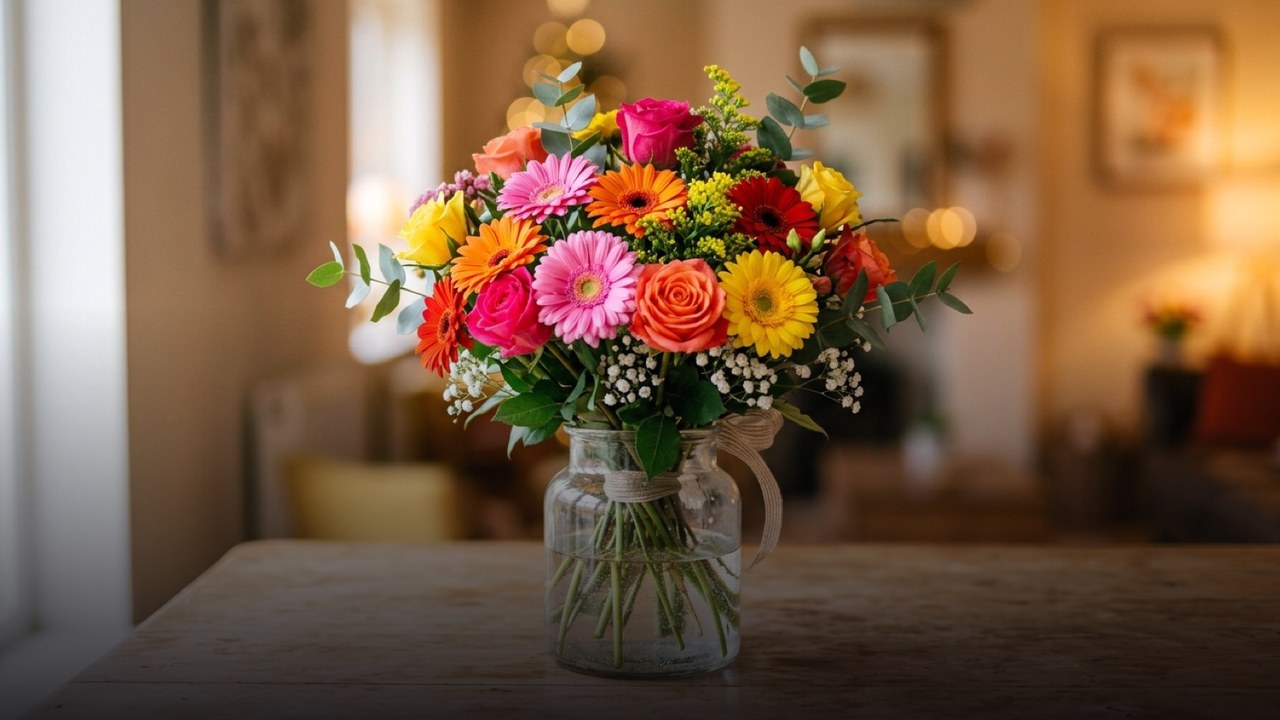
Customers at Pyat Tsvetov (5 Flowers) often ask whether cold water is right for roses: for cut roses, fresh, cool tap water is a sensible everyday choice, but there is no need to add ice or use refrigerated water. Clean the vase, recut the stems and remove leaves below the waterline before arranging them; these steps matter more than making the water especially cold.
A rose that has just arrived needs a slightly different assessment from one that has spent several days in a vase. Check whether the stems have water, whether any foliage is submerged and whether the bouquet is standing beside a radiator or sunny window. At our Saint Petersburg flower shops, open since 2011, we start care advice with those practical details. Water temperature alone cannot correct a dirty vase, dried stem ends or flowers already deteriorating.
Choose cool water without chasing an exact temperature
For routine vase care, use water that feels cool rather than icy. If the cold tap runs extremely cold, let the water stand briefly before filling the vase; there is no need to measure it with a thermometer. Water at a comfortable room temperature is also a reasonable option. The useful distinction is between ordinary fresh water and an extreme treatment, not between two narrowly defined temperatures.
Ice cubes are unnecessary for rose care and should not become the focus of the routine. A cooler room can help limit heat exposure, while ice in a vase does not protect blooms standing in direct sunlight. Keep the bouquet away from radiators, heating vents and hot appliances, with enough space that the flower heads are not pressed against a window. For a fuller comparison, read our guide to water temperature for cut roses.
Prepare the vase and stems before arranging
Wash the vase with detergent, rinse it thoroughly and remove any residue from the previous bouquet. Fill it with enough fresh water to keep all cut stem ends submerged, allowing room for the stems without overflowing. Remove leaves that would sit below the waterline, because decaying foliage makes the water harder to keep clean. Keep healthy leaves above the water where they will not be crushed by the arrangement.
Use a clean, sharp cutting tool to trim a small section from the bottom of each stem before putting it into water. Make a clean cut without crushing or splitting the end, and return the stem to the vase promptly. If a flower-food sachet is supplied, follow its directions and measure the water it requires rather than guessing the concentration. Avoid adding sugar, household cleaners or a collection of homemade ingredients to the same vase.
Bouquets we can deliver




Keep the water clean and the stem ends submerged
Check the water level every day, particularly in a full bouquet where foliage hides the inside of the vase. Several stems can share a surprisingly small water reserve, and a tall vase is not necessarily a full one. Top up as needed so that every stem end remains underwater. Replace the water promptly if it becomes cloudy, smells unpleasant or contains fallen leaves; do not keep adding clean water to a visibly dirty vase.
When changing the water, lift the roses out carefully, wash and rinse the vase, and remove loose plant material. Inspect the stem ends and make a fresh trim where needed, using a clean tool. If you use flower food, prepare the new solution according to the packet rather than adding a full dose to leftover solution. Handle the blooms gently during this routine, since repeated squeezing or pulling at petals can cause damage that fresh water cannot reverse.
Treat drooping roses according to their condition
If roses droop after travelling, first check whether their stem ends have been out of water. Put them through the basic preparation routine: a clean vase, fresh water, leaves clear of the waterline and freshly trimmed ends. Move the bouquet to a cool place away from direct heat, then give it time to respond without repeatedly lifting it out. Some roses may improve after rehydration, but recovery depends on their condition and is not certain.
A bent neck, damaged stem or petals turning soft and brown calls for closer inspection rather than colder water. Remove deteriorating stems from the shared vase, and avoid submerging the flower heads as a routine rescue method. Boiling-water treatments are not a first step for a mixed or unfamiliar bouquet, and hot water can cause injury if handled carelessly. Our guide to reviving wilted roses after delivery explains how to work through the basic checks.
Help the recipient get roses into water promptly
When sending roses as a gift, choose a delivery period when the recipient can receive them and put them in a vase. A brief care message is useful: use fresh cool water, trim the stems and keep leaves out of the vase water. Avoid instructions to add ice or attempt an elaborate revival treatment before there is any sign of a problem. If the recipient is at work, consider whether they will have a suitable vase and time to arrange the flowers.
For a bouquet arriving from cold outdoor conditions, unpack it gently and keep it away from a radiator or other direct heat source. Check whether the wrapping or ties prevent the stems from sitting properly in the vase, and loosen them as needed without pulling the arrangement apart. With mixed bouquets, make sure every stem reaches the water, including shorter stems hidden beneath the roses. Our practical vase-care guide gives broader advice for flowers beyond roses.
Order roses to Russia with a practical delivery plan
Pyat Tsvetov delivers flowers across Russia, with city delivery costing 500 RUB; for remote districts and suburbs, the operator confirms the price when confirming the order. Express delivery in large cities is available within 1–2 hours after order confirmation. Other options include delivery at an exact time within a 30-minute allowance either way, or the windows 09–12, 12–15, 15–18 and 18–21. You can pre-order 1–30 days ahead, and delivery in Saint Petersburg is available around the clock.
If you are ordering from abroad, check the recipient's address and remember that the courier calls about 15 minutes before arrival. Delivery is anonymous by default, so use the free card to identify yourself if you want the recipient to know who sent the flowers. If the recipient is absent, we agree a second delivery that day or a handover to a neighbour or concierge with the sender's consent. Online checkout uses CloudPayments; check the payment options displayed there, since acceptance of a particular foreign card cannot be assumed. See delivery and payment details, or call 8 (812) 507-67-05 with questions.
Frequently asked questions
Should I put roses in cold water or warm water?
Fresh, cool tap water is a practical choice for everyday care of cut roses, and room-temperature water is also suitable. Start with a clean vase and freshly trimmed stems rather than trying to achieve an exact water temperature.
Can I add ice cubes to a vase of roses?
Ice cubes are unnecessary for routine rose care. Use fresh water and move the vase away from direct sunlight and heat sources.
Will cold water revive wilted roses?
Fresh water may help roses that have become dehydrated, especially after trimming the stem ends and cleaning the vase. It cannot reliably reverse damage or deterioration, so recovery is not guaranteed.
How often should I check the water in a rose vase?
Check it daily and keep every cut stem end submerged. Replace cloudy or unpleasant-smelling water promptly, washing the vase before refilling it.
Can I send roses to Russia while living abroad?
You can order flowers for delivery across Russia through Pyat Tsvetov. Checkout uses CloudPayments; check the options shown there to see what is available for your payment.
Ready to send a bouquet?
Pick a city, choose the flowers, and we will hand them over with a photo confirmation.
Choose a city →