
Collector Vase Solutions for Flowers and Cherished Vessels
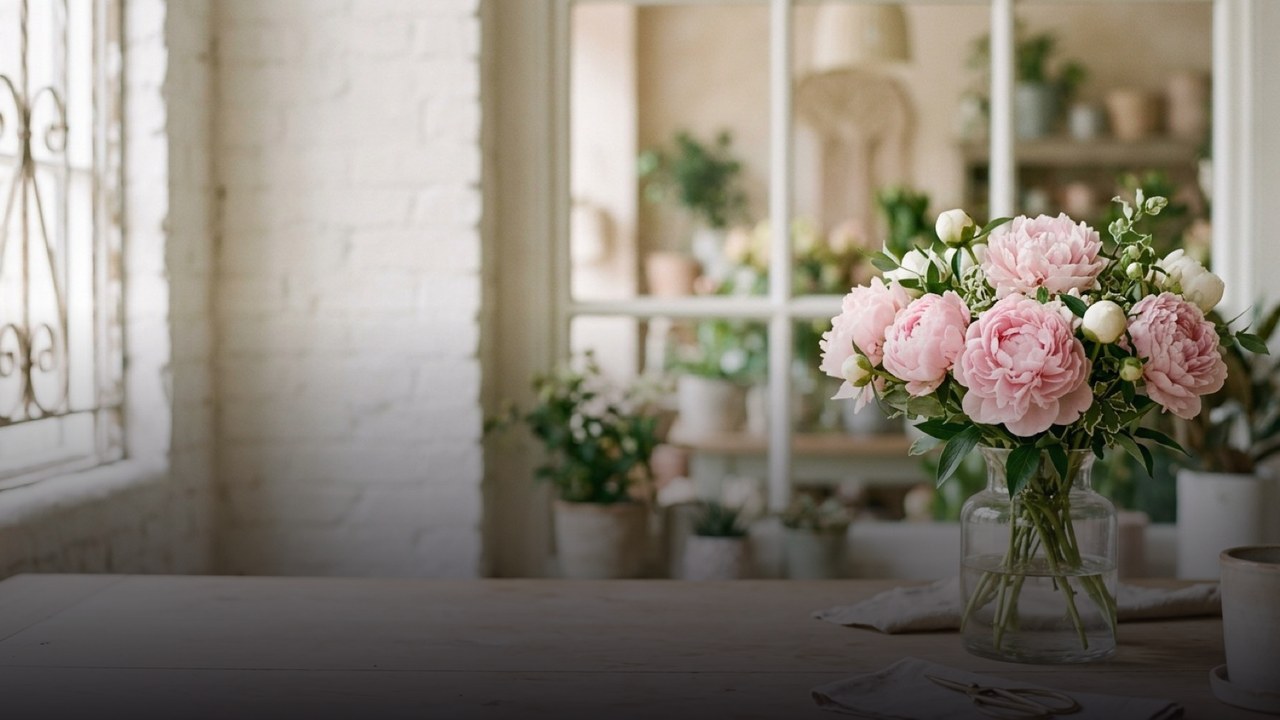
Collector vase solutions start with a simple choice: use a sound, watertight vessel directly, or place a removable, watertight container inside a decorative vase whose finish or construction is uncertain. Match that inner container to the stems, keep water away from vulnerable surfaces, and make daily cleaning easy. For valuable, cracked or porous pieces, display flowers beside the vase if an insert cannot fit safely.
Customers often ask how to enjoy a favourite vase without damaging it or squeezing a bouquet into the wrong opening. At Pyat Tsvetov (5 Flowers), with three flower shops in Saint Petersburg and a history dating back to 2011, we approach the flowers and their container as two separate practical decisions. The stems need clean water and suitable support; the vessel needs handling appropriate to its material and condition. A successful arrangement respects both, even when that means dividing the flowers between simpler containers.
Decide whether the vase should hold water
Inspect the base, interior and rim before putting a collectible vase into use. Cracks, repairs, flaking decoration, an unglazed interior or an unknown material are reasons to avoid filling it directly. A maker’s label or reliable care guidance is more useful than appearance alone: a glossy surface does not establish that every part is waterproof. If the piece has substantial financial or sentimental value, seek advice from a conservator before using it for fresh flowers.
Use a separate container for metal vessels with uncertain interiors, decorative ceramics and pieces with repairs. Do not test a valuable vase by leaving water in it overnight; a leak or surface change may already constitute damage. If a sound, ordinary vase has an uncertain seal, test it away from furniture and check its exterior before arranging flowers. Put any working vase on a stable, water-resistant surface, since spills during topping up can damage the furniture even when the vessel itself is sound.
Choose a removable liner that fits safely
A plain glass cylinder or sturdy waterproof plastic container can serve as a removable liner. Choose one that stands securely inside the outer vase, holds enough water for the stems and can be lifted out without scraping the opening. Its rim must remain accessible for checking the water level and removing the arrangement. Avoid forcing a tight fit: the inner container should come out easily when filled, and its weight should rest on a stable base rather than hang from a fragile decorative rim.
Check the liner for leaks separately before placing it inside the collectible piece. Leave room for your fingers or another safe way to lift it, and keep the space between the two containers dry. A loose plastic bag is awkward for repeated water changes and can fold against cut stem ends, so a rigid container is usually easier to manage. If the neck prevents safe removal, use the collectible vase as a display object and arrange fresh flowers in a separate vessel nearby.
Bouquets we can deliver




Match the bouquet to the opening and base
The opening controls how far stems spread, while the base determines how securely the arrangement stands. A narrow neck can support a few stems, but a densely packed bouquet leaves little room to inspect the water or remove damaged material. A broad opening lets flowers spread and may need a fuller arrangement to keep stems from leaning too far. Our guide to vase shape for your bouquet explains how to balance stem support with access for care.
Choose stem length with the vessel’s stability in mind rather than following a fixed height ratio. Tall, heavy flower heads can make a lightweight or narrow-based vase easy to tip, especially near curtains, pets or busy table edges. Remove the bouquet’s transport wrapping before arranging it, then assess whether the stems sit naturally without being wedged into place. If the whole bouquet is too crowded, divide it between two containers instead of cutting every stem short to suit one treasured vase.
Make water changes easy enough to do regularly
Prepare the working container before arranging: wash a modern glass or plastic liner with mild detergent, rinse it thoroughly and fill it with clean water. Follow material-specific advice for the collectible outer vase, keeping it separate from this routine. Remove leaves that would sit below the waterline, and recut stem ends with a clean, sharp tool before placing them in water. If flower food comes with the bouquet, follow its stated dilution rather than adding an estimated amount.
Check water daily, especially when many stems share a small liner, and replace it when it becomes cloudy or contains debris. During a water change, lift out the stems, clean the working container and remove fallen leaves or deteriorating flowers before reassembling. Keep the arrangement away from direct sun, heaters and ripening fruit, and choose a position where it will not be knocked. Flower longevity varies with the flower and its condition; our rose vase-life guide gives more specific care advice for roses.
Plan the display around the recipient’s home
When sending flowers to someone who collects vases, it helps to know which vessels they actually use for water. A photograph or the opening’s approximate width can guide your own choice of bouquet size; the most ornate piece may be reserved for display. Ask about fragrance preferences and available table space before choosing a large arrangement. In a home with cats, avoid true lilies and daylilies because of their serious toxicity to cats, including exposure to pollen and vase water.
Treat a collectible vase as a personal possession with its own care rules, even when you are arranging flowers as a gift. Let the owner decide whether it should hold water, and offer to use an ordinary container if its condition is uncertain. A short card can explain the personal connection behind the flowers without imposing a universal meaning on a colour or variety. If the arrangement is intended for a meal, keep sightlines across the table clear and move tall stems to a side table.
Order flowers to Russia with the vase in mind
For a recipient in Russia, browse our bouquets catalogue with their available vase and space in mind. Pyat Tsvetov delivers flowers across Russia; city delivery costs 500 RUB, while the operator confirms the price for remote districts and suburbs when confirming the order. In large cities, express delivery is available within 1–2 hours after the order is confirmed. You can also select an exact time with a ±30-minute allowance, a 09–12, 12–15, 15–18 or 18–21 window, or pre-order 1–30 days ahead.
Saint Petersburg delivery operates around the clock, which can help when planning across time zones. The courier calls the recipient about 15 minutes before arrival, so arrange for the recipient to be reachable; if they are absent, we agree a second delivery the same day or handover to a neighbour or concierge with the sender’s consent. Delivery is anonymous by default, and a card with your text is free. See delivery and payment for ordering information: online checkout uses CloudPayments, and customers abroad should check the options displayed there; questions can be directed to 8 (812) 507-67-05.
Frequently asked questions
What are the simplest collector vase solutions for fresh flowers?
Use a removable, watertight glass or sturdy plastic container inside a decorative vase when its suitability for water is uncertain. If the insert cannot stand securely and lift out easily, arrange the flowers in a separate vase.
Can an antique ceramic vase hold a fresh bouquet?
That depends on its material, glaze, condition and any repairs; appearance alone cannot establish that it is safe for water. For a valuable or uncertain piece, use a suitable removable liner or consult a conservator before use.
How do I stop flowers crowding a narrow-necked vase?
Use fewer stems and remove leaves that would sit below the waterline. Divide a large bouquet between containers if the opening prevents easy water checks or compresses the stems.
Can I send flowers to Russia without naming myself?
Yes, delivery is anonymous by default: the courier does not name the sender. A card with your text is free, so leave your name out of the message if you wish to remain anonymous.
How do I pay for an order from abroad?
Online checkout uses CloudPayments; check the payment options displayed at checkout for your order. Acceptance of every foreign card is not guaranteed, and you can call 8 (812) 507-67-05 with questions.
Ready to send a bouquet?
Pick a city, choose the flowers, and we will hand them over with a photo confirmation.
Choose a city →