
Do flowers rot? How to spot decay and care for a bouquet
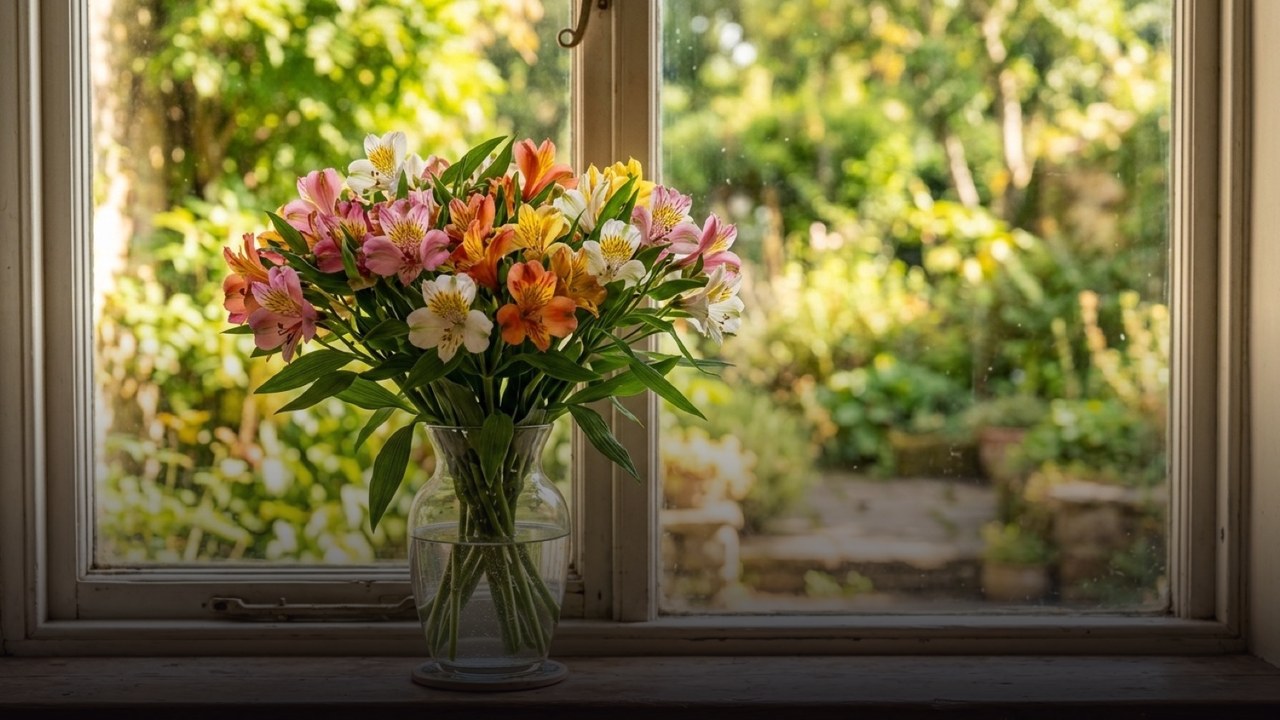
Yes, flowers rot: their tissues break down, and bacteria and fungi can contribute to decay, especially in dirty water or persistently damp conditions. Cut flowers also age and wilt naturally, so a drooping head or a dry petal does not necessarily mean the bouquet is rotting. Slippery stems, soft brown patches and an unpleasant smell are more useful warning signs.
Customers often ask whether changing the water will save a bouquet or whether a damaged flower needs to come out immediately. At Pyat Tsvetov (5 Flowers), with Saint Petersburg flower shops since 2011, we start with the condition of the stems, water and petals. The practical distinction is between a flower that needs better hydration and one whose tissue has already begun to decay.
Why cut flowers deteriorate in a vase
A cut stem continues to take up water, but the flower is separated from the plant that supported its growth. As it ages, its tissues weaken and petals may fade, curl or fall. Bacteria can multiply in vase water, particularly when leaves and plant debris sit below the surface. This can interfere with water uptake and contribute to stem deterioration.
Rot often starts where moisture remains against vulnerable tissue: submerged leaves, damaged stem ends or bruised petals packed closely together. A tight decorative wrapping can also hold moisture around flowers if it stays wet. Keep petals out of the vase water and remove wrapping that prevents you from arranging the stems freely in a clean container.
Heat, direct sunlight and draughts can make flowers lose water faster, causing wilting before obvious decay appears. A bouquet beside a radiator may therefore droop even when its stems are still firm. Move it to a cooler position away from direct heat and inspect the water and stem ends before deciding what to discard.
How to tell rot from ordinary wilting
Inspect the bouquet one stem at a time instead of judging it only by its overall shape. A bent neck, papery petal edge or slightly faded colour can be a sign of ageing or water stress. Rot is more likely when tissue is mushy, slippery or collapsing, especially if it has an unpleasant smell. Several signs together are more informative than colour alone.
Look at the water as well as the flower heads. Cloudiness, floating leaf fragments and a film inside the vase indicate that cleaning is overdue, although clear water does not prove that every stem is healthy. Lift the stems out and check the portions that were submerged. Remove soft, deteriorating material rather than returning it to fresh water.
Some flowers have naturally darker outer petals, and a dry bruise does not automatically mean active rot. Grey fuzzy growth, spreading wet patches or petals sticking together around a soft centre deserve closer attention. Remove an affected bloom from the arrangement, particularly if it touches others. Washing or spraying damaged petals will not restore the tissue.
Bouquets we can deliver




A practical vase-care routine
Begin with a vase washed thoroughly with detergent and rinsed well, including any residue around the base. Use fresh water and remove all leaves that would sit below its surface. With clean, sharp scissors or secateurs, trim the stem ends without crushing them. Put the flowers into water promptly after cutting.
If you have a sachet of cut-flower food, follow its instructions for the correct amount of water. Adding extra powder does not make the treatment more effective. Avoid improvised mixtures of sugar, household cleaners or other products, whose concentrations are difficult to control. Clean water and a clean vase remain the foundation of everyday care.
Check the water level daily and top it up as needed so the cut ends remain submerged. Replace the water regularly, and sooner if it becomes cloudy or develops an odour; clean the vase when you do. Remove fallen petals and leaves, then inspect the stems before putting them back. Keep the arrangement away from ripening fruit, as some flowers are sensitive to the ethylene it releases.
What to do when part of a bouquet starts rotting
Take the bouquet out of its vase and separate the stems so you can see the affected areas. Discard flowers with extensively soft stems or decaying heads, and collect loose fragments from the arrangement. Empty and wash the vase before adding fresh water. Simply topping up dirty water leaves the debris and residue in place.
If damage is limited to a stem end, trim above the affected portion and examine the new cut. A remaining stem that is firm and looks sound may still be worth keeping, although recovery is uncertain. If softness continues up the stem or the flower head is deteriorating, remove the whole stem. Already rotten tissue cannot become healthy again.
Rearrange the remaining flowers in a smaller vase if the bouquet has lost much of its volume. Give each head enough space to avoid pressing damp or damaged petals against neighbouring blooms. Wash your cutting tool after working on decaying material. Check the arrangement again the following day and remove any further deterioration promptly.
Timing a gift so the recipient can care for it
When sending flowers as a gift, choose a delivery time when the recipient can receive them and put them in water. If you are ordering from abroad, plan around the recipient's day in Russia. A bouquet arriving before someone leaves for a long trip gives them little opportunity to enjoy or maintain it. The occasion matters, but the recipient's availability matters too.
A fresh bouquet can express affection, thanks or support without relying on a fixed symbolic meaning for every flower. A short personal message often communicates your intention more clearly than an assumed colour code. Our card with your text is free, and delivery is anonymous by default: the courier does not name the sender. Include your name in the card text if you want the recipient to know who sent it.
For a gift intended for someone else, avoid making vase care feel like a complicated obligation. A brief suggestion to use a clean vase, remove submerged leaves and check the water is enough. If flowers begin deteriorating after the occasion, the recipient can remove individual stems as needed. There is no need to keep a decaying bouquet intact to honour the gesture.
Ordering flowers for delivery in Russia
You can choose an arrangement from our bouquets catalogue for delivery across Russia. City delivery costs 500 RUB; for remote districts and suburbs, the operator confirms the price when confirming the order. Keep the recipient's address and availability in mind when choosing the timing. Questions can be discussed by phone on 8 (812) 507-67-05.
In large cities, express delivery is available in 1–2 hours after the order is confirmed. Other options are delivery at an exact time with a tolerance of ±30 minutes, or within the windows 09–12, 12–15, 15–18 and 18–21. Orders can also be placed 1–30 days ahead. In Saint Petersburg, delivery is available around the clock.
The courier calls the recipient about 15 minutes before arrival. If the recipient is absent, we agree a second delivery the same day or, with the sender's consent, hand the flowers to a neighbour or concierge. Review delivery and payment information when planning the order. Online checkout uses CloudPayments; check the payment options displayed there rather than assuming a particular foreign card will be accepted.
Frequently asked questions
Do flowers rot or just dry out?
They can do either: dry petals tend to become papery or brittle, while rotten tissue is often soft, wet or slimy. A single bouquet can contain both dried flowers and decaying stems.
Can fresh water save a rotting flower?
Fresh water cannot repair tissue that has already rotted. Removing affected stems and cleaning the vase can improve conditions for the flowers that remain sound.
Should I spray a bouquet with water?
Routine spraying is unnecessary for many cut-flower bouquets, and moisture trapped between petals can encourage decay. Focus on clean vase water and keeping the stem ends submerged.
Does a bad smell always mean the whole bouquet is rotten?
An unpleasant smell can come from dirty water or submerged leaves even while some flowers remain usable. Empty the vase, clean it thoroughly and inspect each stem before rebuilding the arrangement.
Can flowers rot without being in water?
Yes, damp flowers can decay inside wet wrapping or wherever moisture remains trapped against their tissues. Flowers left in dry conditions may instead wilt and dry out.
Ready to send a bouquet?
Pick a city, choose the flowers, and we will hand them over with a photo confirmation.
Choose a city →