
Droopy flowers: what to do and when to stop trying
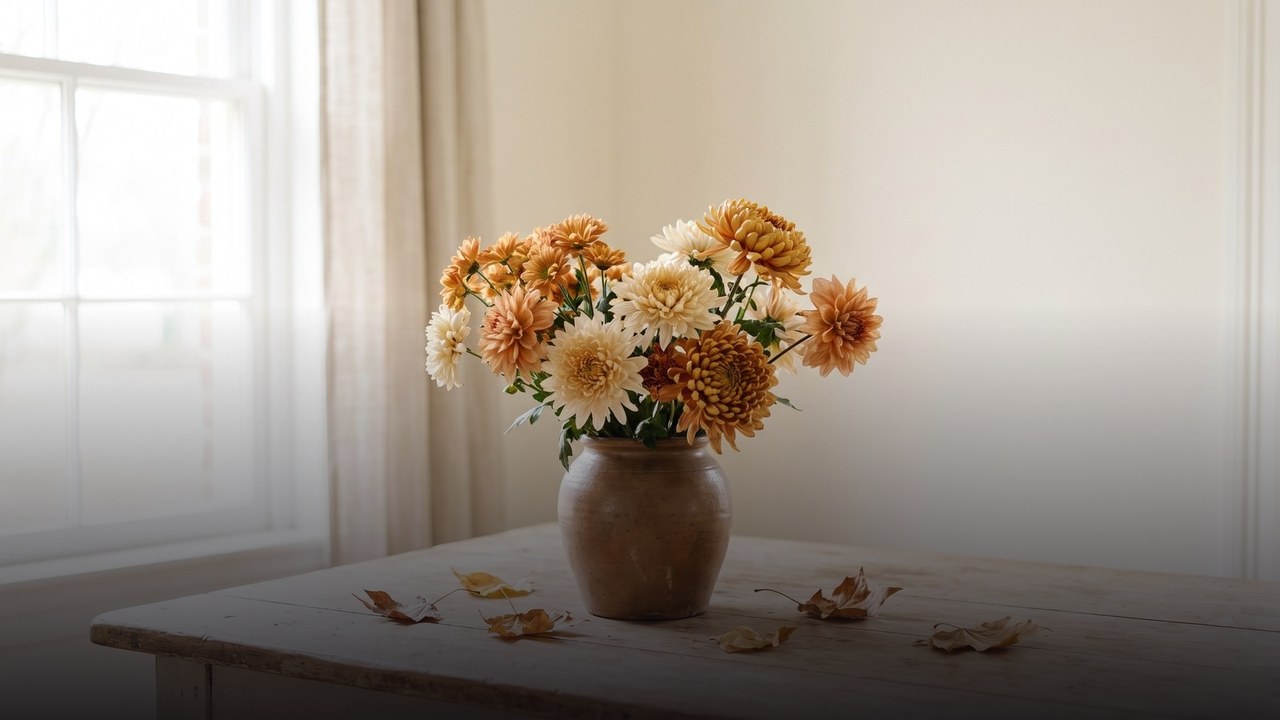
Droopy flowers may recover if poor water uptake is the cause: clean the vase, trim the stem ends and return the flowers promptly to fresh water. Remove any leaves below the waterline, then place the bouquet somewhere cool and away from direct sun. A crushed stem or decaying flower head will not recover through hydration alone.
At Pyat Tsvetov (5 Flowers), a practical starting point for this familiar flower-care problem is to identify exactly what has drooped: the whole stem, the neck below the bloom or just the petals. Those signs call for different decisions, especially in a mixed bouquet. We have been working with flowers in Saint Petersburg since 2011, and the most useful first step is a careful inspection before trying a dramatic rescue treatment.
1. Check whether the flowers are thirsty, damaged or naturally bending
Look at the water level before taking the bouquet apart. If the stem ends are above the water, the flowers have no supply to draw from, even when the vase still looks partly full. Check whether every stem reaches the water, particularly shorter stems tucked around the outside. Leaves sitting underwater and cloudy water are reasons to clean the arrangement immediately.
Next, inspect the point where each flower bends. A soft, limp stem may improve after fresh water and a new cut, while a sharp crease, split or crushed section indicates physical damage. Brown, translucent or mushy tissue is another warning sign. Remove deteriorating material rather than leaving it immersed with healthy stems.
A curved stem is not always a wilted stem. Tulips can continue growing and change direction in a vase, so a firm, arching tulip needs a different assessment from a limp rose with a collapsed neck. Judge the firmness and condition of the tissue alongside its angle. Petals opening wider or a bloom nodding under its own weight can also change the bouquet's shape without proving that it is dehydrated.
2. Reset the vase and give the stems a clean start
Lift the flowers out and wash the vase with washing-up liquid, paying attention to any slippery film inside. Rinse thoroughly before adding fresh water. A visibly clean vase still needs washing when residue has built up around the waterline. Use a stable container that supports the stems without squeezing them into a tight bundle.
With clean, sharp scissors or secateurs, remove roughly 1–2 cm from the bottom of each stem, cutting above any visibly damaged end. Avoid crushing or hammering the stems, which creates more injured tissue. Remove leaves that would sit below the new waterline, while keeping healthy foliage above it. Return the stems to water promptly after cutting.
If you have commercial cut-flower food, mix it at the concentration stated on the packet. Extra powder is not an extra-strength treatment, and household sugar alone does not provide a balanced vase solution. Plain fresh water is a sensible fallback when suitable flower food is unavailable. Check the level daily, and wash the vase and renew the solution if it becomes cloudy or develops an odour.
Bouquets we can deliver




3. Adjust the response for roses, tulips and gerberas
With roses, check the neck immediately below the flower head. If it feels limp but remains intact, a clean recut and fresh water may help; allow several hours before judging the result. If the neck is sharply kinked or the tissue is deteriorating, support will only hold the bloom in position. Do not force a bent neck straight or assume that a tightly closed bud must eventually open.
With tulips, allow room for the stems to move and use a vase that gives useful support along their length. Rotate the vase if the flowers are strongly leaning towards a window, and move them away from direct sun. A firm curved tulip can remain attractive as part of a looser arrangement. Limp leaves and soft stems deserve the same water and cleanliness checks as other flowers.
With gerberas, inspect the long stem carefully for bruising, soft patches and a crease beneath the head. Keep the vase clean and ensure that the cut ends remain in water. If a stem has collapsed at one damaged point, cutting below that point may let you display the flower in a shorter vase, provided the remaining tissue is sound. Inserting a pin or wire does not restore water uptake or repair damaged tissue.
4. Give the bouquet a calm place to recover
Place freshly recut flowers away from radiators, heating vents, direct sunlight and strong draughts. Warm surroundings can increase water loss, leaving stems struggling to keep up. A cooler part of an ordinary room is a better place to assess recovery. Avoid repeated moves between very different conditions while you are checking the bouquet.
Keep flowers away from ripening fruit, which releases ethylene that can accelerate ageing in susceptible flowers. Do not put the bouquet in a household freezer or against a freezing window. A domestic fridge may contain fruit and can expose delicate petals to unsuitable conditions. There is no single household cooling treatment that suits every flower in a mixed bouquet.
Let the flowers stand undisturbed for several hours, then compare their firmness with their condition before the reset. Check that the water level has not fallen below any stem ends. Repeatedly handling petals, recutting stems every few minutes or adding different home remedies makes the result harder to assess. Misting the heads also cannot replace a working water supply through the stems.
5. Recognise when shortening or removing a flower is the better option
A flower with a damaged lower stem may still work in a small vase after you cut back to healthy tissue. Choose a container that supports the shortened stem and keeps its leaves clear of the water. This can preserve part of an arrangement without expecting a broken section to heal. Keep visibly decaying flowers out of the refreshed bouquet.
Dry, papery petals, spreading brown patches, mushy stems and a persistent unpleasant smell point to problems that fresh water cannot reverse. Flowers also age at different rates within the same bouquet, so one fading stem does not establish the condition of every other bloom. Remove spent flowers individually and reassess the remaining arrangement. Boiling water, aspirin, coins and improvised chemical mixtures are not reliable universal remedies for those different problems.
If a bouquet arrives with a problem, take clear photographs of the whole arrangement and the affected stems before making extensive changes. Note whether the water supply was missing, a stem was broken or petals were already deteriorating. Those details make a conversation about its condition more useful than describing everything as droopy. For questions about a Pyat Tsvetov order, call 8 (812) 507-67-05.
6. Plan a flower delivery to Russia around the recipient's day
When sending flowers from abroad, choose a delivery period when the recipient can receive them and put them in water. Time spent waiting without attention can make care more difficult, especially if the bouquet is left near a heat source after arrival. Browse our bouquets catalogue with the occasion and the recipient's available vase space in mind. A brief personal card can carry the message without requiring a complicated explanation of flower symbolism.
Pyat Tsvetov delivers flowers across Russia, with city delivery costing 500 RUB. For remote districts and suburbs, the operator confirms the delivery price when confirming the order. Express delivery in large cities is available in 1–2 hours after order confirmation. Other options include an exact time within a margin of plus or minus 30 minutes, the windows 09–12, 12–15, 15–18 and 18–21, or a preorder 1–30 days ahead.
Delivery in Saint Petersburg is available around the clock. The courier calls the recipient about 15 minutes before arrival; if the recipient is absent, we agree a second delivery that day or a handover to a neighbour or concierge with the sender's consent. Delivery is anonymous by default, meaning the courier does not name the sender. A card with your text is free, so include your name there if you want the recipient to know who sent the flowers.
Read the delivery and payment details before completing your order, particularly when coordinating it from another time zone. Online checkout uses CloudPayments; check the payment options displayed there for your card. Acceptance of every foreign card is not guaranteed. For questions about arrangements or delivery, call 8 (812) 507-67-05.
Frequently asked questions
Can droopy flowers stand upright again?
They may recover when poor water uptake is the cause and the stems remain healthy. Wash the vase, recut the stems and give them fresh water, then assess them after several hours; broken or decaying tissue will not recover this way.
Should I put drooping flowers in hot water?
Do not use hot or boiling water as a general treatment for an unidentified mixed bouquet. Different flowers respond differently, and excessive heat can damage tissue; start with clean equipment, fresh water and a new stem cut.
Why are my flowers drooping even though the vase has water?
Some stem ends may not reach the water, or damaged ends and dirty vase conditions may interfere with uptake. Heat, ageing and physical damage can also cause drooping, so inspect the stems as well as the water level.
Does a bending tulip need to be revived?
Not necessarily: tulips can grow and curve after cutting. Check whether the stem and leaves remain firm before treating the curve as a sign of wilting.
Can I order flowers to Russia while living abroad?
Pyat Tsvetov delivers flowers across Russia, and online checkout uses CloudPayments. Check the options displayed at checkout for your card, as acceptance of every foreign card is not guaranteed.
Ready to send a bouquet?
Pick a city, choose the flowers, and we will hand them over with a photo confirmation.
Choose a city →