
Drying Fresh Flower Bouquets at Home
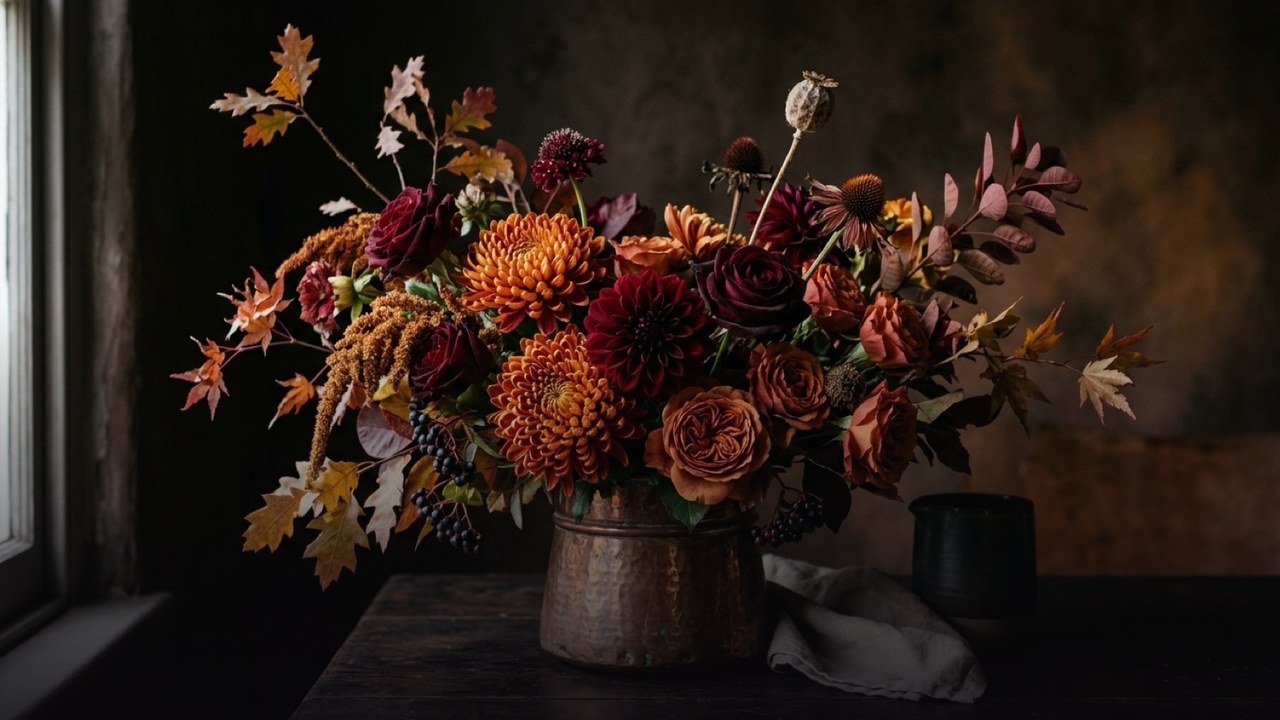
For drying fresh flower bouquets, start while the blooms still look healthy: remove the wrapping and unwanted leaves, separate crowded stems, and choose air drying, flower-drying silica gel or pressing. Hang small bundles upside down in a dark, dry, ventilated place for an easy method, use silica gel to support individual flower heads, or press flowers for a flat keepsake. Expect changes in colour and texture; drying preserves a version of the bouquet rather than its fresh appearance.
Customers asking about saving a bouquet often want to keep every stem together, especially after a birthday, anniversary or family visit. At Pyat Tsvetov (5 Flowers), our Saint Petersburg flower shops have been serving customers since 2011, and the practical starting point is to decide what matters most: the bouquet's outline, a particular flower or a small memento. Different flowers dry differently, so dividing one arrangement between methods can be more useful than treating it as a single object.
Choose the flowers before they begin to decline
Choose firm flowers with sound petals and stems, ideally before the blooms become fully open and fragile. Do not wait until the whole bouquet droops: drying removes moisture but cannot reverse browning, collapsed tissue or decay. Remove any mouldy material rather than including it in a keepsake, and inspect the centres of dense blooms as well as the outer petals. If only a few stems remain suitable, save those instead of trying to rescue the entire arrangement.
Roses, statice and strawflowers are useful candidates for different drying methods, while fleshy or very delicate flowers can be harder to preserve neatly. Statice often lends itself to air drying; roses may shrink and darken, and soft petals can curl or fall. Separate varieties so that you can check them individually and remove each group when ready. Our guide to a statice bouquet covers choosing, caring for and drying these flowers in more detail.
Air dry small bundles with space around the stems
Take off the wrapping, ribbons and any water reservoir, then strip away leaves you do not want to keep. If the stems are wet, gently blot away surface moisture before arranging them into small, loose bundles. Secure each bundle with a rubber band, which can accommodate some stem shrinkage, and hang it upside down with the flower heads clear of shelves and walls. Large, heavy heads are often easier to hang individually because neighbouring blooms can press their petals out of shape.
Choose a dry, shaded room with gentle air circulation, away from cooking steam, bathroom humidity and direct sunlight. A closed cupboard is unsuitable if it traps damp air; darkness helps limit fading, but ventilation still matters. Allow roughly two to four weeks as a starting estimate, checking rather than relying on a fixed date, since dense flowers and humid rooms may take longer. Flowers should feel papery and the stems dry rather than cool and flexible; handle one test stem gently instead of repeatedly squeezing the whole bundle.
Bouquets we can deliver




Use silica gel for individual flowers with more shape
Choose silica gel sold for drying flowers and follow its instructions, including any precautions for dust and indicator granules. Put a supporting layer in a suitable airtight container, arrange the flowers without crowding, and gently spoon the granules around and between the petals. Keep the blooms supported as you cover them rather than pouring a heavy stream onto their centres. This method is particularly useful when you want to save a few flower heads and can accept separating them from the original bouquet.
Drying time depends on the flower, the product and how much moisture the silica gel has already absorbed, so follow the product's checking interval. Uncover a small area carefully to assess progress, then lift the flower from underneath rather than pulling on its petals or stem. Tip away loose granules and use a very soft brush only where necessary, because dried petal edges break easily. Do not improvise microwave treatment or regenerate silica gel in an oven unless the product instructions explicitly describe that use.
Press flowers when a flat keepsake suits the occasion
Pressing works well for a card, framed composition or a few petals saved with a handwritten message. Choose naturally flatter flowers, small sprigs or separate petals; a thick rose head usually needs to be divided to avoid trapping moisture in the centre. Arrange the material between clean, absorbent, uncoated paper, keeping flowers apart so they do not dry into one another. Place the layers in a flower press or beneath a flat weight, protecting any book you use from moisture and staining.
Check the paper early in the process and replace it if damp, moving the flowers as little as possible while they are soft. Allow several weeks for the material to dry thoroughly, with thicker pieces generally needing more attention than individual petals. Avoid sealing partly dried flowers into a frame, resin or another enclosed display, where remaining moisture can cause deterioration. For a bouquet with personal significance, our guide to drying and preserving a sentimental bouquet at home offers another way to plan the keepsake.
Reassemble and store the bouquet without trapping moisture
Once the flowers are fully dry, lay them on a clean surface and rebuild a smaller arrangement with the strongest stems. Keep ties gentle and avoid forcing brittle stems into a tight spiral, particularly where they have already bent. A dry vase offers support without adding water; a display case can reduce dust once you are confident that no moisture remains. Keep dried flowers away from open flames, candles and heaters, and place fragile arrangements where people will not brush against them.
Expect reds to deepen, pale petals to become creamier or brown at the edges, and some greens to lose their fresh colour. Display the bouquet away from direct sun and damp rooms, and remove dust with a soft brush rather than spraying it with water. Hairspray is unnecessary for routine preservation and can alter the finish, so it is sensible to leave a meaningful bouquet untreated. There is no dependable universal lifespan: humidity, light, handling and the condition of the flowers at drying all affect how long it remains presentable.
Send flowers to Russia and leave the keepsake decision to the recipient
If you are sending flowers from abroad, choose the fresh bouquet for the recipient's taste and treat drying as an optional suggestion. Browse the bouquets catalogue, then use the free card to include a personal message or a brief note about saving a few stems while they are still healthy. Delivery is anonymous by default: the courier does not name the sender, so sign the card if you want the recipient to know who sent it. A request to preserve the whole bouquet can feel like an obligation; suggesting one flower leaves the recipient room to enjoy the gift in their own way.
We deliver flowers across Russia; city delivery costs 500 RUB, while the operator confirms the price for remote districts and suburbs when confirming the order. In large cities, express delivery is available in one to two hours after confirmation, and delivery in Saint Petersburg operates around the clock. Orders can also be placed one to thirty days ahead; see delivery and payment for ordering information. Online checkout uses CloudPayments: check the payment options displayed there, and call 8 (812) 507-67-05 with questions.
Frequently asked questions
Can I dry a fresh bouquet without taking it apart?
A small, loosely arranged bouquet may air dry together if the blooms have space around them. Dense wrapping, crowded flower heads and thick foliage can trap moisture, so removing the packaging and separating the stems gives you more control.
When should I start drying flowers after receiving them?
Start while the flowers still have firm petals and healthy stems, before browning or collapse appears. The right moment depends on their condition rather than a set number of days after delivery.
Will dried flowers keep their original colour?
Some colour change is normal, and no home method guarantees an exact match to the fresh bouquet. Drying away from direct light helps limit fading, while silica gel can support petal shape during moisture removal.
What should I do if flowers develop mould while drying?
Discard affected material and inspect nearby stems before continuing. Reduce bundle size and move the remaining healthy flowers to a drier place with better air circulation.
Should I put dried flowers back into water?
No: display fully dried flowers in a dry vase or another dry support. Water will not restore their fresh condition and can encourage deterioration.
Ready to send a bouquet?
Pick a city, choose the flowers, and we will hand them over with a photo confirmation.
Choose a city →