
Ecuadorian Rose Plant: What the Name Means and How to Care for It
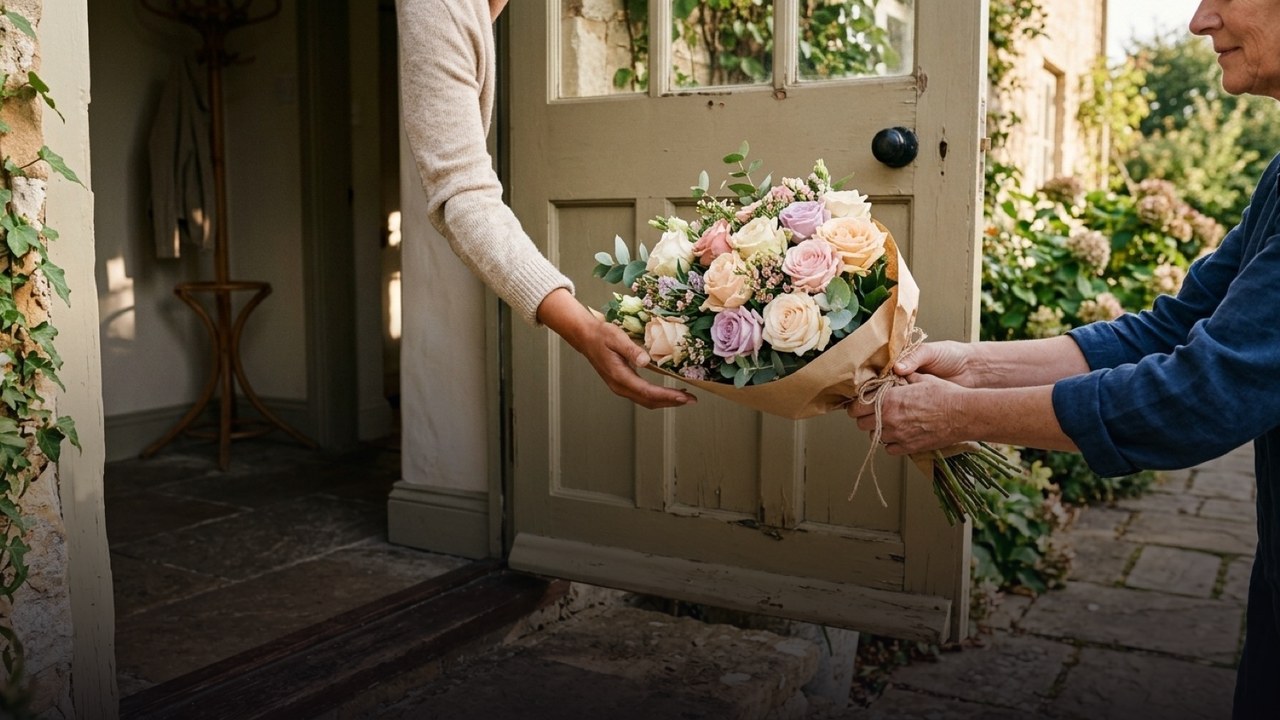
An Ecuadorian rose plant is a rose grown in Ecuador, not a separate botanical species or a single variety. In flower shopping, “Ecuadorian roses” usually means cut roses grown there for bouquets, rather than rooted plants intended for a garden or pot. If you want to grow one, look for a named cultivar sold as a rooted plant and check whether it suits your growing conditions.
At Pyat Tsvetov (5 Flowers), our conversations about roses often begin with the distinction between a lasting garden plant and a bouquet for a particular occasion. We have worked in Saint Petersburg since 2011 and have three own flower shops in the city. This guide separates growing advice from vase care, then explains the practical details of sending flowers to someone in Russia.
Identify the plant before deciding how to grow it
The word “Ecuadorian” tells you where a rose was grown; it does not identify its mature size, flowering habit or suitability for your garden. For a living plant, ask for the cultivar name and whether it is grafted or growing on its own roots. Check its expected height, light requirements and locally appropriate winter care before buying. A photograph of an impressive cut bloom cannot answer those questions.
A rooted rose should have an established root system, healthy stems and information that lets you plan its care. A cut bouquet stem has been separated from the plant and should initially be treated as a vase flower. Although some rose cuttings can root, success varies, and a bouquet is an uncertain starting point for a garden. If growing roses is your main aim, a labelled nursery plant gives you a much clearer basis for choosing.
Give a rooted rose conditions suited to its cultivar
For a rooted rose, choose a position with good light, air circulation and soil that drains freely. In a container, use a pot with drainage holes and enough room for the existing roots to develop. Water the root area thoroughly, then check the soil before watering again rather than following a rigid daily schedule. Persistent standing water and repeated complete drying both make care harder.
Let the plant's growth stage, cultivar and local conditions guide feeding and pruning. Follow the fertiliser label, and avoid adding extra feed simply because a newly moved plant looks unsettled. Remove dead or damaged growth with clean tools, while checking pruning advice for the particular rose. Ecuadorian origin alone gives no reliable basis for judging outdoor winter survival, so use cultivar information and guidance for your region.
Bouquets we can deliver




Choose cut roses by the whole stem, not just the bloom
If your intention is a gift, concentrate on the cut flowers rather than searching for a plant with the same appearance. Look for firm stems, healthy foliage and blooms without extensive bruising, browning or mould. Bud opening varies by cultivar, so a tightly closed bud is not automatically better than a partly open flower. A photograph can show colour and proportions, but it cannot establish remaining vase life.
Consider the recipient's space when choosing stem length and bouquet size. Tall stems need a stable vase, while a shorter arrangement may be easier to place on a dining table or desk. Flower colour and an appropriate message usually matter more than choosing the largest possible head. Our guide to Ecuadorian long stem roses explains how length affects presentation and handling.
Care for a bouquet as cut flowers
Prepare a clean vase before unwrapping the bouquet, and fill it with fresh water. Remove any leaves that would sit below the waterline, then recut the stem ends with a clean, sharp tool before placing them in water. Use cut-flower food according to its instructions if you have it. Avoid crushing the stems or adding improvised mixtures whose concentration you cannot control.
Place the vase away from radiators, direct sun, strong draughts and ripening fruit. Check the water level daily because a full bouquet can use water quickly, and replace water that becomes cloudy while cleaning the vase. Remove fading flowers and fallen leaves, and recut stem ends when refreshing the arrangement if needed. For realistic expectations, read our practical vase-life guide; variety, condition and room environment all affect how long roses remain attractive.
Match the roses and message to the occasion
Red roses commonly suggest romantic affection, while pink can feel softer and white can suit a restrained presentation. These associations are conventions, not fixed rules, and the recipient's preferences should guide the choice. In Russia, an odd number of flowers is customary for celebratory bouquets when individual stems are counted; even numbers are traditionally associated with mourning. For a birthday or romantic gift, keep that distinction in mind when selecting a stem count.
Write a card that makes the relationship and occasion clear, especially if flowers are arriving unexpectedly. A short personal sentence is often more useful than a formal quotation that could belong to anyone. Our delivery is anonymous by default, meaning the courier does not name the sender, and a card with your text is free. Include your name in that text if you want the recipient to know immediately who sent the flowers.
Arrange delivery to Russia with clear timing and details
To send a bouquet, start with the bouquets catalogue and prepare the recipient's address, contact details and your card text. We deliver flowers across Russia, with city delivery costing 500 RUB; the operator confirms the price for remote districts and suburbs when confirming the order. In large cities, express delivery is available 1–2 hours after the order is confirmed. For a timed occasion, the options are an exact time with a tolerance of plus or minus 30 minutes, or the windows 09–12, 12–15, 15–18 and 18–21.
You can also pre-order 1–30 days ahead, which helps you plan a birthday or anniversary while abroad. Delivery in Saint Petersburg is around the clock; when arranging a gift from another country, make the intended date and recipient's local time clear. The courier calls about 15 minutes before arrival, so a reachable recipient helps the handover. If the recipient is absent, we agree a second delivery the same day or a handover to a neighbour or concierge with the sender's consent.
Online checkout uses CloudPayments, and you should check the payment options displayed there before relying on a particular card. Acceptance of every foreign-issued card cannot be guaranteed. Review delivery and payment details when planning the order, especially if timing is important. For questions, call 8 (812) 507-67-05 and explain the destination, intended delivery date and any access details that could affect the handover.
Frequently asked questions
Is an Ecuadorian rose plant a separate species?
No. The term describes a rose grown in Ecuador; the cultivar name is what you need to investigate growth habit, mature size and suitable care.
Can I grow an Ecuadorian rose from a bouquet stem?
Some rose cuttings can root, but a cut bouquet stem is not a rooted plant and success is uncertain. Choose a labelled rooted rose if your priority is establishing a plant.
Can an Ecuadorian rose grow outdoors in my country?
That depends on the cultivar and your local growing conditions, rather than its country of production. Check cultivar-specific guidance and local winter requirements before planting outdoors.
How long will Ecuadorian cut roses last in a vase?
There is no dependable fixed lifespan based on origin alone. The variety, condition at purchase, clean water and position in the room all influence vase life.
Can I order roses for Russia while I am abroad?
You can arrange flower delivery across Russia through our online checkout, which uses CloudPayments. Check the options shown at checkout, because acceptance of every foreign card is not guaranteed.
Ready to send a bouquet?
Pick a city, choose the flowers, and we will hand them over with a photo confirmation.
Choose a city →