
Flower Arrangement Class: What to Learn and How to Start
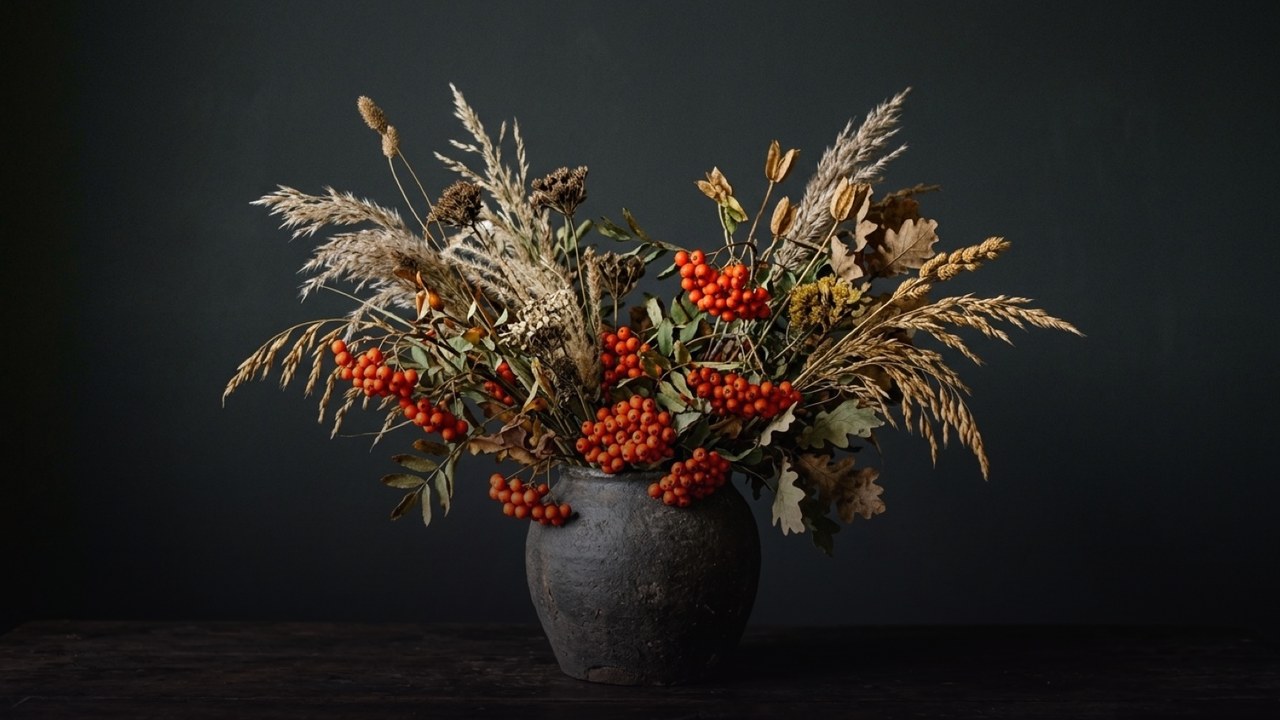
A flower arrangement class should teach you to prepare stems, build a balanced design and care for the finished flowers, with enough time to practise each step yourself. For a first lesson, choose a beginner session focused on one achievable project, such as a vase arrangement or a hand-tied bouquet. Before booking, confirm the materials, tools and vessel included, the amount of individual guidance and how you will carry your work home.
Customers choosing flowers often want to understand why one bouquet looks relaxed while another feels formal, or why stems shift as soon as they enter a vase. These are useful starting points for learning: shape, proportion and stem placement matter as much as flower choice. Pyat Tsvetov (5 Flowers) has operated since 2011 and has three own flower shops in Saint Petersburg. Here we explain what to look for in a class, a manageable first project and how to turn that knowledge into a thoughtful flower order for someone in Russia.
Choose a class that gives you practical skills
Read the lesson description for a specific outcome rather than judging it only by photographs of elaborate displays. A vase arrangement teaches you to work with a container and place stems at different angles; a hand-tied bouquet adds the challenge of holding and securing the stems together. Both are useful, but learning one method thoroughly is easier than rushing through several projects. Ask whether beginners receive step-by-step demonstrations and feedback while they work.
Check whether flowers, foliage, cutting tools and a container are supplied, and whether you keep the container afterwards. Find out the group size and how much of the session is devoted to your own arranging, since a demonstration alone offers limited practice. If you want to avoid floral foam, look for a lesson that explicitly teaches another support method, such as a reusable flower frog or a taped grid. Confirm any handling requirements for sharp tools, particularly when booking for a child.
Start with a manageable palette and the right vessel
For an early attempt, use a small selection of flowers with different roles: a prominent bloom, a lighter branching stem and some foliage. Choose one main colour and a supporting shade so that you can concentrate on structure without solving several colour problems at once. Similar colours create a gentle transition, while a stronger contrast draws attention to particular blooms. Leave room to see individual flower heads instead of filling every gap simply because spare stems remain.
Choose a stable vase with an opening that gathers the stems without squeezing them tightly together. A very wide opening can be frustrating for a beginner because the stems spread and lose their intended positions. Test the vessel with water before arranging, and protect the table beneath it if the base could mark the surface. Plan the finished piece for its setting: a dining-table arrangement should allow people seated opposite each other to see and speak comfortably.
Bouquets we can deliver




Build your first vase arrangement step by step
Begin with a clean vase, fresh water and clean, sharp cutting tools. Remove leaves that would sit below the waterline, then cut stems to suit the vessel rather than shortening every stem to the same length. Follow the packet directions if you use cut-flower food; adding extra concentrate does not improve the mixture. Keep unused stems in water while you work, and handle flower heads gently to avoid bruising delicate petals.
Place a few branching stems or pieces of foliage first to establish the width and direction of the design. Add your main flowers at varied heights, turning the vase between placements if the arrangement will be viewed from all sides. Work in small steps, allowing some flowers to sit lower and others to rise above them, then add lighter stems where the shape needs a softer edge. Step back before making corrections: removing one crowded stem can improve the result more than adding another.
Learn care and transport as part of the lesson
A useful class explains what happens after the final photograph, including how to move the arrangement without spilling water or crushing its outline. Ask the tutor how to support your particular project for the journey, especially if it is tall or asymmetrical. Keep it upright and prevent the container from sliding, using a suitable box or carrier if available. For a winter journey, protect flowers from direct exposure to cold air and keep the time outdoors brief; different flowers respond differently, so avoid relying on a universal temperature rule.
At home, place the arrangement away from direct sunlight, heaters and strong draughts. Check the water level every day, because stems can use water even when the vase still looks full from a distance. Refresh cloudy water, clean the vessel as needed and remove foliage or flowers that begin to deteriorate. When recutting stems, use a clean blade and return them promptly to water; a class should help you recognise these routine care needs, not promise a fixed vase life.
Match the design to the person and the occasion
Flower meanings are useful context, but the recipient’s preferences should guide the final choice. Red roses commonly suggest romance, while a mixed arrangement can suit a wider range of relationships depending on its colours and presentation. For someone who dislikes strong fragrance, ask about the scent of the proposed flowers instead of assuming that all bouquets smell similar. Consider the recipient’s space too: a large design may be awkward on a small desk or in a shared room.
When giving flowers in Russia, an odd number of individual flowers is customary for celebratory gifts, while even numbers are traditionally associated with mourning. This distinction is especially relevant to a small bouquet where the stems are easy to count; elaborate mixed designs are less readily read by number. Keep the card appropriate to your relationship, with a clear, personal message rather than an unexplained symbolic reference. For a workplace gift, our guide to flowers for a Russian office opening offers a related occasion to consider.
Use what you learn when sending flowers to Russia
If your aim is to send a gift to someone in Russia, use the same decisions you would make in a class: colour, overall shape, occasion and the space where the flowers will stand. Browse the bouquets catalogue with those preferences in mind, checking the details of the selected design rather than assuming that every pictured vessel or accessory is included. Pyat Tsvetov delivers flowers across Russia, and city delivery costs 500 RUB. For remote districts and suburbs, the operator confirms the delivery price when confirming the order.
In large cities, express delivery is available within 1–2 hours after the order is confirmed. Other options are delivery at an exact time with a tolerance of plus or minus 30 minutes, or within the windows 09–12, 12–15, 15–18 and 18–21; you can also pre-order 1–30 days ahead. Delivery in Saint Petersburg operates around the clock. When ordering from abroad, check the recipient’s local date and time carefully, and consult delivery and payment information before choosing the timing.
Delivery is anonymous by default: the courier does not name the sender, and a card with your text is free. The courier calls the recipient about 15 minutes before arrival; if they are absent, we agree a second delivery that day or, with the sender’s consent, handing the flowers to a neighbour or concierge. Online checkout uses CloudPayments, so check the payment options displayed there rather than assuming a foreign card will be accepted. For questions, call 8 (812) 507-67-05.
Frequently asked questions
What should I learn in a beginner flower arrangement class?
Look for stem preparation, safe cutting, basic proportion, secure placement and flower care. You should have time to make your own arrangement and receive feedback on it.
Is a vase arrangement or a hand-tied bouquet easier to start with?
A vase arrangement lets the container support the stems while you adjust their positions, which can make the first attempt more manageable. A hand-tied bouquet also requires you to hold the developing shape and secure the stems.
Should I bring flowers and tools to a class?
Check the specific course description before booking, because inclusions vary. Confirm the flowers, foliage, tools and vessel supplied, and ask how the finished arrangement should be transported.
Can I arrange flowers without floral foam?
Yes, stems can be arranged directly in a suitable vase or supported with methods such as a taped grid or a reusable flower frog. Choose a class that demonstrates the method you want to learn and explains how to use it securely.
How can I send flowers to Russia after choosing a design?
Choose a bouquet from the catalogue and check the delivery and payment details during ordering. Checkout uses CloudPayments; customers paying from abroad should check the displayed options, as acceptance of every foreign card cannot be guaranteed.
Ready to send a bouquet?
Pick a city, choose the flowers, and we will hand them over with a photo confirmation.
Choose a city →