
Flower Delivery in Asha: Zones, Timing and What to Expect
Asha sits in the southern Urals, and customers ordering flowers here ask the same questions every week: how long will it take, will the roses arrive open or tight, and what happens if the address is on the edge of town. These are fair questions, and the answers depend on a few practical details — zone, season, and what you actually order. Here is what you need to know before placing an order.
Where in Asha We Deliver and How the Zone Works
Asha is a compact city, but its residential areas spread out along the Sim River valley, and some addresses sit further from the centre than they appear on a map. We cover the central districts, the older residential blocks near the metallurgical plant, and the newer streets on the northern edge of town. When customers give an address near the city boundary, it is worth confirming the exact street and building number before checkout, because some outer streets are formally listed under Asha but require additional travel time. The zone boundary matters most for same-day orders placed after midday, when the delivery window is tighter. If you are ordering to a private house rather than an apartment block, include the gate or entrance details in the comment field — couriers working in the Urals region are used to private plots with unmarked gates, but a note saves ten minutes of searching. Industrial zones and territories attached to the plant are not residential delivery points, so if you are sending flowers to a colleague, confirm they will be at a home or office address. Asha also has a railway station area with several streets that use old Soviet-era naming alongside newer official names; if the address looks like it might have two versions, write both in the comment. Getting the zone right means the bouquet travels the minimum distance from the moment it leaves cold storage, which directly affects how the flowers look on arrival.
Bouquets we can deliver

Typical Delivery Times and What Affects Them
The standard window for Asha is one to two hours from order confirmation, which holds for most addresses in the central and near-residential zones during daylight hours. Orders placed before noon on weekdays tend to move fastest, because the logistics chain is fully staffed and the roads through the southern Urals corridor are clear. Evening deliveries, particularly those requested after 18:00, can extend toward the outer edge of the two-hour window, especially in winter when road conditions on the approaches to Asha from the main highway slow transit. The Ural climate is not gentle: January temperatures in this part of Chelyabinsk Oblast regularly drop to minus twenty or below, and that affects packaging decisions as well as driving speed. Flowers ordered in January or February travel in insulated wrapping, which adds a few minutes to preparation time but protects the stems from cold shock. Summer deliveries face a different problem — heat above thirty degrees in July and August means the courier keeps the vehicle cool and avoids leaving flowers in a parked car. If you need delivery at a very specific time, say for a birthday dinner that starts at 19:00, order with a two-and-a-half-hour buffer rather than a one-hour buffer, and note the deadline in the comment. Customers who treat the timing window as a guaranteed minute rather than a working estimate are the ones who call anxious — building in margin makes the experience smoother for everyone.
Which Flowers Travel Best to Asha
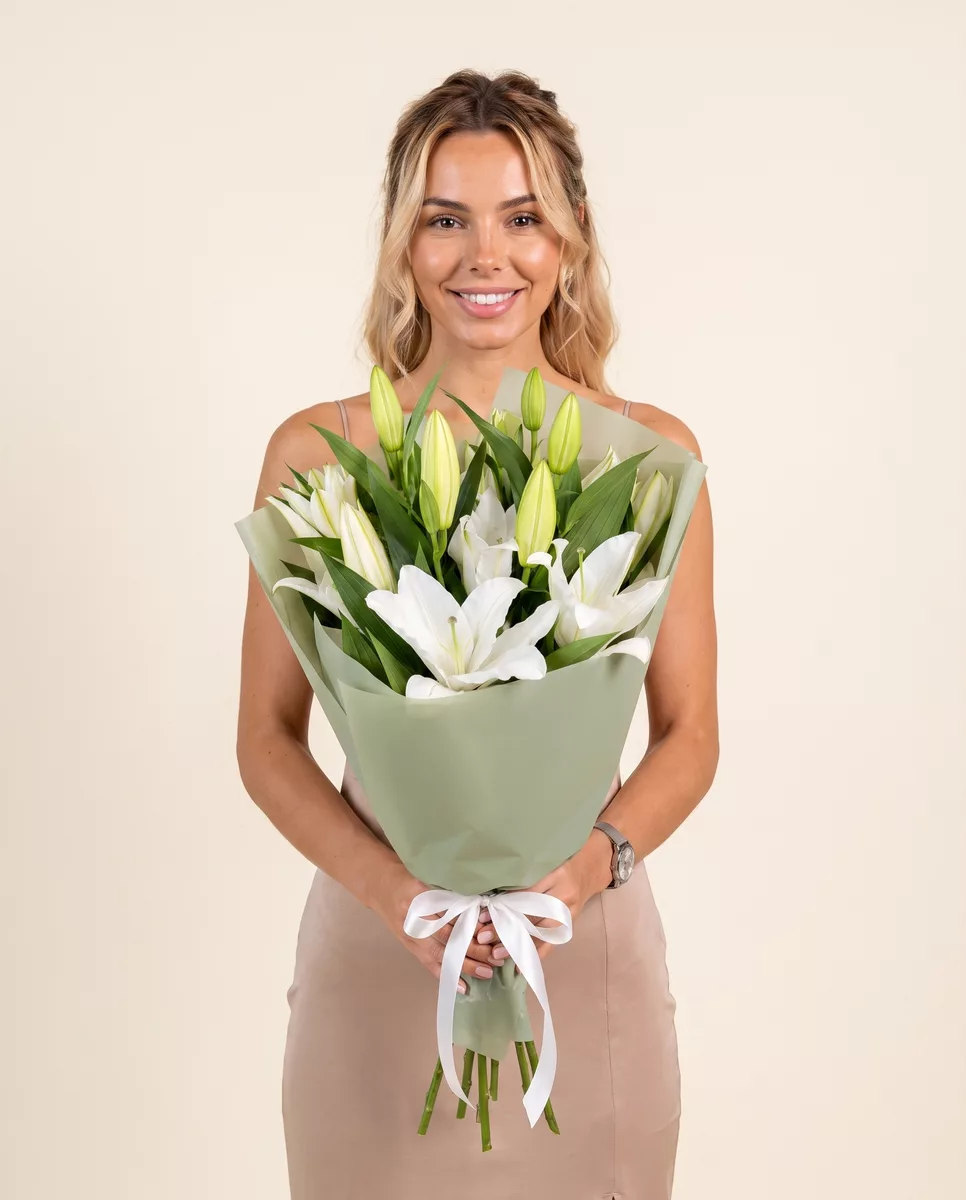
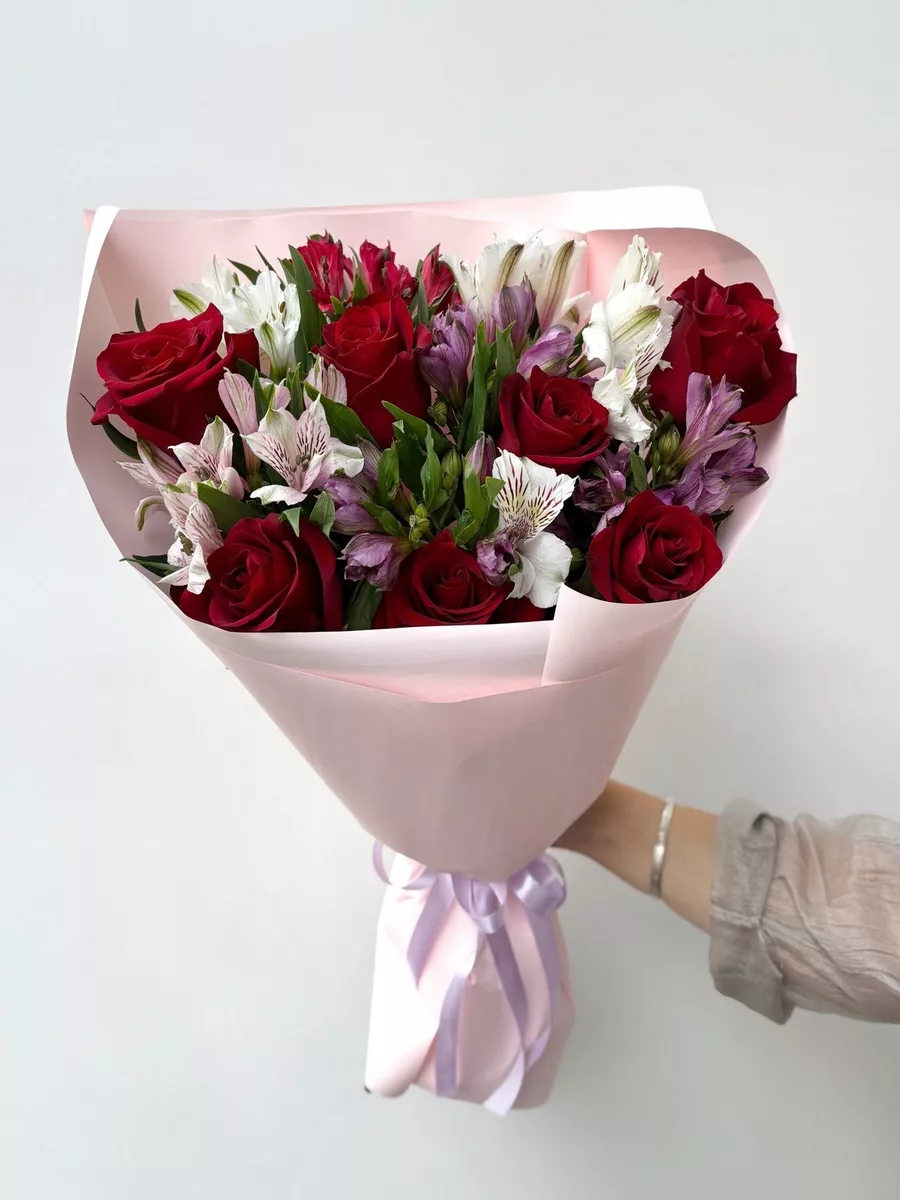
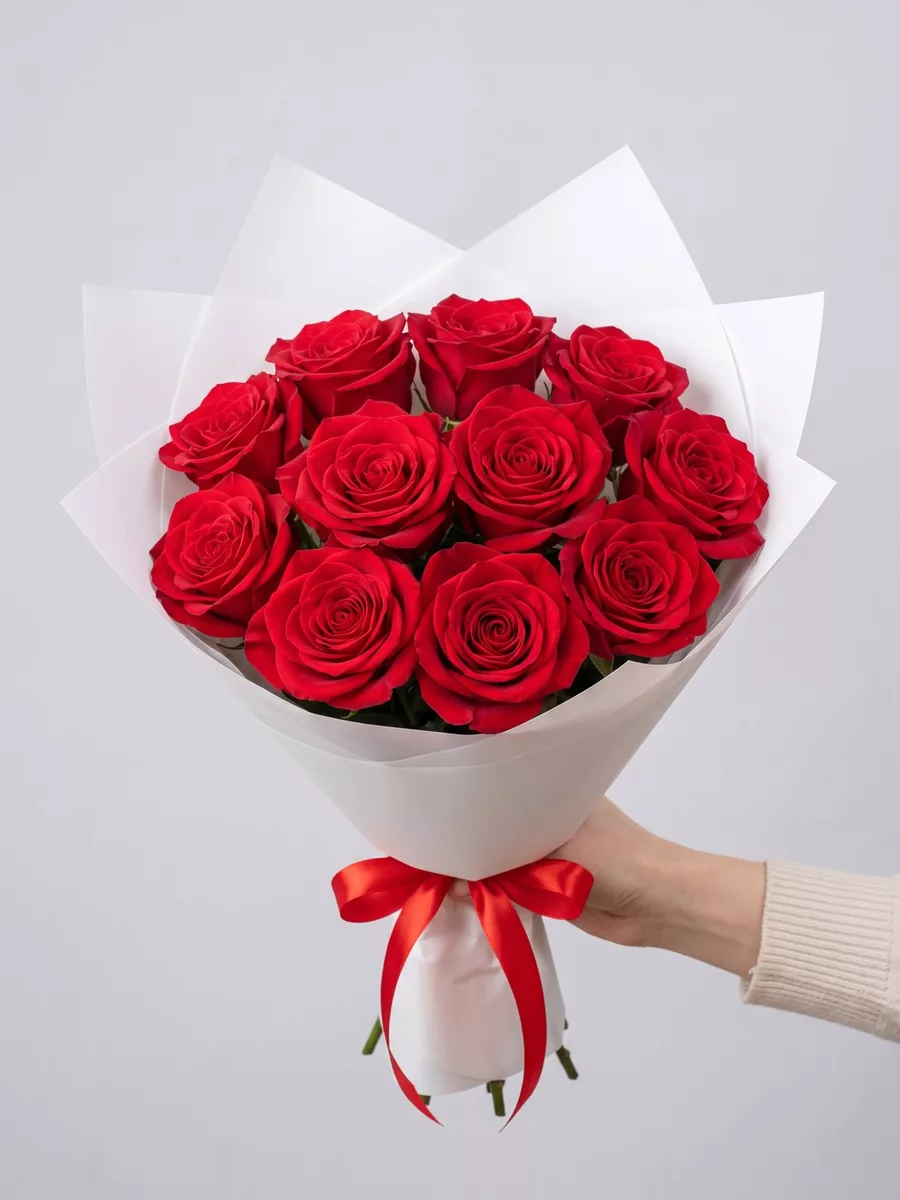
Not every variety handles a journey through the Ural corridor equally well, and choosing the right flowers is the single most practical thing a customer can do before ordering. Roses are the most ordered flower, and they travel well when cut at the right stage — buds that are one-quarter to one-third open arrive firm and open gradually over the next two to three days at room temperature. Spray roses, which carry several small blooms per stem, are slightly more robust than large-headed garden varieties and hold their shape well even when temperatures outside are extreme. Chrysanthemums, both the large disbud type and the smaller spray variety, are reliable for Asha deliveries because they tolerate temperature fluctuation better than tropical flowers. Alstroemeria is another strong choice — the buds travel tight and open over several days, giving a longer vase life than many customers expect. Orchid stems, particularly Cymbidium, handle cold better than Phalaenopsis, which prefers to stay above fifteen degrees; in winter, if someone insists on Phalaenopsis, we wrap the pot carefully, but it is worth knowing the risk. Hydrangeas are popular in summer but need water consistently — if the recipient will not be home for several hours after delivery, a hydrangea bouquet will suffer more than a rose arrangement. Tulips, widely loved in Russia and ordered heavily from February onward, travel well in cold weather but droop quickly in heat, so summer tulip orders need a faster handoff than average.
Seasonal Patterns and When Asha Customers Order Most
Flower demand in Asha follows the same Russian calendar that shapes orders across the country, but the Ural climate adds its own layer. The biggest surge comes around the eighth of March, International Women's Day, which in Russia is the single largest flower holiday of the year — larger than Valentine's Day by volume. Orders for that date start arriving a week in advance, and customers who wait until the morning of the eighth often find that specific varieties, particularly tulips and mimosa, are already allocated. February fourteenth sees a smaller but noticeable spike, mostly roses and small mixed bouquets. New Year and the surrounding days in late December and early January bring orders for decorated compositions and potted plants rather than cut flowers, because people are traveling and want something that lasts. Outside these peaks, the steadiest ordering pattern in Asha involves birthdays and anniversaries, which come in at a fairly even rate through spring and autumn. Summer sees a dip in some varieties — peonies, for example, have a short natural season in June and early July, and once the season closes, they are gone until the following year. Customers who want peonies should order in late May or June and not assume they will be available in August. Autumn brings dahlias and sunflowers into strong supply, and these are worth considering if you want something that looks generous without ordering the most expensive roses on the list. Knowing the seasonal rhythm helps you order what is actually at its best rather than what is merely available.
Packaging and Condition on Arrival
The packaging a bouquet arrives in is not decoration — it is functional, and understanding what you are looking at when the courier hands over the order helps you judge whether everything is correct. All bouquets from Five Flowers travel in kraft paper or a structured box depending on the composition, with the stems wrapped in damp material to keep water available during transit. In winter, an outer insulating layer goes around the whole package; this looks bulky but peels away easily and should be removed as soon as the flowers are indoors, because leaving tropical or warm-weather varieties inside insulation once they are in a heated room traps humidity and encourages mold on the petals. When you receive the bouquet, check the stems first — they should feel firm, not slimy, and the cut ends should look clean. Roses that arrive with petals that feel papery at the very tips have usually been exposed to dry air, which sometimes happens if a car heater was running directly on the flowers; this is a packaging failure and worth mentioning when you call. Unwrap the bouquet within ten minutes of arrival, trim the stems at a diagonal cut under running water, and place them in a clean vase with fresh water at room temperature — cold tap water is fine, ice water is not necessary and can shock warm-season varieties. Remove any leaves that would sit below the waterline, because submerged foliage rots and clouds the water quickly, which shortens the vase life of every stem in the arrangement.
What to Check Before Confirming Your Order
A surprising number of delivery problems in Asha trace back to the order form rather than the delivery itself, and a two-minute check before confirming saves a phone call later. Start with the recipient's phone number — couriers call ahead when they are ten minutes away, and if the number is wrong or the recipient has their phone off, the delivery stalls. Write the full address including the apartment number and floor; in Soviet-era apartment blocks, which make up a large share of Asha's housing stock, the entrance number is critical because buildings often have four or more separate staircases and no common corridor. If the building has a keypad entry code, include it — couriers do not have master codes and will call if they cannot enter, which adds time and sometimes means the flowers wait in a cold hallway. In the comment field, note if there is a concierge, a barrier gate, or a building that requires a pass, because these are common in newer developments even in smaller Ural cities. If you are ordering a surprise delivery and the recipient should not be called in advance, flag this clearly — couriers default to calling, and overriding that default requires an explicit note. Check the delivery date and time window one more time before hitting confirm; customers occasionally order for the correct date but select the wrong month, particularly around the turn of the year. Finally, if the bouquet is for a specific occasion that happens at a fixed time, state the deadline in the comment rather than assuming the standard window will align with your schedule.
Russian Flower Customs Worth Knowing If You Are New to Them
If you are ordering flowers in Russia for the first time, or sending them to someone in Asha who follows Russian customs, a few conventions are worth understanding plainly. The most widely observed rule is that bouquets given as gifts should contain an odd number of stems — one, three, five, seven, and so on. Even numbers of flowers are associated with mourning in Russian tradition, and while younger urban recipients may not think about it consciously, older recipients often notice immediately. This applies to roses, tulips, chrysanthemums and almost every cut flower; the convention does not apply to potted plants or mixed compositions where counting individual stems is not straightforward. Yellow flowers carry a separate set of associations in Russian popular culture — they are sometimes linked to separation or bad luck in relationships, though this belief varies enormously by age and region. If you are unsure, a mixed bouquet with yellow as an accent colour rather than the dominant tone is a safe middle ground. White flowers are generally considered elegant and appropriate for most positive occasions, including birthdays and professional milestones, contrary to what some Western customers assume based on their own cultural context. Red roses remain the most traditional romantic gesture and are understood universally across generations in Russia. Wrapping matters too — a neatly wrapped bouquet signals care, and recipients in Asha, as across Russia, tend to appreciate visible effort in presentation. You do not need to follow every convention, but knowing them helps you make choices that land well with the person receiving the flowers.
Ordering flowers to Asha is straightforward when you have the address details right, you have chosen varieties suited to the season, and you have given the delivery window enough margin for the Ural conditions. The flowers that arrive in the best shape are the ones ordered with a clear address, a realistic time buffer, and a recipient who is actually home to receive them. Five Flowers handles the cold storage, the packaging, and the journey — your part is getting the order form right and picking flowers that match what is genuinely fresh on the day you order. We deliver bouquets across Russia in 1–2 hours.
Frequently asked questions
Can I order flowers to Asha for same-day delivery in the evening?
Yes, evening same-day delivery is available, but order before 17:00 to stay comfortably within the two-hour window. Orders placed later in the evening may reach the outer edge of the delivery window, particularly in winter when road conditions on the Ural routes slow transit. Adding a time buffer in the comment field helps the courier plan the run accurately.
What happens to the flowers if the recipient is not home when the courier arrives?
The courier calls ahead before arrival. If the recipient does not answer and there is no alternative instruction in the order, the courier will wait briefly and attempt contact again. If delivery cannot be completed, we coordinate a new window. To avoid this, confirm the recipient will be available or leave a neighbour's name and number as a backup contact in the comment field.
Are tulips available for delivery to Asha in winter?
Tulips are available from late January through spring and are one of the most popular winter and early spring choices in Russia. They travel well in cold weather when properly packaged. Check current availability on the site before ordering, as specific colours sell out quickly around the eighth of March. Order at least two days ahead for that date to secure your preferred variety.
Why do Russian bouquets always have an odd number of flowers?
Odd numbers are the standard for gifts in Russian tradition, and even numbers are associated with mourning. Most recipients over forty will notice if a bouquet has an even count, and some younger recipients follow the rule too. All bouquets from Five Flowers are assembled with this in mind by default, so you do not need to specify it unless you are ordering a custom composition.
How should I store the bouquet if the recipient will not be home for several hours after delivery?
Leave the bouquet in a cool room away from direct sunlight and heating vents, with the stems in water if a vase is accessible. If no vase is available, keep the damp wrapping around the stems and lay the bouquet on its side in the coolest spot in the room. Avoid leaving flowers near a radiator or in a car — even thirty minutes of heat significantly shortens vase life.
Ready to send a bouquet?
Pick a city, choose the flowers, and we will hand them over with a photo confirmation.
Choose a city →