
Flower Delivery in Kanash: Zones, Timing and What to Expect
Customers calling from Kanash usually have the same opening question: can you actually get here in time? The answer is yes, and the details matter more than the yes itself. Kanash is a compact city in the Chuvash Republic, and orders reach recipients there reliably when the logistics are set up correctly from the moment of purchase. This article covers the geography of delivery inside the city, the realistic time windows, which flowers travel well across that distance, and the small decisions that determine whether a bouquet arrives looking freshly cut or tired.
Where in Kanash We Deliver and How the City Is Divided
Kanash sits along the railway line that crosses central Chuvashia, and the city is relatively compact, which works in the customer's favour. The main residential districts, the central market area, the railway station neighbourhood and the industrial zones to the north are all within the delivery perimeter. Streets near the Kanash railway junction — one of the largest in the region — are straightforward to reach because drivers already know the reference points. Addresses on the outer edges of the city, particularly some of the newer low-rise housing developments to the south-east, can add fifteen to twenty minutes to the route, so it is worth mentioning these when placing the order rather than assuming all postcodes are equal. The city centre and the districts surrounding Lenina Street and the main administration building are the fastest zones. If the recipient lives in a private house rather than an apartment block, always include the gate or entrance details in the delivery notes, because house numbering in Russian cities sometimes follows a logic that is not obvious from a map. Multi-storey residential blocks should include the entrance number, floor and flat number — couriers in Kanash, as elsewhere, lose time at buildings with multiple entrances when that information is missing. Providing a phone number for the recipient is not optional; it is the single most useful piece of information after the address itself.
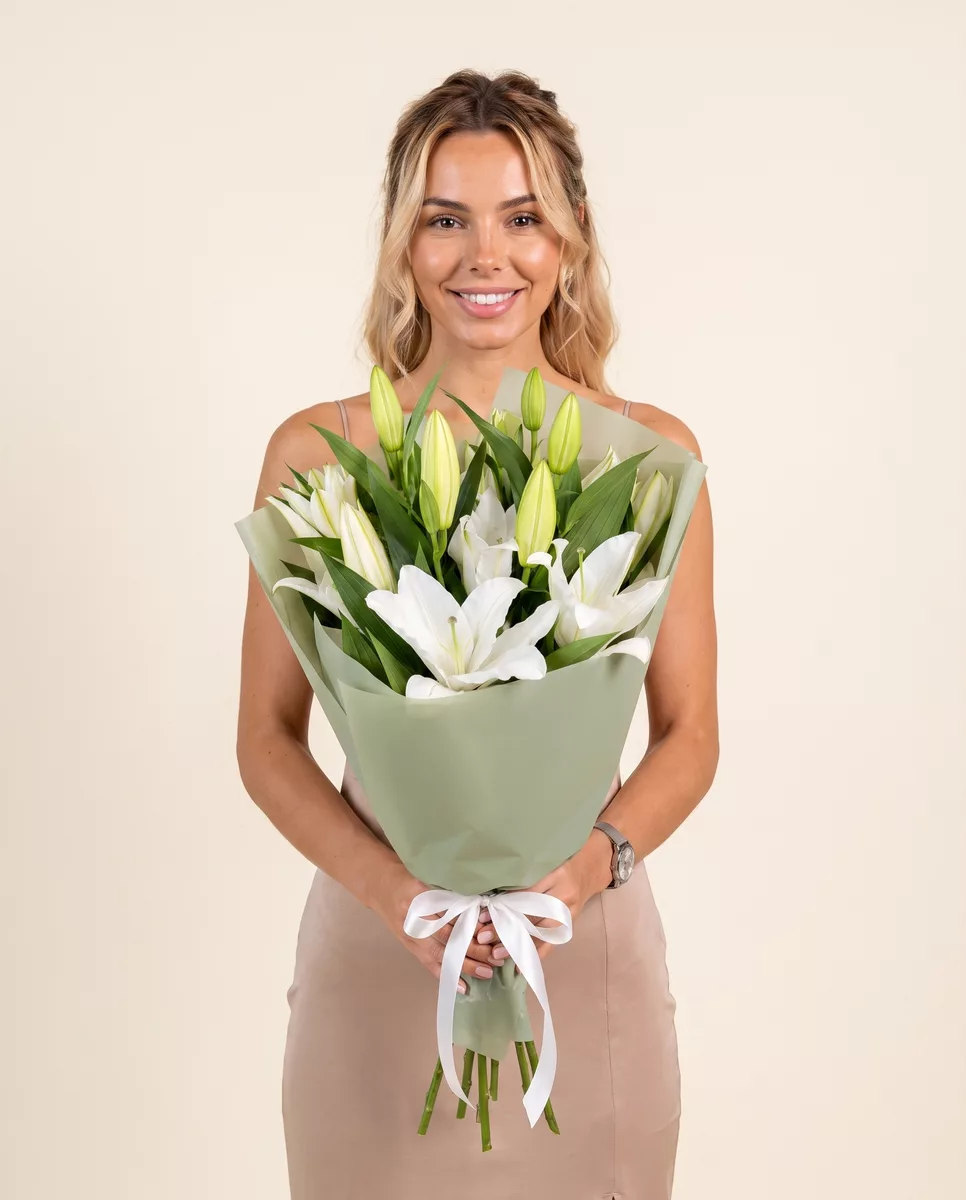
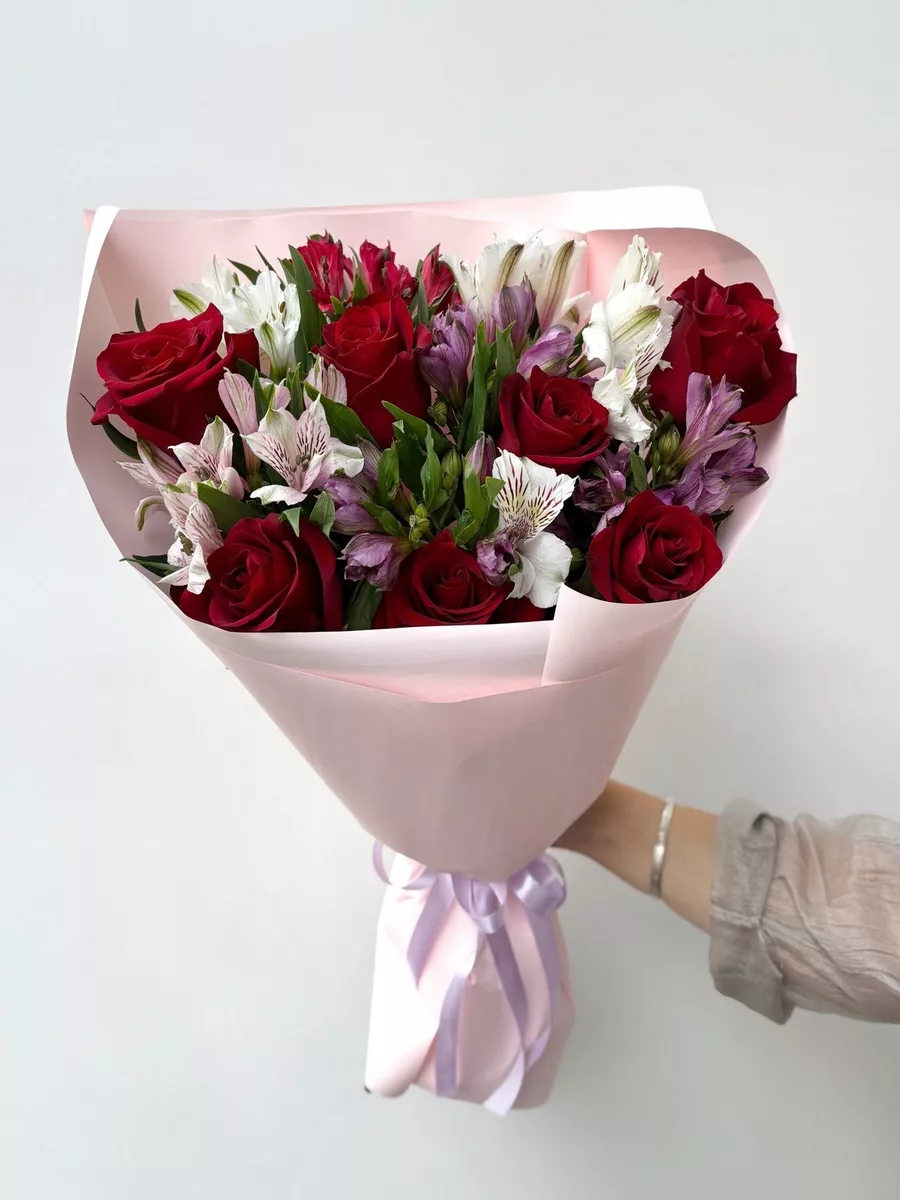
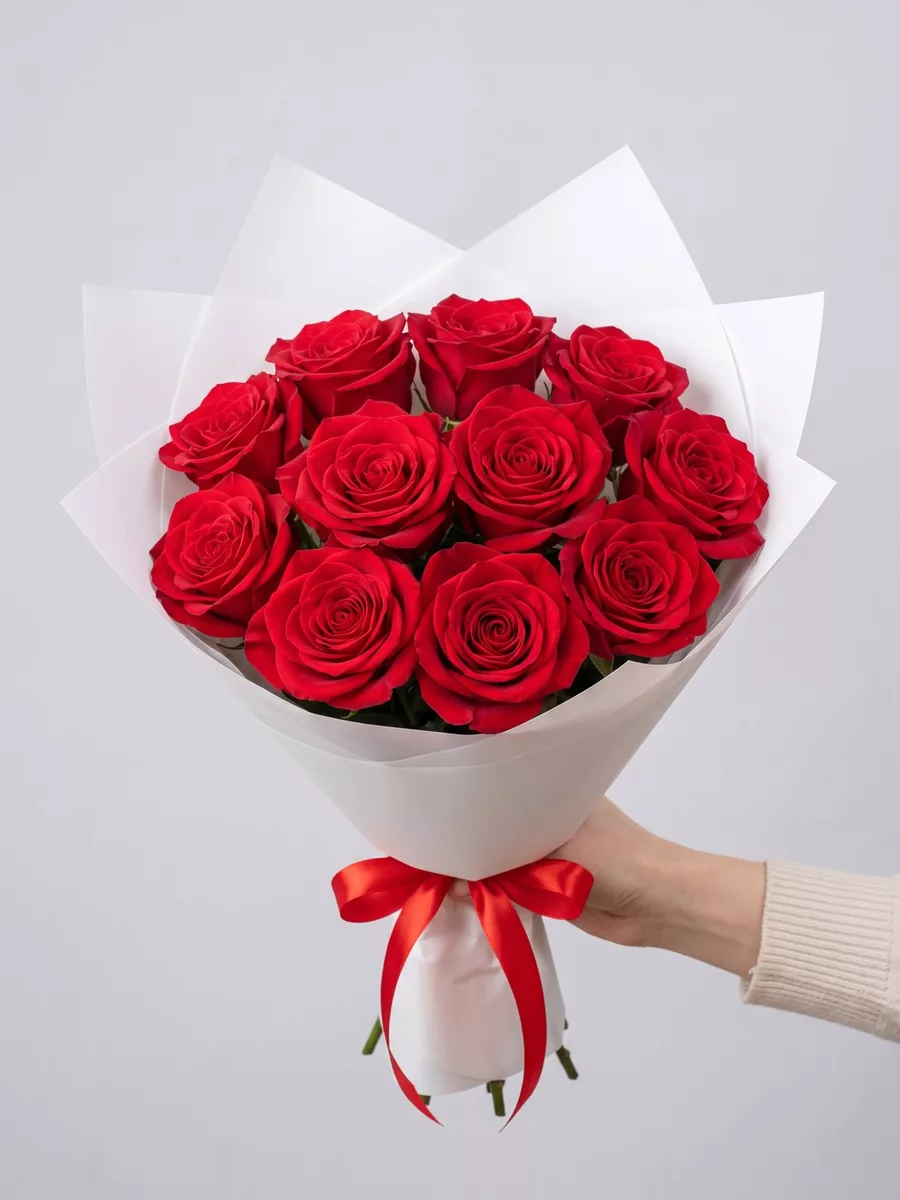
Bouquets we can deliver

Delivery Timing: What One to Two Hours Actually Means
The one-to-two-hour window is a real operational target, not a marketing phrase, but it starts from when the order is confirmed and assembled, not from when payment is made. For Kanash, the courier departs once the bouquet is prepared and packed, and travel time within the city itself is short given its size — the city centre to most residential addresses takes under thirty minutes by road. The window becomes relevant during peak periods: the days around 8 March, Valentine's Day on 14 February, and 1 September when schoolchildren traditionally receive flowers. On those dates, order volume increases sharply and assembly time stretches. Placing an order the evening before a major date, rather than the morning of, is the most reliable way to secure a specific delivery slot. Outside peak periods, same-day delivery for orders placed before early afternoon is standard. Orders placed after 18:00 local time are typically scheduled for the following morning, and being clear about this at the point of order prevents the frustration of expecting an evening delivery that was never confirmed. The courier will call the recipient before arriving, which is standard practice across Russia — it is not unusual or intrusive, and it gives the recipient time to come to the door or gate. If the recipient cannot answer the phone, the driver will wait a reasonable time and then contact the sender. Flowers are never left unattended outside a door or gate.
Which Flowers Hold Up Best on the Journey to Kanash
Not every variety that looks beautiful in the shop window is the right choice for a delivery that involves distance and seasonal temperature swings. Roses are the most ordered flower to Kanash, and they travel well when properly conditioned — stems cut at an angle, hydrated, and packed in water-retaining wrapping. Dutch roses, which make up the bulk of what arrives in Russian flower shops, are bred partly for transport resilience, and a fresh stem will hold its form for five to seven days after delivery if the recipient keeps it in a clean vase with water changed every two days. Chrysanthemums are an excellent choice for Kanash deliveries in autumn and winter because they are cold-tolerant and long-lasting. Alstroemeria holds up well in warm weather because it does not wilt as quickly as, say, ranunculus or anemone. Tulips are popular in spring but require careful handling — they continue to grow after cutting and can shift position inside a bouquet during transport, so they are better ordered as a mono-bouquet rather than mixed with heavy-headed flowers. Peonies are a summer staple and their dense petals protect them during transit, but they are only available from May through July and should not be ordered out of season. Eustoma, also called lisianthus, is an underused option that looks delicate but actually survives transport very well and adds volume to a bouquet without adding weight. Hydrangeas are fragile in heat above 20 degrees and are better ordered in cooler months.
Seasonal Temperatures in Kanash and How They Affect Your Order
Kanash experiences a continental climate with cold winters and warm summers, and this directly affects how flowers are packed and how quickly they should be placed in water after delivery. In January and February, outdoor temperatures regularly drop below minus fifteen degrees Celsius, and flowers must be wrapped in insulating paper and sometimes placed in thermal packaging for even a short outdoor journey. Exposed petals at those temperatures can bruise within minutes — roses develop dark edges, tulips go translucent at the tips. When ordering in winter, mention that the recipient may be at work or away from home for part of the day, so the courier can time the call and arrival to avoid the bouquet sitting in cold air. Summer in Kanash brings temperatures above thirty degrees in July and August, which creates the opposite problem: flowers dehydrate faster and petals can wilt if left in a warm car or in direct sunlight after delivery. For summer orders, varieties with high water content like hydrangeas are riskier, while roses, carnations and alstroemeria are more forgiving. Spring and autumn are the most comfortable seasons for flower delivery in terms of temperature management — the range between five and eighteen degrees is close to ideal for most cut flowers. If you are ordering for an outdoor event or a garden party in summer, communicate this clearly so the bouquet can be packed to withstand heat rather than optimised purely for appearance.
How to Write a Delivery Address Correctly for Kanash
Address errors are the leading cause of delayed deliveries in any Russian city, and Kanash is no exception. The correct format for a Russian address runs from the largest unit to the smallest: city, street name, building number, block or corpus number if applicable, flat or office number, and floor. In Kanash, some streets have names that reference Soviet-era figures or events, and these are often abbreviated differently on maps versus how residents say them — writing the full official name rather than a colloquial shorthand avoids confusion. Building numbers in Russia can include letters, such as 12A or 45B, and these letters are significant — skipping them can send a courier to an entirely different building on the same street. If the recipient lives in a private house with a yard, note whether the gate is locked and whether there is an intercom or bell. For apartment buildings, the entrance number is critical in Kanash's older residential blocks, which sometimes have four or five separate entrances each with its own stairwell. The entrance number is usually marked above the door but is easy to miss in poor light. If you are ordering as a gift and the recipient does not know the flowers are coming, do not mark the order as a surprise and then leave the phone number field empty — the courier still needs to reach someone to complete the delivery. A note in the comments field explaining the situation allows the driver to handle the handover discreetly without spoiling the surprise entirely.
Bouquet Sizes, Stem Counts and What Is Realistic for Kanash
A common misunderstanding when ordering online is equating price with size in a straightforward way. Stem count matters, but so does the variety, the size of individual blooms, and the greenery used to fill the bouquet. A bouquet of fifteen large-headed peonies is visually very different from fifteen spray roses, even though both have fifteen stems. When ordering for Kanash, the most popular formats are single-variety bouquets of roses in counts of eleven, fifteen, nineteen or twenty-five stems — odd numbers are traditional in Russia for celebratory occasions, while even numbers are associated with mourning and should be avoided for birthdays, anniversaries and professional milestones. This is one of the customs that surprises customers unfamiliar with Russian traditions, and it is worth knowing before placing the order. Mixed bouquets combining roses with eustoma, matthiola or eucalyptus branches are popular year-round and photograph well, which matters when the gift is partly about the image the recipient shares. Mono-bouquets of white or cream chrysanthemums are a solid choice for professional occasions — a colleague's work anniversary or a teacher's recognition gift — because they are elegant without being overly romantic. For a child's celebration or a school event, sunflowers in a small arrangement or a bouquet of brightly coloured gerberas in five to seven stems are well-suited and easy to carry. Gerberas are robust travellers and their stems are sturdy enough to survive being held by an excited child without collapsing immediately.
What to Check Before Confirming Your Order
Before clicking confirm, run through five items. First, verify the recipient's phone number is correct and active — a digit transposed in a mobile number is the fastest way to create a failed delivery. Second, confirm the delivery date and time window matches what you actually need, not just what the default selection shows. Third, read the address back to yourself as if you are a driver who has never been to Kanash — if anything is ambiguous, add a clarifying note in the comments field. Fourth, check whether the recipient will be home or reachable during the delivery window; if they are at work, provide the work address or a colleague's number. Fifth, if the bouquet is a surprise, specify this in the comments and decide in advance whether you want the card message read aloud or simply handed over with the flowers. The card message itself is worth spending thirty seconds on — vague messages like 'with love' are fine, but including the sender's name removes any awkward moment where the recipient genuinely cannot identify who sent the flowers. In Russia it is common for the card to be brief and handwritten by the florist from your typed text, so keep the message under fifty words for the cleanest result. Finally, if the occasion is time-sensitive — a birthday dinner that starts at a specific hour, for example — state the hard deadline in the order notes rather than assuming the standard window will align with it automatically.
Flower delivery to Kanash works reliably when the order is built on accurate information rather than assumptions. The city's size is an advantage — once a courier is on the road, distances inside Kanash are short. The variables that cause problems are almost always on the input side: an incomplete address, an unreachable phone number, a same-day order on a peak date, or a seasonal variety chosen without thinking about the temperature outside. Choosing varieties that suit the weather, using correct stem counts for the occasion, and giving the courier everything needed to complete the handover turns a straightforward transaction into something the recipient actually remembers. We deliver bouquets across Russia in 1–2 hours.
Frequently asked questions
Can I order flowers to Kanash on the same day?
Yes, same-day delivery to Kanash is available for orders confirmed before early afternoon. On major dates like 8 March or 14 February, same-day slots fill quickly, so ordering the evening before is the safer approach. The courier calls the recipient before arrival, so the flowers reach the right person at the right moment.
Why do bouquets in Russia use odd numbers of stems?
In Russian tradition, even numbers of flowers are associated with mourning and are brought to funerals. For any celebratory occasion — a birthday, anniversary, graduation or professional achievement — odd numbers are the correct choice. Common counts are eleven, fifteen, nineteen and twenty-five. If you are unsure, ask when placing the order and the florist will advise.
What happens if the recipient is not home when the courier arrives in Kanash?
The courier calls ahead before arriving, giving the recipient time to prepare. If there is no answer, the driver waits a reasonable period and then contacts the sender for instructions. Flowers are never left unattended outside a door. To avoid this situation, provide a work address or a trusted neighbour's contact as a backup when placing the order.
Which flowers are best to avoid ordering in Kanash during winter?
Hydrangeas and anemones are sensitive to temperatures below zero and can bruise or wilt quickly in Kanash's winter conditions. Roses, chrysanthemums and carnations are much better suited to cold-weather delivery because they tolerate brief exposure to low temperatures without visible damage, especially when packed correctly in insulating paper.
Can I include a card message with the delivery?
Yes, a handwritten card is included with every order. Type your message during checkout and the florist writes it by hand before the bouquet is packed. Keep the message under fifty words for the neatest result, and always include the sender's name so the recipient knows immediately who sent the flowers, especially if it is a surprise.
Ready to send a bouquet?
Pick a city, choose the flowers, and we will hand them over with a photo confirmation.
Choose a city →