
Flower Delivery in Kirensk: Zones, Timing and Prices
Kirensk sits deep in the Irkutsk region, roughly 650 kilometres north of Irkutsk city, on the bank of the Lena River. People who call us about sending flowers there often assume the distance makes it impossible or that only a handful of stems will survive the trip. That assumption is wrong, but the logistics do require more planning than a standard city delivery, and knowing what to prepare for will save you from disappointment on the day that matters.
Where in Kirensk We Deliver and How the Zone Is Defined
Kirensk is a small town with a population under fifteen thousand, and its address grid is compact enough that most residential streets, the central market area and the hospital district all fall within a single delivery zone. The town centre, streets running along the Lena embankment and the main residential blocks on the northern side are all reachable. Industrial outskirts and settlements on the far bank of the river require individual confirmation at the time of ordering, because road access can change seasonally, particularly during spring ice break-up on the Lena when ferry crossings replace road links. When you place an order, the operator will ask for the exact street name and building number, not just a district name. Kirensk uses a straightforward numbering system, but some older residential areas have duplicate house numbers with letter suffixes, so always include the full postal address. If you are sending flowers to a workplace such as a school, medical facility or administrative office, add the recipient's full name and a contact phone number, because building receptionists in smaller Siberian towns are not always expecting deliveries and may redirect the courier without notifying the recipient. Providing a mobile number for the recipient is not optional here — it is the practical step that prevents a missed delivery. The delivery zone confirmation takes about five minutes over the phone or via the website form, and our operators are familiar with Kirensk's layout from previous orders.
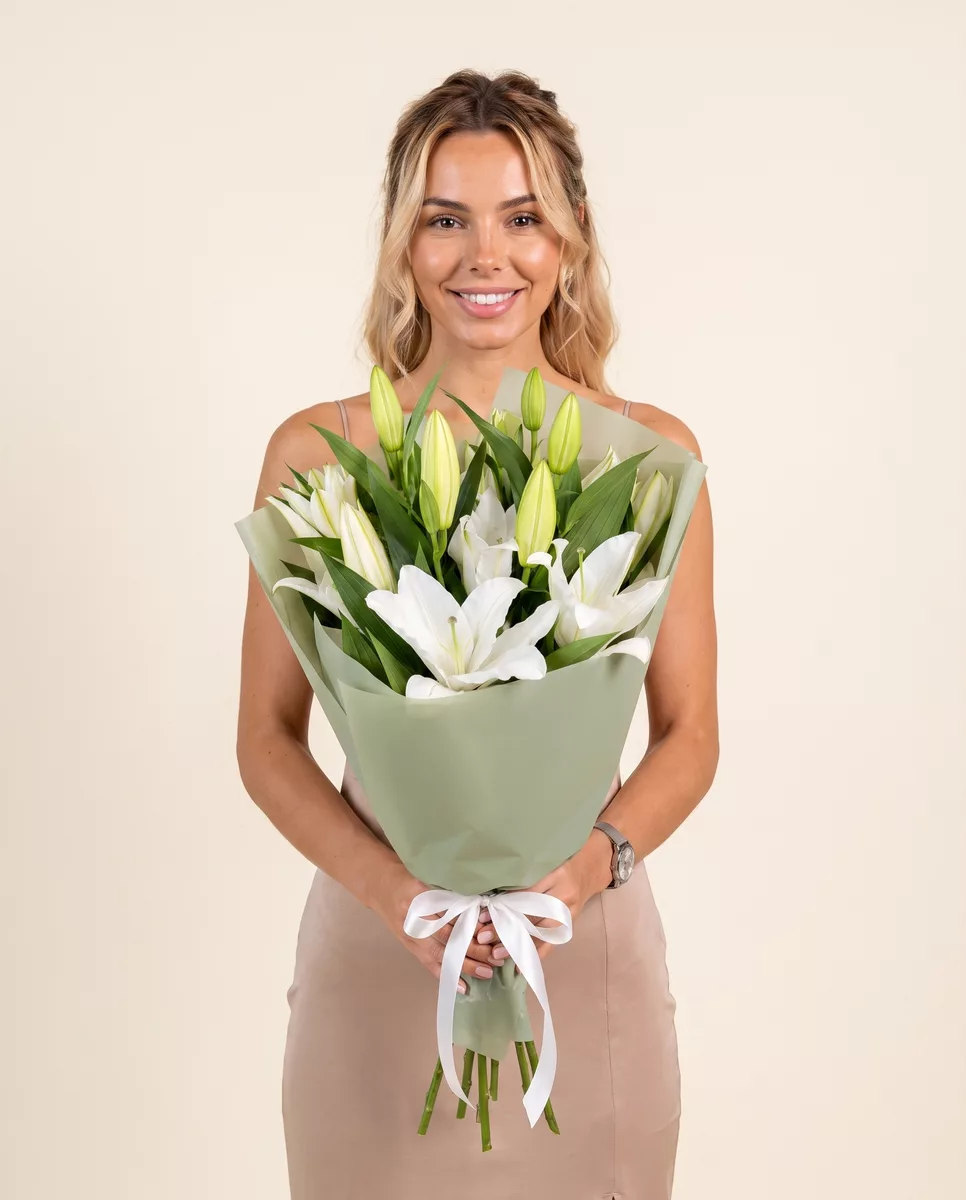
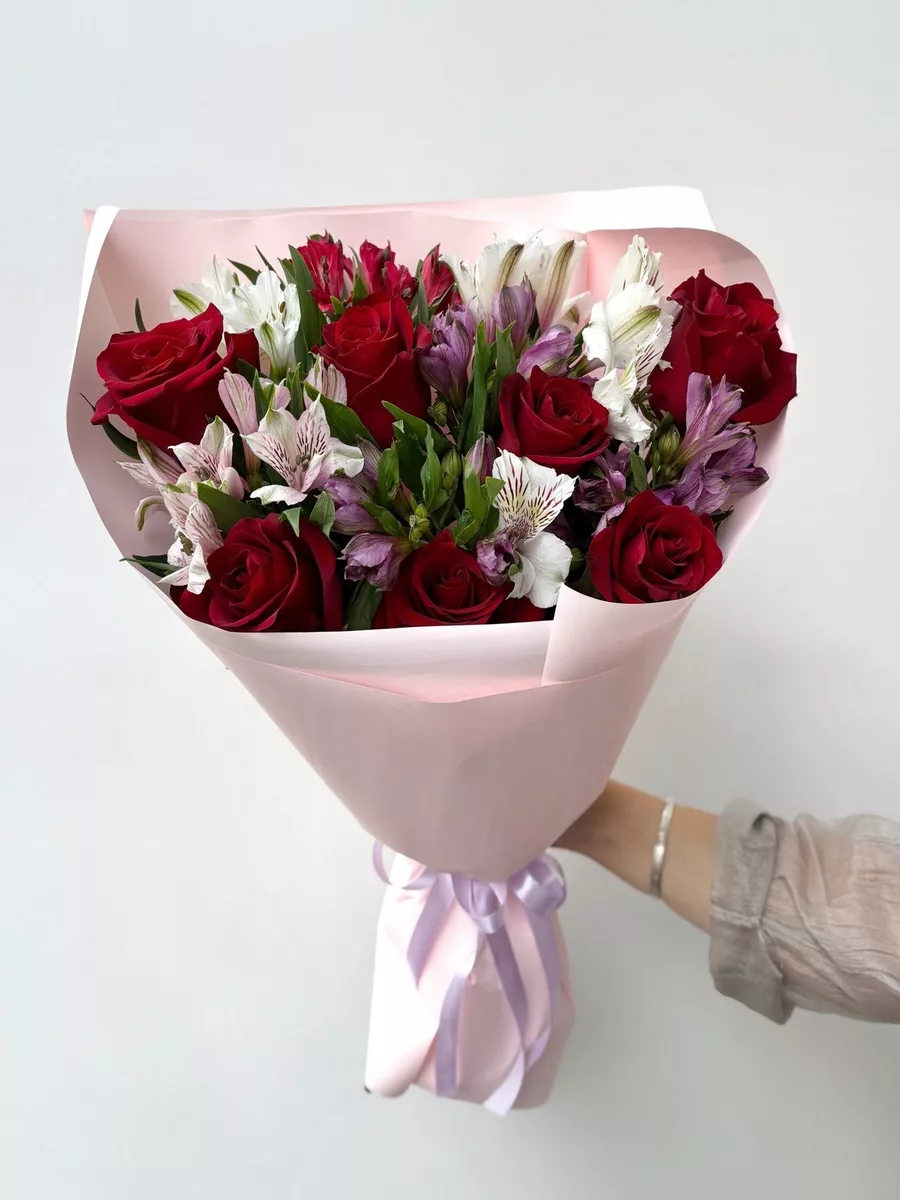
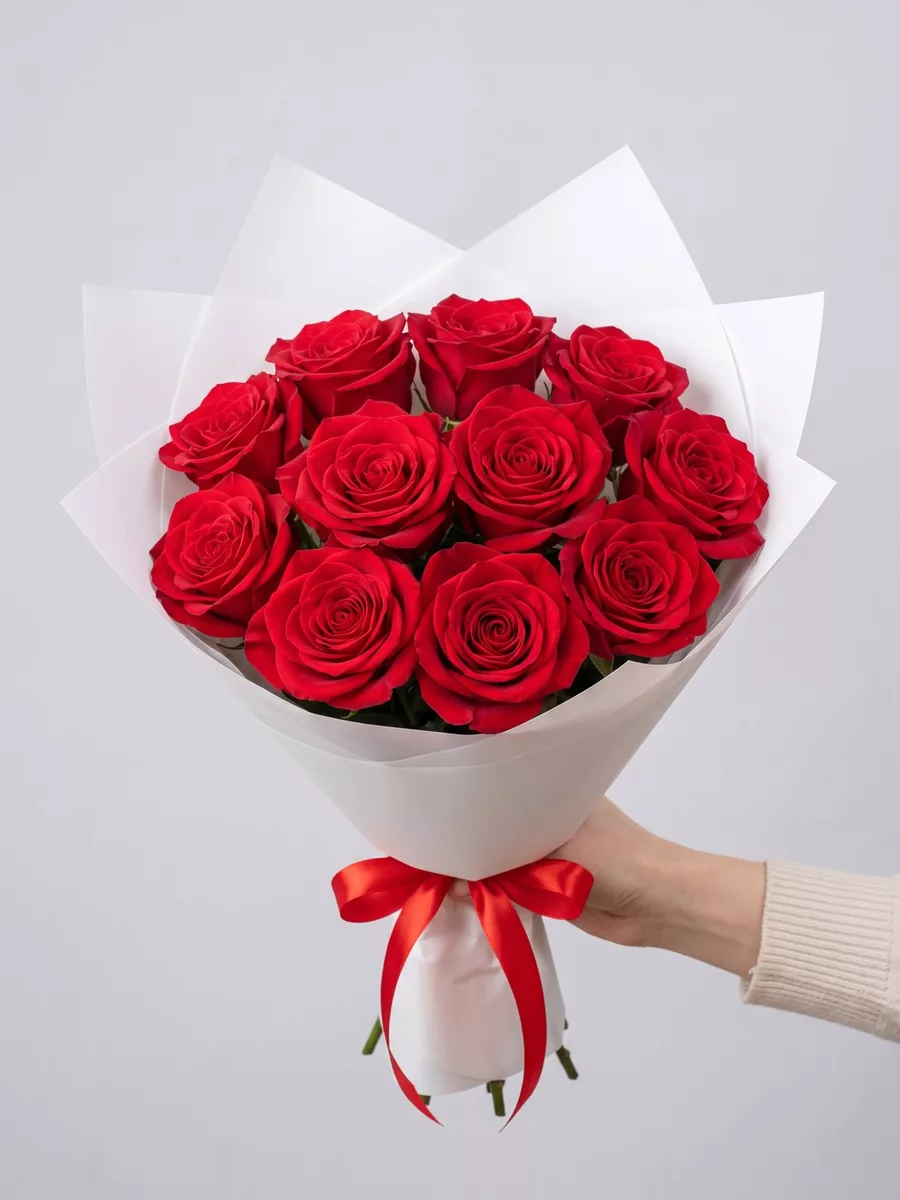
Bouquets we can deliver

Realistic Timing: What 1–2 Hours Means for Kirensk
Our standard promise of delivery within one to two hours applies to Saint Petersburg and nearby cities where we hold stock and operate our own couriers on short loops. For Kirensk, the honest answer is different, and we say so plainly rather than hide it in small print. Because Kirensk is a remote destination in eastern Siberia, orders are fulfilled through a scheduled same-day or next-day dispatch model depending on when you place the order and what transport link is available on that date. The Kirensk airport has limited scheduled service, and road freight from Irkutsk takes considerably longer than air freight. Orders placed before noon Moscow time on a weekday have the best chance of same-day processing, while orders placed in the afternoon are typically confirmed for the following morning. We will always give you a confirmed delivery window — a specific date and a morning or afternoon slot — rather than a vague estimate. If you are planning a birthday delivery, an anniversary or any date-specific occasion, place the order at least two days in advance. One day is sometimes workable, but two days removes the risk entirely. Customers who have tried to order the evening before a celebration and then called us in a panic are a regular occurrence, and we cannot always accommodate last-minute requests to Kirensk the way we can to central Saint Petersburg. The rule is simple: the further the destination, the earlier you should order.
Which Flowers Travel Best to Kirensk
Kirensk has a sharply continental climate. Winters are long and severe, with temperatures regularly dropping below minus thirty Celsius, and summers are short but genuinely warm. This temperature range matters directly for which flowers we recommend sending and which we advise against. Roses are the most requested flower globally, and they do travel well to Kirensk if packed correctly in insulated boxes with moisture-retaining wrapping. We use Dutch-grown roses with a stem length of fifty to sixty centimetres, varieties such as Red Naomi, Avalanche and Explorer, which have dense petals that resist bruising during transport. Alstroemeria is an excellent choice for longer distances because its stems are tough and its flowers do not drop petals easily, even with minor temperature fluctuation. Chrysanthemums, both spray and single-headed, are similarly robust and available year-round. Gerberas are popular but more fragile — they can handle the transit, but they need to go into water within two hours of arrival, so make sure the recipient knows to unwrap and condition them promptly. Tulips are seasonal and arrive well in spring but are not recommended for winter transit to Kirensk because freezing even briefly damages the stems irreparably. Orchid stems in water tubes travel reasonably well for shorter distances but are not our first recommendation for Kirensk in January or February. Lilies travel well but arrive in bud and open over two to three days, which is actually an advantage — the recipient gets a longer display rather than flowers that peak on the day of delivery.
Bouquet Sizes and Compositions That Make Sense for This Route
When ordering for a long-distance delivery to Kirensk, the composition of the bouquet matters more than it does for a local delivery where the florist can hand the stems directly to the recipient. Tight, compact bouquets survive transport better than loose, open arrangements with wide-spread stems. A round bouquet of nineteen or twenty-five roses, spiralled and bound firmly, arrives in better condition than a loosely tied mixed bouquet where individual stems shift during transit. Mixed bouquets are absolutely possible, but the best combinations for this route pair one dominant flower with one or two supporting varieties rather than five or six different species. A bouquet of roses with eucalyptus and wax flower, for example, is a reliable combination — the eucalyptus is almost indestructible, and the wax flower adds texture without adding fragility. Peonies are available in late spring and early summer and are worth ordering if the season is right, because they travel well in bud and open beautifully over forty-eight hours. Avoid ordering open sunflowers for Kirensk transit — they are too large and the petals bruise in the box. Mono-bouquets, meaning a single variety in quantity, are consistently the safest bet for remote destinations. Fifteen or twenty-five alstroemeria stems make a generous, colourful gift that will last eight to ten days in a vase if the recipient cuts the stems on an angle and changes the water every two days. We can include printed care instructions in Russian with every order if you request it.
Packaging for Siberian Temperatures
Packaging is not a decorative afterthought for a Kirensk delivery — it is a functional requirement. In winter months, from November through to late March, all bouquets going to Kirensk are packed in insulated kraft paper with a thermal lining layer, and the outer box is sealed to retain warmth during the final courier leg from the point of receipt to the delivery address. The flowers are never packed in a sealed airtight container because they need to breathe, but the packaging is designed to buffer against rapid temperature change. A rose stem that goes from plus five Celsius inside a refrigerated transport box to minus twenty-five Celsius on an open street in under a minute will suffer cell damage in the outer petals. Our packaging slows that transition enough to protect the flowers. In summer, the concern reverses — Kirensk summers can reach plus thirty Celsius, and flowers left in a warm vehicle deteriorate quickly. Summer orders are packed with a cooling insert for the final delivery leg, and we schedule summer deliveries for morning slots to avoid the hottest part of the afternoon. When you receive flowers in winter, do not bring them directly from a cold car into a heated room and unwrap them immediately. Leave the wrapped bouquet in a cool hallway for fifteen to twenty minutes to acclimatise before opening. This single step prevents the petal blackening that customers sometimes blame on the flowers being old, when the actual cause is thermal shock on unwrapping. We include this instruction in Russian on a card inside every winter delivery.
What to Check When Placing Your Order
Before you confirm an order for Kirensk, run through a short checklist that will prevent the most common problems we see. First, confirm the recipient's address down to the apartment or office number — a building with twenty entrances and no intercom system will defeat a courier who has only a street name. Second, provide a working mobile number for the recipient. In Kirensk, as in most smaller Russian towns, couriers call ahead rather than simply arriving at the door, especially in winter when waiting outdoors is not practical. If the recipient does not answer, the courier will attempt the call twice and then contact you as the sender. Third, decide whether the delivery is a surprise. If it is, we can arrange for the courier to call you rather than the recipient on arrival, but you need to specify this at the time of ordering, not as an afterthought the morning of delivery. Fourth, check the calendar for public holidays. Russia has several extended public holiday periods, most notably the New Year period from late December through the first week of January and the May holidays. Demand spikes sharply during these periods, prices reflect that demand, and delivery slots to remote destinations fill up faster. Order at least three to four days ahead for any major holiday. Fifth, confirm payment before the order is dispatched — we do not dispatch to Kirensk on a pending payment basis because the logistics window is too tight to hold a slot. Card payment or online transfer at the time of ordering is the standard process.
Russian Flower Customs Worth Knowing Before You Order
If you are not familiar with Russian customs around flowers, a few points are worth knowing before you choose your bouquet. Odd numbers of flowers are the convention for celebratory gifts in Russia — bouquets of one, three, five, seven, eleven, fifteen, nineteen or twenty-five stems. Even numbers are associated with mourning occasions and should be avoided for birthdays, anniversaries, professional milestones or any celebratory context. This is not a rigid rule in younger urban circles, but it is widely observed and your recipient in Kirensk will almost certainly notice. When in doubt, choose an odd number. Yellow flowers carry a mixed reputation in Russia — some people associate them with separation or bad luck, while others have no such association and simply enjoy the colour. If you are unsure of the recipient's views, a mixed bouquet where yellow is one colour among several is safer than an all-yellow arrangement. White flowers are widely appreciated and carry no negative association for celebrations. Red roses remain the most universally understood romantic gesture. For professional occasions — a teacher's appreciation, a colleague's promotion, a doctor's recognition — pink or white roses, or a mixed bouquet with chrysanthemums and greenery, are appropriate and well-received. Russians generally appreciate generous bouquets; a small arrangement of five stems can read as token rather than thoughtful. Fifteen to twenty-five stems is a comfortable range for a meaningful gift to Kirensk.
Sending flowers to Kirensk is entirely achievable when the order is placed with enough lead time, the address is complete and the bouquet composition is chosen with the transit route in mind. The flowers that arrive in the best condition are the ones selected for durability as much as beauty — roses, alstroemeria, chrysanthemums and lilies are consistent performers on this route across all seasons. The customers who are happiest with their Kirensk deliveries are the ones who call or message us two or three days before the occasion, confirm the recipient's full address and phone number, and let us advise on the bouquet composition for the time of year. We have sent flowers to far corners of Russia, and Kirensk is a destination we know well enough to get right. We deliver bouquets across Russia in 1–2 hours.
Frequently asked questions
How far in advance should I order flowers for delivery to Kirensk?
Two days before the occasion is the reliable minimum. For major holidays like New Year or International Women's Day on March 8th, three to four days is safer because delivery slots to remote Siberian destinations fill quickly and we cannot guarantee same-day processing for Kirensk the way we can for central Saint Petersburg.
Can flowers survive the Kirensk winter temperatures during delivery?
Yes, with correct packaging. We use insulated kraft boxes with thermal lining for all winter deliveries to Kirensk. The packaging buffers against rapid temperature change during the final courier leg. Recipients should leave the wrapped bouquet in a cool hallway for fifteen minutes before unwrapping to avoid thermal shock, which causes petal blackening.
Why do bouquets in Russia always have an odd number of flowers?
Odd numbers are the Russian convention for celebratory gifts — birthdays, anniversaries, professional occasions. Even numbers are associated with mourning and funerals. Your recipient in Kirensk will almost certainly notice the count, so always choose an odd number: three, five, seven, eleven, fifteen, nineteen or twenty-five stems are all standard.
What happens if the recipient is not home when the courier arrives?
The courier calls the recipient's mobile number before arriving and attempts contact twice on arrival. If there is no answer, we contact you as the sender. This is why a working mobile number for the recipient is required at the time of ordering, not optional. For surprise deliveries, we can call you instead of the recipient — specify this when ordering.
Are there flowers I should avoid sending to Kirensk in winter?
Tulips are not recommended for winter transit to Kirensk — brief freezing damages the stems irreparably and they will not recover in the vase. Open sunflowers are too fragile for the journey in any season. Gerberas can travel but must go into water within two hours of arrival. Roses, alstroemeria, chrysanthemums and lilies are the most reliable choices year-round.
Ready to send a bouquet?
Pick a city, choose the flowers, and we will hand them over with a photo confirmation.
Choose a city →