
Flower Delivery in Kirovgrad: Zones, Timing and What to Expect
Customers ordering flowers to Kirovgrad for the first time usually ask the same question: will they arrive fresh, and will they look the way they did in the photo? The answer depends less on luck and more on a few practical details — which zone the address falls in, what varieties are in the bouquet, and how the order is timed relative to the delivery window. This article covers all of that plainly, so you know exactly what you are getting before you confirm the order.
Where Kirovgrad Sits in Our Delivery Map
Kirovgrad is a small city in Sverdlovsk Oblast, located roughly 80 kilometres north of Yekaterinburg. When customers in Saint Petersburg order flowers there, the bouquet travels a significant distance, which places Kirovgrad in an extended delivery zone rather than a same-day metropolitan zone. That distinction matters practically: the delivery window is measured in hours from dispatch, not from the moment you click confirm, and the route is planned around available courier schedules heading into that part of the Urals. Addresses inside Kirovgrad's central districts are served as a standard delivery point within that zone. Outlying streets near the industrial edges of the city or addresses without a clear building number sometimes require confirmation by phone before dispatch — our team calls the recipient or the sender to verify the exact drop-off point. It is worth knowing that Kirovgrad does not have the same address density as a large city, so specifying the entrance number, floor and any access code for the building is more important here than in a city like Moscow or Saint Petersburg itself. A missing entrance code can delay the handover by twenty to thirty minutes while the courier waits for the recipient to come down, and in summer heat or winter frost that extra time affects the flowers directly. When you fill in the delivery form, treat the address fields as the most critical part of the order, not an afterthought.
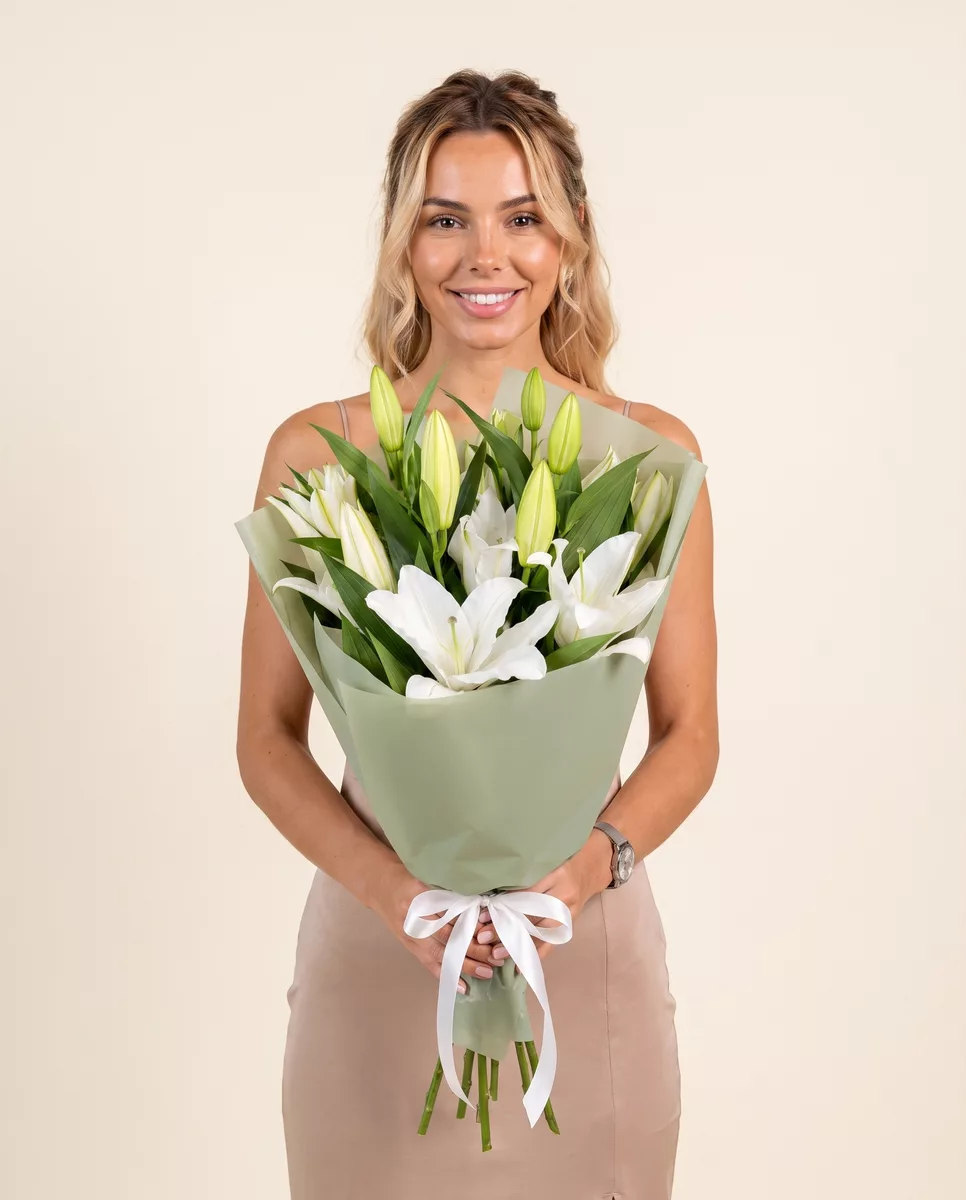
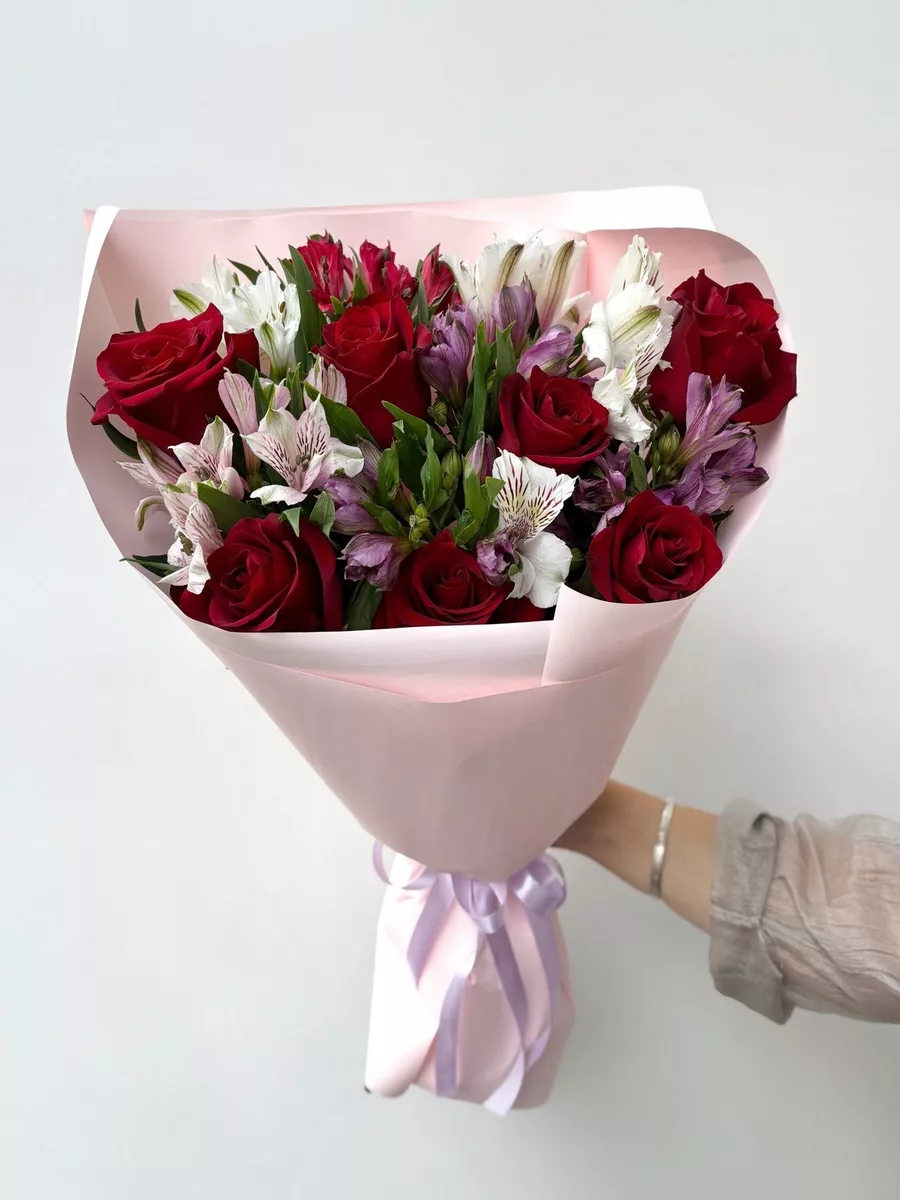
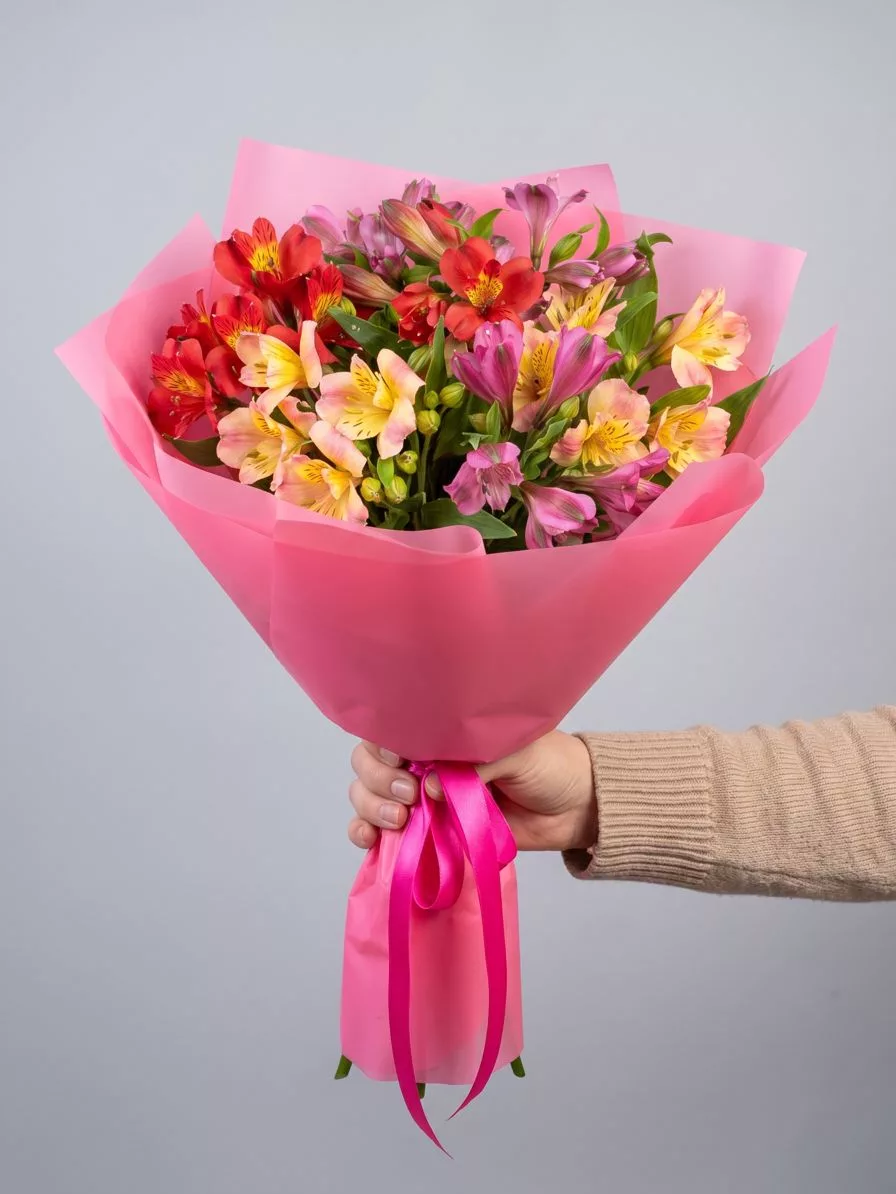
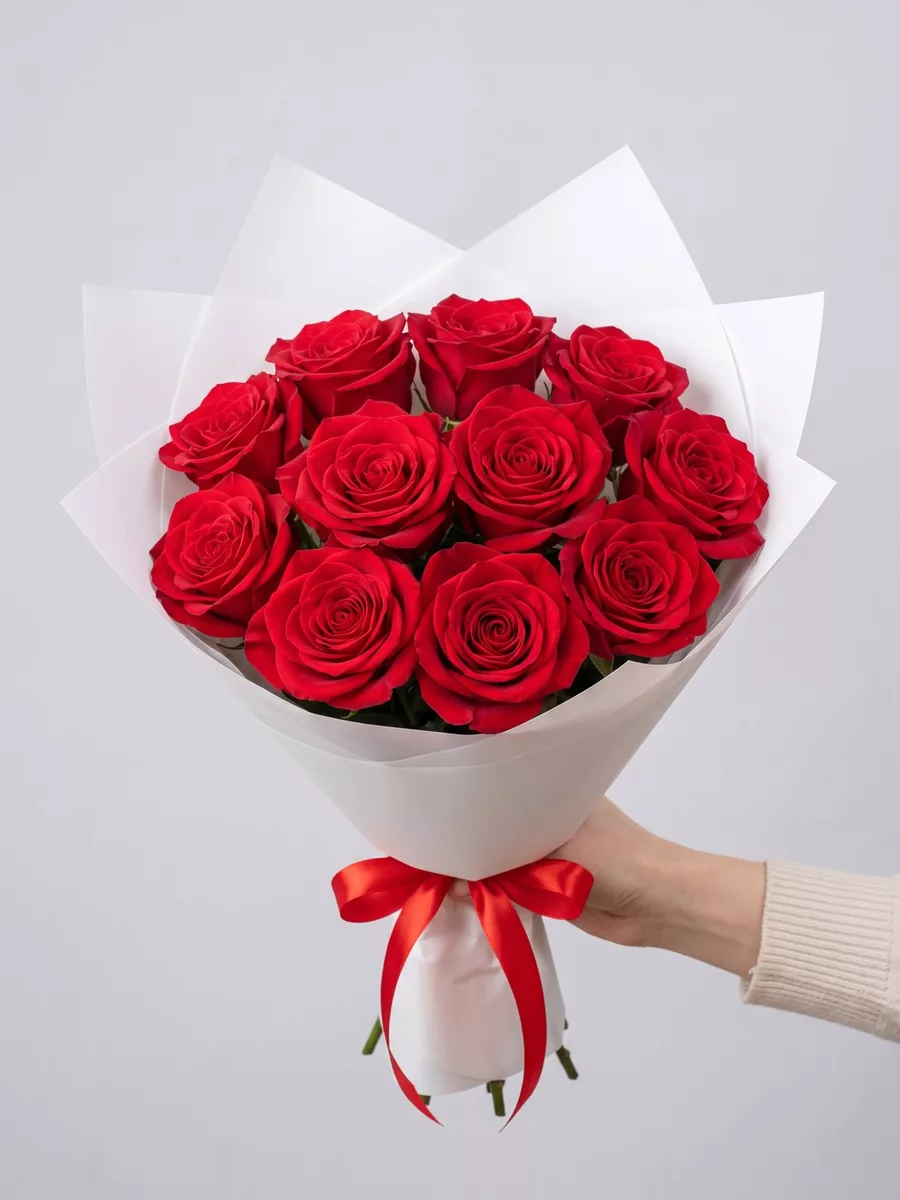
Bouquets we can deliver
Delivery Timing: What the Windows Actually Mean
The delivery window listed at checkout is the span of time during which the courier aims to arrive at the address. For Kirovgrad, the standard windows are typically two-hour slots — for example, 14:00 to 16:00 — and the courier works to land inside that slot, not necessarily at the opening minute. Customers sometimes expect the flowers to arrive at exactly the start of the window, which leads to unnecessary anxiety. In practice, the courier contacts the recipient roughly thirty minutes before arrival, so the person does not need to stand by the door for the entire two hours. If the recipient is not reachable by phone, the courier waits a short time and then follows the instructions left in the order — leave with a neighbour, leave at the door, or return the bouquet. Returning a bouquet is rare and avoidable: simply make sure the recipient's phone number is current and that they know a delivery is coming, even if the specific occasion is meant to be a surprise. For surprise deliveries, you can note in the order comments that the recipient should not be told what is inside, only that a parcel is arriving. Timing also interacts with the day of the week. Weekday afternoon slots in Kirovgrad tend to have more courier availability than early morning Saturday slots, so if you have flexibility, a Tuesday or Wednesday afternoon order is statistically more likely to land precisely on time. Ordering at least a day in advance for Kirovgrad addresses gives the logistics team room to route efficiently.
Which Bouquets Travel Well on This Route
Not every flower in our catalogue is equally suited to a long delivery route. Roses, spray roses and chrysanthemums are the most reliable travellers — they are cut at a stage that allows them to open gradually over one to two days after arrival, and they hold their shape well in the insulated packaging used for extended routes. Alstroemeria is another solid choice: the buds are firm, the stems are sturdy, and the variety tolerates temperature variation better than more delicate options. Customers who want something less conventional often ask about ranunculus or anemones, both of which are beautiful but significantly more fragile. These varieties have thin petals and soft stems that bruise during transit if the packaging shifts even slightly, so we recommend them only when the delivery window is short and conditions are controlled. Tulips are a seasonal question: in spring they travel well because ambient temperatures are moderate, but in high summer or deep winter they need careful handling and may arrive slightly wilted before recovering in water. Hydrangeas are popular in bouquets photographed for social media, but they are thirsty flowers — they begin to droop within a few hours without water, which makes them a moderate risk on a longer route. If you have your heart set on hydrangeas for a Kirovgrad delivery, order them for a morning slot so they spend less time in transit during the warmest part of the day. Seasonal availability also shifts monthly, and our team can advise on what is at peak quality when you order.
Temperature and Packaging on Long Routes
Temperature is the single factor customers think about least and florists think about most. Flowers are living tissue, and the difference between a bouquet that arrives crisp and one that arrives limp is often ten degrees of ambient temperature over two hours. For deliveries to Kirovgrad, bouquets are packed in insulated kraft sleeves with a water-retaining base for stems that need hydration during transit. In winter, when Sverdlovsk Oblast regularly sees temperatures below minus fifteen Celsius, the outer packaging includes an additional thermal layer to prevent freeze damage to petals. Roses and chrysanthemums can tolerate brief exposure to cold, but their petals will blacken if they freeze, and a frozen bouquet cannot be restored. In summer, the risk runs the other way: direct sun through a vehicle window raises the interior temperature dramatically, and flowers in a hot car for forty minutes suffer the same damage as flowers left on a radiator. Our couriers are instructed to keep bouquets away from direct sun and to use climate-controlled vehicles where available on longer routes. Customers can help by making sure someone is home to receive the bouquet promptly — a bouquet left in a hallway or on a doorstep in July heat loses quality fast. After delivery, the recipient should cut the stems at a diagonal, remove any leaves that would sit below the waterline, and place the bouquet in a clean vase with fresh, cool water. These three steps add two to three days to the display life of almost any arrangement. Tap water in Kirovgrad is generally fine for flowers; no additives are necessary.
Occasions and Customs Worth Knowing
If you are ordering from outside Russia, a few local customs are worth understanding so the bouquet lands well socially. In Russia, flower counts carry meaning: an even number of flowers is traditionally associated with mourning, so bouquets given as gifts always contain an odd number of stems — three, five, seven, eleven, and so on. Our bouquets are assembled with this in mind by default, but if you are building a custom order and specifying a stem count, keep it odd. Red roses are the most universally understood romantic gesture in Russian culture, but they are not the only option — white or cream roses read as elegant and suitable for a wide range of occasions from birthdays to congratulations. Yellow flowers have a complicated reputation in Russian popular belief: some people associate them with separation or bad luck, while younger generations largely ignore this entirely. If you are unsure about the recipient's views, choosing a mixed bouquet with yellow as an accent rather than the dominant colour is a safe middle path. March 8th, International Women's Day, is the single busiest flower-giving day in Russia — far busier than Valentine's Day — and demand in Kirovgrad, as everywhere in the country, spikes sharply in the days around it. Ordering three to four days in advance for that date is not excessive; it is simply practical. New Year and birthdays are the next most common occasions for flower deliveries, and same-day orders for those dates are possible but benefit from being placed before noon.
What to Check Before You Confirm the Order
A significant share of delivery problems in Kirovgrad — and in any smaller city — trace back to the order form rather than the logistics. Before you hit confirm, run through this short checklist. First, verify the recipient's phone number digit by digit: a transposed number means the courier cannot reach them, and the delivery fails through no fault of the route. Second, write out the full address including the apartment or office number, the entrance number if the building has more than one, and any door code. Buildings in Russian cities, including those in Kirovgrad, often have a keypad lock on the main entrance, and without the code the courier cannot get to the door. Third, choose a delivery window that matches the recipient's actual schedule — ordering for 10:00 to 12:00 when the person works until 18:00 means the bouquet either waits in an unheated hallway or gets returned. Fourth, if the bouquet is a surprise, note this in the comments and specify how much to reveal when calling ahead. Fifth, double-check the occasion date: customers occasionally order for the wrong day when working across time zones, and Kirovgrad is two hours ahead of Moscow time, which is five hours ahead of Saint Petersburg's local clock when ordering from abroad. Finally, read the composition listed in the order to confirm the varieties match what you want — if the listing says spray roses and you wanted garden roses, that is the moment to change it, not after dispatch. A one-minute review of the order form prevents the majority of issues we see.
After Delivery: Keeping the Flowers Fresh Longer
The delivery is the beginning of the bouquet's life in the recipient's home, not the end of the florist's responsibility. Flowers that are cared for correctly after arrival last noticeably longer, and customers who know the basics get significantly more value from every order. The first step is immediate: as soon as the bouquet arrives, the stems should be re-cut under running water or submerged in water while cutting. This prevents an air bubble from forming at the base of the stem, which would block water uptake. A diagonal cut increases the surface area for absorption. Remove any foliage that falls below the waterline in the vase — wet leaves rot quickly and contaminate the water with bacteria that shorten the life of every stem in the arrangement. Change the vase water every day or every second day, and rinse the vase itself when you do. Keep the bouquet away from direct sunlight, heating radiators, and bowls of fruit — ripening fruit releases ethylene gas, which accelerates the ageing of flower petals. A cool room at night extends vase life considerably; many florists keep display flowers in a refrigerator overnight for exactly this reason. For roses specifically, if the outer petals begin to curl or brown at the edges, removing those guard petals reveals the fresher layers beneath and extends the presentable life of the bloom by another day or two. Chrysanthemums and alstroemeria are the longest-lasting cut flowers in typical home conditions, often staying fresh for ten days to two weeks with basic care. Tulips tend to keep growing after cutting and will lean toward any light source in the room, which some people find charming and others find untidy — rotating the vase daily keeps them upright.
Ordering flowers to Kirovgrad is straightforward when you understand the practical details: the delivery zone, the timing windows, which varieties hold up over distance, and how to fill in the order form completely. The distance from Saint Petersburg to Kirovgrad is real, but it is a manageable logistics question rather than an obstacle. Bouquets of roses, chrysanthemums, alstroemeria and spray roses make the journey reliably and arrive in good condition when the address is complete and someone is available to receive them. The recipient's care in the first hour after delivery — fresh water, a diagonal cut, a spot away from heat and sun — does as much for the bouquet's longevity as anything that happens before the door opens. We deliver bouquets across Russia in 1–2 hours.
Frequently asked questions
Can I order flowers to Kirovgrad for same-day delivery?
Same-day delivery to Kirovgrad is possible when the order is placed before noon and a suitable courier slot is available for that day. Because Kirovgrad is in an extended delivery zone, earlier orders give the logistics team more room to confirm the route. For guaranteed timing, ordering the day before is more reliable, especially around major dates like March 8th or New Year.
What happens if the recipient is not home when the courier arrives?
The courier calls the recipient approximately thirty minutes before arrival. If there is no answer at the door, the courier waits briefly and then follows the instructions in the order — such as leaving the bouquet with a neighbour or at a reception desk. To avoid any issue, make sure the recipient's phone number is correct and that they are aware a delivery is coming, even if the contents are a surprise.
Are there flowers I should avoid ordering for a long-distance delivery to Kirovgrad?
Ranunculus, anemones and open hydrangeas are the most fragile options and carry higher risk on longer routes. Roses, chrysanthemums, spray roses and alstroemeria travel significantly better. Tulips are reliable in spring and autumn but need careful handling in summer heat or winter frost. If you are uncertain, our team can recommend what is at peak quality and best suited to the current season and route conditions.
Why do Russian bouquets always have an odd number of flowers?
In Russian tradition, an even number of flowers is associated with mourning and is brought to funerals rather than given as gifts. An odd number — three, five, seven, eleven, and so on — signals celebration and goodwill. All our standard bouquets follow this convention automatically. If you are specifying a custom stem count, keep it odd to ensure the bouquet reads as a gift in the local cultural context.
How do I make sure the bouquet stays fresh after it is delivered?
Re-cut the stems diagonally as soon as the bouquet arrives, ideally under running water, then place them in a clean vase with cool fresh water. Remove any leaves sitting below the waterline. Keep the bouquet away from direct sun, radiators and fruit bowls. Change the water daily. For roses, removing browning outer petals reveals fresher layers beneath. These steps can add two to four days to the display life of most bouquets.
Ready to send a bouquet?
Pick a city, choose the flowers, and we will hand them over with a photo confirmation.
Choose a city →