
Flower Delivery in Ob: Zones, Timing and Prices
Ob is a small city that sits right against the boundary of Novosibirsk, and that geography shapes everything about how a flower order arrives there. Customers call us asking why their roses took longer than expected, or why the bouquet they ordered for a morning birthday landed at noon. The answers are almost always the same: zone boundaries, road routing and what the flowers themselves can handle in transit. This article lays out the practical reality so your next order lands on time and in good shape.
Where Ob Sits and Why It Matters for Delivery
Ob is an independent city administratively, but it borders Novosibirsk so closely that most people outside the region assume it is simply a district of the larger city. That assumption causes real problems when placing a flower order, because delivery zones are drawn on administrative boundaries, not on how the streets look from the ground. The road connection between central Novosibirsk and Ob runs through a handful of junctions near the airport, and traffic there behaves unpredictably at peak hours. Morning rush between seven and nine, and evening congestion between five and seven, can add thirty to fifty minutes to a courier route that looks short on a map. When you place an order, specifying the full postal address including the city name Ob rather than assuming it falls under Novosibirsk speeds up zone confirmation and prevents the order from being routed incorrectly. Ob's residential districts are concentrated near Koltsovo and along the road toward the airport, so the courier's actual path depends heavily on which part of the city the recipient lives in. Northern addresses close to the runway buffer zone add distance that the map does not make obvious. Confirming the district or landmark nearest to the delivery address when you order is not bureaucratic detail — it directly determines whether the bouquet arrives in the one-to-two-hour window or slips toward the outer edge of that range.
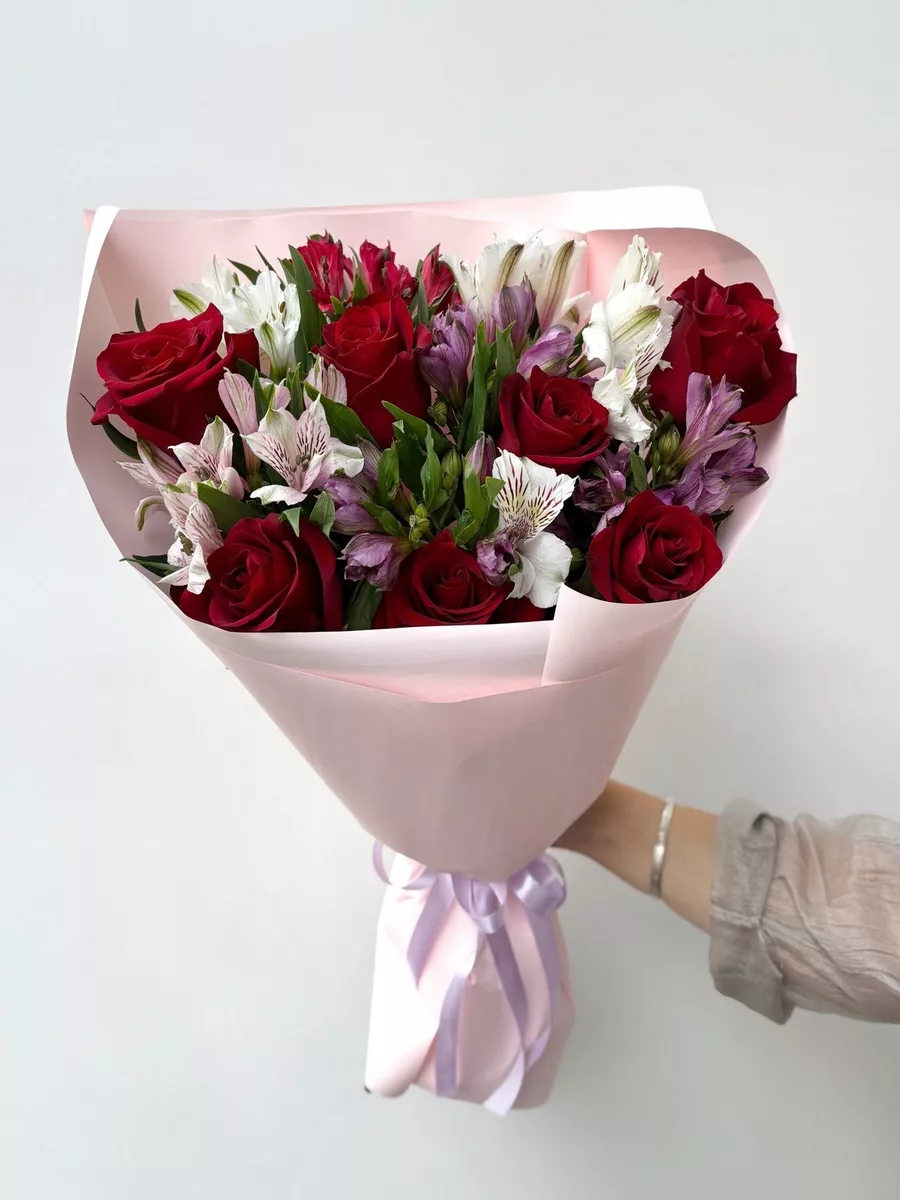
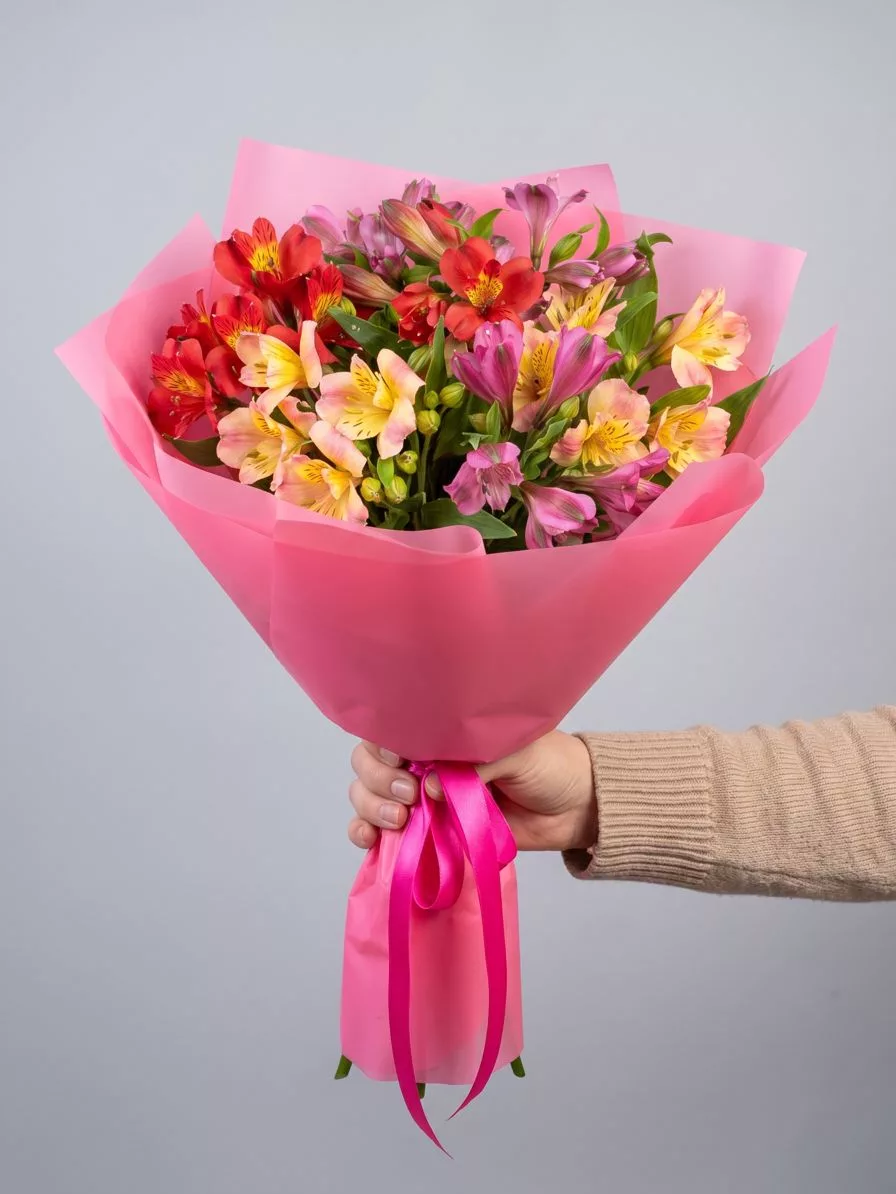
Bouquets we can deliver


Delivery Timing: What the One-to-Two-Hour Window Actually Means
The one-to-two-hour delivery window is calculated from the moment the order is confirmed and the bouquet is assembled, not from the moment you click the checkout button. Assembly itself takes between fifteen and thirty minutes depending on the complexity of the arrangement, so a bouquet with multiple flower types, wrapped in several layers and finished with a water capsule, takes longer to prepare than a single-variety bunch. For Ob specifically, the transit portion of the journey typically runs forty to seventy minutes depending on traffic and the exact address. That means a simple order placed at ten in the morning can realistically arrive between eleven-thirty and noon. Orders placed during the airport traffic surge — roughly eleven to one when international flights create ground-level congestion on the access roads — should be scheduled with extra buffer. If the occasion has a fixed time, such as a meeting, a work anniversary or a surprise at the door, we recommend placing the order ninety minutes before the desired arrival rather than sixty. Evening deliveries after eight work differently: road conditions improve but some residential buildings in Ob have controlled entry points that require the recipient to be reachable by phone to let the courier in. Making sure the recipient knows a delivery is coming, without necessarily revealing what it is, prevents the courier from waiting at a locked entrance with a bouquet of spray roses in hand.
Which Flowers Hold Up Best on the Route to Ob
Not every flower is equally suited to a transit that includes road vibration, temperature variation and a delivery window that can stretch toward two hours. Roses, particularly mid-stem varieties like Explorer or Avalanche, travel well because their petals are dense and the stem structure is firm. Chrysanthemums, both spray and single-head, are reliable for this route because they are naturally robust and do not bruise easily. Alstroemeria is another good choice: the buds continue opening after delivery, so what arrives looking partially closed becomes a full arrangement within a day or two, which customers sometimes mistake for under-ripeness but is actually correct handling. Flowers that require more care in transit include open-headed peonies in full bloom, which can lose petals from vibration, and large tropical varieties like birds of paradise, which need careful vertical positioning. Hydrangeas travel acceptably if they are kept in water capsules and the temperature inside the delivery vehicle stays below twenty degrees Celsius. In summer, when Novosibirsk and Ob reach thirty degrees or above, hydrangeas and open garden roses are genuinely at risk during a long route. In those conditions, asking for varieties with tighter buds — such as closed garden roses or lisianthus — is a practical decision rather than a compromise. Winter presents a different issue: tulips and ranunculus can freeze during the walk from the vehicle to the entrance if the courier is delayed at the door, so wrapping matters as much as the flower choice.
Seasonal Factors That Affect Ob Deliveries Specifically
Ob shares Novosibirsk's continental climate, which means temperature swings that affect flowers differently than they do in Moscow or Saint Petersburg. Winters are long and genuinely cold, with January averages well below minus fifteen Celsius, and the stretch from November through March requires that every bouquet is wrapped in insulating kraft paper or a thermal sleeve before it leaves the shop. A tulip bouquet handed to a courier without proper wrapping in February will show frost damage on the outer petals within ten minutes of outdoor exposure. This is not a dramatic failure — the flower is not dead — but the outer petals turn translucent and soft, which looks like damage even if the inner structure is fine. Summers in Ob bring the opposite problem: heat stress on flowers that have already been in transit. Cut flowers lose moisture faster above twenty-five degrees, and roses in particular will start to droop if the water capsule at the stem base runs dry. We always attach water capsules to individual stems for summer orders going to Ob, and we recommend recipients move the bouquet into water within fifteen minutes of receiving it. Spring and autumn are the most forgiving seasons for delivery: temperatures are moderate, the flowers hold their condition well in transit, and the roads are generally clear of the ice and snowmelt that slow couriers in the transitional months of March and October. If you have flexibility on timing, late April through early June and September are the most reliable windows for getting a complex bouquet to Ob in excellent condition.
What a Typical Bouquet Order for Ob Looks Like
The most common orders we receive for Ob are birthday bouquets and spontaneous gifts for residents who work at or near the airport complex. Birthday orders tend to be mid-size arrangements: fifteen to twenty-five stems, often mixing roses with spray flowers such as waxflower or gypsophila for volume, wrapped in matte kraft or fabric. These are practical choices because the mixed composition means that even if one flower type shows minor transit stress, the overall bouquet still looks full and intentional. Orders from people sending gifts to airport workers often prioritize durability over drama — chrysanthemum and alstroemeria combinations are popular for exactly that reason. Ob also sees a steady number of orders for new apartment move-ins, which is a Russian custom worth explaining briefly: when someone moves into a new home, bringing or sending flowers is considered a warm gesture of welcome, separate from any housewarming party. These orders often include potted plants alongside cut flowers, and the combination travels fine as long as the pot is secured upright in the courier bag. Corporate orders for the businesses located in Ob's industrial and logistics zone tend to be larger — thirty stems or more — and are usually placed the day before to allow assembly time. For any order above thirty stems, giving us a day's notice rather than ordering same-day is the single most reliable way to ensure the arrangement is assembled with care rather than under time pressure.
How to Check Your Order Details Before Confirming
The three things that cause the most delivery problems in Ob are an incomplete address, an unreachable recipient and a mismatch between the requested delivery time and the actual traffic conditions. On the address: Ob has streets that share names with Novosibirsk streets, and writing only the street name without the city name Ob will route the order incorrectly. Always write the city as Ob, the street, the building number and the apartment or office number. If the building has a separate entrance code or intercom number, include that in the order notes — couriers cannot guess access codes and will call the recipient, which defeats the purpose of a surprise. On recipient reachability: the recipient does not need to know what is coming, but they do need to be reachable by phone at the delivery time. A courier who cannot reach the recipient after two calls will hold the bouquet for a defined period, but flowers are perishable and a long wait in a vehicle affects their condition. On timing: if you want delivery at a specific hour rather than within a window, say so clearly when ordering and mention any known traffic complications such as a local event or road closure. Ob does not have the large-scale event calendar of a major city, but the airport generates its own traffic patterns, and flight arrivals that coincide with your delivery window can slow the route. Checking the order confirmation message to verify the address is repeated back correctly takes thirty seconds and prevents the most common category of failed deliveries.
What Happens If Something Goes Wrong with the Delivery
Flower delivery involves perishable goods, live traffic and human coordination, and occasionally something does not go as planned. The most common issues in Ob specifically are extended transit time due to airport-area congestion, a recipient who is not at the address at the agreed time, and in winter, minor cold damage to outer petals. Each of these has a straightforward resolution path. If the delivery is running late due to traffic, the courier will contact the sender with an updated arrival time. If the recipient is not available, the courier will attempt phone contact and, if successful, arrange a revised delivery window for the same day. Flowers are not left unattended at a door in Russia — this is standard practice, not a limitation specific to Ob — because the assumption is that an unattended bouquet will be damaged by weather or taken by someone else. If cold damage has occurred on outer petals, removing those petals at home reveals the undamaged layers beneath, and the bouquet remains presentable. This is worth knowing in advance because customers sometimes assume a frost-touched outer petal means the entire flower is ruined, which is not the case. For situations where the bouquet arrives in a condition that cannot be resolved by the recipient, contacting the shop with a photograph within two hours of delivery allows us to assess what happened and respond appropriately. We track every Ob delivery because the route has enough variables that we want to know when something falls outside the normal range.
Ob is a straightforward destination once you understand the geography and the seasonal conditions that shape every delivery. The airport proximity, the administrative boundary from Novosibirsk and the continental climate are not obstacles — they are simply the context in which the delivery happens. Giving us a complete address, making sure the recipient is reachable and choosing varieties that suit the season are the three things that make the difference between a bouquet that arrives looking exactly as intended and one that arrives with avoidable problems. We deliver to Ob regularly and the route is well-established; the practical details in this article are the same ones we use to plan every order that goes there. We deliver bouquets across Russia in 1–2 hours.
Frequently asked questions
Can I order flowers for delivery in Ob on the same day?
Yes, same-day delivery to Ob is available for orders placed before the cut-off time shown on the site. For addresses in parts of Ob closest to the airport access roads, we recommend ordering at least ninety minutes before the desired arrival time to account for traffic near the airport junctions, especially between eleven in the morning and one in the afternoon.
Do you deliver to all parts of Ob, including areas near the airport?
We deliver across Ob including residential districts near the airport perimeter and the logistics zone. Addresses very close to restricted airport infrastructure may require confirmation of the exact building, since some structures in that area share similar numbering with adjacent zones. Including a nearby landmark in the order notes helps the courier locate the address without delay.
What flowers are best to order for winter delivery to Ob?
Roses with tight buds, spray chrysanthemums and alstroemeria handle Ob's winter temperatures best because their structure tolerates brief cold exposure without visible damage. Avoid ordering open-headed peonies or fully bloomed garden roses in winter. Every winter bouquet we send to Ob is wrapped in insulating paper, but the recipient should still bring it indoors within a few minutes of receiving it.
Will the courier call the recipient before arriving?
The courier contacts the recipient when approaching the address, usually ten to fifteen minutes before arrival. This is standard practice for all deliveries in Russia, including Ob. If the order is a surprise, the sender can request that the courier mention only that a delivery is scheduled without specifying what it is, but the recipient must be reachable by phone for the handover to happen smoothly.
Is there anything specific about Russian flower-giving customs I should know before ordering?
In Russia, bouquets are traditionally given in odd numbers of stems for celebratory occasions — this is a widely observed custom rather than a strict rule, but it is worth knowing if you are choosing a quantity. Flowers are commonly given for birthdays, professional milestones, housewarming visits and as spontaneous gestures of appreciation. Recipients typically unwrap and arrange the bouquet immediately rather than leaving it wrapped as decoration.
Ready to send a bouquet?
Pick a city, choose the flowers, and we will hand them over with a photo confirmation.
Choose a city →