
Flower Delivery in Semenov: Zones, Timing and What to Expect
Customers ordering flowers to Semenov from Saint Petersburg usually have one of two problems: they either underestimate the distance and expect a two-hour window, or they order something fragile in July and wonder why the roses arrived with bent necks. Both are fixable if you know what you are working with. Semenov is a small town in the Nizhny Novgorod region, roughly 900 kilometres from Saint Petersburg, and delivering there requires planning the same way a florist plans a wedding order — with timing, temperature and the right varieties at the centre of every decision.
Where Semenov Sits and Why Distance Changes Everything
Semenov is located in the Nizhny Novgorod Oblast, northeast of Nizhny Novgorod city itself, at a distance that puts it well outside any same-day courier radius from Saint Petersburg. The town sits in a forested area and has a population of around 25,000 people, which means it is served by road rather than by dense urban logistics. When a customer in Moscow or Saint Petersburg thinks about flower delivery, they picture a courier on a bicycle crossing a few city blocks. Semenov requires a fundamentally different model: the bouquet is assembled fresh, conditioned, packed for transit and handed to a delivery service that covers interregional routes. That changes what you can order, when you need to place the order and what the flowers will look like on arrival. The road distance from Nizhny Novgorod to Semenov is approximately 90 kilometres, so the final leg from the nearest regional hub adds meaningful time. Customers who treat Semenov like a Moscow suburb and expect a one-hour window will be disappointed every time. The correct mental model is a well-organised mail-order florist: the bouquet is built to travel, packed to survive temperature changes and timed to arrive within the agreed delivery window rather than within the hour. Understanding this from the start prevents most of the complaints we hear.
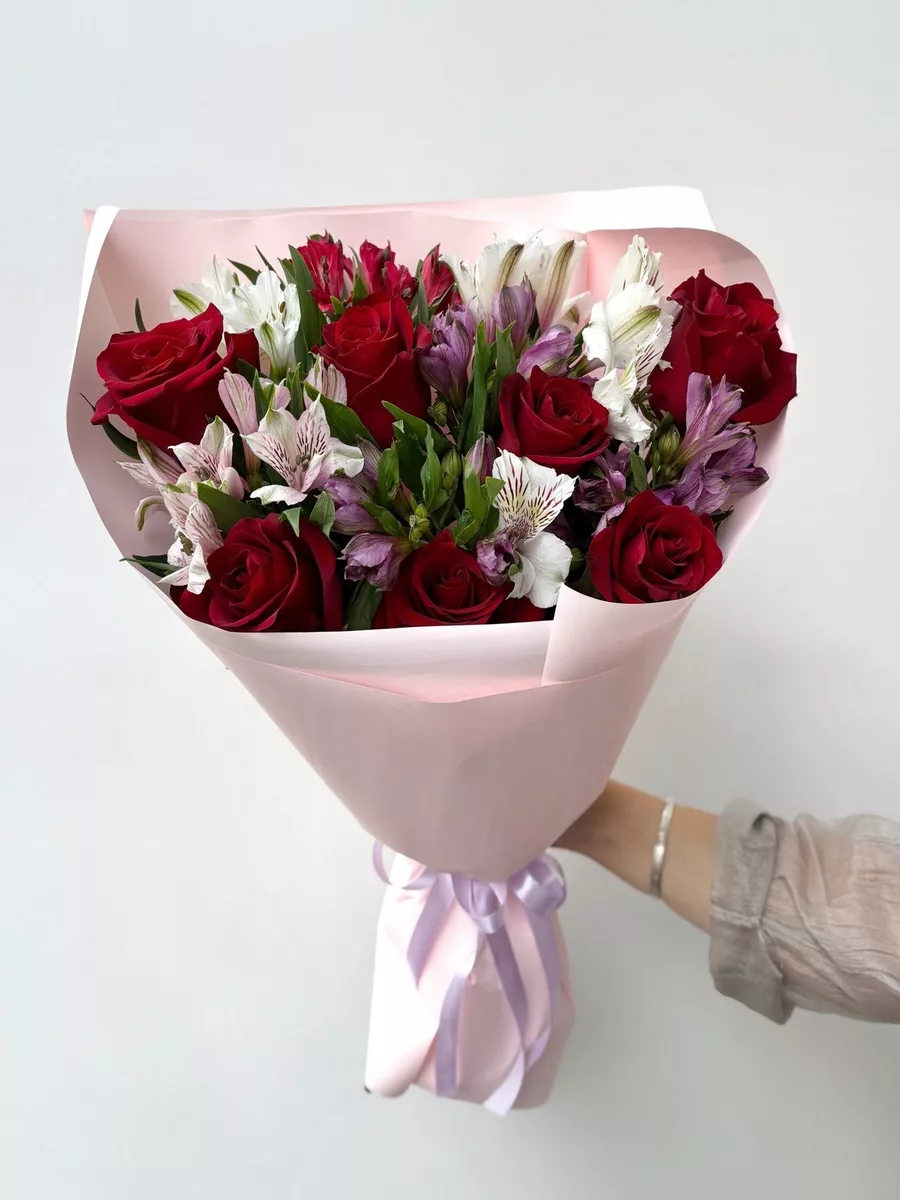
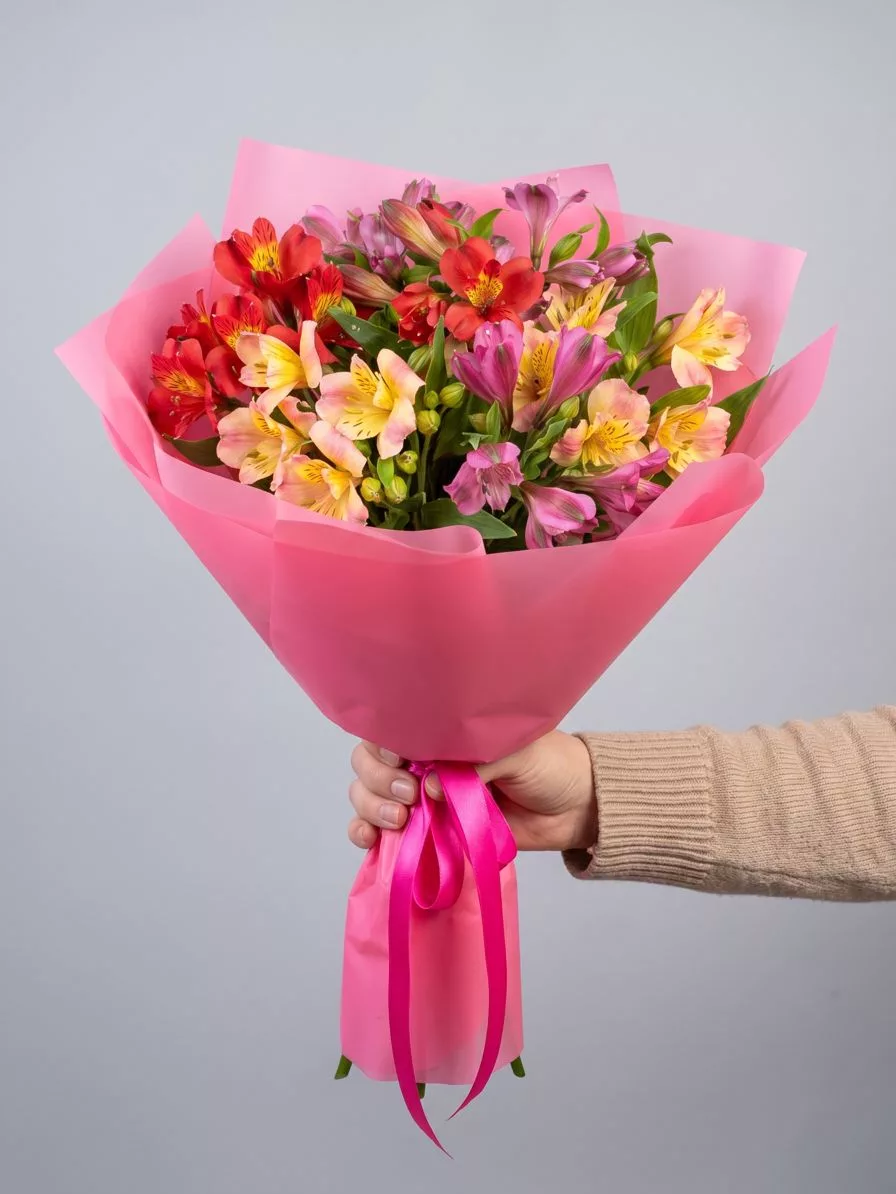
Bouquets we can deliver


Delivery Zones Inside Semenov and the Surrounding Area
Semenov itself is compact enough that the town centre, the residential streets near the Uzola River and the areas around the local market all fall within one delivery zone. What varies is whether the address is inside the town boundary or in one of the villages and rural settlements that surround it. Customers ordering to addresses in Semenov proper can expect a standard delivery window tied to when the order is placed and when the courier departs from the hub. Orders to villages within 10 to 15 kilometres of the town centre — places like Krasny Bor or settlements along the Vetluga road — require confirmation that the address is reachable by the delivery vehicle on the date requested. Rural addresses sometimes have access issues in early spring when roads are soft, or in deep winter when smaller lanes are not cleared. The practical advice is straightforward: provide the full address including the street, building number and any entrance or flat number, and add a phone number that will actually be answered. Delivery to an apartment building in Semenov is simpler than delivery to a private house on the edge of town, where the courier may need to call ahead to confirm they have found the right gate. If the recipient is not home, the flowers cannot be left outside in summer heat or winter frost — the courier will attempt contact and, if unsuccessful, arrange a second attempt or return the bouquet to the hub.
Timing: When to Order and What Windows Are Realistic
The most common mistake customers make is placing an order the morning of the day they want delivery. For Semenov, that window does not exist. Interregional delivery requires the order to be placed at least 24 hours in advance, and for weekend or public holiday delivery — particularly around International Women's Day on 8 March, which is the single busiest date for flowers in Russia — the lead time should be 48 to 72 hours. Russian public holidays cluster in early January and early May, and those periods see high demand across all delivery routes. Placing an order on 6 March for delivery on 8 March in Semenov is possible only if the florist confirms availability and the logistics slot is open. Customers who leave it until the evening of 7 March will almost certainly miss the window. For everyday orders — a birthday bouquet, an anniversary arrangement, a gift for a colleague — placing the order the day before with a morning or afternoon delivery window is the reliable approach. Same-day delivery within Semenov is not available from Saint Petersburg; this is not a limitation of willingness but of physics. The bouquet needs to be cut, conditioned, arranged and packed before it travels, and that process cannot be compressed to an hour. Customers who need flowers urgently should communicate that at the point of ordering so the florist can advise on the fastest realistic option rather than promising something that cannot be delivered.
Which Flowers Travel Well to Semenov
Not every variety that looks beautiful in a Saint Petersburg shop window is a good candidate for a 900-kilometre journey. The flowers that consistently arrive in good condition on interregional routes are those with sturdy stems and petals that do not bruise easily. Chrysanthemums — both the large single-headed varieties and the spray types with multiple smaller blooms — are among the most reliable. They hold water well, resist temperature fluctuation and look presentable after a day of transit. Alstroemeria is another strong traveller: the buds continue opening after delivery, which means the recipient gets a bouquet that develops over several days rather than one that peaks immediately. Carnations, both standard and spray types, are similarly robust and arrive with colour intact. Roses are the most requested flower for delivery anywhere in Russia, and they can make the journey to Semenov successfully, but they require careful packing and should not be ordered in tight bud during summer months when temperatures inside a delivery vehicle can spike. Lisianthus, with its layered petals that resemble a peony, travels better than actual peonies, which are soft and prone to bruising. Hydrangeas are the most difficult: they wilt quickly if they lose water for even a short period, and interregional transit makes that risk real. Customers who love hydrangeas should discuss this openly with the florist rather than ordering them and hoping for the best. Seasonal availability also matters — tulips in March, sunflowers in summer, dahlias in late August — and the florist will confirm what is in stock before confirming the order.
Packaging, Temperature and What Happens in Transit
A bouquet going to Semenov is not wrapped the same way as one handed across a shop counter in Saint Petersburg. The stems go into a water-retaining base — typically a wet sponge or a sealed water tube — so the flowers are drinking throughout the journey. The outer wrapping is firm enough to protect the blooms from being crushed but allows some airflow. In summer, particularly between June and August when daytime temperatures in the Nizhny Novgorod region regularly reach 28 to 32 degrees Celsius, the packing includes insulating material to buffer against heat inside the vehicle. In winter, the concern is the opposite: flowers exposed to temperatures below minus five degrees Celsius suffer cell damage that shows up as blackened petals or collapsed stems hours after arrival. The florist accounts for the forecast on the delivery date when packing. Customers can help by letting the recipient know the flowers are coming so they can be taken inside promptly rather than left on a doorstep. Once the bouquet is indoors, the recipient should recut the stems at an angle under running water, remove any leaves that would sit below the waterline in the vase and place the arrangement away from direct sunlight and heat sources. A cool room extends vase life significantly — roses and chrysanthemums in a 18-degree room will outlast the same flowers kept near a radiator by three to four days.
What to Check Before Confirming Your Order
There is a short list of things that prevent the majority of delivery problems, and it is worth going through it before hitting the confirm button. First, verify the recipient's address against an actual document or a message from the recipient — street names in smaller Russian towns sometimes have informal versions that differ from the official postal address, and Semenov is no exception. Second, provide a working mobile number for the recipient; the courier will call before arrival, and if the number is wrong or switched off, the delivery fails. Third, confirm the delivery date is not a Russian public holiday that you may not be aware of: the January holidays run from 1 to 8 January, and May holidays cover 1 and 9 May, with surrounding days often treated as non-working. Fourth, check the delivery window against the recipient's schedule — a morning delivery to someone who works a day shift and leaves at 8 am is not useful. Fifth, if the bouquet includes a card with a message, read it back before submitting: spelling errors and wrong names appear in rushed orders and cannot be corrected once the card is printed and packed. Finally, confirm that the variety or colour you want is in stock on the specific date, not just generally available. Florists work with what arrives from the wholesale market, and a variety that was available last week may not be there this week. A quick confirmation call or message saves everyone the disappointment of a substitution arriving unannounced.
Prices, Value and What Affects the Final Cost
Customers sometimes compare interregional flower delivery to buying from a local market stall and find the price higher. The difference is not markup for its own sake — it reflects the cost of conditioning the flowers properly, packing them for transit, the water-retaining base, the insulating material for seasonal temperature protection and the logistics of covering a route that does not run on a bicycle. A bouquet that arrives fresh after 900 kilometres costs more to deliver than one carried three streets. The flower cost itself also varies by season and by what is available at the wholesale level. Roses in February, the month before International Women's Day, are significantly more expensive than in October, because demand across Russia pushes wholesale prices up. Tulips in March are similarly affected. Customers who want a specific look on a high-demand date should order early and expect to pay the seasonal rate. Conversely, late summer and autumn are good seasons for value: chrysanthemums, alstroemeria and dahlias are plentiful, prices are moderate and the cooler temperatures make transit easier. Ordering a mixed seasonal bouquet rather than insisting on a single variety gives the florist flexibility to build something that looks generous and travels well within a given budget. The total cost — flowers plus packing plus delivery — should be clear before confirmation, with no additions appearing at checkout. If anything in the price breakdown is unclear, asking before paying is always the right move.
Delivering flowers to Semenov is straightforward when the order is placed with enough lead time, the address is accurate and the variety matches what the journey requires. The florists who have been doing this longest will tell you that most problems come from the same handful of avoidable mistakes: ordering too late, providing an incomplete address, choosing a fragile variety in the wrong season or expecting a same-day window that interregional logistics cannot offer. Get those four things right and the bouquet that arrives in Semenov will look the way you intended when you ordered it — fresh, properly arranged and ready to last. We deliver bouquets across Russia in 1–2 hours.
Frequently asked questions
Can I order flowers to Semenov for same-day delivery?
Same-day delivery from Saint Petersburg to Semenov is not possible. The distance and transit time require at least 24 hours between order confirmation and delivery. For dates around major holidays such as 8 March, place the order 48 to 72 hours in advance to secure both the flowers and the logistics slot.
What happens if the recipient is not home when the flowers arrive?
The courier will call the recipient's number before arriving. If there is no answer, a second delivery attempt is arranged. Flowers cannot be left outside in summer heat or winter frost, so having a correct, answered phone number for the recipient is the single most important thing you can provide when placing the order.
Which flowers are best for delivery to Semenov in summer?
Chrysanthemums, alstroemeria, carnations and lisianthus handle summer transit well. Roses can travel successfully if packed with insulating material, but tight buds are preferable to open blooms in heat. Hydrangeas and open peonies are the most difficult choices in warm months and are best avoided for long-distance summer delivery.
Do you deliver to villages near Semenov, not just the town centre?
Delivery to villages within roughly 10 to 15 kilometres of Semenov is possible but requires address confirmation. Rural roads can have access issues in early spring thaw or heavy winter snowfall. Provide the full postal address and confirm that the recipient will be reachable by phone on the delivery date.
Why does interregional flower delivery cost more than buying locally?
The price covers fresh conditioning, a water-retaining base for the stems, seasonal insulating packing material and the cost of covering an interregional route. Flower prices also vary by season — February and early March are the most expensive periods due to demand. Ordering a mixed seasonal bouquet rather than a single variety often gives better value on any budget.
Ready to send a bouquet?
Pick a city, choose the flowers, and we will hand them over with a photo confirmation.
Choose a city →