
Flowers for Russian Business Partners: Varieties, Quantities and Presentation
Every week we put together corporate orders for clients who are meeting a Russian partner for the first time and have no idea whether to send roses or something else entirely, whether eleven stems is rude, and whether the ribbon colour matters. These are real questions, and getting them wrong creates an awkward moment before a meeting even starts. This article covers what actually works in a Russian B2B context — specific flowers, specific quantities, and the presentation details that signal professionalism rather than carelessness.
Why Flower Gifting Still Matters in Russian Business Culture
In Russia, flowers at a business meeting are not a quirky tradition — they are a routine signal of respect and serious intent. A delegation arriving without flowers for a significant first meeting or a company anniversary is noticed, and not favourably. This is especially true in Saint Petersburg, where the business culture has a slightly more formal, European-influenced character than in some other Russian cities. The gesture is read as preparation: you thought about the person before you walked in the door.
The practical implication is that flowers should arrive before the meeting or be presented at its opening, not handed over as an afterthought at the end. We regularly get calls at 8 a.m. from clients who need a bouquet delivered to a hotel lobby or office reception by 10 a.m. — that timing is completely achievable for us within Saint Petersburg, but it requires the order to be placed the evening before or first thing in the morning. Leaving it to the last hour when you are already in a taxi is the most common mistake we see.
Another thing customers often ask: is it appropriate to send flowers to a male business partner? In Russia, yes, it is done regularly, particularly for significant dates — a company founding anniversary, a major contract signing, or a personal birthday. The bouquet composition changes — fewer soft pinks, more structured forms — but the gesture itself is entirely normal and well received. Do not let assumptions from other markets stop you from making the gesture.
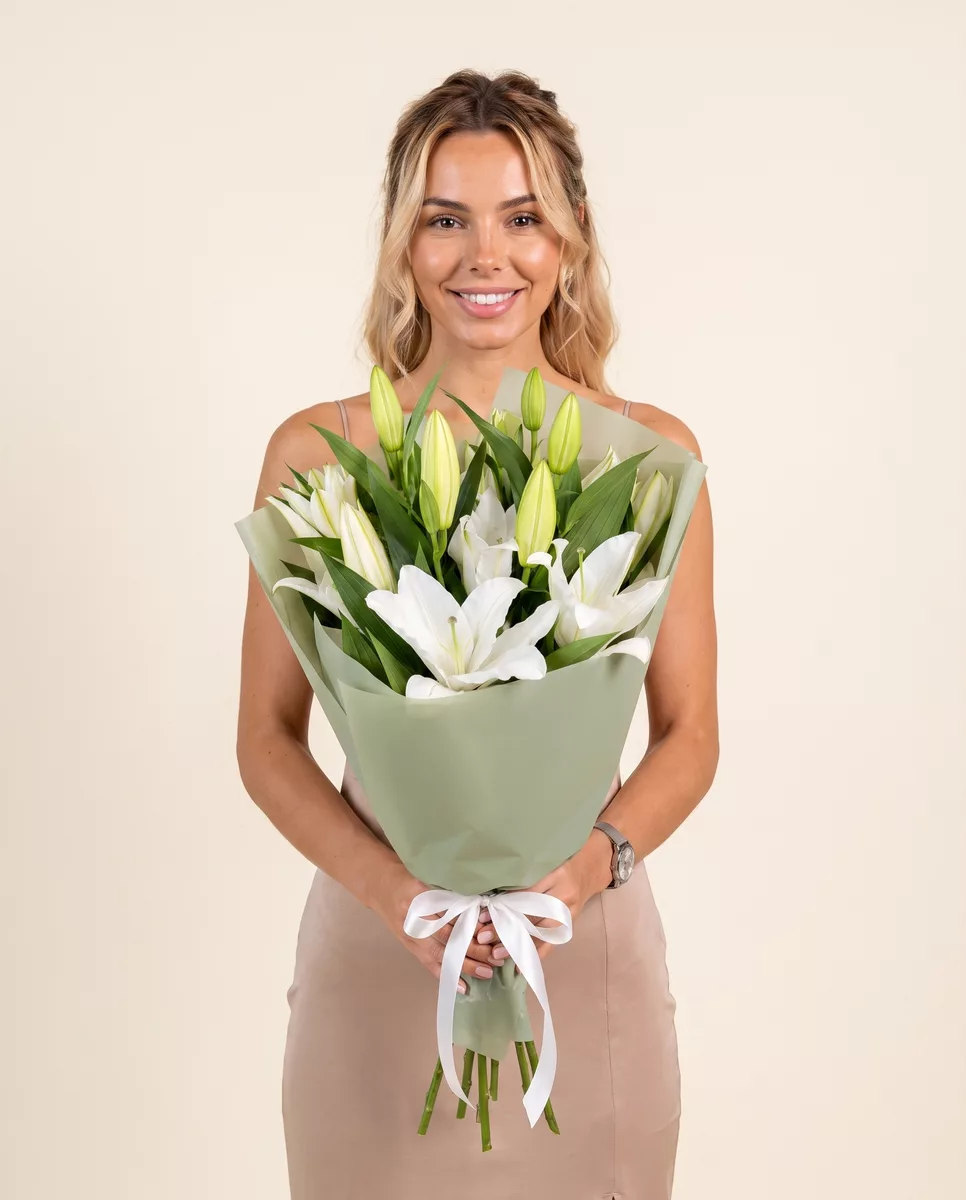
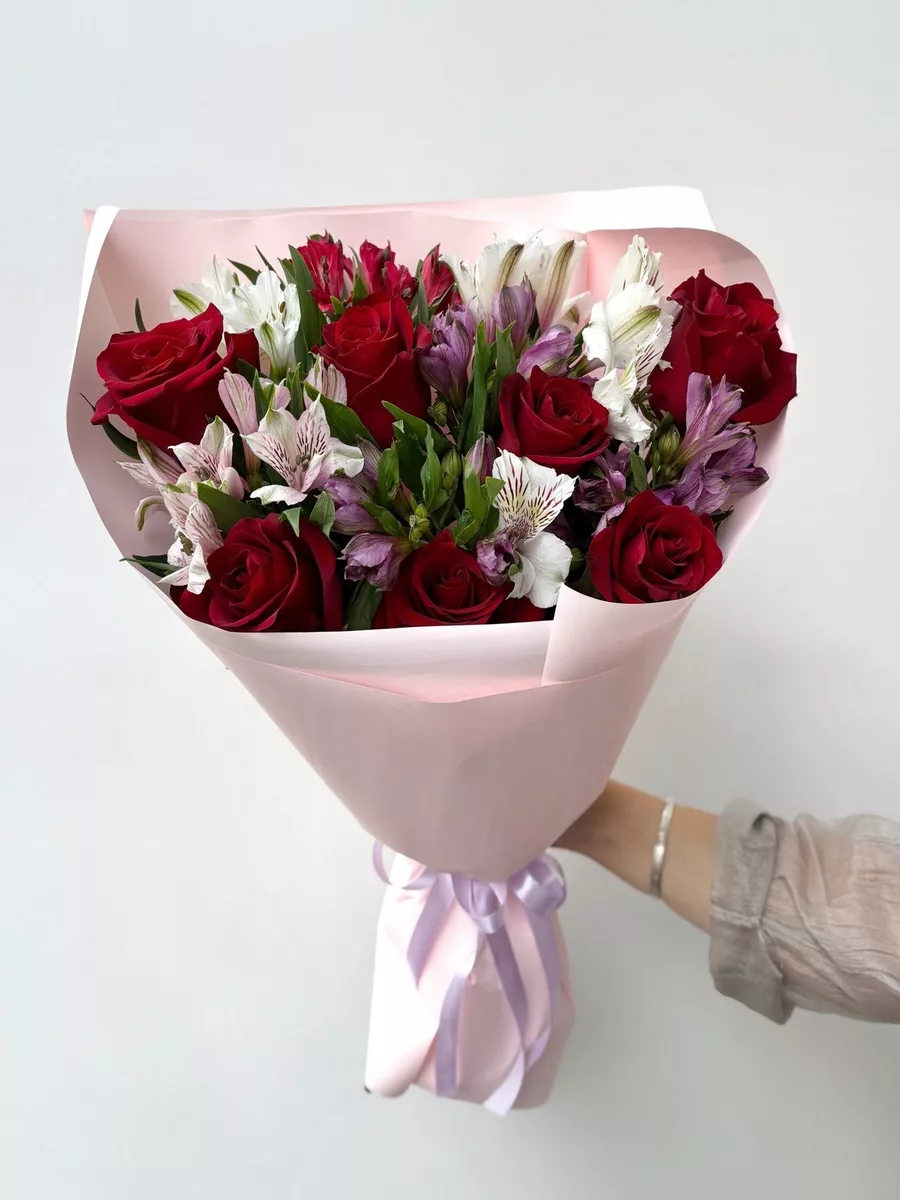
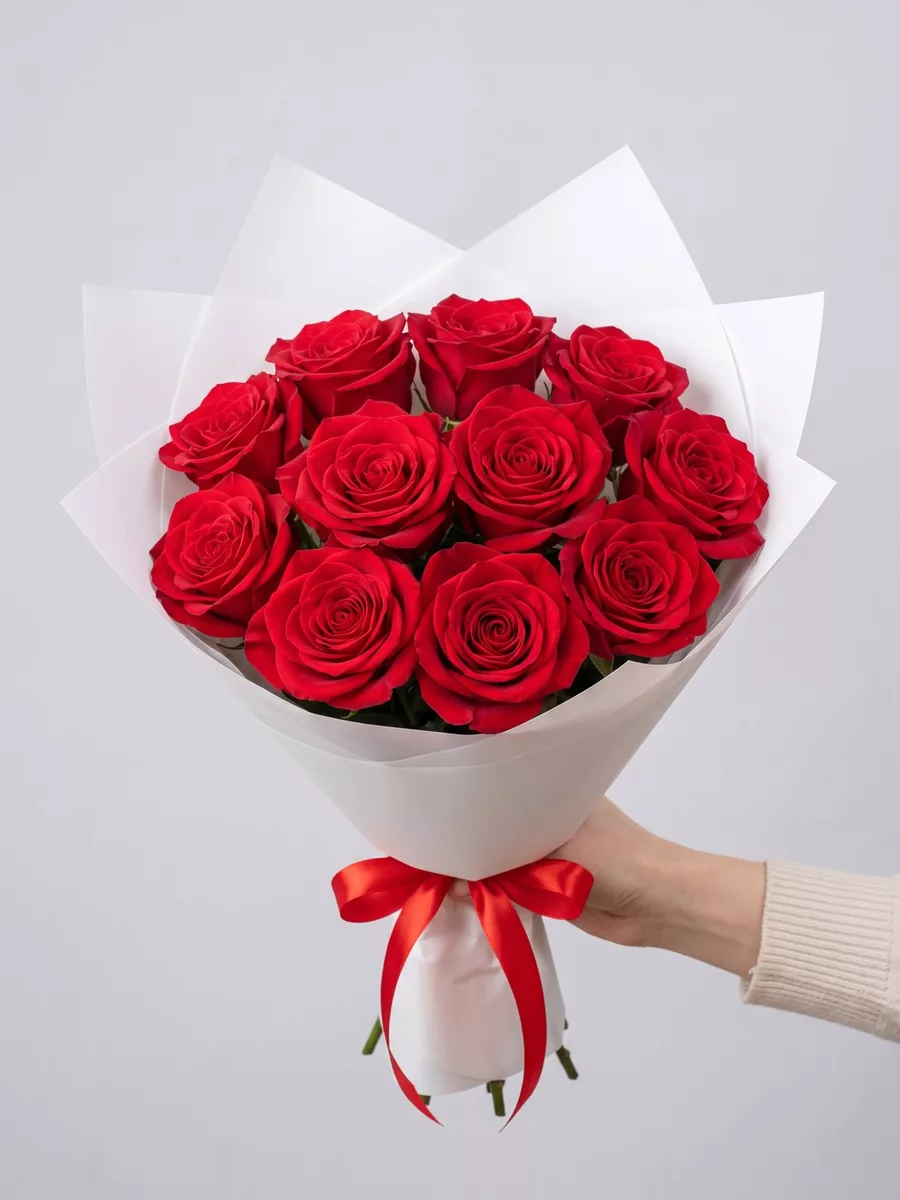
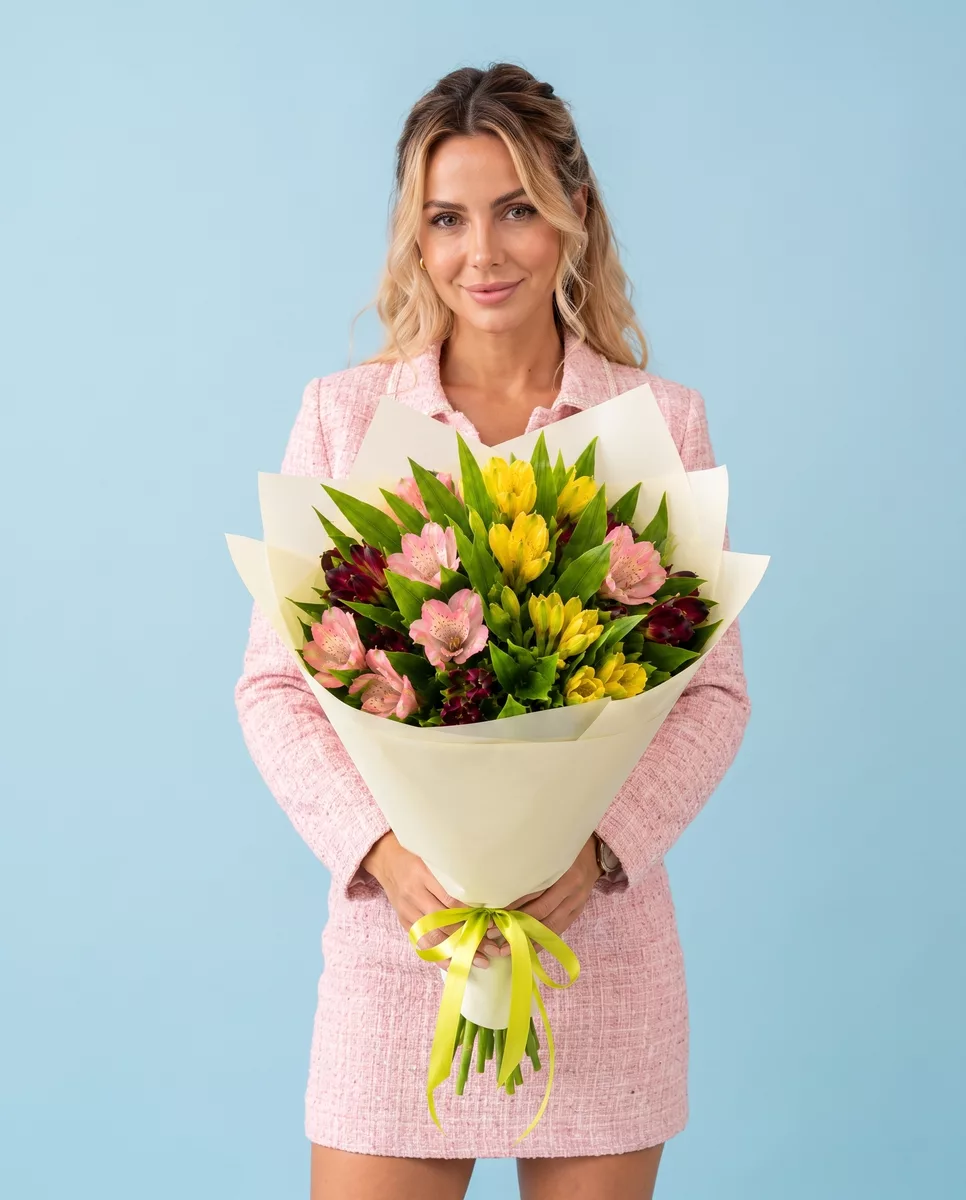
Bouquets we can deliver
The Odd-Number Rule and What It Actually Means
The single most important number-related rule in Russian flower gifting is this: even numbers of stems are associated with mourning and funerals. An even number in a bouquet sent to a living person reads as a serious error at best and a dark message at worst. The rule applies across all of Russia and is genuinely observed, not just by older generations. When customers ask us to put together twelve roses because it sounds like a clean quantity, we always explain this and suggest eleven or thirteen instead.
The practical sweet spots for corporate gifting are seven, nine, eleven, fifteen, nineteen, and twenty-five stems. Seven feels personal and is common for individual partners. Eleven and fifteen read as generous without being excessive. Nineteen and twenty-five are suitable for very significant occasions — a major anniversary, a long-term partnership milestone. Going above twenty-five stems in a single bouquet starts to feel theatrical in a corporate setting; it shifts the tone from respectful to showy, which is not always the right signal.
For arrangements rather than hand-tied bouquets — say, a structured box arrangement or a vase composition delivered to an office — the stem count is less visible and therefore less scrutinised. However, our florists still work to odd numbers internally as a matter of professional habit. If you are ordering a mixed arrangement with several varieties, you do not need to count every stem yourself; just tell us the occasion and the budget and we will handle the arithmetic. What you should confirm is that the total is not an even round number like ten or twenty.
Which Flowers Work and Which Create the Wrong Impression
Roses are the default corporate flower in Russia, and with good reason — they are universally understood as a mark of respect and are available in consistent quality year-round. For business gifting, the varieties that hold up best and look most polished are large-headed garden roses such as David Austin types when in season, or reliable spray-free hybrid tea roses in deep red, white, or coral. Avoid very pale yellow roses in a business context: in parts of Russian culture, yellow flowers carry an association with separation or bad news, and while younger, urban professionals are less likely to read it that way, it is simply not worth the risk when you are trying to build a relationship.
Chryanthemums are widely used in Russian everyday life but carry a stronger association with cemetery visits than in Western Europe — they are not a strong choice for corporate gifting. Lilies are acceptable and popular, particularly oriental lilies such as Stargazer or Casa Blanca, but confirm that the recipient's office can tolerate the scent; a strong lily fragrance in a small meeting room is not always welcome. Eustoma, also sold as lisianthus, is an excellent corporate flower — it photographs beautifully, lasts well, and reads as considered rather than generic.
For a mixed composition aimed at a company rather than an individual — say, a bouquet for a reception desk or a team celebration — peonies in season, ranunculus, and premium spray roses all add texture without looking informal. Avoid sunflowers for formal B2B occasions; they read as casual and summery rather than respectful.
Presentation: Packaging, Ribbons and What Goes on the Card
In Russian corporate gifting, the packaging is read as part of the gift itself. A bouquet wrapped in cheap cellophane with a basic rubber band around the stems signals that the order was placed in a hurry and without much thought. The standard we work to for B2B orders is kraft paper or matte wrapping in neutral tones — dark green, burgundy, charcoal, or ivory — with a satin or grosgrain ribbon in a coordinating colour. Avoid overly bright or novelty packaging for business occasions; it shifts the register toward birthday party rather than professional gesture.
Box arrangements and hat-box compositions have become increasingly popular for corporate delivery because they travel well and look impressive on a desk without needing a vase. They are also easier to receive in an office setting — the recipient does not need to immediately find water. If the bouquet is being delivered to a hotel or office building and you are not sure whether a vase will be available, a box arrangement is the more practical choice.
The card is important and often underestimated. Write the recipient's name in full, including patronymic if you know it — in Russia, addressing someone by first name and patronymic is a mark of respect, and getting this right on a card makes a strong impression. Keep the message brief and specific: congratulate them on the occasion or express genuine appreciation for the partnership. Avoid generic phrases that could apply to anyone. If you are writing in Russian, we can advise on phrasing; if the card is in English, that is also entirely acceptable for international business contexts.
Timing the Delivery: Office Hours, Receptions and Pre-Meeting Logistics
The timing of a flower delivery in a corporate context requires more planning than a personal gift. Most Russian offices have a reception or security desk, and deliveries need to be announced or cleared in advance — arriving unannounced with a large bouquet and expecting to be waved through immediately is not realistic in most Saint Petersburg business buildings. When placing a B2B order with us, tell us the building address, the floor, the recipient's full name, and whether reception staff have been informed. This single piece of information makes the difference between a smooth delivery and a delay.
For morning meetings, the ideal delivery window is between 9 a.m. and 10 a.m. — early enough that the bouquet is already in the room when the meeting starts, which creates a better impression than flowers arriving mid-discussion. For afternoon meetings starting at 2 p.m. or later, a delivery between 12 p.m. and 1 p.m. gives the recipient time to arrange the flowers and is within normal business hours. We deliver across Saint Petersburg within one to two hours of order confirmation, so a same-day order placed by 11 a.m. can reliably reach most central and inner-ring addresses by 1 p.m.
If the recipient is traveling and will be at a hotel rather than their own office, specify the hotel name and room number if known, or ask the hotel concierge to hold the delivery. Most four- and five-star hotels in Saint Petersburg handle this routinely. Confirm the recipient's check-in time so the flowers arrive after they do, not hours before.
Seasonal Considerations and Flower Condition on Arrival
Russia's climate means that flower quality and variety availability shift significantly across the year, and this matters for corporate orders where presentation is under scrutiny. From November through February, locally grown flowers are essentially unavailable; almost everything comes through import chains from the Netherlands, Ecuador, and Kenya. This is not a problem for roses, eustoma, or imported lilies, which maintain consistent quality year-round through controlled-environment growing. It is a problem if you specifically want peonies, garden roses, or ranunculus — these have defined seasons and attempting to source them out of season produces inferior results.
Peonies are available reliably from late April through June. Garden roses from Dutch growers peak from May through September. Ranunculus is a spring flower, typically February through May. If you are planning a significant corporate gift around a date that falls outside these windows, we will tell you directly rather than substituting a lower-quality version and hoping you do not notice. The honest answer is often: use a premium hybrid tea rose or a structured lily composition instead, and the result will be more impressive than a tired out-of-season peony.
For deliveries in summer, particularly July and August when Saint Petersburg temperatures can reach 25 to 30 degrees Celsius, transit time matters more than at other times of year. We use temperature-controlled packaging for corporate orders during warm months. When you receive the bouquet, place it in cool water immediately and keep it away from direct sunlight and air conditioning vents — both dehydrate cut flowers quickly. A bouquet that arrives in good condition and is then placed on a sun-facing windowsill will look poor within hours.
Budgeting and What the Money Actually Buys
Corporate flower budgets in Russia vary widely, and customers sometimes ask us what is appropriate to spend for a given type of relationship. The honest florist's answer is that the flower itself is not the point — the thought and execution are — but there is a floor below which the arrangement starts to look like a token gesture rather than a considered one. For a first meeting with a significant potential partner, a composition that looks sparse or uses filler-heavy construction signals that you did not prioritise the occasion. This is a real risk when ordering at the lowest price point.
What the budget buys in concrete terms: at the lower end of a reasonable corporate range, you get a clean, well-composed bouquet of seven to nine roses or eustoma stems with professional packaging and a card. In the mid range, you get fifteen or more premium stems, possibly mixed varieties, a box or hat-box presentation, and the ability to specify exact colours. At the higher end, you get large-format compositions with premium varieties — David Austin roses in season, oriental lilies, or structured mixed arrangements — that genuinely stand out in an office environment.
A mistake we see regularly is splitting a budget across multiple small bouquets when one well-composed arrangement would make a stronger impression. If you are gifting a single senior partner, concentrate the spend. If you are gifting an entire team or a company reception, a single large arrangement for the common area works better than many small ones that get distributed and forgotten. Ask us to advise based on the specific situation; the right answer depends on the relationship, the occasion, and the space where the flowers will be displayed.
Russian business flower etiquette is not complicated once you know the core rules — odd numbers, appropriate varieties, professional packaging, and delivery timed to the meeting rather than after it. The mistakes that create awkward moments are almost always avoidable with a brief conversation before the order is placed. At Five Flowers we handle B2B orders daily and can advise on everything from stem count to card wording to building access logistics. Place the order with enough lead time — the evening before is ideal — and tell us as much as you know about the recipient, the occasion, and the delivery location. We deliver bouquets across Russia in 1–2 hours.
Frequently asked questions
Is it appropriate to send flowers to a male Russian business partner?
Yes, entirely. Flowers for male partners are common in Russia, particularly for anniversaries, contract signings, or birthdays. The composition shifts toward more structured, less soft arrangements — think deep red roses or white lilies rather than pastel mixed bouquets — but the gesture is normal and well received across all age groups in a professional context.
Can I send yellow flowers to a Russian business contact?
It is better to avoid yellow flowers, particularly yellow roses, in Russian gifting contexts. A traditional association links yellow flowers with separation or bad news, and while younger urban professionals may not think twice about it, the risk of creating an unintended impression is real. Stick to red, white, coral, or deep pink for a safe corporate choice.
How far in advance should I place a corporate flower order for a morning meeting?
Place the order the evening before if the meeting starts before noon. We deliver within one to two hours of confirmation across Saint Petersburg, but morning slots fill quickly and building access for corporate deliveries requires advance notice to reception staff. An order confirmed by 8 a.m. on the day can reach most central addresses by 10 a.m., but the evening before is more reliable.
What should the card say when sending flowers to a Russian business partner?
Use the recipient's full name including patronymic if you know it — this is a mark of respect in Russian professional culture. Keep the message brief and specific to the occasion: a congratulation on an anniversary, thanks for a successful collaboration, or a welcome to a new partnership. Avoid generic phrases. Writing in English is acceptable in international business contexts.
Are box arrangements better than hand-tied bouquets for office delivery?
For most office deliveries, yes. Box arrangements travel well, do not require the recipient to find a vase immediately, and sit neatly on a desk or reception counter. They are especially practical when delivering to a building where you are not certain a vase will be available. Hand-tied bouquets are fine when you know the recipient has space and facilities to display them properly.
Ready to send a bouquet?
Pick a city, choose the flowers, and we will hand them over with a photo confirmation.
Choose a city →