
Flower Delivery to Berezovsky for Senders Outside Russia
Most international orders for Berezovsky arrive with the same gap: the sender knows the recipient's address and wants roses by Saturday, but has no idea what the time difference means for a Saturday cut-off, which card systems actually process the payment, or why a bouquet ordered at noon Moscow time might arrive the following morning. This article fills those gaps with the specifics florists actually use.
Where Berezovsky Is and Why It Matters for Delivery Timing
Berezovsky is a city in Sverdlovsk Oblast, sitting directly adjacent to Yekaterinburg on its northeastern edge. The city shares the same postal zone as Yekaterinburg for practical logistics, which means delivery timelines from Saint Petersburg follow the same Ural-region schedule rather than a remote Siberian one. The time zone is Yekaterinburg Time, UTC+5, which is two hours ahead of Moscow and five hours ahead of Central European Time. That gap catches international senders off guard constantly. Someone in Berlin placing an order at 11 a.m. local time is placing it at 3 p.m. Moscow time and 4 p.m. Yekaterinburg time, which already cuts into the same-day delivery window significantly. The working rule is this: for same-day delivery to Berezovsky, the order must be confirmed and paid before 2 p.m. Moscow time. For senders in Western Europe that means before noon local time; for senders on the US East Coast that means before 7 a.m. Eastern. Anyone placing an order later than those windows should plan for next-day delivery and communicate that clearly to the recipient so the flowers are not missed at the door. Berezovsky itself is a compact industrial city of roughly 47,000 residents, so addresses are generally straightforward — apartment blocks, private houses in the older districts, and a handful of office addresses near the central administrative area. Couriers navigate the city without the routing complexity of a large metropolis, which keeps delivery reliable once the order is confirmed within the correct time window.
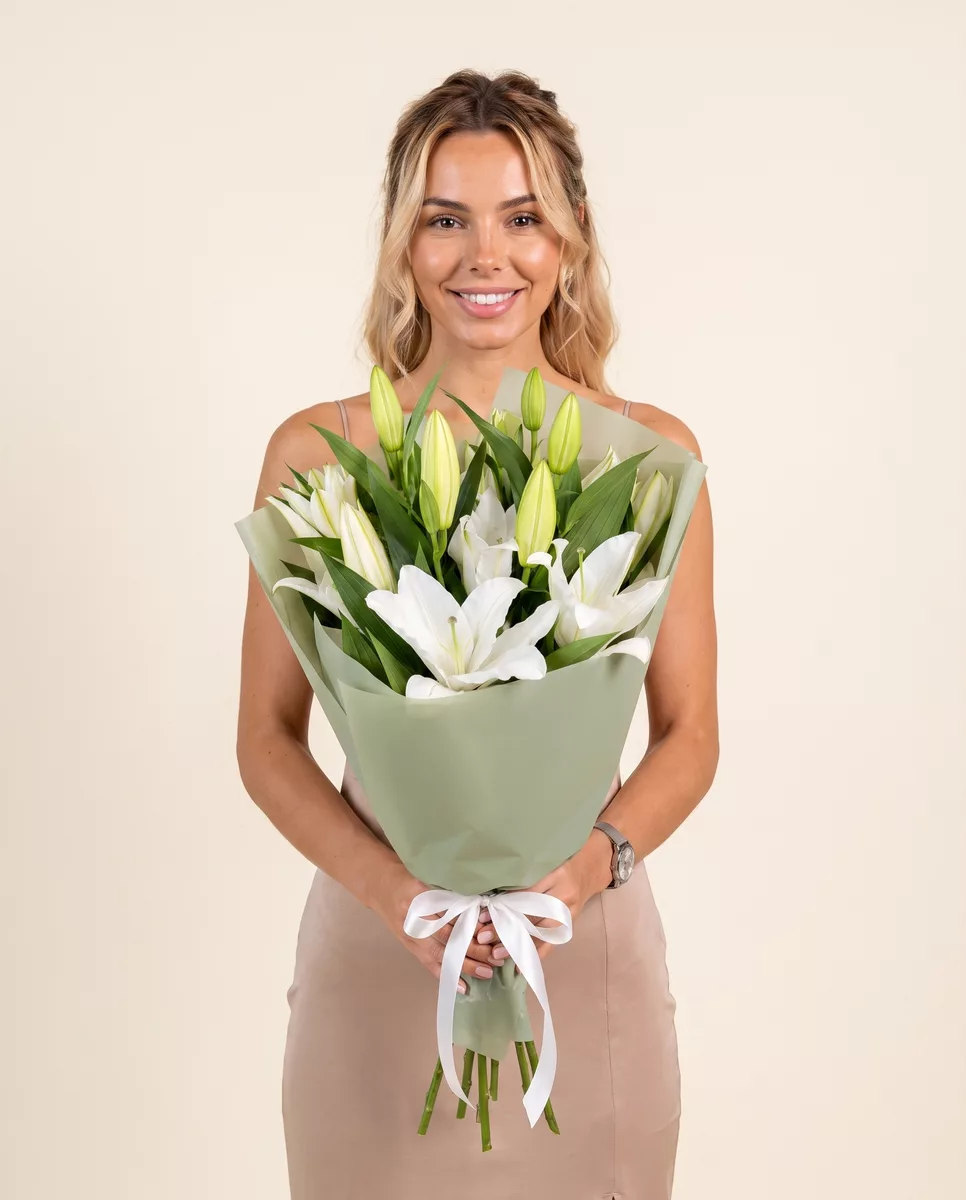
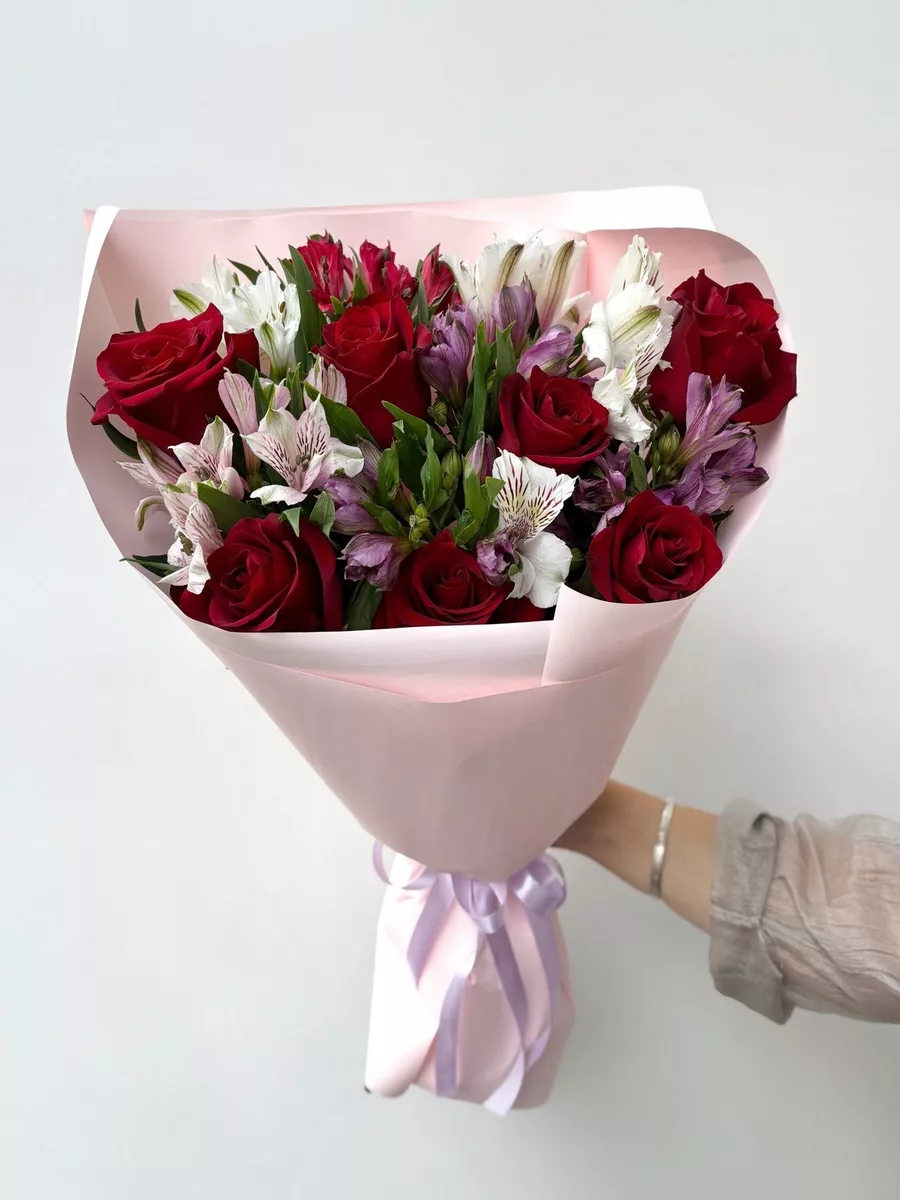
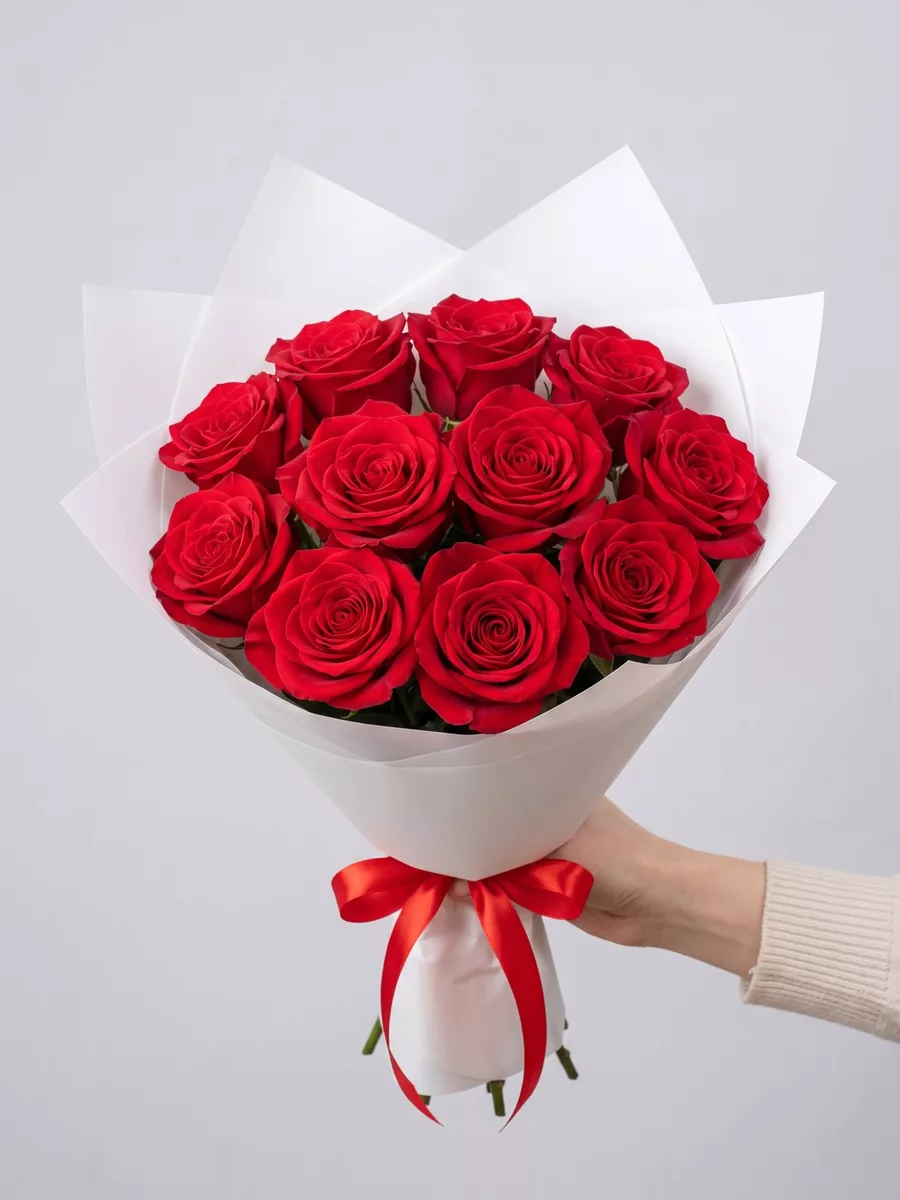
Bouquets we can deliver

Payment from Abroad: What Actually Works
This is the question international customers ask first and the one that causes the most abandoned orders. Russian payment infrastructure changed substantially after 2022, and senders need to know the current reality rather than assume their usual checkout experience applies. Visa and Mastercard issued by banks outside Russia do not process on Russian merchant terminals. That is not a policy choice by the florist — it is a network-level block. What does work is payment through systems that bridge the gap: some florists accept PayPal for international orders, and wire transfer is available for larger orders when arranged in advance. The most reliable path for most international senders is to use a Russian-issued card belonging to a trusted contact inside Russia, or to use a payment service that specifically supports cross-border transactions to Russian merchants. When placing the order, be explicit about where your card is issued. A card issued in Kazakhstan, Belarus or Armenia will typically process without problems because those countries remain within compatible payment networks. A card issued in Germany, France, the UK or the United States will not. The shop's order form includes a field for payment method, and customer service can confirm the current options before you commit the details. Do not assume the checkout will flag the issue automatically — sometimes the charge appears to go through and then reverses hours later, which wastes time on a time-sensitive order. Confirming payment method in advance takes two minutes and removes the main source of failed international orders.
Which Flowers Survive the Ural Climate in Transit
Berezovsky and the wider Yekaterinburg region experience a sharply continental climate. Winters are cold enough — regularly reaching minus 20 Celsius and below — that flower transit requires protective packaging, and certain varieties simply do not make the journey well in January or February without that protection. Roses are the most ordered flower to the Ural region, and they travel well when properly conditioned: stems cut at an angle, hydrated packaging, and insulated wrapping for temperatures below minus 10. Garden roses with denser petals, such as David Austin-style varieties, handle cold slightly better than large-headed hybrid tea roses, which can bruise at the petal edges if exposed to sudden temperature changes between a warm vehicle and a cold stairwell. Chrysanthemums are underrated for Ural deliveries — they are robust, hold their shape in cold air, and last ten to fourteen days in a cool apartment, which matters when the recipient is not home at first delivery attempt. Alstroemeria is another strong choice: tight buds travel without damage and open over several days, so even a delivery that arrives a few hours later than planned still presents well. Tulips are popular in spring but require more careful handling in autumn and winter because they continue to grow after cutting and can become floppy in warm indoor conditions. Orchid stems in water tubes are a good choice for a premium gift that holds for two weeks or more. Avoid large-headed peonies for winter orders — they are fragile in transit and their season in Russia is May through June anyway, so out-of-season peonies are both expensive and structurally unreliable.
Bouquet Sizes, Stem Counts and What the Numbers Mean
Russian flower culture has specific conventions around stem counts that international senders frequently do not know, and getting this wrong creates an awkward moment for the recipient. In Russia, even numbers of flowers are traditionally associated with mourning and are brought to funerals or graves. Odd numbers are used for celebrations, birthdays, anniversaries and everyday gifting. A bouquet of 10 roses reads differently to a Russian recipient than a bouquet of 11, regardless of how it looks to a Western eye. This is not a superstition the recipient will dismiss — it is a deeply embedded cultural norm, and most Russians over thirty will notice immediately. The shop formats all celebration bouquets in odd counts by default: 11, 15, 19, 21, 25, 51 and 101 stems are the standard sizes. Smaller formats of 7 or 9 stems are available for modest budgets. The 51-stem bouquet is a popular choice for milestone birthdays and anniversaries because it signals generosity without being ostentatious. The 101-stem rose bouquet is a statement piece, appropriate for significant occasions and requiring advance notice of at least 24 hours to prepare and source. When describing what you want in the order notes, specify the occasion clearly — birthday, anniversary, new baby, congratulations on a promotion — and the florist will apply the correct count and composition automatically. If you have a specific stem count in mind that happens to be even, customer service will flag it and suggest the nearest odd alternative before the order is confirmed.
Writing the Card Message Across a Language Barrier
A significant portion of international orders to Berezovsky come from senders whose first language is English, German, French or a Central Asian language, writing for a recipient whose first language is Russian. The card message is where this gap shows up most visibly. A message written in English will be delivered in English — the shop does not translate card text automatically. If the recipient reads English comfortably, that is fine. If they do not, the message loses its impact entirely, which defeats the purpose of sending it. The practical solution is to write the message in the language the recipient actually speaks, or to provide the text in both languages and indicate which should appear on the card. Google Translate produces serviceable Russian for short emotional messages — a birthday greeting, a line of congratulations, a note of affection — and the shop's customer service team can also help with a simple translation if you describe what you want to say. Keep card messages short: two to four sentences read naturally when attached to a bouquet; longer messages get skimmed. Russian recipients appreciate directness — a clear statement of who the flowers are from and why matters more than elaborate phrasing. If the sender's name is in a non-Cyrillic script, include a phonetic spelling in the order notes so the courier can confirm the sender's identity to the recipient if asked. This small detail prevents the confusion that happens when a recipient receives flowers signed with a name they cannot read and cannot verify.
Confirming the Recipient's Address and Availability
Berezovsky addresses follow the standard Russian format: city, street name, building number, apartment number, entrance number and floor. International senders often provide incomplete addresses because they copied from a messenger conversation where the recipient listed only the street and building. Missing the apartment number or entrance number in a multi-entrance building causes the courier to call the recipient, which removes the element of surprise for a gift delivery. If the order is meant to be a surprise, collect the full address in advance through a neutral pretext — ask the recipient to confirm their address for a document or package — rather than leaving the address incomplete and hoping the courier resolves it. Availability matters as much as address accuracy. Couriers in Berezovsky deliver within a stated time window, typically a two-hour slot. If the recipient is at work, in a meeting, or otherwise unavailable during that window, the courier will call. If there is no answer, the order may be rescheduled, which adds hours to the delivery. For surprise deliveries, consider whether the recipient's workplace accepts flower deliveries — many offices in Berezovsky do, and a workplace delivery guarantees the recipient is present. If delivering to a residential address, check whether the building has a doorman or intercom system: the courier will need the intercom code or the recipient's phone number to gain access to the entrance. Providing all of this in the order notes at the time of placement eliminates the most common delivery delays and keeps the surprise intact.
Seasonal Availability and Advance Ordering for Special Dates
International senders often plan flower deliveries around dates that are significant in their own culture but not necessarily peak periods in Russia, and vice versa. The Russian calendar has several dates when demand spikes sharply and advance ordering becomes essential: March 8 (International Women's Day) is the single busiest flower day of the year in Russia, comparable to Valentine's Day and Mother's Day combined in Western markets. February 14, February 23 (Defender of the Fatherland Day, when women send flowers to men), and New Year's Eve are also high-demand periods. For any of these dates, place the order at least 72 hours in advance. Same-day or next-day ordering during peak periods is possible but limits variety selection significantly — the most popular rose colors, peonies in season, and premium compositions sell out earliest. Seasonal availability in Berezovsky follows Ural climate logic. Tulips are abundant and inexpensive from late February through April. Peonies are available from late May through June. Sunflowers are strong from July through September. Chrysanthemums and spray roses are available year-round and are the most consistent choice regardless of season. Hydrangea is available most of the year but is particularly good from spring through early autumn. For winter orders, lean toward roses, chrysanthemums and alstroemeria — they are reliably available, travel well in cold conditions, and the florist can source them consistently without substitution. Noting your preferred varieties and acceptable substitutes in the order form gives the florist flexibility to build the best possible bouquet within what is actually available on the delivery date.
Sending flowers to Berezovsky from outside Russia is straightforward once the three main variables are managed correctly: payment method confirmed before placing the order, timing adjusted for the UTC+5 time zone, and the address provided in full including apartment and entrance details. The flower culture conventions — odd stem counts, card language, seasonal variety — are easy to follow once you know them, and customer service can walk through any of them before the order is placed. The result is a bouquet that arrives on time, in good condition, and reads exactly as intended to the person receiving it. We deliver bouquets across Russia in 1–2 hours.
Frequently asked questions
Can I order flowers to Berezovsky from a country outside Russia if I only speak English?
Yes. The Five Flowers order form and customer service are accessible in English. Specify the delivery address in full, describe the occasion, and confirm your payment method before submitting. For the card message, either write in Russian or provide the text and ask customer service to confirm it reads naturally — short messages in plain language translate reliably.
What is the latest I can place an order for same-day delivery to Berezovsky?
The cut-off for same-day delivery is 2 p.m. Moscow time, which is 4 p.m. Yekaterinburg time. For senders in Western Europe, that means placing the order before noon local time. US East Coast senders need to order before 7 a.m. Eastern. Orders placed after the cut-off are scheduled for next-day delivery in the morning window.
Why do Russian bouquets always have an odd number of flowers?
In Russian tradition, even numbers of flowers are associated with mourning and are brought to funerals. Odd numbers are used for all celebratory occasions — birthdays, anniversaries, congratulations. This convention is observed seriously by most Russian recipients regardless of age. All Five Flowers celebration bouquets are arranged in odd stem counts by default.
Which flowers are best for a winter delivery to Berezovsky when temperatures are below freezing?
Roses, chrysanthemums and alstroemeria are the most reliable choices for cold-weather delivery. They tolerate temperature fluctuations during courier transit, arrive without petal damage when properly packaged, and last well indoors. Avoid large-headed peonies in winter — they are out of season and fragile in cold air. Orchid stems in water tubes are a strong premium alternative.
What happens if the recipient is not home when the courier arrives?
The courier calls the recipient's phone number provided at checkout. If there is no answer, the delivery is rescheduled to the next available slot, which may be several hours later or the following morning. To avoid this, provide a workplace address where the recipient is guaranteed to be present, or ensure the recipient knows a delivery is coming without revealing the sender.
Ready to send a bouquet?
Pick a city, choose the flowers, and we will hand them over with a photo confirmation.
Choose a city →